
You’re cruising down the highway when the temperature gauge suddenly spikes. You pull over and pop the hood, only to find your upper radiator hose ballooned out, rock hard, and pulsing under pressure. This is not normal wear. Radiator hose swelling is a critical warning sign that your cooling system is under serious stress, and ignoring it can lead to catastrophic engine failure within minutes.
This guide explains exactly why radiator hoses swell, how to identify the root cause, and what you must do immediately to protect your engine. You will learn how to inspect hoses, test for head gasket failure, verify radiator cap function, and follow proper replacement procedures. Whether you handle repairs yourself or want to understand what your mechanic should check, this article gives you the knowledge to act fast and avoid costly mistakes.
Diagnose Swollen Hose Symptoms
Identify Visual and Tactile Warning Signs
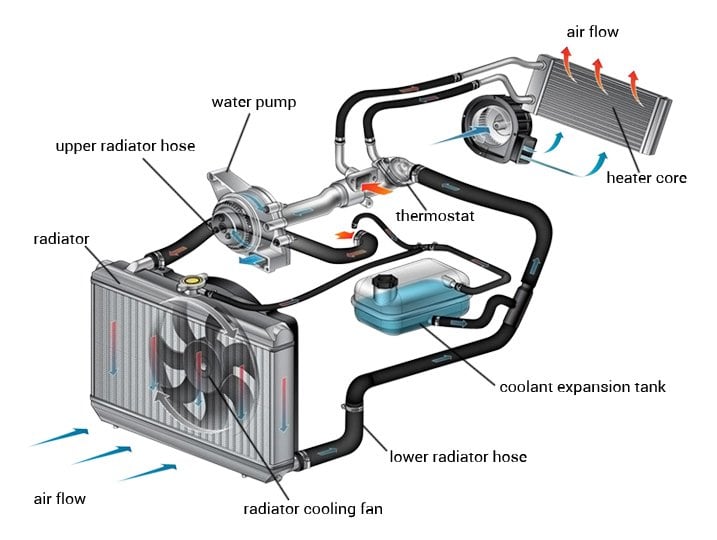
Radiator hose swelling often starts subtly but escalates quickly. The upper radiator hose, which carries hot coolant from the engine to the radiator, is the most common location for swelling due to direct heat and pressure exposure. Look for visible bulges, blisters, or uneven balloon-like expansion along the hose body. These deformities mean the internal reinforcement layer has failed and the rubber can no longer contain system pressure.
Perform a cold-engine squeeze test to assess structural integrity. A healthy hose should feel firm yet flexible, similar to a tennis ball. If it feels soft, mushy, or spongy, internal deterioration is likely. If it feels rock hard or makes a crunching sound when bent, the rubber has broken down and the hose is at imminent risk of rupture. Never test this while the engine is hot, because pressurized coolant can cause severe burns if released.
Check for Associated System Failures
Swelling rarely happens in isolation. Look for related symptoms that point to deeper problems:
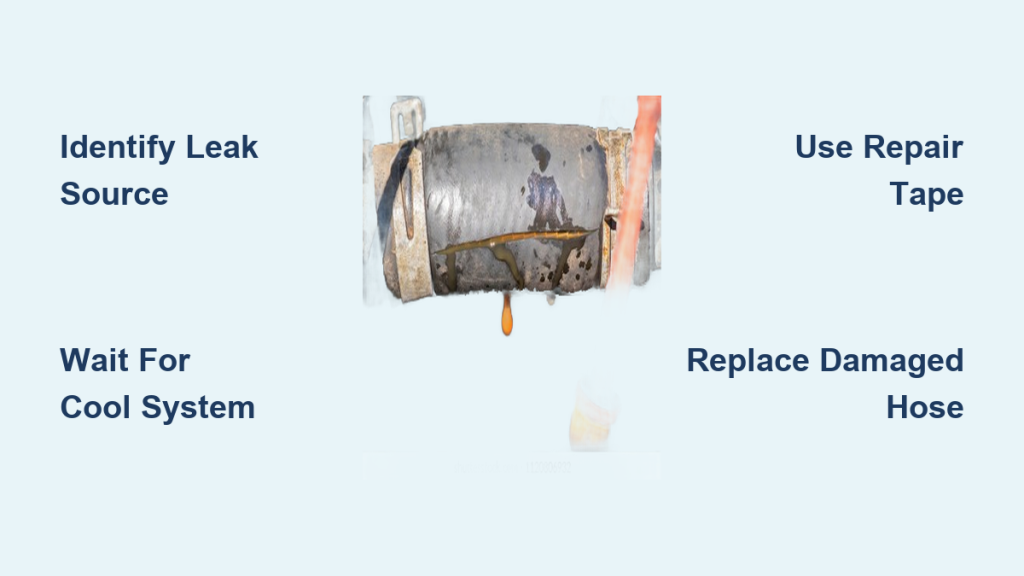
- Coolant leaks around hose clamps or fittings
- Cracks, cuts, or abrasions on the hose exterior
- Misalignment or kinking that restricts flow
- Discoloration or hardening of the rubber surface
If the engine overheats quickly or the upper hose stays cold while the engine runs hot, suspect a stuck-closed thermostat. This prevents coolant circulation, causing localized boiling and pressure spikes that force hoses to swell. Always inspect both ends of the hose and confirm clamps are tight. A loose clamp will not fix a swollen hose, but it can signal a poor maintenance history.
Root Causes of Hose Swelling

Excessive System Pressure
The most common trigger for radiator hose swelling is pressure exceeding safe limits. Modern cooling systems operate under pressure, typically between 12 and 15 psi, to raise the coolant’s boiling point. When pressure climbs beyond this threshold, hoses expand to accommodate the excess volume. Over time, this stress causes permanent deformation and bulging.
A faulty radiator cap is a leading contributor. If the cap’s pressure-relief valve fails, pressure builds unchecked. Using an incorrect or low-quality replacement cap, especially one rated below your vehicle’s specification, creates the same dangerous condition. Always verify the cap matches the OEM pressure rating listed on the radiator neck.
Engine overheating also spikes pressure. Causes include low coolant levels, a malfunctioning water pump, or blocked airflow through the radiator. When coolant overheats, it expands rapidly, forcing hoses to swell. In extreme cases, coolant may boil inside the engine block, creating vapor pockets that further increase pressure.
Head Gasket Failure: The Critical Threat
A blown head gasket is the most severe cause of radiator hose swelling. When the gasket between the engine block and cylinder head fails, combustion gases from the cylinders enter the cooling system. These high-pressure exhaust gases are far more compressible than liquid coolant, causing sudden and sustained pressure surges that make hoses bulge dramatically.
Key signs of head gasket failure include:
- Bubbling in the coolant reservoir while the engine runs
- White, milky residue on the oil dipstick, often called “mayonnaise”
- Unexplained coolant loss with no visible leaks
- White smoke from the exhaust, especially at startup
Unlike overheating-related swelling, head gasket issues produce pressure pulses synchronized with engine firing. This can make the hose visibly pulse or throb. A combustion leak test using a block tester is required to confirm this diagnosis before replacing any hoses.
Internal Hose Degradation
Even without excessive pressure, hoses degrade from the inside out. Constant exposure to hot, chemically treated coolant wears down the inner liner, thinning the rubber and weakening its structure. Over time, the hose loses its ability to resist normal operating pressure, leading to swelling or blistering.
This process accelerates when coolant is old, beyond 2 to 3 years of service, and has lost its corrosion inhibitors. Using the wrong coolant type causes chemical incompatibility that speeds up internal wear. Engines that frequently run hot due to thermostat or water pump issues also accelerate this degradation. Once internal damage occurs, replacement is mandatory, since no repair can restore structural integrity.
Test for Underlying Mechanical Faults
Verify Radiator Cap Function
The radiator cap regulates system pressure, so a malfunctioning cap is a prime suspect in swelling cases. Remove the cap only when the engine is completely cool. Inspect the sealing surfaces for cracks, warping, or debris. Check the manufacturer’s pressure rating stamped on the cap and confirm it matches your vehicle’s specs.
To test performance:
- Use a pressure tester to pressurize the cooling system.
- Monitor whether the cap holds pressure at its rated psi, such as 13 psi.
- Confirm it releases excess pressure when the threshold is exceeded.
If the cap fails to seal or releases too early or too late, replace it immediately with an OEM-compliant part.
Diagnose Thermostat and Flow Issues
A stuck-closed thermostat prevents coolant from circulating, causing rapid overheating and pressure buildup in the engine block. This forces the upper hose to swell even if other components are functional.
Test thermostat operation by starting the engine cold and monitoring the upper hose. As the engine warms, the hose should gradually heat up. If the engine temperature rises but the hose stays cold, the thermostat is not opening. Replace the thermostat if flow is restricted.
Also flush the cooling system if rust, scale, or debris is suspected. Clogged radiator tubes or engine passages reduce heat dissipation and contribute to localized boiling.
Perform Combustion Leak Testing
To rule out head gasket failure, conduct a combustion leak test, also called a block test. This involves filling a testing kit with a special blue chemical solution, placing the tool over the radiator filler neck with the engine off, and running the engine while observing any color changes.
If combustion gases are present, the fluid turns green or yellow, confirming exhaust intrusion into the cooling system. This test is essential before replacing hoses. If the head gasket is bad, new hoses will swell again quickly.
Immediate Safety Actions
Stop Engine and Cool Down
If you observe a swollen, hard, or pulsing radiator hose while driving, take these steps immediately:
- Pull over and turn off the engine.
- Do not open the radiator cap. The system may be pressurized with coolant above 200°F, and opening it can cause explosive boiling and severe burns.
- Wait at least 30 to 60 minutes for the engine to cool completely before inspecting further.
Continuing to drive risks catastrophic hose failure, rapid coolant loss, and irreversible engine damage.
Never Attempt Hose Repairs
Do not patch, tape, or clamp a swollen radiator hose. These are temporary fixes at best and extremely dangerous. A compromised hose cannot withstand operating pressure and will fail unpredictably. Even minor swelling indicates structural failure, and the only safe solution is full replacement with a high-quality hose designed for your vehicle’s pressure and temperature requirements.
Prevent Personal Injury
A bursting radiator hose releases superheated coolant and steam under pressure. This can cause serious scalding burns, whip the hose like a snake striking nearby components, and spray debris across the engine bay. Always wear safety glasses and gloves when working near the cooling system. Never rely on duct tape or hose menders, since your safety depends on using proper parts and procedures.
Replace Hoses and Fix Root Causes
Choose Correct Replacement Parts
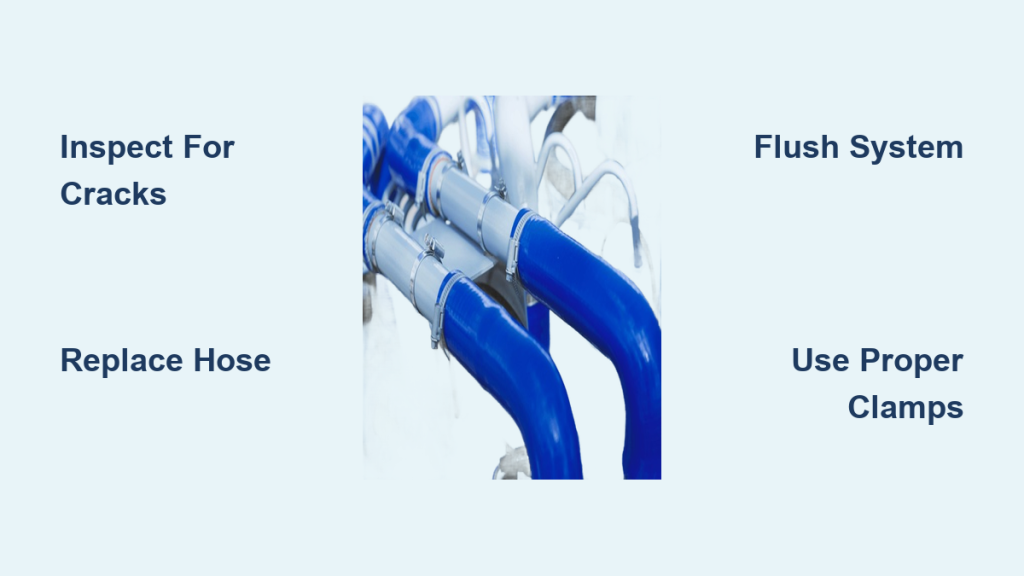
Use OEM-compliant parts or high-quality silicone hoses that match your vehicle’s specifications. Silicone offers better heat resistance and durability than standard rubber. Ensure clamps are corrosion-resistant and properly sized for the application.
For the radiator cap, always install one with the correct pressure rating, typically between 12 and 15 psi. A mismatched cap can trigger swelling even with a healthy engine.
Follow Proper Installation Steps
- Drain coolant into a clean container and check if reuse is safe.
- Remove the old hose by loosening clamps and gently twisting it free.
- Inspect mounting points for corrosion or damage.
- Lubricate hose ends with clean coolant to ease installation.
- Install the new hose and secure with new clamps at factory-tightened torque.
- Refill coolant slowly to minimize air pockets.
- Bleed the system if your vehicle has a bleed valve.
- Run the engine to operating temperature and check for leaks.
Professional installation is recommended if you are unsure about bleeding the system or diagnosing underlying issues.
Address the Real Problem
Replacing the hose alone is not enough if the root cause remains. For a faulty cap, install a correct-rated replacement. For a stuck thermostat, install a new one and flush the system. For head gasket failure, major engine repair is required and should not be delayed. Ignoring the source leads to repeat failures and higher long-term costs.
Prevent Future Swelling Issues
Stick to Coolant Maintenance Schedule
Flush and replace coolant every 2 to 3 years, or as specified by your manufacturer. Old coolant loses its ability to prevent corrosion and maintain a proper boiling point. Use only the coolant type recommended for your engine, such as OAT, HOAT, or IAT formulations.
Check coolant level monthly and top off with the correct mix, usually 50 percent antifreeze and 50 percent distilled water.
Inspect Hoses Regularly
Include radiator hoses in routine maintenance checks. Visually examine them for swelling, cracks, or hardness. Perform the squeeze test every oil change. Check clamps for tightness and corrosion. Hoses in high-heat areas near exhaust manifolds or under constant vibration need extra attention.
Monitor Engine Temperature
A rising temperature gauge is an early warning. If your engine runs hot, investigate immediately by checking for coolant leaks, listening for water pump noise, and ensuring the radiator fan engages. Early detection prevents overheating, pressure spikes, and hose damage.
Frequently Asked Questions About Radiator Hose Swelling
Can a swollen radiator hose fix itself?
No. A swollen radiator hose cannot repair itself. Once the internal reinforcement layer fails, the structural damage is permanent. The only safe solution is complete replacement of the hose along with diagnosis of the underlying cause.
Is it safe to drive with a swollen radiator hose?
No. Driving with a swollen radiator hose risks catastrophic failure, including hose bursting, rapid coolant loss, and engine seizure. Stop the engine immediately and address the issue before driving again.
How much does it cost to replace a swollen radiator hose?
Replacement costs vary by vehicle, but parts typically range from $20 to $100 for the hose itself. Labor adds $100 to $200 if done professionally. Additional repairs for a faulty radiator cap, thermostat, or head gasket will increase the total cost.
What does it mean if my upper radiator hose is hard but not swollen?
A hard upper radiator hose often indicates excessive system pressure or overheating. This can result from a faulty radiator cap, a stuck thermostat, or head gasket failure. Perform a combustion leak test to rule out gasket problems before replacing the hose.
How long do radiator hoses last before swelling becomes likely?
Most radiator hoses last between 4 and 6 years under normal conditions. Hoses in high-heat environments or vehicles with poor coolant maintenance may fail sooner. Regular inspections every oil change help catch swelling early.
Can a bad radiator cap cause the hose to swell?
Yes. A radiator cap that fails to release pressure at the correct threshold allows pressure to build beyond safe limits. This is one of the most common causes of radiator hose swelling and should always be checked first.
Key Takeaways for Preventing Radiator Hose Swelling

Radiator hose swelling is a serious warning that demands immediate attention. The most common causes include excessive system pressure, faulty radiator caps, and head gasket failure. A cold-engine squeeze test, combustion leak test, and radiator cap inspection form the foundation of proper diagnosis.
Never attempt to repair a swollen hose, since replacement is the only safe option. Always address the root cause, whether it is a bad cap, stuck thermostat, or blown head gasket, before installing new hoses. With regular coolant maintenance, routine inspections, and prompt response to overheating, you can prevent radiator hose swelling and keep your engine running reliably for years to come.