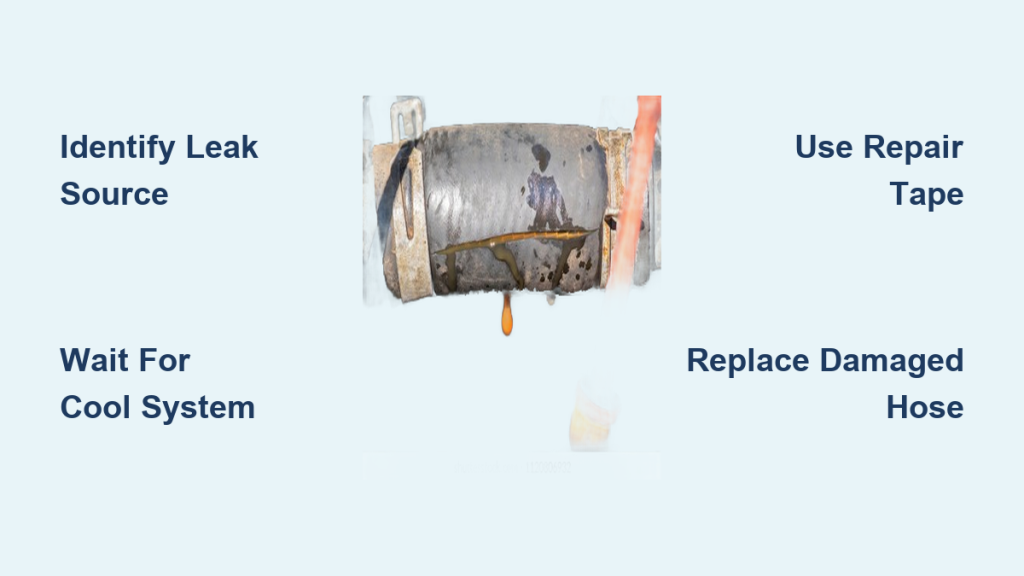
A burst radiator hose can leave you stranded, especially when you’re miles from a mechanic. Before calling for a tow, there’s a quick, affordable solution that has saved countless drivers: radiator hose repair tape. Specifically, self-fusing silicone tape, not duct tape or standard adhesive patches, can create a durable, heat-resistant seal on a leaking coolant hose, allowing you to drive safely to a repair shop or even serve as a long-term fix in some cases.
Unlike temporary fixes that fail within hours, high-quality repair tapes like Rescue Tape or Design Engineering Quick Fix bond permanently to themselves, resisting engine heat (up to 500°F), pressure (rated to 700 PSI), and exposure to antifreeze. Real-world users have driven for years on taped hoses, from cross-state trips to daily commutes, with no further issues. In this guide, you’ll learn how to identify the best radiator hose repair tape, prepare the leak site, apply the tape for maximum durability, and understand when this fix is safe versus when it’s time to replace the hose.
Choose the Right Repair Tape

Not all tapes are created equal. Using the wrong type can lead to rapid failure, overheating, or dangerous leaks while driving. The key is selecting a tape engineered for high-pressure, high-temperature environments.
Self-Fusing vs. Adhesive Tapes
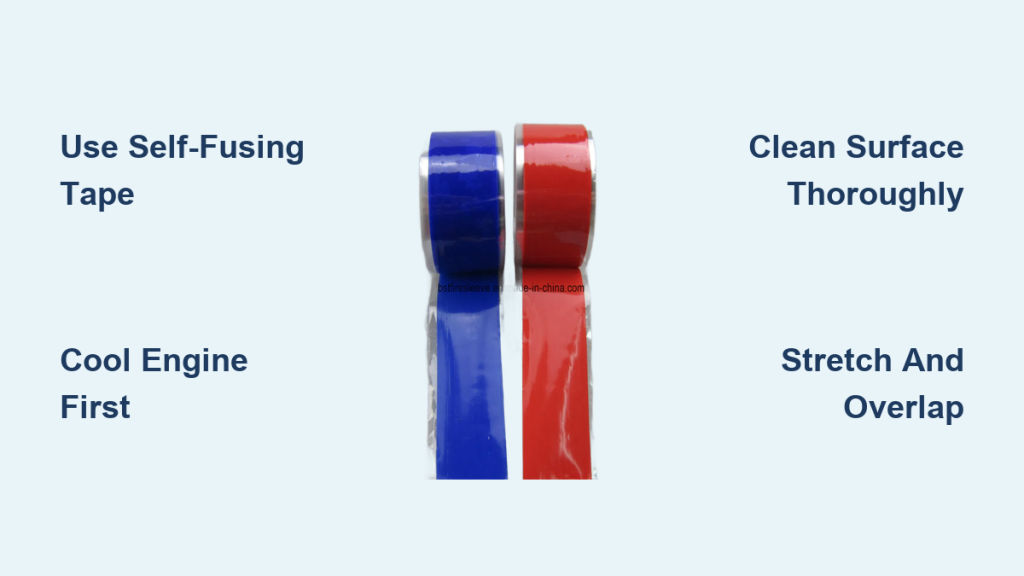
Only self-fusing silicone tapes should be used for radiator hose repairs. These tapes contain no adhesive. Instead, they chemically bond to themselves when stretched and wrapped, forming a seamless, rubber-like seal that resists heat, vibration, and coolant.
Why adhesive tapes fail:
– Flex Tape, Gorilla Tape, and similar rubberized tapes rely on sticky backing
– Their adhesive softens quickly under engine heat (typically above 180°F)
– Reports show these tapes bubble, peel, or blow off within 2 hours to 4 days on hot radiator hoses
– They work only on cold, non-pressurized systems, never on active cooling lines
Top Recommended Tapes
Based on performance data and user feedback:
– Design Engineering Quick Fix Tape: Rated to 700 PSI and 500°F, with a triangular profile for smooth layering
– Rescue Tape: Award-winning, non-adhesive, and proven in emergency automotive repairs
– XFasten Self-Fusing Silicone Tape: 36-foot length options ideal for multiple uses; handles extreme temps and pressure
Avoid PTFE (Teflon) thread seal tape. It is designed for pipe threads, not hose bodies. Also skip generic electrical or duct tape because they lack the thermal and pressure resistance needed for cooling systems.
Prepare the Leak Site Properly
Even the best radiator hose repair tape will fail if applied to a dirty or wet surface. Proper prep ensures a strong, lasting bond, especially critical on pressurized coolant lines.
Shut Off and Cool the Engine
Never apply tape to a hot engine. Radiator systems operate under pressure when hot. Attempting a repair can cause:
– Severe burns from escaping steam or coolant
– Tape failure due to inability to fuse on hot surfaces
Wait at least 1 to 2 hours after shutdown, or until the radiator cap can be removed safely without pressure release.
Clean the Damaged Area
Use a rag and degreaser (like brake cleaner or isopropyl alcohol) to remove:
– Coolant residue
– Oil or grease
– Dirt and grime
Focus on 3 to 4 inches on both sides of the crack or split. A clean surface ensures the tape fuses tightly and prevents slippage under pressure. Dry thoroughly because moisture inhibits bonding, even with self-fusing tapes.
Apply Self-Fusing Tape Correctly
The secret to a durable repair lies in technique. Stretching, overlapping, and wrapping with tension are non-negotiable for creating a pressure-resistant seal.
Stretch and Wrap Under Tension
- Start wrapping 2 to 3 inches past the leak on one side
- Stretch the tape to 2 to 3 times its original length as you wrap
- Overlap each layer by at least 50% (half the width of the previous wrap)
- Continue past the damaged section and wrap another 2 to 3 inches beyond on the opposite side
Stretching activates the silicone’s fusing chemistry. Wrapping without stretch results in weak bonding and early failure.
Use Multiple Layers for Strength
Apply at least 3 to 5 full layers over the leak zone. The thicker the wrap, the more pressure it can withstand. A triangular-profile tape (like Quick Fix) ensures smooth buildup without ridges or weak spots.
For large splits or soft hoses, consider inserting a rigid sleeve (like a short piece of plastic tubing) inside the hose before taping to prevent collapse under vacuum.
Test the Repair Before Driving

A taped hose may look secure but still fail under operating conditions. Always verify the repair before hitting the road.
Refill Coolant and Check for Leaks
- Replace the radiator cap
- Top off coolant if drained
- Start the engine and let it warm up to operating temperature
- Watch the taped area closely for drips, bulging, or seepage
If any leak appears, reapply the tape with more layers and better coverage.
Monitor Temperature and Pressure
Run the engine for at least 10 to 15 minutes. If the tape holds, look for:
– No bubbling
– No steam
– No coolant seepage
You’re likely good to drive, but proceed with caution and keep an eye on your temperature gauge.
When Tape Works Long-Term (And When It Doesn’t)

While many users report years of service from a tape repair, it is not a universal fix. Success depends on the hose condition, location, and driving demands.
Ideal for These Repairs
- Small cracks or splits in upper or lower radiator hoses
- Degraded coolant lines where replacement is delayed
- PCV or breather hoses under moderate pressure
- Emergency roadside fixes to get home or to a shop
Documented cases include a 2003 Dodge Dakota with a taped return hose lasting until the vehicle was donated in 2026, and a BMW breather hose repair lasting months while awaiting OEM parts.
Avoid Taping These Issues
- Soft, swollen, or brittle hoses (indicative of full system degradation)
- Leaks near clamps or fittings (better fixed by tightening or replacing)
- Hoses with large ruptures or wall thinning
- Exhaust or heater hoses exposed to direct manifold heat
Tape cannot restore structural integrity to a failing hose. It seals the leak point but not the underlying weakness.
Prevent Future Failures
Even a successful radiator hose repair tape application should be monitored. Use it as a bridge, not a forever fix, unless you have verified long-term stability.
Inspect Regularly
Check the taped area weekly for:
– Cracking or hardening
– Coolant stains
– Bulging under pressure
If any signs appear, replace the hose immediately.
Replace Hoses Proactively
Most radiator hoses last 5 to 8 years. If your vehicle is older or the hoses show cracking, swelling, or soft spots, replace them even if the tape is holding. Carry a roll of self-fusing tape in your emergency kit because it takes up little space and can prevent a major breakdown.
Alternative Temporary Fixes (Last Resort)
If you don’t have self-fusing tape, these methods may buy you a few miles, but they are far less reliable.
Electrical Tape Plus Adhesive Patch
One emergency hack:
1. Wrap the leak with standard electrical tape to create a dry base
2. Cover with Flex Tape or Gorilla Patch
This may hold for under 10 miles on a cool engine, but heat and pressure will likely defeat it quickly.
Use a Hose Clamp
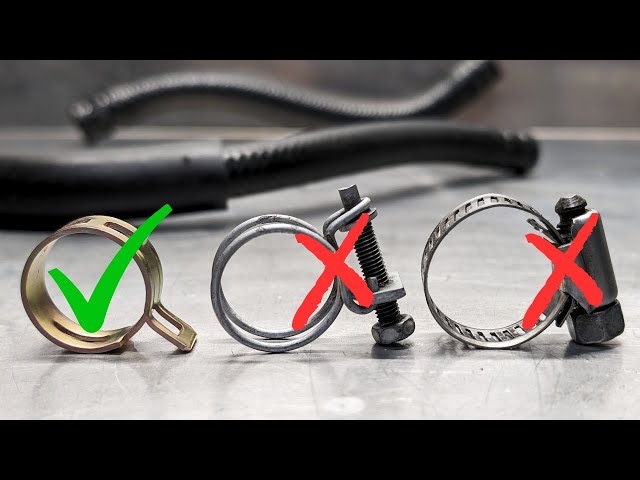
If the leak is at a connector or split near an end, slide a worm-drive or spring clamp over the damaged area and tighten. This often outperforms any tape for localized leaks.
Frequently Asked Questions About Radiator Hose Repair Tape
Does radiator hose repair tape actually work on pressurized systems?
Yes, when you use self-fusing silicone tape rated for high pressure (such as Design Engineering Quick Fix at 700 PSI), it can seal pressurized coolant lines effectively. Adhesive tapes like Flex Tape typically fail within hours to days on hot, pressurized hoses because their adhesive softens above 180°F.
Can I apply radiator hose repair tape to a hot engine?
No. You must wait for the engine to cool completely, usually 1 to 2 hours after shutdown. Applying tape to a hot surface prevents the silicone from fusing properly and can result in immediate failure or severe burns from escaping coolant.
How long does a radiator hose repair tape fix typically last?
It varies. Some users report repairs lasting years (one documented case lasted until the vehicle was donated in 2026). Others see tape hold for months or until a replacement part arrives. The repair’s longevity depends on hose condition, prep quality, and tape type.
What’s the difference between self-fusing silicone tape and regular tape?
Self-fusing silicone tape contains no adhesive and bonds only to itself when stretched. It forms a seamless, rubber-like seal rated for high heat and pressure. Regular adhesive tapes stick to surfaces using a sticky backing that breaks down under engine heat and coolant exposure.
Can I use duct tape or electrical tape for a radiator hose leak?
Duct tape and electrical tape lack the heat and pressure resistance needed for cooling systems. They may hold briefly on a cold engine but will fail quickly once the system heats up. Use only self-fusing silicone tape designed for automotive repair.
Is radiator hose repair tape a permanent fix?
It can serve as a long-term or even permanent fix in some cases, but most mechanics recommend replacing the hose when possible. Tape is best viewed as a reliable bridge solution for emergencies or while waiting for parts.
Key Takeaways for a Successful Radiator Hose Repair Tape Fix
Choosing the right product makes all the difference. Self-fusing silicone tape outperforms adhesive alternatives on hot, pressurized hoses. Always apply to a cold engine, clean the surface thoroughly, and stretch the tape while wrapping with at least 50% overlap.
Test every repair before driving and monitor the taped area weekly for signs of failure. Replace the hose as soon as a proper replacement is available. With the right tape and technique, you can keep your vehicle moving safely through emergencies and long waits for parts alike.