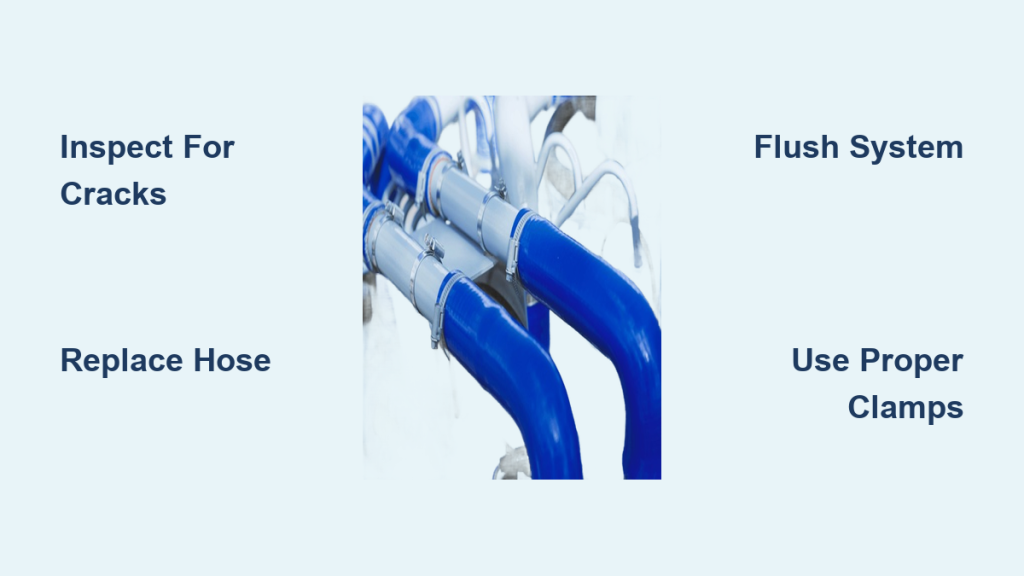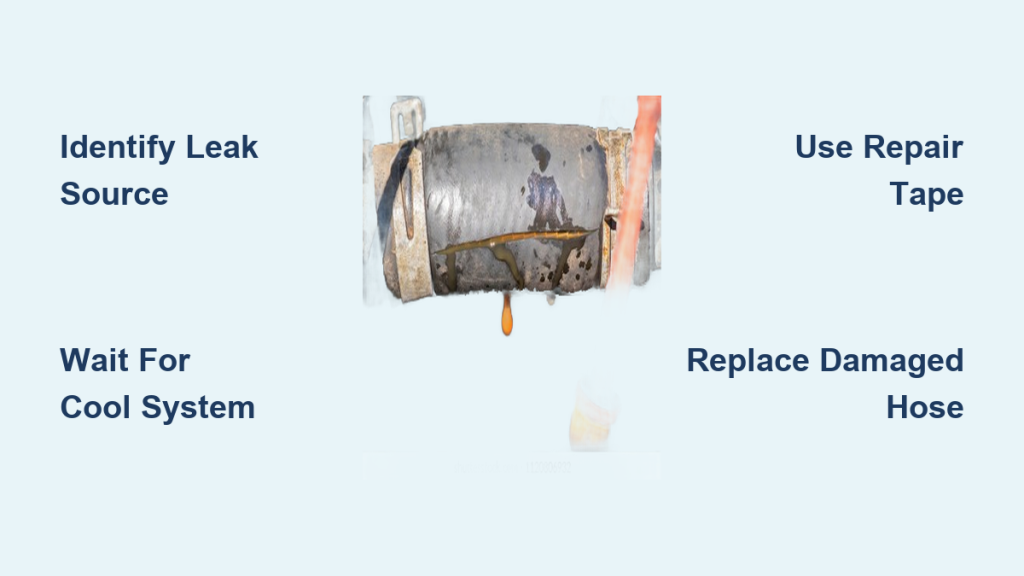
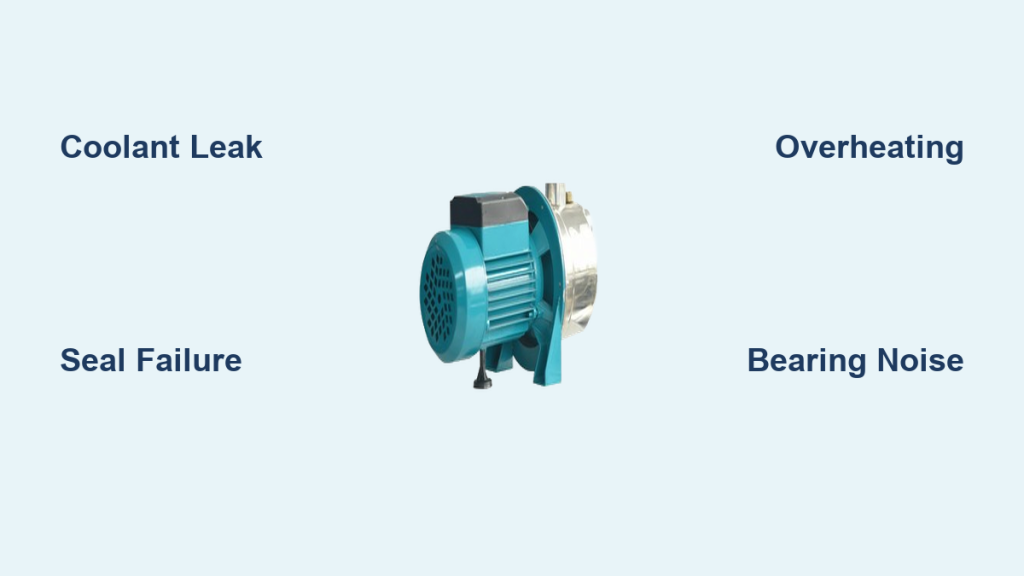
Yes, a water pump can and often does leak coolant, especially as it ages or suffers from improper maintenance. This common problem disrupts your vehicle’s cooling system and can lead to overheating, poor performance, and potentially catastrophic engine damage if ignored. The water pump circulates coolant through the engine and radiator to manage heat, but when seals fail, gaskets degrade, or internal components corrode, coolant escapes. Spotting the signs early, like puddles under your car, rising temperature gauges, or front-engine noises, can save you from expensive repairs.
In this guide, you will learn exactly how and why water pumps leak, how to identify the symptoms, and what steps to take for diagnosis and repair. Whether you are troubleshooting an overheating engine or planning preventive maintenance, this comprehensive breakdown gives you the knowledge to act quickly and correctly.
Common Causes of Coolant Leaks From Water Pumps

Failed Shaft and Housing Seals
The most frequent cause of a leaking water pump is seal failure. A mechanical seal surrounds the rotating shaft that drives the impeller. Over time, heat cycles, age, and coolant chemistry degrade this seal. When it fails, coolant escapes through the weep hole, a small drain designed to signal early failure. If you see dried or wet streaks below the pump, this is a strong indicator.
Additionally, the gasket between the pump and engine block can deteriorate. This leads to external leaks at the mounting surface. Always replace this gasket during installation, because reusing old ones invites leaks.
Wrong or Contaminated Coolant
Using the incorrect coolant type, such as mixing OAT with HOAT, can create chemical reactions that form sludge or gel. These contaminants clog narrow passages and interfere with the dynamic seal. Particles smaller than 0.5 millimeters can accelerate wear on internal surfaces, leading to micro-leaks and premature failure.
Always follow your vehicle manufacturer’s coolant specification. Check expiration dates and never mix types unless explicitly approved.
Air Locks in the Cooling System
Failing to purge air during coolant refill creates air pockets, especially in high-point areas of the engine. These air locks cause pressure imbalances across the water pump’s seal, leading to temporary or intermittent leakage. To prevent this, refill coolant slowly and bleed the system properly. Keep the expansion tank between the minimum and maximum marks to maintain stable pressure.
Improper Installation or Sealant Use
Some water pumps require RTV silicone instead of a pre-formed gasket. Applying too much sealant can squeeze into the pump housing, contaminating the coolant or damaging the internal seal. Too little or uneven application creates gaps that leak.
Always clean the mounting surface thoroughly, apply a thin continuous bead of RTV if required, and torque bolts to specification. Skipping these steps risks immediate or early leakage.
Internal Corrosion and Impeller Damage
Contaminated or old coolant promotes corrosion inside the pump. Rust, mineral deposits, and electrolytic erosion damage the impeller fins, reducing coolant flow. Cavitation, tiny vapor bubbles forming and collapsing, can eat away at metal surfaces over time.
Even if no external leak is visible, a corroded impeller means poor circulation, which mimics other cooling system failures. Regular flushing prevents this buildup.
Worn Bearings and Pulley Misalignment
A failing water pump bearing allows the shaft to wobble, breaking the precise contact needed for the mechanical seal to work. This misalignment creates gaps where coolant escapes. You may also hear whining or grinding noises from the front of the engine.
Inspect the pulley for play. With the engine off, gently wiggle it side to side. Any movement means the bearing is worn and the pump should be replaced.
How to Identify a Leaking Water Pump
Check for Visible Coolant Leaks
Look under the front center of the engine, near the timing cover. A leaking water pump typically drips coolant here. Common signs include brightly colored puddles under your parked car, wetness or stains on the pump housing, and chalky white or colored residue trails.
While radiators, hoses, or heater cores can also leak, a front-engine drip strongly points to the water pump, especially if it is near the timing belt area.
Monitor for Engine Overheating
A drop in coolant level due to leakage reduces the system’s ability to cool the engine. Combine that with a damaged impeller, and overheating becomes likely. Watch for the temperature gauge rising into the red zone, steam from under the hood, and repeated overheating episodes.
Overheating can warp cylinder heads or blow head gaskets, repairs that cost over one thousand dollars. If your engine runs hot, check the water pump immediately.
Listen for Unusual Noises
A failing water pump often makes noise before it leaks visibly. Squealing or chirping is caused by belt slippage due to a seized or binding pump bearing. The sound increases with engine RPM and may be mistaken for alternator or power steering pump issues.
Whining or buzzing indicates pulley wobble or shaft misalignment. A cracked pulley or worn bearing creates rhythmic noise, especially under acceleration. Use a mechanic’s stethoscope or a long screwdriver pressed to your ear and the pump housing to isolate the sound.
Look for Coolant in Oil
In severe cases, a failed internal seal allows coolant to enter the crankcase. Check the oil dipstick for milky or frothy residue and a mousse layer on the oil cap.
This condition risks hydrolock and lubrication failure. If found, stop driving and repair immediately.
Inspect for Corrosion and Buildup
External rust, white crust, or discoloration on the pump body signals long-term coolant exposure. Internal corrosion reduces impeller efficiency and increases strain on seals. Clean, inspect, and replace as needed.
Diagnose: Water Pump vs. Thermostat Failure
It is easy to confuse water pump and thermostat issues since both affect engine temperature. A coolant leak at the front-center engine suggests the water pump. An engine that overheats with no leak could indicate a thermostat stuck closed or impeller failure. Temperature fluctuations often point to air lock or a failing thermostat. Noise from the front engine points to water pump bearing issues. No cabin heat is more likely a thermostat or air in the system problem.
Both components work together. If one fails, inspect the other. A pressure test and visual inspection confirm the source.
How to Test a Leaking Water Pump

Perform a Visual Inspection
Locate the water pump, usually at the front of the engine, driven by the timing or serpentine belt. Look for wetness, stains, or residue around the housing and weep hole. Check the weep hole for drips or crusty buildup. Even slow seepage indicates seal failure.
Pressure Test the Cooling System
Cool the engine completely. Attach a cooling system pressure tester to the radiator or expansion tank. Pressurize to the manufacturer’s specification, typically 13 to 18 psi. Watch for pressure drop or visible leaks at the pump. If pressure drops or you see coolant escaping, the pump is compromised.
Check for Shaft Play
Turn off the engine. Grip the water pump pulley and gently try to move it side to side or up and down. Any movement means the bearing is worn, so replace the pump. A solid tight pulley indicates the bearing is still good.
Listen While Engine Runs
Start the engine and listen near the front. Use a stethoscope or insulated screwdriver to pinpoint noise. Squealing, whining, or grinding sounds confirm pump issues.
Prevent Water Pump Leaks: Best Practices
Use the Right Coolant
Always follow your vehicle’s OEM coolant specification. Mixing incompatible types causes sludge and seal damage. Check coolant expiry and never reuse old fluid.
Flush the System Regularly
Contaminants like iron oxide, aluminum oxide, and oil residues shorten pump life. Professional flushing with a micrauto purging machine removes up to 90 percent of debris in 20 to 45 minutes. Do this when replacing the pump or every 60,000 miles.
Bleed Air Properly
After refilling, bleed the cooling system to remove air pockets. Run the engine with the radiator cap off when cool and let it reach operating temperature with the heater on high. This helps circulate and purge air.
Apply Sealant Correctly
If your pump requires RTV, clean the mounting surface first. Apply a thin even bead. Do not over-tighten bolts and torque to manufacturer specs. Never let sealant enter the pump cavity.
Inspect During Major Services
When replacing the timing belt, inspect the water pump for seepage, noise, and pulley play. Many manufacturers recommend replacing both at the same time. Shared labor makes it cost-effective.
When to Replace the Water Pump
Replace the water pump if you observe any coolant leak from the weep hole or housing. Replace it if you experience overheating with no other cause. Replace it if you notice bearing noise or pulley wobble. Replace it if you see corrosion or impeller damage.
Proactive replacement is wise every 60,000 to 100,000 miles, especially on interference engines where failure can destroy the engine.
What Else to Replace With the Water Pump
To save labor and ensure reliability, replace related components. Replace the timing belt if it drives the pump. Replace the tensioner and idler pulleys. Replace the thermostat, which fails around the same interval. Replace the serpentine belt if driven by the same belt. Replace the coolant with a drain and refill using the correct mix. Always use new gaskets or seal kits.
On some models, the pulley is replaceable separately. On others, it is part of the pump assembly.
Cost of Water Pump Replacement
The water pump itself ranges from 30 to 800 dollars. Coolant costs 10 to 50 dollars. Gasket or seal kit runs 5 to 25 dollars. Labor ranges from 150 to 300 dollars or more. Total parts and labor range from 150 to 600 dollars or higher.
Labor varies widely. Front-accessible pumps cost less. Engines requiring timing cover removal take longer and cost more.
Stop-Leak Products: Do They Work?
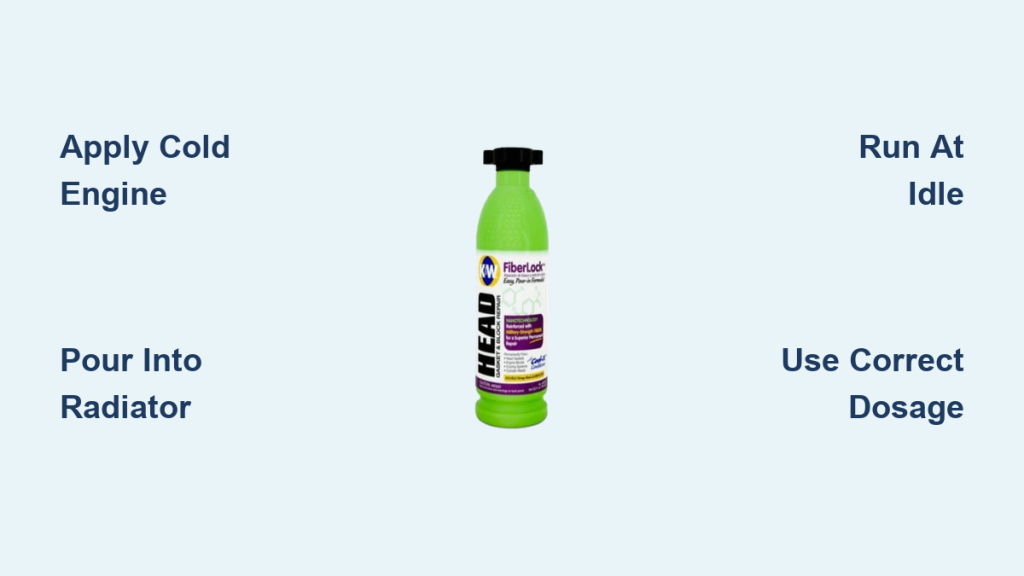
Products like K-Seal contain ceramic micro-fibers and metallic particles that bond at leak sites under heat and pressure. They may temporarily seal small gasket leaks or hairline cracks.
But they have serious limitations. They are ineffective for large leaks or failed mechanical seals. They risk clogging heater cores or narrow coolant passages. They do not fix bearing wear or impeller damage. They are not a permanent solution.
Use stop-leak products only in emergencies, to get your car to a repair shop. Never rely on stop-leak as a long-term fix.
Maximize Water Pump Lifespan
Choose Quality Replacement Parts
OEM or high-performance aftermarket pumps use upgraded seals and bearings for longer life. Avoid cheap no-name brands.
Follow Installation Best Practices
Clean mating surfaces. Use correct gasket or RTV. Torque bolts properly. Refill with proper coolant mix, usually 50/50 water and antifreeze.
Monitor Driving Conditions
Frequent stop-and-go traffic, towing, or extreme climates increase thermal stress. Consider upgrading to a heavy-duty pump if you drive hard.
Adhere to Warranty Terms
Most OEM pumps come with 12-month or 12,000-mile warranties. Aftermarket high-quality units often offer longer coverage. Register your purchase.
Frequently Asked Questions About Water Pump Coolant Leaks
How do I know if my water pump is leaking coolant?
Look for brightly colored puddles under the front of your car. Check for wetness or white residue around the pump housing near the timing cover. A leaking water pump often leaves dried coolant streaks. If you see these signs, the pump seal or gasket has likely failed.
Can I drive my car with a leaking water pump?
Driving with a leaking water pump is risky. The leak will worsen over time, causing coolant loss. Eventually, your engine will overheat. Severe overheating can warp cylinder heads or blow head gaskets, leading to thousands of dollars in repairs. Address the leak promptly.
Does a bad water pump always leak coolant?
Not always. A water pump can fail internally without visible leaks. The impeller may corrode or the bearing may seize, reducing coolant circulation. This causes overheating even when no external leak is present. Always inspect the pump physically, not just for leaks.
How much does it cost to replace a leaking water pump?
Parts typically cost 30 to 800 dollars depending on your vehicle. Labor adds 150 to 300 dollars or more. Total replacement costs range from 150 to 600 dollars or higher. Complex engines requiring timing belt removal cost more.
Can I fix a leaking water pump with stop-leak products?
Stop-leak products like K-Seal are temporary fixes at best. They may seal small gasket leaks briefly. They cannot repair failed mechanical seals, worn bearings, or damaged impellers. They also risk clogging narrow coolant passages. Use them only to reach a repair shop, then replace the pump properly.
Key Takeaways for Fixing Water Pump Coolant Leaks
Yes, water pumps can and frequently do leak coolant. The most common causes are seal failure, wrong coolant type, air locks, improper installation, internal corrosion, and worn bearings. Look for front-engine drips, white residue, overheating, or unusual noises to identify the problem.
Test the pump with a visual inspection, pressure check, and shaft play test. Replace the water pump at the first sign of trouble, ideally during timing belt service. Replace the thermostat, gaskets, and coolant at the same time for best results.
Avoid stop-leak products as a permanent solution. Use correct coolant, flush the system regularly, and bleed air properly to prevent early failure. A two hundred dollar water pump job today can prevent a two thousand dollar engine rebuild tomorrow. Always use quality parts and follow factory specifications for coolant and installation. Your engine depends on it.