
If you’ve spotted a coolant leak near your engine’s belt system, you might have wondered: does coolant damage belts? The short answer is no, not in the way most people fear. Coolant won’t dissolve or immediately destroy a modern serpentine or timing belt. However, it can cause temporary performance issues like slippage, squeaking, or timing problems due to its lubricating effect. This guide explains exactly how coolant affects belts, when to clean versus replace, and how to avoid costly mistakes.
Immediate Effects of Coolant on Belt Performance
When coolant coats a serpentine or timing belt, it acts like a lubricant, reducing friction between the belt and pulleys. This creates immediate operational problems that are mechanical rather than chemical.
Belt Slippage and Squeaking
Coolant on a belt leads to several performance issues. The belt may slip under load, especially when the A/C kicks on or during acceleration. You might hear squealing or chirping noises at startup or idle. In extreme cases with timing belts, slippage can cause tooth jumping, which may bend valves in interference engines. Even a small leak from a water pump weep hole can contaminate the belt enough to cause these problems.
How Long Do Effects Last
Coolant doesn’t evaporate quickly like water. It clings to rubber and can remain in belt grooves for hundreds of miles. Some users report persistent squeaking long after the leak is fixed, especially if the belt wasn’t cleaned. Slippage may resolve as the coolant wears off, but if the surface becomes glazed (shiny and smooth), grip may never fully return.
How Different Belt Materials React to Coolant

Not all belts react the same way to coolant exposure. The key factor is the rubber compound used in manufacturing.
EPDM Belts
EPDM (Ethylene Propylene Diene Monomer) is found in most serpentine belts. It offers excellent heat and ozone resistance but has only moderate coolant resistance. It can withstand brief exposure but is poor at resisting oil, which causes swelling and rapid degradation.
HNBR Belts
Hydrogenated Nitrile Butadiene Rubber is used in timing belts and high-stress applications. This material offers superior resistance to heat, oil, and coolant, maintaining integrity even after repeated exposure. It’s often the preferred choice for interference engines where belt failure would be catastrophic.
Nitrile Rubber Belts
Nitrile rubber is common in older or specialty belts and is notably coolant-resistant by design. In fact, nitrile is used in coolant system seals throughout the automotive industry, proof of its exceptional compatibility with glycol-based fluids.
Long-Term Damage: What to Expect
Many believe coolant silently weakens belts over time. The truth is that long-term damage is rare and usually overstated.
No Evidence of Structural Failure
There’s no documented case of a healthy, modern belt failing solely due to brief coolant exposure. Manufacturers design belts and cooling systems with minor leaks in mind. However, prolonged or repeated exposure on an already aging belt can contribute to surface softening, loss of tensile strength over years (not days), and premature cracking at edges or in grooves. These issues are far more likely if the belt was already near the end of its service life.
How to Clean a Coolant-Contaminated Belt
Cleaning can restore belt performance if done correctly. Here are the most effective methods.
Water Flush with Engine Running
Start the engine and gently spray clean water onto the belt and pulleys. Water displaces coolant and helps flush it from grooves. Let the engine bay dry overnight before driving. This method works best for serpentine belts since they’re easy to access.
Soap Soak with Belt Removed
Remove the belt and soak it overnight in dish soap and water. Soap breaks down glycol residue without harming rubber. Rinse thoroughly and air-dry completely before reinstalling. This is one of the most effective deep-cleaning methods available.
What to Avoid
Avoid brake cleaner, which may strip residue but can dry out rubber and increase crack risk. Avoid pressure washing, which risks water intrusion into bearings, sensors, or electrical systems. High-pressure spray can damage tensioner and idler bearings, leading to premature failure.
When to Replace Instead of Clean

Cleaning works in many cases but not all. Replace the belt if squeaking persists after cleaning, as a belt that still squeals likely has a glazed surface that reduces friction permanently. Replace if you see visible wear including cracks in the rubber, frayed edges or missing chunks, shiny smooth surface (glazing), or exposed cords or separated layers. Also consider replacement for high mileage or age. Serpentine belts should be replaced every 65,000 to 75,000 miles, and timing belts every 60,000 to 100,000 miles depending on the model.
Coolant vs. Oil: Which Is Worse for Belts?
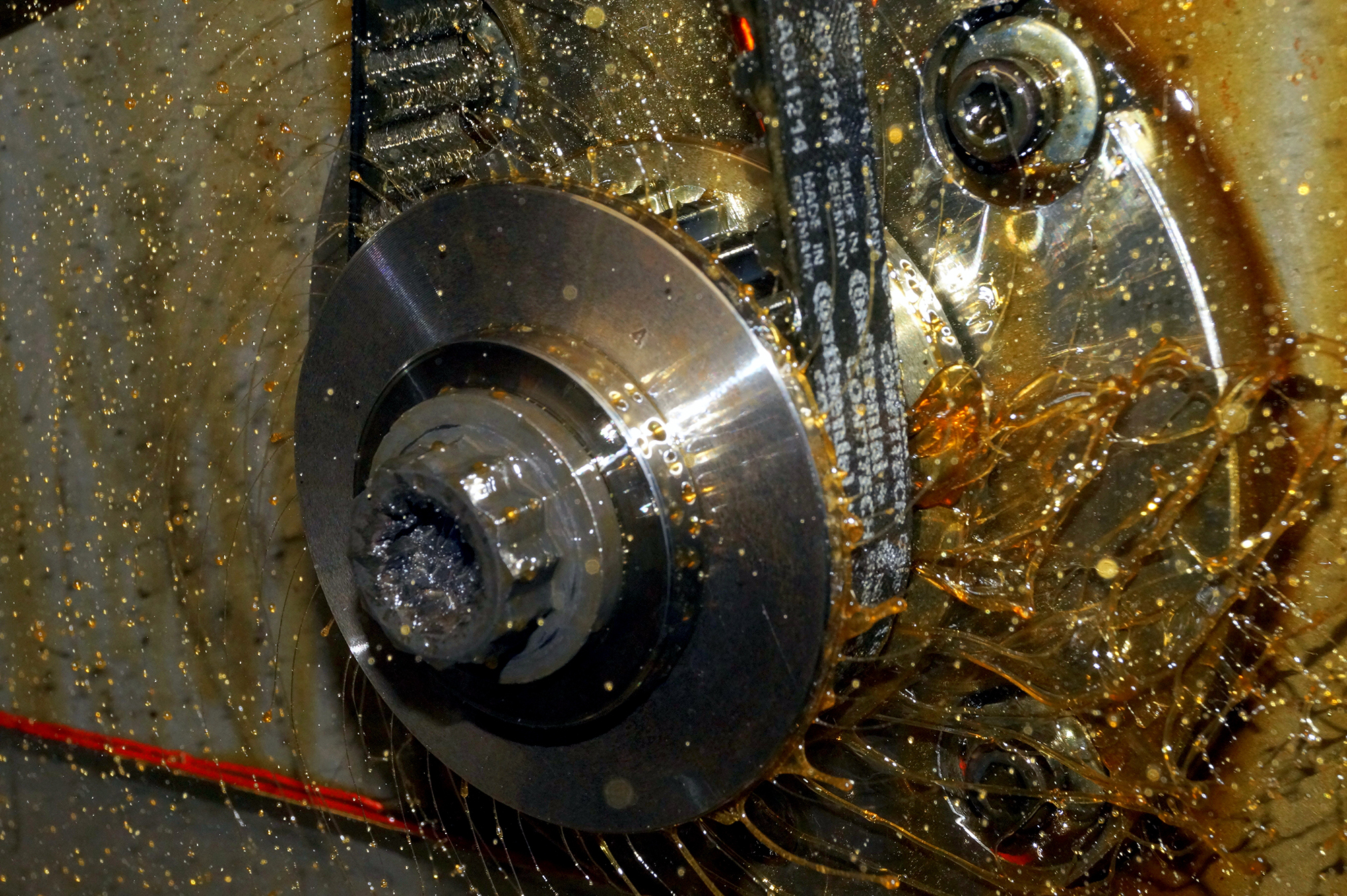
Oil is far more dangerous than coolant. Coolant causes minimal chemical damage and doesn’t absorb into rubber, while oil penetrates rubber causing swelling, softening, and cracking. The long-term risk from coolant is low, but oil exposure is high. Cleaning often restores function with coolant but rarely saves a belt with oil exposure. Manufacturers tolerate minor coolant contact but consider oil exposure unacceptable.
Why Oil Is a Deal-Breaker
Oil penetrates rubber, causing it to swell, soften, and crack. A belt with oil exposure may fail within months even if it looks fine. Oil leaks from valve covers, crank seals, or timing covers must be fixed immediately.
Hidden Risks from Improper Cleaning
Ironically, how you clean can be riskier than the coolant itself.
Water Intrusion in Bearings
High-pressure sprays can bypass seals on tensioners and idlers. Water washes out grease, leading to bearing corrosion and failure. The result can be pulley seizure, belt misalignment, or sudden breakdown. Never aim high-pressure water at pulley assemblies.
Detergent and Chemical Hazards
Soaps and degreasers can dry out rubber or leave residues. Steam cleaning may cause thermal shock to hot components. Both can accelerate wear on adjacent parts. Stick to water and mild soap for belts, and save harsh chemicals for metal parts only.
How to Inspect Your Belt After Coolant Exposure
After any coolant leak near the belt, follow this inspection checklist.
Visual Belt Inspection
Look for glazing, cracks, fraying, or residue on both smooth and grooved sides. Shine a flashlight into timing belt covers if accessible.
Pulley Alignment Check
Misaligned pulleys cause edge wear and mimic fluid damage. Aftermarket pulleys without proper spacers can shred belts. Ensure all pulleys run true and parallel.
Slippage Test
Start the engine and turn on A/C or power steering. Listen for squealing under load. Monitor for misfires or rough idle, which could indicate timing belt issues.
Pressure Test the Cooling System
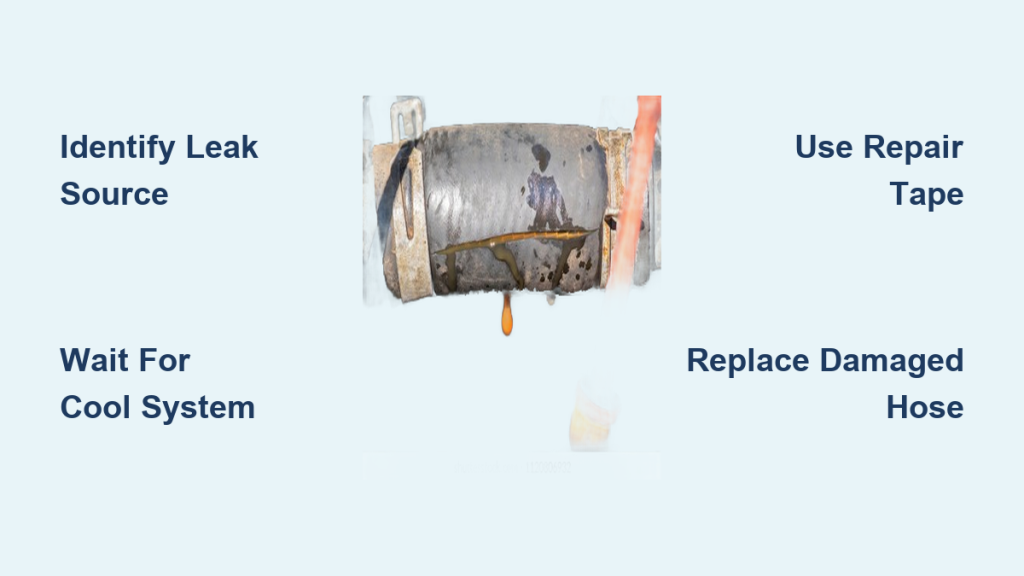
Use a hand pump to pressurize the system and identify the leak source. Common sources include water pump seal, radiator or expansion tank, hoses or clamps, or thermostat housing. Fix the leak first, otherwise the problem returns.
Cost Considerations for Replacement
DIY belt replacement costs $18 to $45 for the part itself. Dealership jobs can cost up to $145, often bundled with water pump repairs. Independent mechanics typically charge $70 to $120. If the belt is already removed for a repair like water pump replacement, labor for belt replacement may already be covered. Charging extra labor for a belt swap in this scenario could be double-billing.
Final Verdict: Replace or Keep
Replace the belt if squeaking continues after cleaning, if the belt is over 65,000 miles or 5 years old, if there’s visible wear glazing or cracking, if oil contamination is present, or if you’re doing a major repair and the belt is aging. Clean and keep the belt if it’s relatively new and in good condition, if cleaning stops the noise, if exposure was brief and minor, and if no oil is involved.
Frequently Asked Questions About Coolant and Belt Damage
Does coolant destroy serpentine belts immediately?
No, coolant does not chemically destroy modern serpentine belts immediately. The primary risk is temporary slippage and noise due to reduced friction, not structural damage. Brief exposure cleaned promptly poses minimal risk.
How long does coolant stay on a belt?
Coolant can remain on a belt for hundreds of miles if not cleaned. Unlike water, it doesn’t evaporate quickly and clings to rubber surfaces and grooves. Persistent squeaking may continue until the belt is cleaned or the residue wears off.
Can I drive with a belt covered in coolant?
It’s not recommended to drive under heavy load until the belt is cleaned. Avoid high RPMs and minimize accessory load (A/C, power steering). If the belt squeals or slips, have it cleaned or replaced before extended driving.
Is oil or coolant worse for belt health?
Oil is significantly worse than coolant. Oil penetrates and swells rubber, causing irreversible damage. Coolant causes temporary slippage but doesn’t chemically degrade modern belt materials. Oil exposure always requires belt replacement.
Should I replace my belt after a coolant leak?
Replace if the belt is old, shows visible wear, or squeaking persists after cleaning. If the belt is relatively new and cleaning resolves the noise, replacement isn’t necessary. Consider the belt’s age and condition when making your decision.
How do I know if my belt is glazed?
A glazed belt has a shiny, smooth surface instead of a matte rubber texture. Glazing reduces friction permanently and cannot be cleaned. If your belt looks shiny or polished after coolant exposure, replacement is needed.
Key Takeaways for Managing Coolant Exposure on Belts
Coolant doesn’t destroy belts the way most people fear. It causes temporary slippage and noise rather than chemical degradation. Modern belts made from EPDM, HNBR, or nitrile rubber are specifically engineered to resist glycol-based coolants. The real danger comes from confusing coolant issues with oil damage or ignoring worn belts. Oil is the true enemy and requires immediate belt replacement.
Clean promptly with water or mild soap if coolant contacts your belt. Replace if squeaking persists, the belt shows visible damage, or if it’s near the end of its service life. A $40 belt is cheap insurance against a $2,000 engine repair. Inspect after any coolant leak, fix the source of the leak, and maintain a preventive replacement schedule.