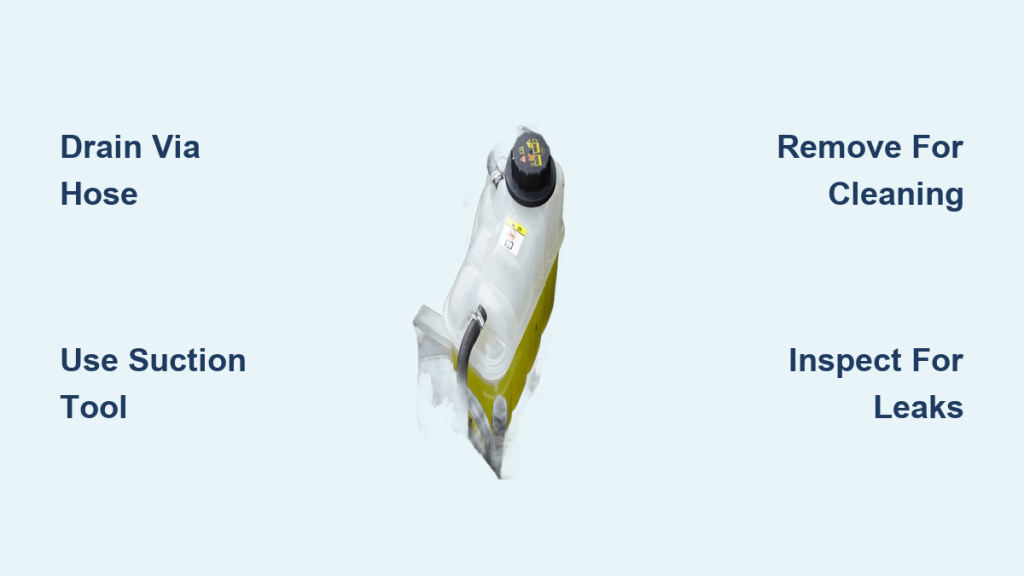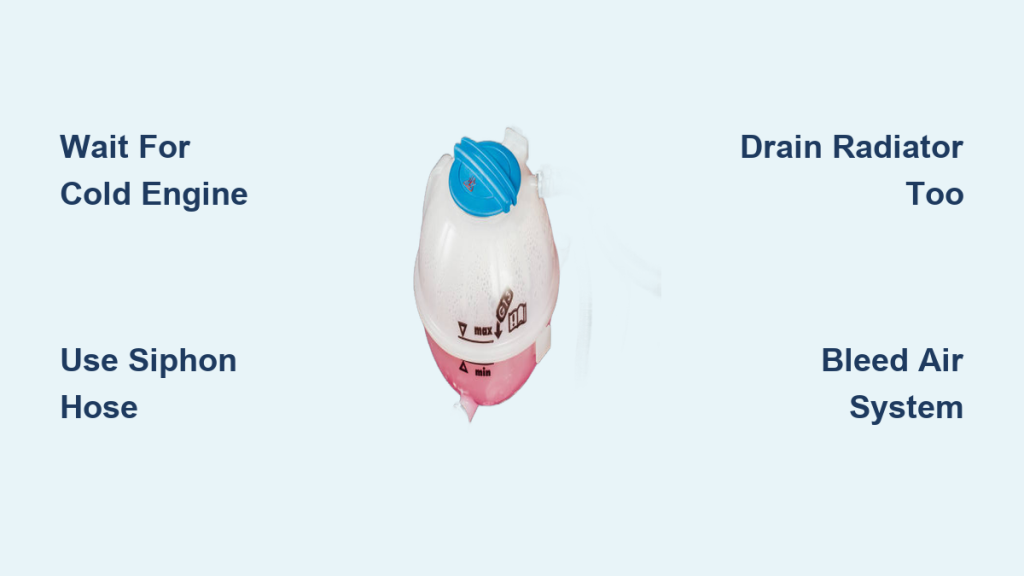
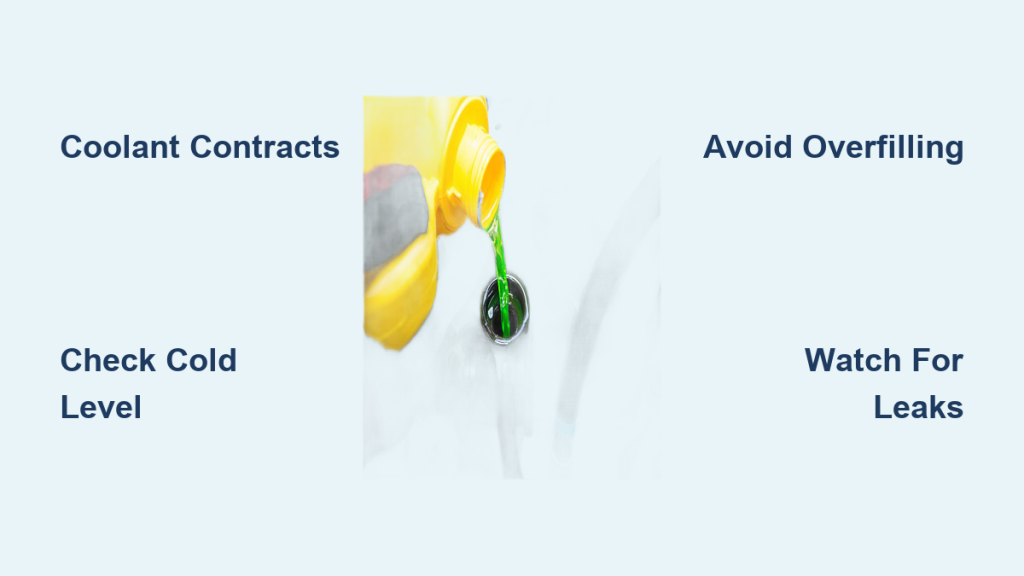
Yes, coolant does contract in cold weather, and this normal physical response often catches drivers off guard when they notice their reservoir level dropping overnight or after a cold snap. As temperatures fall, the liquid in your cooling system loses thermal energy, causing molecules to pack more tightly and reduce overall volume. This shrinkage is most visible in the translucent overflow tank, where fluid levels can appear noticeably lower when the engine is cold compared to when it’s running hot.
This guide explains exactly why contraction happens, how to tell the difference between normal thermal changes and actual coolant loss, and what steps you need to take to protect your engine all winter long.
Why Coolant Shrinks When Temperatures Drop
The Science Behind Thermal Contraction
When coolant cools down, its molecules slow down and move closer together, increasing density and reducing volume. This process is called thermal contraction, and it applies to all liquids, including the ethylene glycol or propylene glycol mixtures used in vehicle cooling systems. As outdoor temperatures drop from summer highs to winter lows, the coolant in your reservoir contracts slightly, making the fluid line appear lower than it did in warmer months.
This effect becomes even more pronounced after you shut off the engine. A hot engine circulates expanded coolant throughout the system, but as it cools, the liquid contracts and gets pulled back from the reservoir. If ambient temperatures are particularly cold, the final cold-level reading will be significantly lower than what you’d see in moderate conditions.
Real-World Contraction Measurements
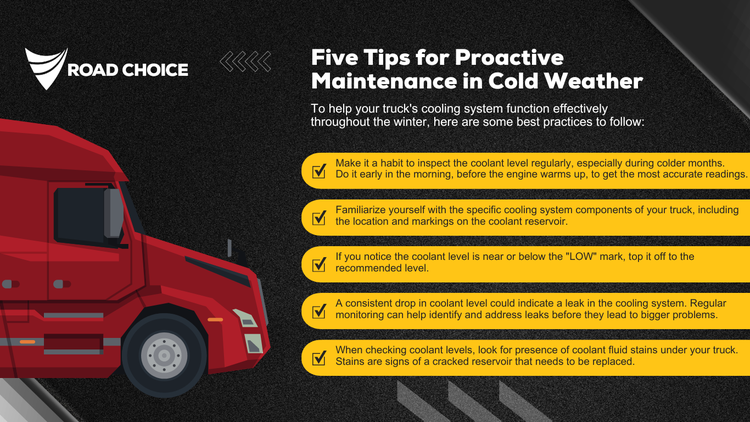
Practical observations from vehicle owners confirm this phenomenon happens across different climate conditions. When temperatures dropped from around 90°F to approximately 60°F, some drivers reported seeing their reservoir level drop by about 1/8 of an inch, requiring roughly 12 ounces of coolant to refill. In overnight temperatures near 29°F, drops of up to half an inch were commonly reported. In extreme cold like the 9°F temperatures seen in Minnesota winters, the difference between cold-start and operating-temperature levels reached approximately half an inch. These variations are completely normal and reverse once the engine warms up.
Distinguishing Normal Contraction from Real Coolant Loss
What Normal Cold Weather Drops Look Like
A minor reduction in coolant level during cold weather is perfectly normal if certain conditions are met. The level should stay above the “low” mark on your reservoir when the engine is cold. The drop should reverse itself when the engine warms up to operating temperature. You shouldn’t see any overheating, warning lights, or white exhaust smoke. Most importantly, the level change should stabilize after the initial temperature adjustment period, rather than continuing to drop.
As a general rule, drops of 1/8 inch to 1/2 inch during cold weather are typical and not a cause for alarm. These fluctuations represent normal thermal contraction, not system problems.
Signs of Actual Coolant Loss
If coolant keeps disappearing from your system, temperature isn’t to blame. Watch for these warning signs that indicate real loss rather than contraction. You shouldn’t need to top off your coolant every few weeks. Your level should not fall below the “low” mark even after refilling. Watch for a sweet smell under the hood, steam, or visible residue. Your engine shouldn’t overheat in cold weather, and your coolant warning light should never activate. If any of these symptoms appear, you likely have a leak or internal problem that needs investigation.
How Your Expansion Tank Handles Temperature Changes
What the Reservoir Actually Does
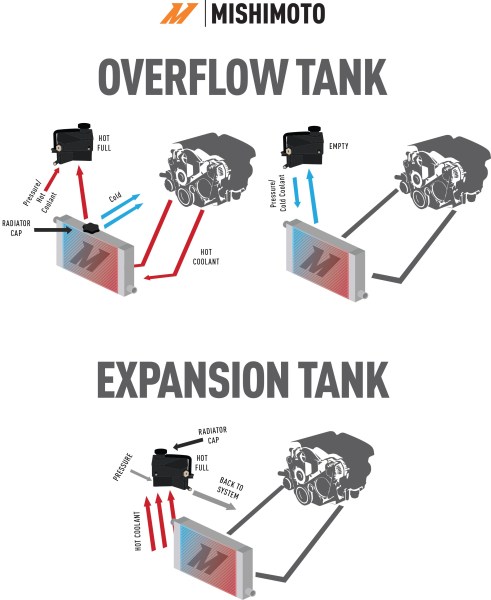
Your coolant reservoir, also called the overflow tank, is a critical part of a sealed pressurized system designed specifically to handle expansion and contraction. When your engine runs hot, coolant expands and flows into the tank, which prevents dangerous pressure buildup. As the engine cools and creates a vacuum, the system pulls fluid back into the radiator and engine block. This continuous cycle prevents air locks and maintains proper coolant circulation throughout the system.
Without this expansion tank, pressure could build to dangerous levels and damage hoses, your radiator, or engine seals.
Reading Your Reservoir Marks Correctly
Reservoir tanks come with “low” and “full” lines that tell you exactly where your coolant level should be. When checking a cold engine, your coolant should be at or above the “low” line, ideally near the midpoint between low and full. When the engine is hot, the level rises and should be near or at the “full” mark. Never overfill your reservoir when the engine is cold because excess coolant will spill out during warm-up, which makes it look like a leak when it’s actually just overflow.
The best practice is to fill to the “full” line when the engine is cold. Any extra will safely vent into the tank as the coolant warms and expands.
Air Pockets After Coolant Service
After you top off or flush your coolant, especially after repairs that caused spillage, air can get trapped in the system. As the engine runs, this air gradually gets purged, allowing more liquid to fill the space. This causes your reservoir level to drop over days or weeks, even though no actual leak exists. This is completely normal and is often mistaken for a coolant leak. Recheck your levels after three to five drive cycles to get an accurate reading.
Hidden Causes of Coolant Loss Beyond Cold Weather Contraction
How Cold Weather Worsens Leaks
Low temperatures can expose weak points in your cooling system that might not cause problems in warmer months. Rubber hoses become brittle and crack more easily. Gaskets and seals shrink, potentially breaking their seals. The metal in your radiator can fatigue from repeated expansion and contraction cycles. Even tiny leaks that never showed up in summer may become visible in cold weather or after repeated thermal cycles.
Internal Leaks That Don’t Leave Puddles
Some of the most serious coolant loss problems don’t leave any visible evidence underneath your vehicle. A blown head gasket lets coolant enter your combustion chamber or oil system. Signs include white exhaust smoke, milky oil, or bubbling in your reservoir. Cold starts actually increase cylinder pressure, which can worsen an already weak head gasket seal. A cracked engine block or cylinder head is rare but serious and can result from freezing if your coolant is low or improperly mixed. Internal leaks always require professional diagnosis, so don’t ignore the warning signs.
Evaporation and Aging Components
Over time, small amounts of coolant are lost through evaporation, particularly in older vehicles. Your old radiator cap may lose its seal strength. Micro-cracks in hoses allow slow vapor escape. Your reservoir tank can develop hairline fractures. These issues contribute to gradual decline, especially in high-mileage vehicles, and they compound the normal-looking drops you see from cold weather contraction.
Critical Warning Signs Your Coolant Level Is Too Low
Even in cold weather, low coolant can trigger serious engine problems that need immediate attention.
Watch for these symptoms that indicate inadequate cooling regardless of ambient temperature. Your engine can still overheat in winter because the cooling system isn’t working properly. Your heater will blow cold air because there’s no hot coolant reaching the heater core. Your coolant warning light will activate when the level drops below what the sensor considers safe. You might smell the sweet, syrupy odor of ethylene glycol leaking, which often goes undetected. Steam under your hood means coolant is hitting a hot exhaust manifold. Your temperature gauge might fluctuate wildly because air pockets are disrupting proper coolant flow.
Never ignore overheating in winter because it means your cooling system is failing, even if the air outside is cold.
Why Coolant Is Essential for Winter Engine Protection
Preventing Freezing and Cracking
Coolant does far more than prevent overheating. It also protects your engine from freezing solid in cold temperatures. A proper 50/50 mixture of antifreeze and water protects your engine down to approximately -34°F. If your coolant level is too low or you’ve mixed the wrong ratio, your freeze protection drops significantly. When coolant freezes, it expands with tremendous force and can crack your engine block, radiator, or cylinder heads. One freeze event can destroy an engine completely, making this a far more serious issue than most drivers realize.
Ensuring Proper Engine Warm-Up
Low coolant causes your engine to take much longer to reach optimal operating temperature. This increases cold friction and accelerates engine wear. You’ll notice poor fuel economy and thermal stress from uneven expansion between hot and cold metal components. Your engine needs stable temperatures to run efficiently, and proper coolant levels make that possible even in freezing conditions.
Keeping Your Cabin Warm
Your vehicle’s heater core uses hot engine coolant to warm the interior air. When coolant levels are low, you get weak heater output and poor defrost performance. This creates dangerous driving conditions when snow or ice is present. If your heater isn’t working well in winter, check your coolant before assuming the heater core has failed.
Step-by-Step Guide to Checking Coolant in Cold Weather
How to Perform a Cold Engine Check
Always check your coolant when the engine is cold for the most accurate reading. Wait until the engine has been off for several hours, preferably overnight. Locate the translucent reservoir tank, usually mounted near the radiator. Look at the fluid level relative to the “low” and “full” marks on the tank. If the level is below the “low” mark, add the correct coolant type slowly, using the proper mixture for your vehicle. Replace the cap securely to maintain proper system pressure. Recheck the level after two to three drive cycles to confirm it stabilizes.
Never open a radiator cap on a hot engine because you risk severe burns from steam and hot liquid.
Comparing Cold and Hot Levels
Checking both cold and hot engine states gives you a complete picture of your system’s behavior. When cold, your level should be at or above the “low” line. When hot, the level should rise toward or reach the “full” mark. If your cold level is consistently low but the hot level appears normal, you may have a slow leak or evaporation issue that’s separate from normal thermal contraction. Tracking both readings over time helps you understand what’s normal for your specific vehicle.
Essential Winter Coolant Maintenance Steps
Pre-Winter Inspection Checklist
Perform these checks before cold weather arrives to avoid problems. Check your coolant level every two to three weeks during winter. Inspect all hoses for cracks, soft spots, or bulges. Look for white residue, which is dried coolant, on connections. Examine your radiator and reservoir for any visible leaks. Test your radiator cap seal and replace it every three to five years. Verify that your heater blows hot air after the engine warms up. Confirm that no warning lights are on and your temperature gauge isn’t fluctuating.
Using the Right Coolant Mix
Always use the manufacturer-recommended type of coolant for your vehicle, whether that’s OAT, HOAT, or IAT. Maintain a 50% antifreeze and 50% distilled water mixture unless your manual specifies otherwise. Never use plain water as your primary coolant because it lacks corrosion protection and freezes easily. Mixing different coolant types can cause gelling or reduced performance, so stick with one type throughout.
How to Prevent Coolant Problems Before Winter Arrives
Maintaining Proper Fill Levels
Keep your coolant between the “low” and “full” marks on your reservoir at all times. Don’t wait for warning lights to appear before checking your levels. Check more frequently before long winter trips to ensure you’re protected.
Replacing Old Coolant
Most coolant lasts between 30,000 and 100,000 miles, depending on the type. As coolant ages, it loses corrosion inhibitors and its pH drops, which increases rust and scale buildup. Freeze protection also degrades over time. Flush and refill your cooling system according to your owner’s manual schedule to maintain proper protection.
Upgrading for Extreme Cold
In regions where temperatures regularly drop below zero Fahrenheit, consider using coolant rated for -50°F for an extra margin of safety. You can also insulate your radiator with a light cover, but never block airflow completely. Parking in a garage or using an engine block heater reduces thermal shock and improves cold starts significantly.
Red Flags That Signal Serious Coolant Problems
Certain symptoms demand immediate attention and professional diagnosis.
A coolant level that drops below the “low” mark every week indicates you need to inspect for leaks or internal failure. If you need to top off your coolant monthly, it’s time to diagnose the problem rather than just keep refilling. Milky oil or white exhaust smoke are strong indicators of head gasket failure that requires immediate attention. If your engine overheats in cold weather, stop driving immediately and check your entire cooling system. Replace any cracked reservoir tanks or failed caps before they cause bigger problems.
Catching these issues early saves thousands of dollars in engine repairs down the road.
Frequently Asked Questions About Coolant Contraction in Cold Weather
Does coolant really contract when it gets cold?
Yes, coolant contracts when temperatures drop due to thermal contraction. This is a basic physical property of liquids. As the molecules lose heat energy, they move closer together, reducing the overall volume. This is why your reservoir level appears lower on cold mornings than it does when your engine is warm.
How much does coolant shrink in cold weather?
The amount of contraction varies based on temperature changes, but most drivers see drops between 1/8 inch and 1/2 inch in their reservoir. In moderate temperature drops from 90°F to 60°F, expect around a 1/8-inch drop. In overnight temperatures near freezing, drops up to 1/2 inch are normal. In extreme cold below 10°F, you might see the full half-inch difference between cold and operating temperatures.
Should I top off coolant in winter?
Only top off your coolant if the level is near or below the “low” mark when the engine is cold. A slight drop due to normal contraction doesn’t require adding more fluid. If you do need to add coolant, use the correct type for your vehicle and maintain the proper 50/50 mixture of antifreeze and distilled water.
Is a lower coolant level in winter a sign of a leak?
Not necessarily. A slight drop in cold weather is usually normal contraction. However, if your level keeps dropping over time, falls below the “low” mark, or you need to add coolant frequently, you likely have a leak. Watch for other symptoms like overheating, sweet smells, or white exhaust smoke that would indicate a real problem.
Can I drive with low coolant in winter?
Driving with low coolant in winter is dangerous, even though it might seem less risky than in summer. Your coolant still needs to prevent freezing, and low levels mean inadequate protection against sub-zero temperatures. Additionally, your engine can still overheat in cold weather if coolant isn’t circulating properly. Address low coolant levels immediately regardless of the season.
How often should I check coolant in winter?
Check your coolant level at least every two to three weeks during winter months. Before any long winter trips, check your levels to ensure you’re protected. If you’ve recently had coolant work done or noticed any symptoms, check more frequently until you confirm the system is stable.
Key Takeaways for Managing Coolant in Cold Weather
Yes, coolant contracts in cold weather, causing a normal and reversible drop in your reservoir level. This physical response is nothing to worry about as long as your level stays within the designated range and you don’t see any warning symptoms. The key is understanding the difference between expected thermal contraction and actual coolant loss that signals a problem.
Persistent or significant coolant loss is never normal and requires investigation. Small leaks can become big problems quickly, especially as cold weather makes hoses and seals more brittle. Regular checks every two to three weeks, using the right coolant mixture, and addressing warning signs immediately will protect your engine all winter long. If your coolant keeps disappearing or you notice any symptoms of real loss, have your system inspected by a professional before you’re stranded with a cooling system failure.