
Yes, coolant can kill weeds. Automotive antifreeze contains ethylene glycol, a highly toxic compound that destroys plant tissue on contact. When spilled on grass or weeds, it breaks down cell membranes, dehydrates leaves, and disrupts root function, leaving dead patches in its wake. Many homeowners first notice this after a car leak creates a brown spot in the lawn. But just because coolant kills plants doesn’t mean it’s a weed solution.
Using coolant as a herbicide is dangerous, illegal, and environmentally harmful. It poses serious risks to pets, children, and wildlife, contaminates soil and groundwater, and violates federal pesticide laws. This guide explains exactly how coolant damages plants, why the myth persists, and what safe alternatives actually work.
How Coolant Destroys Plant Tissue
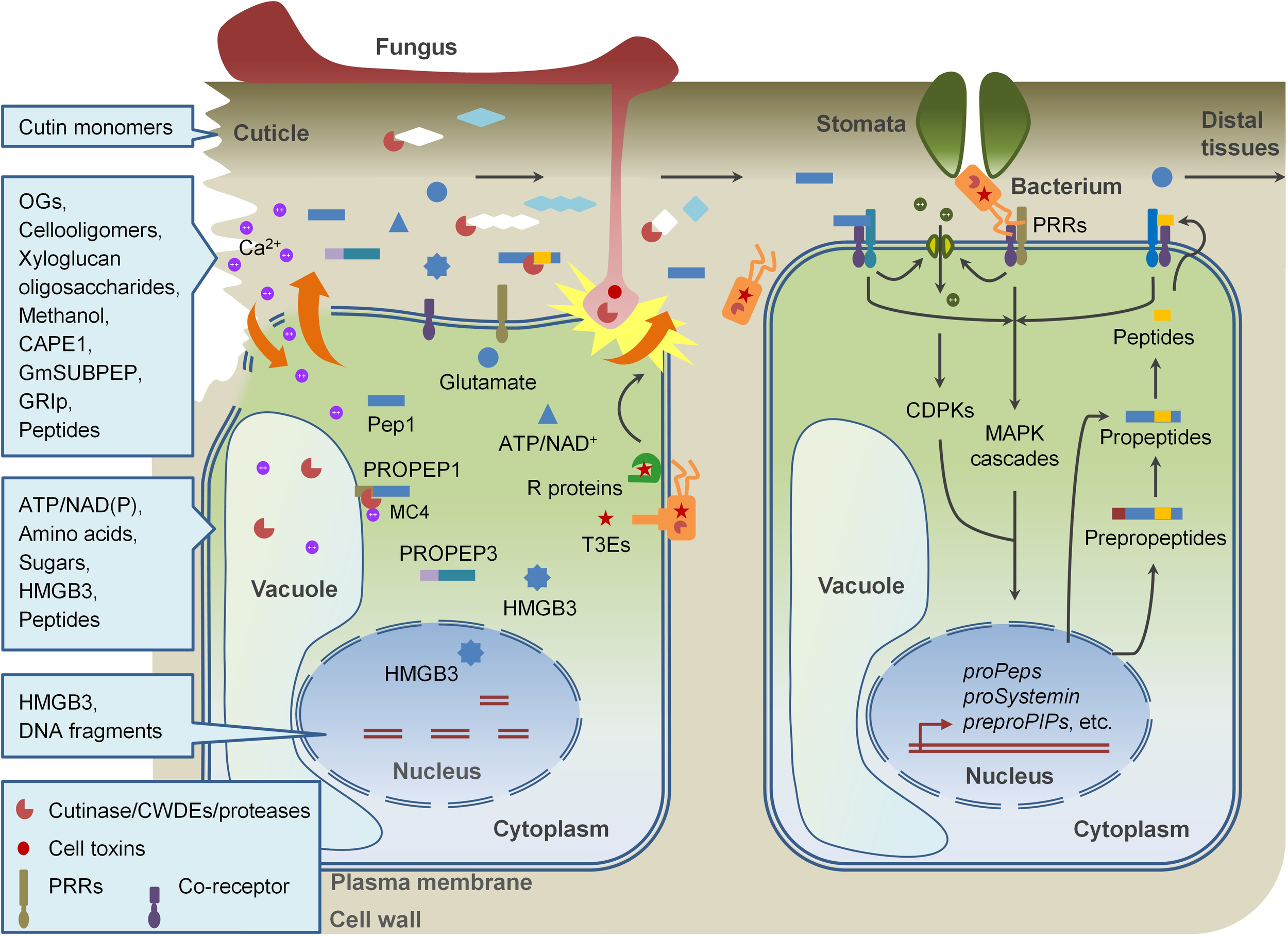
Coolant kills vegetation through chemical toxicity, not through any selective herbicidal action. Understanding the mechanism helps explain why this approach is fundamentally different from proper weed control.
Cellular Damage and Rapid Desiccation
Ethylene glycol attacks plant cells on contact. It breaks down membrane integrity, causing immediate desiccation. Leaves wilt, stems collapse, and photosynthesis stops within hours. Unlike systemic herbicides that travel through the plant’s vascular system, coolant works as a contact desiccant, similar to pouring boiling water on weeds but with far greater environmental consequences.
Root Zone Contamination and Soil Harm
Once coolant reaches the soil, it interferes with water uptake and alters pH levels. Roots absorb ethylene glycol like water, which then blocks nutrient transport throughout the plant. Beneficial microbial activity drops sharply, especially with high-concentration spills. Even after visible residue disappears, the ground may remain inhospitable to new growth for weeks or months.
Delayed Regrowth and Germination Failure
Treated areas often show stunted or failed regrowth even after attempts at remediation. Seeds fail to germinate in contaminated soil, and surviving plants appear weak and discolored. This uncontrolled damage is nothing like selective weed suppression, it destroys the entire ecosystem in the treated area.
Why the Myth Persists
Despite clear dangers, some people still use coolant for weed control. The misconception stems from several observable phenomena that get misinterpreted as evidence of effectiveness.
Real Plant Death After Accidental Spills
It’s true that coolant kills grass. A leak under a parked car frequently leaves a dead patch of lawn. Homeowners witness this and assume that if it kills grass, it must kill weeds too. But accidental spills are toxic events, not evidence that coolant makes a safe or effective herbicide. The correlation between spills and dead grass proves toxicity, not utility.
Confusion About Surfactant Properties
Some believe coolant helps herbicides stick to leaves because it contains surfactant-like compounds. While coolant does reduce surface tension in engine systems, those specific surfactants aren’t formulated for plant absorption. They don’t enhance herbicide performance, they simply add poison to the spray mixture. A few drops of Dawn dish soap are safer and more effective than coolant for improving spray adhesion.
RV Antifreeze vs. Automotive Antifreeze Confusion
RV antifreeze contains propylene glycol, which is non-toxic and biodegradable. It’s safe for plumbing systems and breaks down quickly in nature. But many people confuse it with automotive antifreeze, which contains ethylene glycol, a deadly substance. Neither is approved for weed killing, but only one is acutely toxic to mammals and wildlife.
The Serious Risks of Using Coolant
Using coolant as a weed killer violates federal law and endangers every living thing in your yard. The risks far outweigh any temporary weed suppression benefit.
Deadly to Pets and Children
Ethylene glycol tastes sweet, and dogs, cats, and kids are attracted to it. Just a few licks can be fatal. As little as 4 mL per kg of body weight can cause kidney failure in dogs. Symptoms include vomiting, lethargy, seizures, and death within 72 hours. Treatment requires fomepizole or ethanol infusions and days of intensive veterinary care. Survival depends on treatment within 8 to 12 hours of ingestion. If your pet licks coolant, this is a medical emergency.
Soil and Groundwater Contamination
Ethylene glycol breaks down in 2 weeks to 3 months, depending on conditions. But during that time, it leaches into groundwater, especially in sandy soils. It harms beneficial microbes and earthworms. It remains toxic to plants and animals. Flushing with water helps dilute it, but large spills require professional hazardous waste cleanup.
Federal Law Violations
Under the Federal Insecticide, Fungicide, and Rodenticide Act, only EPA-registered products can be used as pesticides. The label is the law, and using any chemical in an unapproved way is illegal. Applying coolant as a herbicide constitutes off-label use and is subject to fines or prosecution. In some states, only licensed applicators can apply chemicals with pesticidal intent.
What to Do After a Coolant Spill
If coolant spills on your lawn or garden, act quickly to minimize harm to the environment and your property.
Immediate Cleanup Steps
Block off the area immediately to keep pets, children, and wildlife away from the spill. Sprinkle kitty litter, sawdust, or activated carbon over the pooled coolant and let it sit for 15 to 30 minutes to absorb the liquid. Scoop the absorbent material into a sealed container and dispose of it as hazardous waste, never compost or trash it. Flush the area with hundreds of gallons of water to dilute remaining traces and speed biodegradation. Lightly rake or core aerate the soil to increase oxygen, helping microbes break down the glycol faster.
When It’s Safe to Replant
Wait 4 to 8 weeks before seeding or planting in the affected area. Monitor for signs of phytotoxicity including yellowing, wilting, and poor germination. Add compost or topsoil to restore microbial health and speed recovery.
Effective Alternatives for Weed Control
You don’t need dangerous chemicals to kill weeds. Proven, legal, and safer options work better without the risks.
Surfactants That Actually Work
For better herbicide adhesion to waxy leaves, use Dawn dish soap instead of coolant. Add 1 teaspoon of Dawn per gallon of herbicide mix. Commercial surfactants designed for herbicides improve uptake and reduce spray volume. Isopropyl alcohol helps sprays dry slower in heat without poisoning soil. PEG-based adjuvants are used legally in agriculture to enhance absorption.
Natural Weed Killing Methods
For natural spot treatments, try vinegar plus salt plus dish soap, which burns foliage on contact. Boiling water kills weeds in cracks instantly with zero chemical risk. Flame weeding torches weeds in pathways effectively and without chemicals.
Registered Herbicides That Work
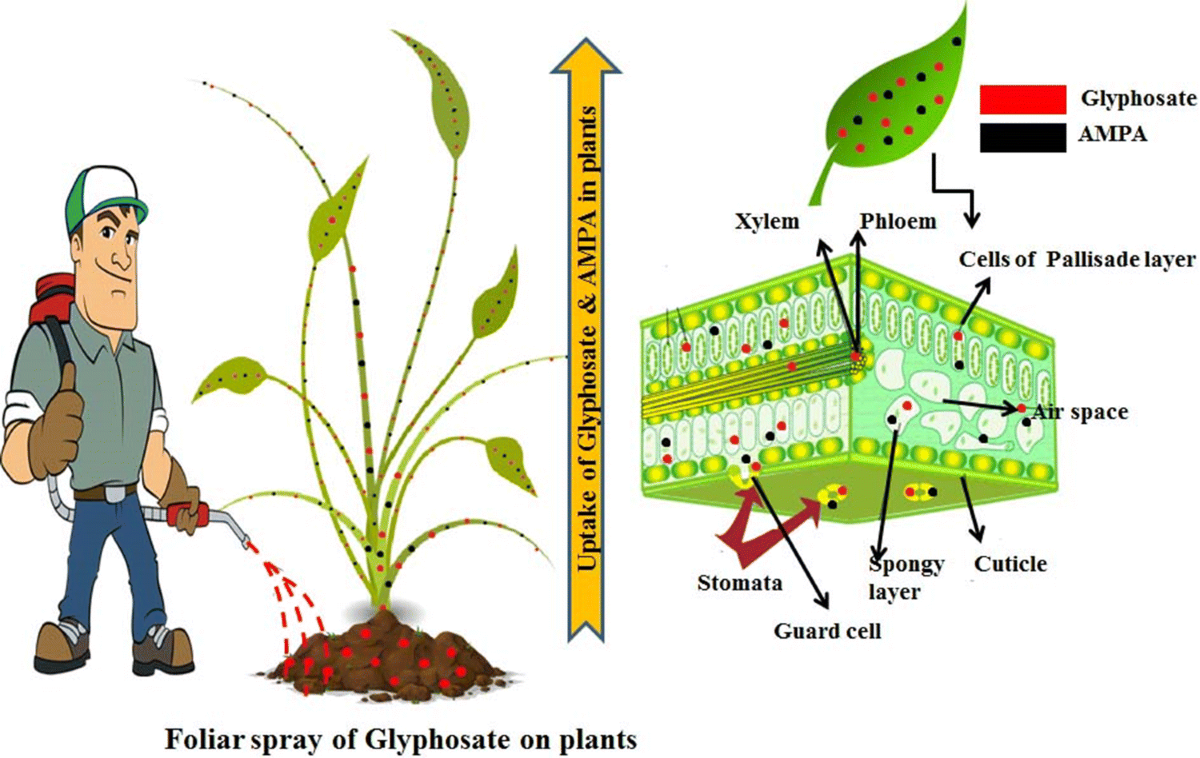
For long-term control, use EPA-approved herbicides like glyphosate for systemic root killing, 2,4-D for broadleaf weeds, or pelargonic acid for fast-acting organic options. Always follow label instructions, that’s the law.
Legitimate Use: Winterizing Equipment
Coolant has one safe, accepted use in agriculture: sprayer winterization. This is the only scenario where antifreeze belongs near your equipment.
Use RV Antifreeze, Not Automotive
Propylene glycol-based RV antifreeze is non-toxic and biodegradable. It prevents freezing in spray tanks, hoses, and pumps. Never use automotive coolant because corrosion inhibitors can damage seals and valves. Drain all water from the system, run RV antifreeze through the pump and booms until it exits nozzles, and store in a sealed container avoiding ground contact. Flush thoroughly in spring before applying herbicides.
Coolant vs. Glyphosate: Key Differences
| Feature | Coolant (Ethylene Glycol) | Glyphosate Herbicide |
|---|---|---|
| Intended Use | Engine cooling | Weed control |
| Herbicidal Action | Accidental toxicity | Targeted metabolic disruption |
| Systemic | No | Yes, kills roots |
| Soil Impact | Harms microbes, alters pH | Minimal residual effect |
| Pet Safety | Lethal if ingested | Low toxicity when dry |
| Legal Status | Not approved for weeds | EPA-registered |
| Replant Time | Wait 4 to 8 weeks | Wait 1 to 4 weeks per label |
Coolant isn’t a herbicide, it’s a hazardous waste product.
Professional Standards and Legal Compliance
Farmers and landscapers must follow strict rules when applying any chemical for weed control.
Licensing Requirements
In Virginia, private applicators must be recertified every two years. In New Jersey, only licensed professionals can apply chemicals for pest control. Certification exams aren’t guaranteed passes, many fail and must retake. Always follow the label, that’s the core principle of chemical application.
Consequences of Non-Compliance
Off-label violations include applying unregistered substances, using wrong concentrations, or spraying for unapproved purposes. Violations can result in fines, loss of license, and criminal charges if animals die or water is polluted.
Frequently Asked Questions About Coolant and Weeds
Can I use coolant to kill weeds in my driveway?
No. Using automotive coolant as a weed killer is dangerous, illegal, and harmful to the environment. Use boiling water, vinegar solutions, or EPA-registered herbicides instead.
How long does it take for coolant to kill plants?
Coolant can kill plant tissue within hours through rapid desiccation. However, soil contamination persists for weeks to months, delaying any regrowth or new planting.
Is RV antifreeze safe to use on weeds?
No. While RV antifreeze (propylene glycol) is less toxic than automotive coolant, it’s still not approved for weed control and should not be applied intentionally to vegetation.
What should I do if my dog licks coolant?
Seek immediate veterinary care. This is a medical emergency. Bring the product container so the vet knows exactly what was ingested.
Are there legal alternatives that work as well as coolant?
Yes. Glyphosate, 2,4-D, and other EPA-registered herbicides work far better than coolant for weed control, and they’re legal, safe, and designed for that purpose.
Can I use dish soap to help herbicide stick to weeds?
Yes. Adding a few drops of Dawn dish soap per gallon of herbicide mix improves adhesion to waxy leaf surfaces. This is a common practice among professionals.
Key Takeaways for Responsible Weed Control
Coolant can kill weeds, but the consequences aren’t worth the temporary results. Ethylene glycol is a toxic industrial chemical, not a garden solution. It kills pets, contaminates soil, violates federal law, and provides no benefit over proper herbicides.
Always use EPA-registered herbicides according to label directions. For better spray adhesion, stick with Dawn dish soap or commercial surfactants. If you need to winterize equipment, use RV antifreeze (propylene glycol) only, never automotive coolant. After any chemical spill, absorb, flush, aerate, and wait before replanting.
Responsible weed control means choosing methods that work without risking lives or breaking the law. Don’t use coolant to kill weeds, ever.