
You’re stuck in traffic on a sweltering day. The engine temperature creeps up, and suddenly your AC stops blowing cold air. You check the refrigerant. It’s full. The compressor clicks on and off like normal. What is going on? Could low coolant be the culprit?
Yes, low engine coolant can indirectly cause your AC to stop cooling, even though the cooling system and air conditioning system use separate fluids and components. While low coolant does not drain refrigerant or damage AC parts directly, it triggers engine overheating, which prompts your car’s computer to disable the AC compressor to protect the engine. This safety response leads to warm air from the vents, especially at idle or in stop and go traffic.
In this guide, you will learn why low coolant affects AC performance, how to diagnose if overheating is disabling your AC, key differences between coolant and refrigerant, step by step checks to fix the root cause, and when to see a mechanic.
Decode AC Failure Patterns Tied to Low Coolant
AC Blows Warm Air at Idle Only
If your AC works while driving but fails when idling, engine overheating is likely disabling the compressor. At highway speeds, airflow helps cool the engine and radiator, delaying heat buildup. But at idle, heat accumulates especially if coolant is low.
The Engine Control Module senses rising temperatures and cuts power to non essential loads including the AC. This is a protective measure to prevent head gasket failure or warped cylinder heads.
Visual clue: Watch the temperature gauge. If it climbs as the AC stops cooling, low coolant is the prime suspect.
AC Returns After Engine Cooldown
After shutting off the engine for 10 to 15 minutes, the AC may start working again. That is because the Engine Control Module re enables the compressor once engine temperature drops to safe levels.
This on off cycling of AC performance tied directly to engine heat is a hallmark of thermal protection mode, not a failing compressor or refrigerant leak.
Temperature Gauge Rises with AC Loss
A rising temp gauge alongside AC failure is a red flag. Most vehicles disable the AC when coolant temperature exceeds 220°F to 230°F.
Check for these common signs:
• Coolant level below MIN mark
• Steam or smell from the hood
• Frequent need to top off coolant
These signs confirm the engine is struggling to stay cool, triggering AC shutdown.
Confirm Coolant System Health
Check Coolant Level Properly
Always inspect coolant when the engine is cold. Hot coolant is pressurized and can cause severe burns.
Follow these steps:
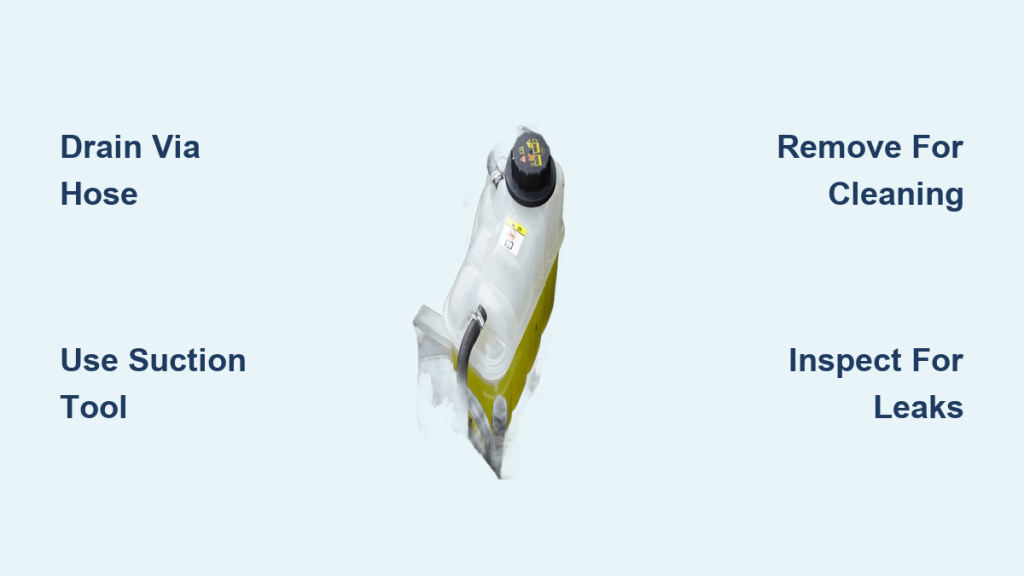
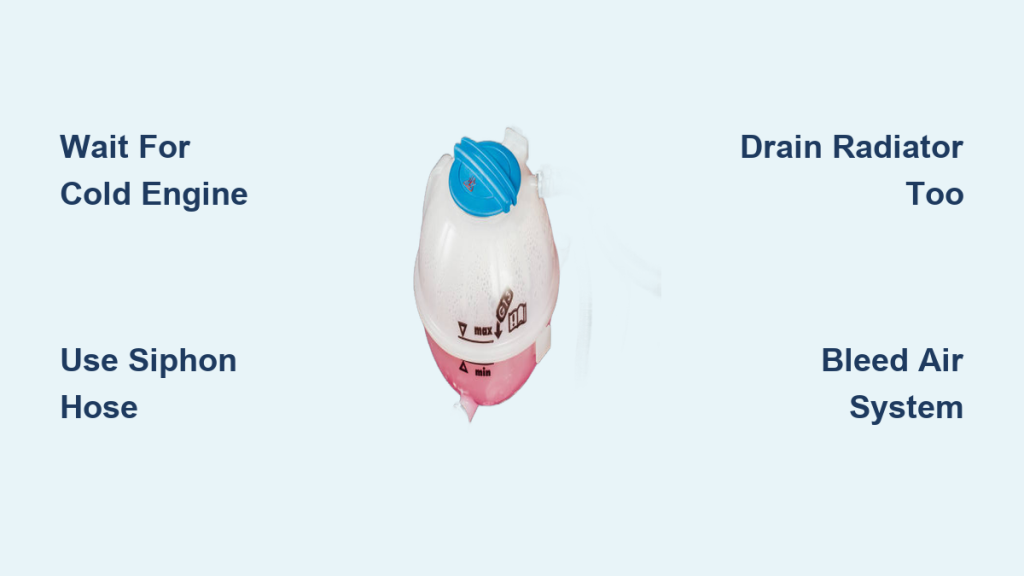
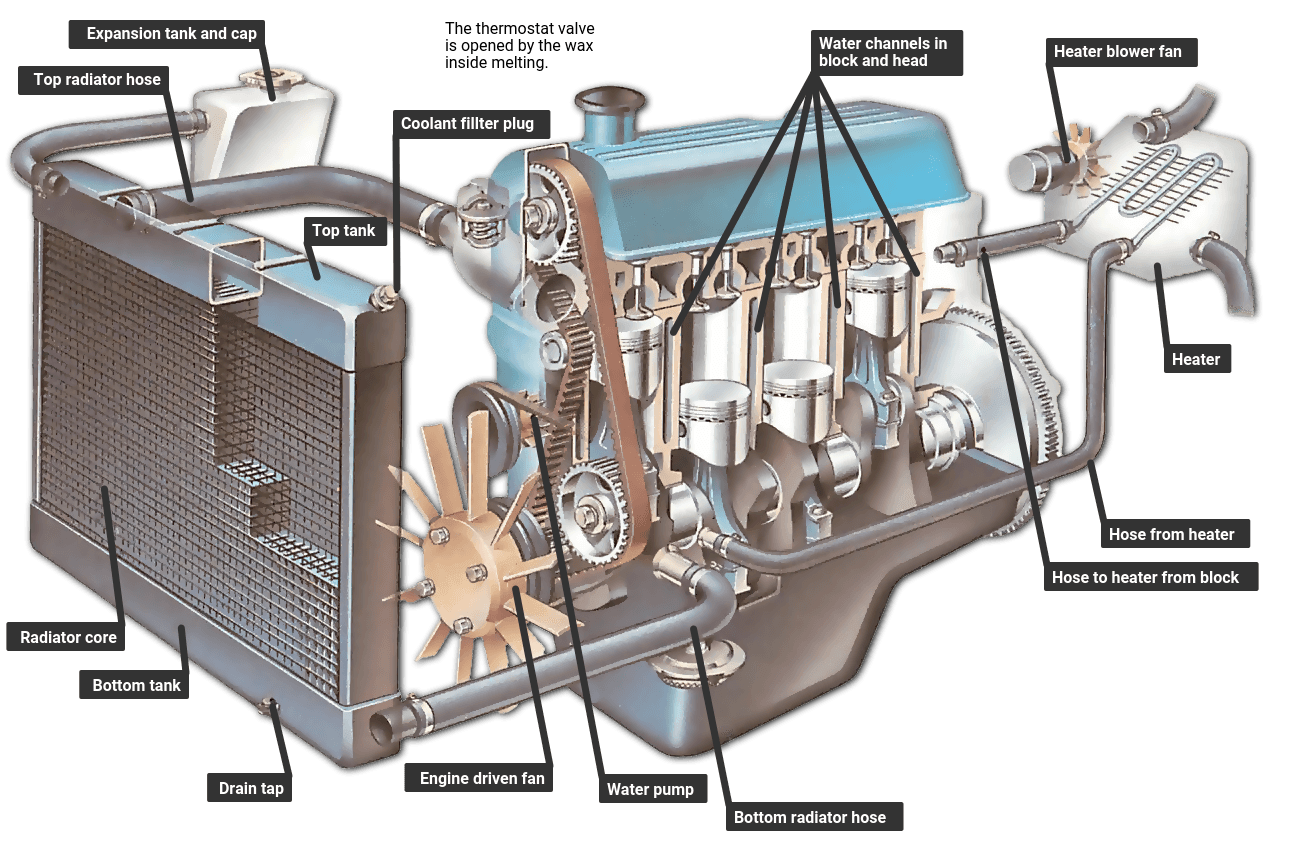
- Locate the translucent coolant reservoir.
- Verify fluid level between MIN and MAX lines.
- If low, top off with the correct type. Check your owner’s manual.
- Use 50/50 pre mixed coolant or mix with distilled water only. Never use tap water.
If the reservoir is empty, carefully remove the radiator cap when the engine is still cold and check the radiator itself. Top up if needed.
Warning: Never open the radiator cap when the engine is hot.
Look for Coolant Leaks
Persistent low coolant means a leak is present. Common sources include:
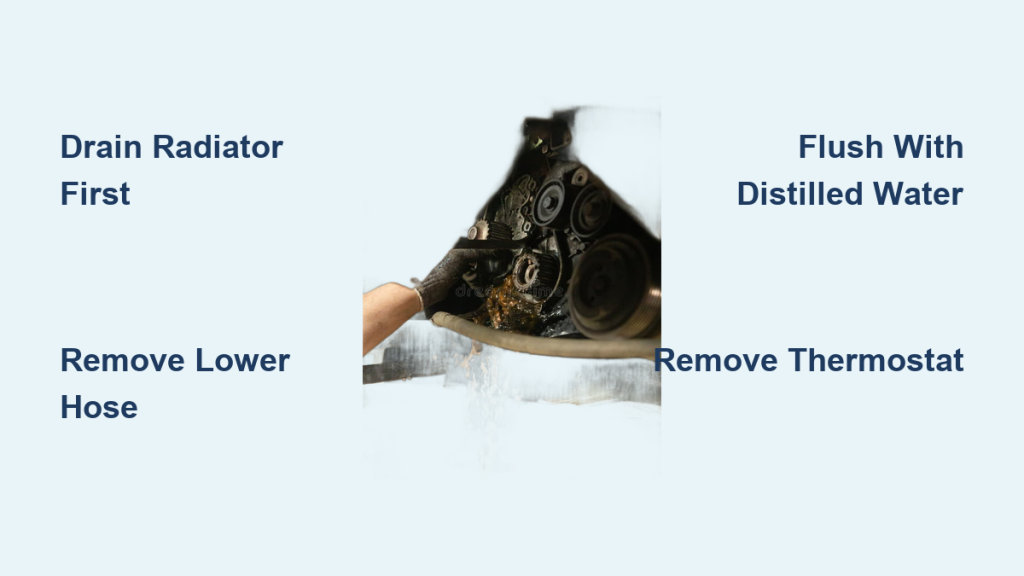
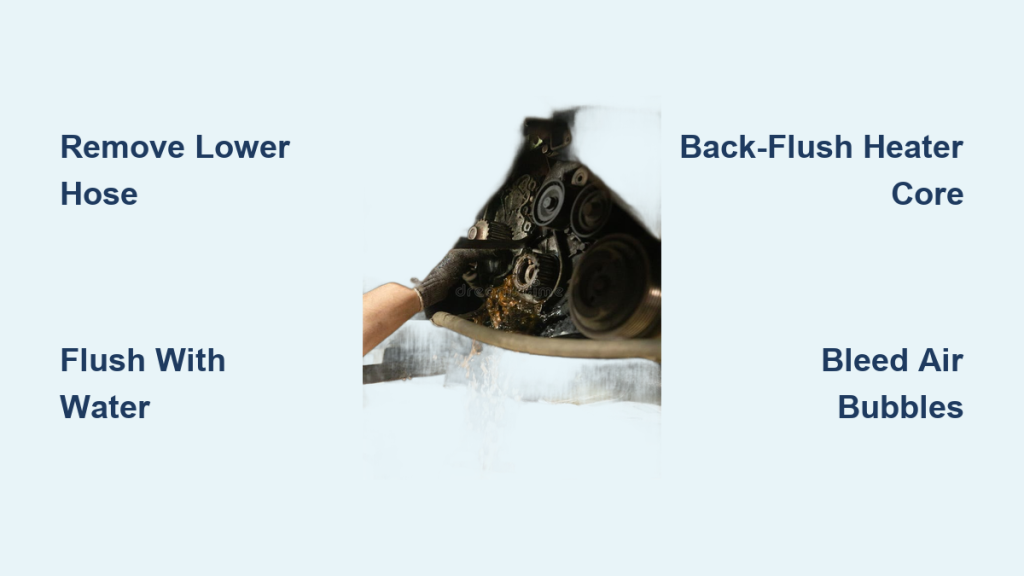
• Radiator hoses, especially the lower hose
• Water pump weep hole
• Heater core, which produces a sweet smell inside the cabin
• Radiator seams or plastic tanks
Inspect under the car for puddles. Coolant is typically green, orange, or pink. Use UV dye and a black light to find hidden leaks.
Test the Thermostat
A stuck closed thermostat prevents coolant flow, causing rapid overheating. Symptoms include:
• Engine overheats quickly
• Upper radiator hose stays cold
• AC fails within minutes of startup
Replace the thermostat if it is not opening at the rated temperature, usually 195°F. Use an OEM spec part for accurate operation.
Diagnose AC Compressor Behavior
Verify Compressor Clutch Engagement
The AC compressor is driven by a clutch that engages when cooling is needed. If low coolant causes overheating, the Engine Control Module may cut power to this clutch.
To check the compressor:
- Start the engine and turn AC to max.
- Open the hood and locate the compressor. It is at the front of the engine, belt driven.
- Listen for a click and watch for the center hub to spin.
No engagement? Possible causes include:
• High engine temperature due to ECM disable
• Low refrigerant pressure
• Electrical fault such as a bad fuse, relay, or wiring issue
If the compressor engages only when the engine is cool but cuts out when hot, overheating is the trigger.
Jump the Compressor to Test
Use a fused jumper wire to bypass the control circuit and power the compressor directly:
- Connect from battery positive to the compressor clutch connector.
- If the clutch engages and AC blows cold, the system works but something is disabling it.
If it only works when jumped and coolant is low, thermal shutdown is confirmed.
Rule Out Refrigerant Issues
Test Pressure Under Load

Checking AC pressure at idle can be misleading. A marginal refrigerant charge may appear normal when cold but fail under heat and load.
Use AC manifold gauges to test:
- Connect to low and high side service ports.
- Run engine at 2000 RPM with AC on max.
- Measure pressures.
Normal readings are:
• Low side: 32 to 35 psi
• High side: 150 to 250 psi
If pressures drop below 25 psi on the low side under load, refrigerant may be low even if it seemed fine at idle.
Do Not Confuse Coolant with Refrigerant
This is a critical distinction:
• Coolant regulates engine temperature. It is a mixture of water and antifreeze.
• Refrigerant cools the cabin. It is R-134a or R-1234yf.
They operate in separate, sealed systems. Low coolant does not affect refrigerant levels. But both systems rely on the radiator fan and underhood airflow.
Myth busted: Adding Freon does not fix low coolant related AC problems. A temporary cooldown from system operation might mask the real issue, which is overheating.
Assess Fan and Heat Management
Confirm Radiator Fan Operation
The same electric fan cools both the radiator and AC condenser. When the engine runs hot, the fan runs longer or at higher speed.
Check the fan:
- Start engine and let it warm up.
- At approximately 200°F, the fan should activate.
- Verify it runs continuously during overheating.
If the fan fails, both engine and AC suffer. But if the fan is working and the engine still overheats, coolant level or flow is the issue.
High Underhood Heat Reduces AC Efficiency
Even if the compressor stays on, hot air around the condenser reduces cooling efficiency. The AC system rejects heat to outside air, but if that air is 150°F or more under the hood, heat transfer slows.
This results in high side pressure rising, cooling drops, and the system may mimic low refrigerant symptoms.
This effect worsens with:
• Low coolant
• Dirty condenser fins
• Clogged radiator
• Weak fan output
Identify Lookalike AC Problems
Is It Low Refrigerant?
True refrigerant loss causes:
• Gradual decline in cooling over time
• Hissing sound from leaks
• Frost or ice on AC lines
• Low pressure on both gauges
Unlike thermal shutdown from low coolant, cooling does not return after cooldown unless refrigerant is recharged.
Failed Blend Door Actuator?
If AC runs cold but hot air mixes in, the blend door may be stuck. Symptoms include:
• Inconsistent cabin temperature
• Controls do not respond
• AC works but feels weak
This problem is unrelated to coolant. Diagnose with a temperature sweep test.
Bad ECT Sensor?
The Engine Coolant Temperature sensor tells the Engine Control Module how hot the engine is. If it fails and reads too high:
• ECM thinks the engine is overheating
• AC compressor shuts off prematurely
• Temperature gauge may read normal or erratic
A faulty ECT sensor can disable AC even with full coolant. Test with a scan tool for live data.
Repair the Root Cause
Fix Coolant Leaks Permanently
Topping off coolant is a temporary fix. To stop recurring AC issues:
- Pressure test the cooling system at 15 to 18 psi.
- Inspect hoses, radiator, water pump, and heater core.
- Replace leaking components.
A leaky lower radiator hose is a common source. Replacement stops the cycle of low coolant and AC failure.
Flush and Replace Old Coolant
Degraded coolant loses corrosion inhibitors and heat transfer ability. Over time this leads to:
• Sludge buildup in the system
• Reduced cooling efficiency
• Overheating under load
Flush every 30,000 to 100,000 miles per manufacturer schedule. Use the correct type:
• OAT for newer cars
• HOAT or IAT for older models
Replace Faulty Thermostat
A thermostat that does not open fully restricts coolant flow. Replace it if:
• Engine overheats quickly
• Heater output is weak
• Temperature fluctuates unexpectedly
Bleed air from the system after replacement to prevent vapor locks.
Prevent AC Shutdowns
Monthly Coolant Checks
Make it a habit:
• Check reservoir level monthly
• Top off if below MIN
• Look for color changes or sludge
Catching low coolant early prevents overheating and AC disruption.
Clean Radiator and Condenser
Dirt, bugs, and debris block airflow. Use a soft brush and water to clean:
• Front of radiator
• AC condenser behind radiator
• Fan blades
Do this annually, especially before summer.
Monitor Temperature Gauge
Watch for subtle rises. If the needle moves toward the red zone during city driving, investigate:
• Coolant level
• Fan operation
• Thermostat function
Early action saves engines and keeps AC running.
When to See a Mechanic
Persistent Coolant Loss
If you are adding coolant weekly, there is a leak. A mechanic can:
• Perform a pressure test
• Use UV dye to locate invisible leaks
• Check for head gasket failure indicated by milky oil or white exhaust smoke
Ignoring this risks catastrophic engine damage.
AC Fails with Overheating
If the AC consistently cuts out when the engine runs hot and you have ruled out refrigerant issues, cooling system repair is needed.
A professional can:
• Diagnose with live data from ECT sensor, fan control, and AC enable status
• Test thermostat and water pump function
• Flush and refill with correct coolant type
Suspected Head Gasket Failure
Signs include:
• Bubbles in coolant reservoir
• Milky oil on dipstick
• White smoke from exhaust
• Overheating with no visible leak
This requires immediate professional attention.
Key Takeaways for Low Coolant and AC Problems
Low engine coolant does not directly break your AC system, but it can shut the AC down to save your engine from damage. The fix is not more refrigerant. It is finding and fixing the coolant leak and addressing any overheating issues.
The most important points to remember are that coolant and refrigerant are separate systems, engine overheating triggers protective shutdown of the AC compressor, and AC may work on the highway but fail at idle due to heat buildup. Addressing overheating early keeps your cabin cool and your engine safe.
Frequently Asked Questions About Low Coolant and AC
Can low coolant cause AC to stop working?
Low coolant does not directly affect AC components, but it causes engine overheating. When the engine overheats, the Engine Control Module disables the AC compressor to protect the engine. This results in warm air from the vents.
Why does my AC work while driving but not at idle?
At highway speeds, airflow helps keep the engine cool. At idle, heat builds up quickly, especially with low coolant. This triggers thermal protection mode, which disables the AC compressor.
Should I add refrigerant if my AC blows warm air?
Not necessarily. Check the coolant level first. Adding refrigerant will not fix an overheating problem caused by low coolant. The issue is engine temperature, not refrigerant charge.
How do I know if low coolant is causing my AC problem?
Watch the temperature gauge. If it rises toward the red zone when the AC stops cooling, and cooling returns after the engine cools down, low coolant is likely the cause.
Can a bad temperature sensor cause AC problems?
Yes. A faulty Engine Coolant Temperature sensor can send incorrect high temperature signals to the Engine Control Module. This can cause premature AC shutdown even when coolant levels are normal.
Will adding coolant fix my AC?
If low coolant is the root cause, adding coolant will restore normal AC operation once the engine temperature stabilizes. However, you must also find and repair the source of the coolant leak to prevent the problem from returning.