
Frozen coolant can spell disaster for your engine. When temperatures drop, the fluid meant to protect your engine can turn from safeguard to threat, expanding as it freezes and cracking vital components like the engine block, radiator, or heater core. So, when does coolant freeze? The answer depends entirely on the mix of antifreeze and water in your system. Pure water freezes at 32°F (0°C), but a proper coolant blend can lower that point dramatically, down to -40°F (-40°C) or lower in extreme formulations. Most drivers rely on a 50/50 mix, which protects down to around 5°F (-15°C), but is that enough for your climate? In this guide, you will learn exactly how coolant behaves in cold weather, how to test your current protection level, and what steps to take to avoid costly winter breakdowns.
Coolant Freeze Points by Mix Ratio
The freezing point of engine coolant is not fixed. It changes based on how much antifreeze is mixed with water, and even small imbalances can leave your engine vulnerable to freezing damage.
Freeze Protection at Every Concentration
A 50/50 mix is the sweet spot for most drivers, offering strong freeze and boil-over protection while maintaining efficient heat transfer. But if you live where winter temperatures dip below 0°F, you may need a 60 to 70 percent antifreeze blend. Never exceed 70 percent because beyond that point, coolant loses its ability to absorb and move heat effectively, increasing the risk of overheating instead of freezing.
Why Balance Matters
Too little antifreeze means your engine risks freezing. Too much means you trade freeze protection for poor thermal performance. The chemistry behind this is simple: ethylene glycol disrupts water’s ability to form ice crystals. But pure antifreeze does not transfer heat as well as a balanced mix. That is why maximum freeze protection does not mean optimal engine protection.
Ideal Coolant Mix for Cold Climates
For reliable winter performance, your coolant must exceed local temperature lows by a safety margin of at least 10 to 15 degrees Fahrenheit.
The 50/50 Year-Round Standard
This ratio is factory recommended for most vehicles because it protects down to 5°F (-15°C), raises boiling point to 225 to 230°F (107 to 110°C), prevents corrosion, and lubricates the water pump. It is the best all-around choice for moderate winters in the Midwest, Northeast, and mountainous areas with occasional sub-zero cold.
When to Increase Antifreeze Concentration
If you face extended periods below 0°F, consider boosting antifreeze to 60 to 70 percent. This brings freeze protection to -25°F to -40°F depending on formulation. But never go beyond 70 percent because excess glycol reduces heat capacity and can cause overheating under load. Use a freeze-point tester to verify your mix before winter, and do not guess, especially if you have topped off with water.
How to Test Your Coolant Freeze Point
Knowing your coolant’s actual protection level is easy and critical. A simple floating ball or refractometer tester gives instant results for under ten dollars.
Using a Coolant Tester
Let the engine cool completely. Remove the radiator cap only when the engine is cold. Draw coolant into the tester and read which balls float or where the line falls on the scale. This takes less than five minutes and could save you thousands in repairs.
Interpreting Test Results
All balls floating means your protection is at or below -40°F, which is excellent freeze protection but may indicate over-concentration. Two balls floating indicates a 50/50 mix good to approximately 5°F, which is ideal for most regions. One ball floating suggests a weak mix around 20°F, which offers marginal protection and needs adjustment. No balls floating means you are at 32°F, indicating pure water or negligible antifreeze, which is immediate danger of freezing.
Coolant Types and Their Freeze Performance
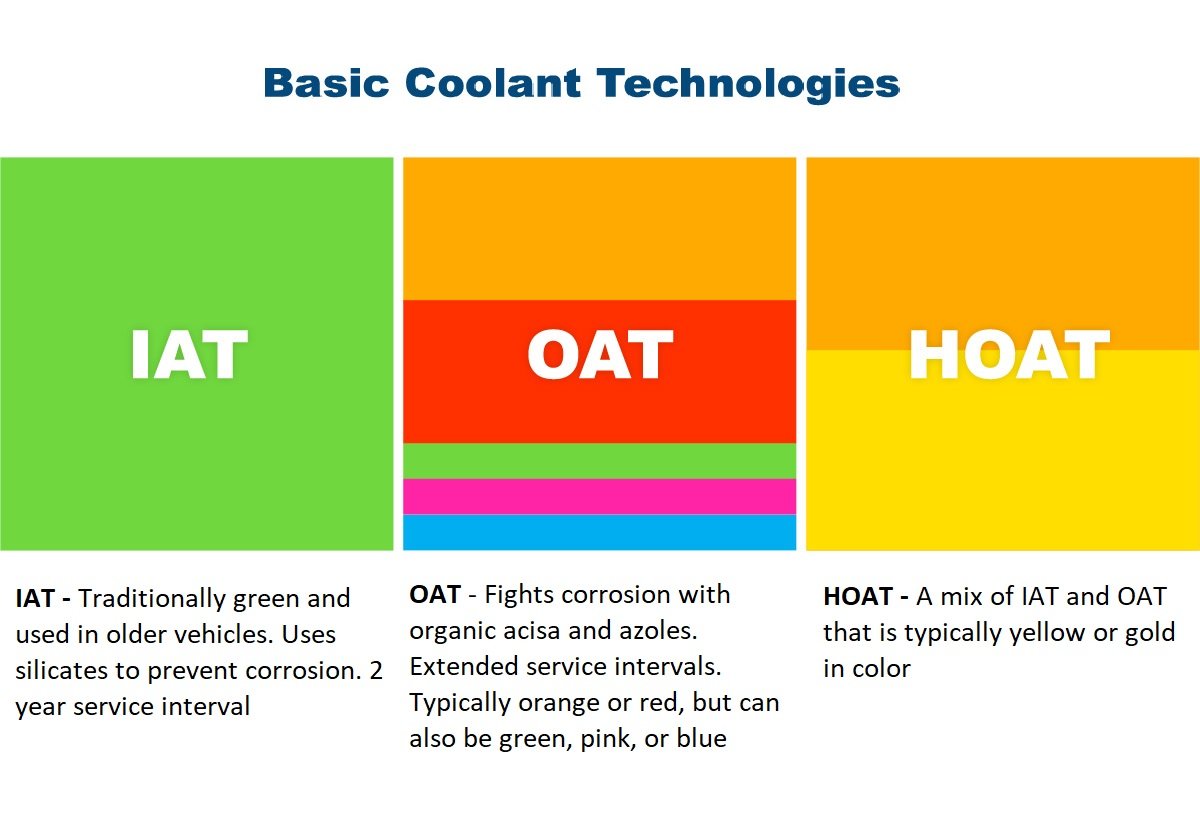
Not all antifreeze is the same. Different formulations offer varying freeze protection levels and service lives.
Compare Common Coolant Types
IAT coolants use ethylene glycol with silicates, appear in green, last 2 to 3 years, and provide approximately -34°F protection at 50/50. OAT coolants use organic acids like Dex-Cool, appear in orange or red, last 5 years, and provide approximately -37°F protection. HOAT coolants are hybrid formulas, appear in yellow or blue, last 5 years, and provide approximately -36°F protection. Propylene glycol coolants are less toxic, appear in pink or red, last 3 to 5 years, and provide approximately -30°F protection.
Can You Mix Coolant Types
Only mix different types if the manufacturer allows it. Mixing incompatible coolants can form sludge, clog passages, and reduce corrosion protection. When in doubt, flush and refill with the correct type specified in your owner’s manual.
Why Proper Mix Prevents Engine Damage
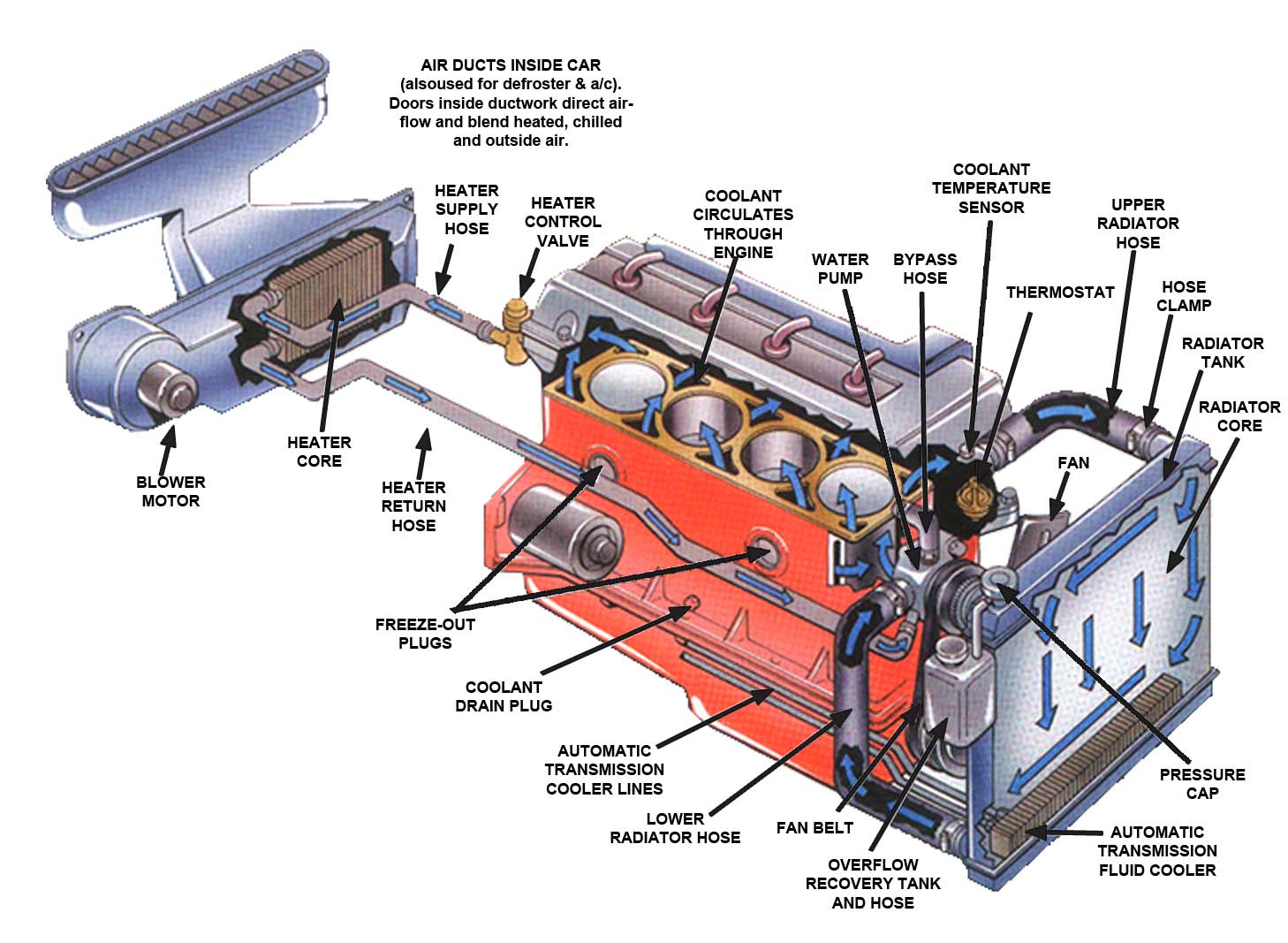
An incorrect coolant ratio does not just risk freezing. It threatens your entire engine with multiple failure modes.
Frozen Coolant Expands Rapidly
Water expands by 9 percent when it freezes. That pressure can crack cast iron engine blocks, split aluminum cylinder heads, and burst radiator tanks. Even partial freezing can block coolant flow, leading to overheating the next time you drive.
Corrosion and Lubrication Failures
Diluted coolant loses its ability to prevent rust in steel and iron parts, protect aluminum from pitting, and lubricate the water pump seal. A weak mix may save money short term but leads to premature water pump failure and internal corrosion.
Regional Cold Weather Guidelines
Your location determines exactly how much protection you need. Always aim for freeze protection 10 to 15°F below your area is coldest expected temperature.
Match Protection to Your Climate
Southern U8 regions with lowest temps of 20°F to 10°F should aim for -5°F to 0°F protection, requiring 40 to 50 percent antifreeze. Midwest and Northeast regions with lowest temps of -10°F to -20°F should aim for -25°F protection, requiring 60 to 70 percent antifreeze. Northern U8 and Canada regions with lowest temps of -30°F to -40°F should aim for -40°F or lower protection, requiring arctic-grade coolant and possibly a block heater.
Real-World Example
If your region hits -15°F, do not rely on 50/50 coolant which is good to approximately 5°F. Upgrade to a 70 percent mix or use a specialized low-temp formula. A few minutes of preparation prevents catastrophic engine damage.
Avoid These Coolant Mistakes
Even experienced drivers make preventable errors that lead to frozen engines and expensive repairs.
Topping Off with Water
Adding water dilutes antifreeze. Do it repeatedly and your 50/50 mix becomes 25/75, losing protection fast. After topping off, test the mix. If it is weak, perform a partial flush and rebalance to restore proper protection.
Using Tap Water
Minerals in tap water cause scaling and corrosion. Over time this reduces coolant flow and heat transfer. Always use distilled or deionized water when mixing coolant.
Ignoring Coolant Age
Old coolant loses additives. After 3 to 5 years depending on type, corrosion inhibitors degrade and leave your engine vulnerable. Replace coolant every 30,000 miles for IAT types or every 150,000 miles for OAT and HOAT types.
Extreme Cold: Extra Protection Needed
When temperatures plunge below -20°F, standard measures may not be enough to prevent freezing damage.
Use Arctic-Grade Coolant
Some manufacturers offer -60°F or -70°F formulations. These use advanced glycol blends and additives specifically designed for extreme conditions. Check your local auto parts store for winter-specific products.
Install an Engine Block Heater
A block heater keeps the engine warm overnight, ensuring easier cold starts, faster cabin heat, and reduced wear on the starter and battery. Plug it in 2 to 4 hours before driving, or leave it on overnight in extreme cold.
Use Radiator Insulation
A removable cover reduces cold airflow through the radiator when parked, helping the engine retain heat. This is especially useful for vehicles parked outdoors in extreme climates.
Coolant Safety and Disposal
Antifreeze is not just dangerous to engines. It is toxic to life and must be handled carefully.
Ethylene Glycol Dangers
It smells and tastes sweet, attracting pets and wildlife. Just 2 to 3 tablespoons can kill a dog. Symptoms of poisoning include vomiting, lethargy, and kidney failure. Clean up spills immediately, store coolant in sealed containers, use child-proof caps, and consider propylene glycol in pet-friendly households.
How to Dispose of Used Coolant
Never pour coolant on the ground or down drains. It is hazardous waste. Collect used fluid in a sealed container, label it used antifreeze, and take it to an auto parts store that offers free recycling, a hazardous waste facility, or a certified mechanic shop.
Maintenance Checklist for Winter
Stay ahead of winter with these proactive steps. Test coolant freeze point in early fall. Flush and replace if old or contaminated. Top off with premixed 50/50 or correct ratio. Inspect hoses, radiator, and reservoir for leaks. Install a block heater if you live in an extreme cold zone. Avoid mixing coolant types without verification. Never use water-only in emergencies unless stranded, and flush immediately afterward. Pay attention to warning signs like overheating, low coolant, or milky oil.
Key Takeaways for Preventing Coolant Freeze
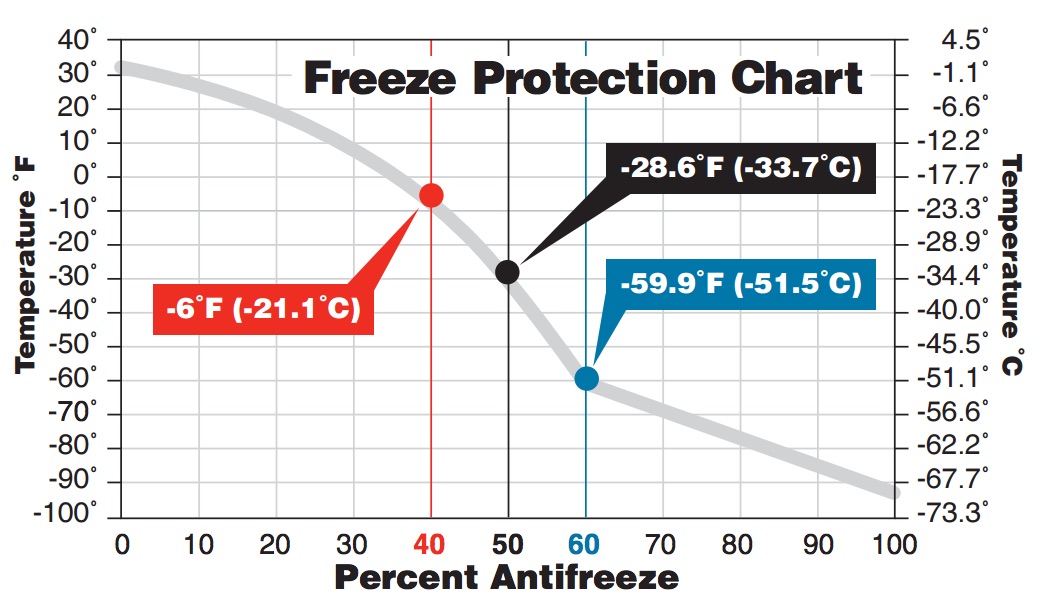
When does coolant freeze? It depends entirely on your mix. Pure water freezes at 32°F, so never use it alone in winter. A 50/50 mix protects to approximately 5°F, which is ideal for most drivers. You need 60 to 70 percent antifreeze when temperatures drop below 0°F. Test your coolant annually with a simple freeze-point tester. Never exceed 70 percent glycol because heat transfer drops significantly. Use the correct coolant type for your vehicle and never mix incompatible formulas. Dispose of old coolant safely because it is toxic to pets and wildlife.
Your coolant should protect 10 to 15°F below your area is coldest expected temperature. If you are unsure, test it. A few minutes now can save you from a cracked engine block and a $3,000 or more repair bill this winter.
Frequently Asked Questions About Coolant Freezing
At What Temperature Does Coolant Actually Freeze?
Coolant freezes at temperatures ranging from 32°F for pure water down to -60°F or lower depending on antifreeze concentration. A 50/50 mixture freezes at approximately 5°F to -10°F.
What Happens If Coolant Freezes in My Engine?
When coolant freezes, it expands by about 9 percent. This expansion cracks engine blocks, cylinder heads, radiators, and heater cores. Even partial freezing restricts coolant flow and causes overheating once the engine runs.
Can I Use Straight Antifreeze Instead of a Mix?
Straight antifreeze freezes at approximately 0°F and does not transfer heat efficiently. This causes poor engine cooling and potential overheating. Always mix with water according to manufacturer recommendations.
How Do I Know If My Coolant Is Too Diluted?
Use a freeze-point tester. If only one ball floats, your mix is around 25 percent antifreeze and offers only 20°F protection. If no balls float, you have pure water with 32°F freeze point.
What Is the Best Coolant Ratio for Winter Driving?
A 50/50 mix is best for most climates, protecting to 5°F. In regions below 0°F, increase to 60 to 70 percent antifreeze. Never exceed 70 percent because heat transfer suffers.
Should I Use Coolant With Higher Freeze Protection Year-Round?
No. Higher freeze protection means reduced heat transfer efficiency. Use the correct ratio for your climate and season. A 50/50 mix works year-round in most regions.