If your car’s heater blows cold air even when the engine is warm, the problem might not be the HVAC system at all. Yes, coolant directly affects heat in your vehicle. Coolant is the essential medium that carries thermal energy from the engine block to the heater core inside your dashboard. Without properly functioning coolant, whether due to low levels, contamination, or circulation problems, your heater simply cannot produce warm air.
This guide explains exactly how coolant impacts cabin heating, identifies the most common failure points, and provides actionable steps to diagnose and fix heat issues fast.
Low Coolant Levels: The Most Common Heat Killer
When coolant is low, the heater often stops working before the engine overheats. This happens because the heater core sits at one of the highest points in the cooling system, and air fills the space where liquid should be.
Why Low Coolant Kills Heat
Insufficient fluid volume means not enough hot coolant reaches the heater core. Even a small leak from a seeping hose or water pump seal can drop levels enough to cause cold air from the vents. Internal leaks like head gasket failure may send coolant into combustion chambers or the oil pan, causing it to disappear without visible puddles.
Signs of low coolant include:
- Frequent need to top off the reservoir
- Sweet, syrupy smell under the hood or inside the cabin
- Visible leaks (green, orange, pink, or blue fluid under the car)
- Steam from the engine bay when overheating occurs
Fix: Top off with the correct 50/50 mix of antifreeze and distilled water. Then pressure-test the system to find and repair leaks. Never ignore recurring low coolant, as it can lead to catastrophic engine damage.
Wrong Coolant Mix Reduces Heating Performance
Not all coolant is the same, and mixing types or ratios incorrectly can significantly hurt heating performance. Using the wrong mixture affects both engine protection and heat transfer efficiency.
The 50/50 Ratio Is the Gold Standard
Most manufacturers recommend a 50% coolant and 50% distilled water mix. In extreme cold, up to 70% antifreeze may be used for freeze protection down to -34°F. In hot climates, as low as 40% antifreeze is acceptable.
Problems caused by incorrect mixing:
- Too much water increases the risk of boiling and vapor lock, promotes corrosion if tap water is used, and reduces freeze protection
- Too much antifreeze lowers thermal conductivity (less heat transferred to the heater core), increases viscosity slowing circulation, and can form gel-like sludge when mixed with incompatible types
Never mix coolant types such as IAT, OAT, or HOAT unless your vehicle manual explicitly allows it.
Fix: Drain and refill with the correct type. Use premixed coolant or precisely measure distilled water and concentrate.
Air Locks Block Heat From Reaching Your Cabin
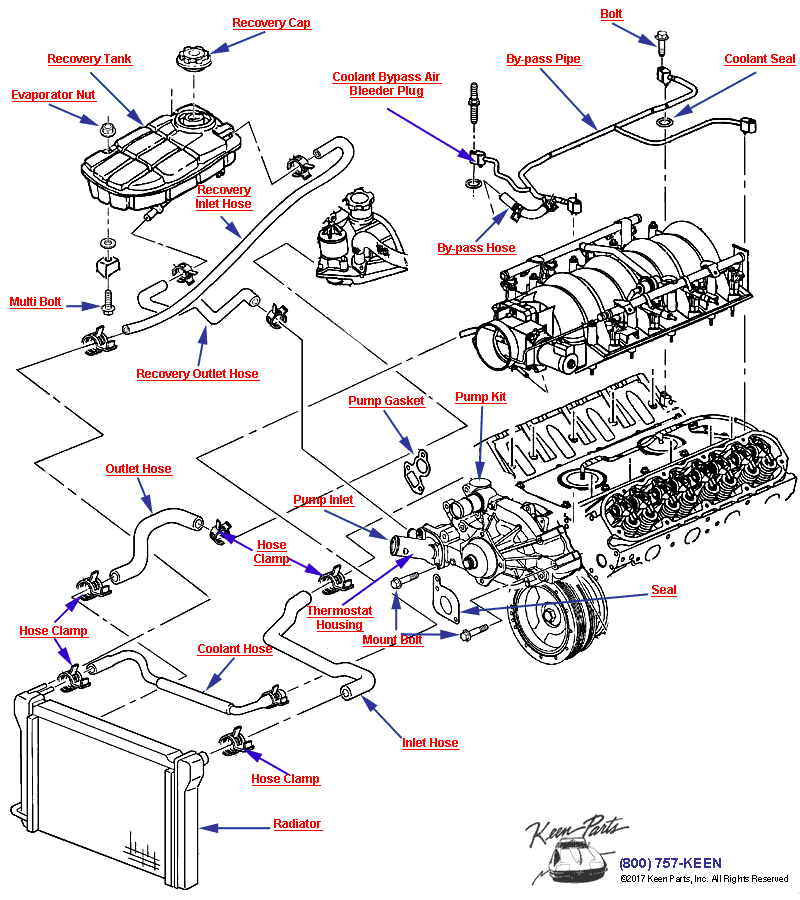
Air trapped in the cooling system is a silent killer of cabin heat. Since air does not transfer heat like liquid, it stops hot coolant from reaching the heater core entirely.
How Air Gets Trapped
Air accumulates after coolant service with improper refill, leaks that suck in air, overheating that creates vapor pockets, and high points in the system where air naturally collects.
Symptoms of air locks include:
- Gurgling or bubbling sounds from the dashboard
- Heater works intermittently or only at highway speeds
- Temperature gauge fluctuates wildly
- Engine takes much longer to warm up
Pro Tip: If the engine runs hot but the heater blows cold, suspect an air pocket in the heater core circuit.
Fix: Bleed the Cooling System
- Ensure the engine is completely cool before starting
- Remove the radiator cap if accessible and start the engine
- Let it idle with the heater on max heat and high fan
- Squeeze upper radiator and heater hoses to help purge air
- Keep topping off the reservoir until bubbles stop and the level stabilizes
- Some vehicles have dedicated bleed valves, so consult your service manual
For stubborn cases, a vacuum-fill tool used by professionals ensures complete air removal.
Clogged Heater Core Means No Warm Air

The heater core has tiny tubes that can clog with rust, sludge, or deposits from degraded coolant. When this happens, hot coolant cannot flow through effectively, and no heat reaches the cabin.
Causes of Heater Core Blockage
Old, acidic coolant eats away at metal surfaces. Mixing incompatible coolants causes chemical reactions and deposits. Using stop-leak products leaves residue that clogs narrow passages. Never flushing the system allows buildup to accumulate over time.
How to Diagnose a Clogged Core
Warm up the engine to 195°F or higher. Feel both heater hoses where they connect to the firewall. Both hoses should be equally hot. If one is hot and the other is cold, you likely have a blockage.
A clogged core may also leak coolant into the cabin, causing a sweet smell or foggy windows.
Fix: Reverse Flush the Heater Core
- Disconnect both heater hoses at the firewall
- Flush water in reverse (from outlet to inlet) using a garden hose
- For stubborn gunk, use a cooling system cleaner before flushing
- Reconnect hoses, refill coolant, and bleed the system thoroughly
If flushing fails, the heater core must be replaced, which is a labor-intensive job costing $800 to $1,200 or more.
Stuck-Open Thermostat Prevents Cabin Heating
The thermostat regulates engine temperature. If it fails in the open position, coolant flows continuously even when the engine is cold, preventing the system from reaching optimal operating temperature.
Result of a Stuck-Open Thermostat
The engine never reaches its normal operating temperature. Coolant stays too cool to heat the cabin effectively. The temperature gauge reads below normal. The heater blows lukewarm or cold air even after 10 minutes or more of driving.
This is one of the most overlooked causes of no heat.
How to Test
Start the engine cold and monitor the temperature gauge. If it takes more than 10 minutes to reach the normal range or never gets there at all, suspect a stuck-open thermostat.
Fix: Replace the thermostat. It is inexpensive and often done during coolant flushes. Always use the OEM-specified temperature rating, typically between 180°F and 200°F.
Failing Water Pump Reduces Coolant Flow

The water pump circulates coolant throughout the entire system. If the impeller is corroded or the bearing is worn, flow drops significantly, meaning less heat reaches the heater core.
Signs of a Bad Water Pump
Coolant leak at the weep hole (small drip below the pump) is a common indicator. Whining, grinding, or squealing noise from the front of the engine suggests bearing failure. Overheating or fluctuating temperatures occur when circulation is compromised. One heater hose feels hot while the other feels cool.
Even with full coolant and a working thermostat, poor circulation equals poor heat.
Fix: Replace the water pump. On many vehicles, it is part of the timing belt job, so if your timing belt is due for replacement, handle both simultaneously.
Blend Door vs. Coolant: Don’t Confuse the Two
A blend door motor controls airflow between the heater core and bypass duct. If it fails stuck in the cold position, you get cold air even with perfect coolant flow. This is a common misdiagnosis that leads to unnecessary coolant system repairs.
How to Tell the Difference
Coolant issues affect fluid temperature and flow. Blend door issues affect air routing. If both heater hoses are hot but the air is cold, the blend door is likely stuck. If the heater hoses are cold or one is cool, the problem is in the cooling system.
Test: Switch between hot and cold settings and listen for a clicking or whirring sound under the dash. No movement means the blend door actuator may be dead.
Quick Diagnostic Steps to Identify Coolant-Related Heat Problems
Follow this systematic approach to determine whether coolant is causing your heating issues.
Step 1: Ensure the engine is cool before opening anything.
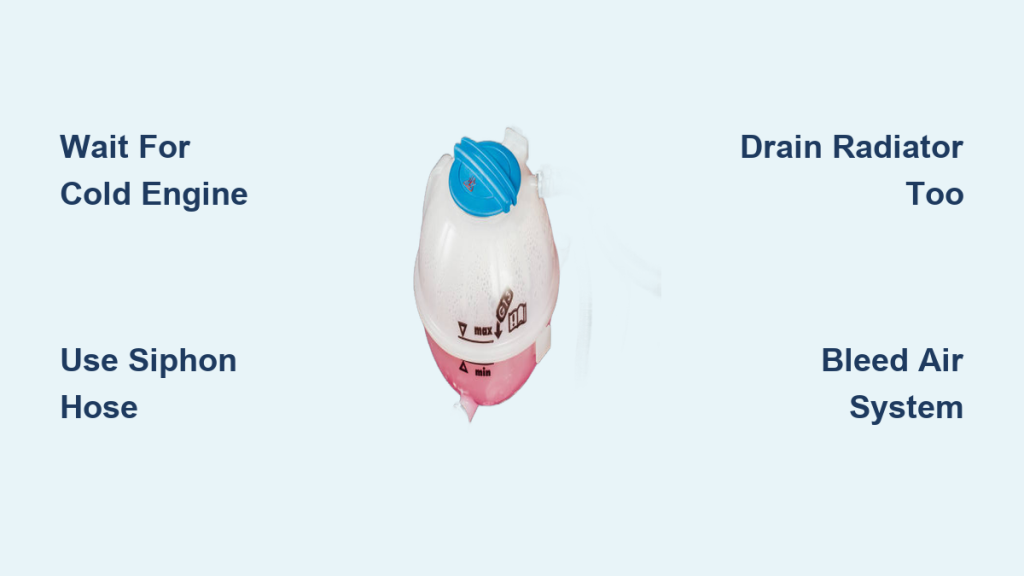
Step 2: Check coolant level in both the radiator and overflow reservoir. Top off if low with the correct 50/50 mix.
Step 3: Inspect for visible leaks around hoses, radiator, water pump, and heater core connections.
Step 4: Bleed the cooling system by running the engine with the cap off (when safe) until all bubbles cease.
Step 5: With the engine at operating temperature, feel both heater hoses at the firewall. Both should be equally hot.
Step 6: Test cabin heat at idle and while driving to confirm sustained performance.
Maintenance That Prevents Heat System Failures
Regular maintenance prevents most coolant-related heating problems before they start.
Recommended tasks and schedules:
- Check coolant level monthly to catch leaks early
- Inspect coolant color every oil change; murky or rusty fluid needs replacement
- Flush and refill the system every 30,000 to 100,000 miles to remove sludge and restore heat transfer
- Always use the correct coolant type to prevent clogs and corrosion
- Bleed the system after any coolant service to prevent air locks
- Replace the thermostat every 100,000 miles or during coolant flushes to avoid stuck-open failures
- Replace the radiator cap every 3 to 5 years to maintain proper pressure and boiling point
Pro Tip: Follow your owner’s manual. Modern HOAT or OAT coolants last longer, but only if you never mix types.
Can You Drive Without Heat?
Yes, but not safely in winter. No heat means no defrost capability, leading to icy windshields and poor visibility. Passenger discomfort increases distraction risk. More importantly, no heat often signals a cooling system problem that could lead to overheating, head gasket failure, or engine warping.
A broken heater is not just a comfort issue. It is a warning sign that should be addressed promptly.
Final Answer: Does Coolant Affect Heat?
Yes, absolutely. Coolant is the lifeblood of your heating system. It carries heat from the engine to the cabin. No coolant means no heat. Old, mixed, or low coolant means weak or failed heating.
Top 5 Coolant-Related Heat Problems:
- Low coolant level (most common)
- Air pockets in the system
- Clogged heater core
- Stuck-open thermostat
- Failing water pump
Fixing coolant issues is often faster, cheaper, and safer than replacing HVAC parts. Always rule out coolant problems first when your heater fails.
Keep these habits: Check coolant monthly, flush every 3 to 5 years, use the right type, bleed after service, and fix leaks immediately. With a healthy cooling system, you will stay warm in winter and protect your engine year-round.
Frequently Asked Questions About Coolant and Heat
Does coolant affect heat in a car?
Yes. Coolant carries heat from the engine to the heater core, where it warms cabin air. Low, old, or poorly circulating coolant prevents the heater from producing warm air.
Can low coolant cause no heat?
Yes. Without sufficient coolant, there is not enough hot fluid to transfer heat to the heater core. This results in cold air blowing from the vents even when the engine is running normally.
Why is my heater blowing cold air when the engine is hot?
Possible causes include air trapped in the cooling system, a clogged heater core, a faulty thermostat stuck in the open position, low coolant level, or a failed water pump. Despite a hot engine, these issues prevent hot coolant from reaching the heater core.
Does coolant type matter for heating performance?
Yes. Using incorrect or mixed coolant types can cause chemical reactions forming sludge, corrosion of metal parts, and reduced heat transfer. Always use the type specified by the vehicle manufacturer.
How long should it take for the heater to produce warm air?
Under normal conditions, the heater should begin delivering warm air within 5 to 10 minutes of engine startup. Longer warm-up times suggest coolant, thermostat, or air pocket issues.
Can a radiator flush fix no heat?
Yes, in cases where sludge or debris is clogging the heater core or cooling passages, a thorough flush can restore proper flow and heating performance. However, it will not fix leaks, air locks, or mechanical failures.