
You’ve noticed your car’s coolant level is dropping, but there’s no visible leak under the vehicle. You top it off, and a few weeks later, it’s low again. Could coolant simply be evaporating over time? This is a common question among drivers, and the answer isn’t as straightforward as you might think. Coolant does not naturally evaporate under normal operating conditions, but minor loss can occur due to specific environmental factors and system design. The reality is that most coolant disappearance is caused by leaks, either external or internal, not evaporation.
This guide provides a clear, expert-backed breakdown of how coolant systems work, what causes actual fluid loss, and when you should be concerned. You’ll learn to distinguish between normal and abnormal coolant loss, identify hidden leaks, and take action before your engine overheats or suffers permanent damage.
Closed-Loop System Prevents Evaporation
Modern vehicles use a closed-loop, pressurized cooling system specifically designed to retain coolant indefinitely. The system works by continuously circulating coolant through the engine block, radiator, water pump, heater core, and expansion tank without exposure to open air. A radiator pressure cap maintains system pressure typically between 13 and 18 psi, which raises the boiling point of the coolant and prevents vapor loss.
Coolant is typically a 50/50 mix of ethylene glycol antifreeze and water. While pure water can evaporate at high temperatures, the antifreeze component significantly increases the mixture’s boiling point, raising it to around 129°C (265°F) under pressure. This makes true evaporation extremely rare during regular operation. If your cooling system is intact and functioning properly, coolant should not disappear on its own.
Minor Evaporation from Overflow Tank
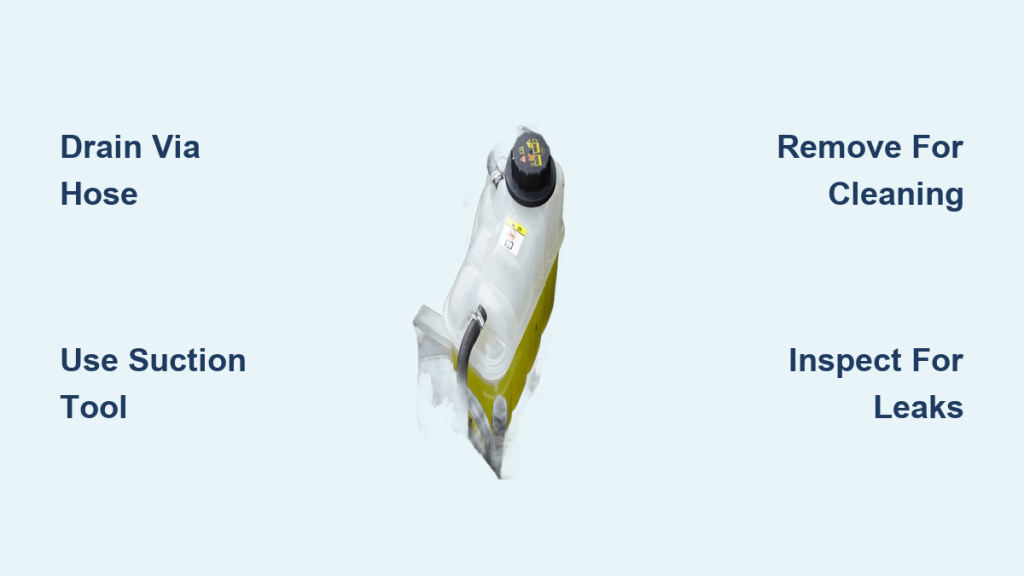
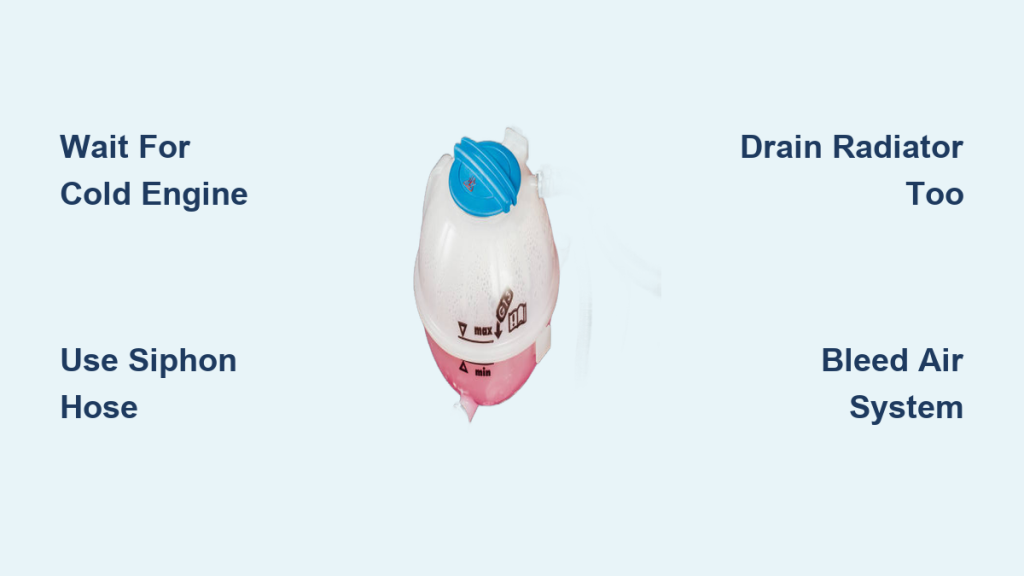
The expansion (overflow) tank is vented to allow for pressure and temperature changes within the system. In hot, dry climates, the water component of coolant can slowly evaporate through this vent. This represents one of the few legitimate cases of natural coolant loss.
This type of evaporation is most noticeable in vehicles parked in direct sunlight or driven in desert conditions. Loss typically amounts to less than 500 mL over six months. Only the water portion evaporates, which can gradually alter the mix ratio over time. This small-scale evaporation falls within acceptable limits and does not indicate a mechanical fault.
Pressure Cap Failure Mimics Evaporation
A failing radiator pressure cap can release coolant prematurely, making it seem like evaporation is happening when it’s actually pressure-induced expulsion. When the cap loses its ability to hold system pressure, coolant boils at a lower temperature and vents into the overflow tank. This can cause excess fluid to overflow or evaporate from the reservoir.
White crusty deposits around the cap or neck indicate repeated boiling and venting. Replace pressure caps every five to seven years or if you notice frequent coolant loss with no visible leak.
Air Pockets Cause False Low Readings
After coolant replacement or system servicing, air trapped in hoses or the engine block expands when heated. This pushes coolant into the overflow tank. When the engine cools, the air contracts, but the coolant may not fully return, creating the illusion of fluid loss.
This commonly occurs after repairs or flushes. The level typically stabilizes after two to three heat cycles. This is not a sign of leakage or evaporation. Bleed the system properly after refilling to remove air pockets and ensure accurate readings.
Normal vs. Abnormal Coolant Loss
Not all coolant loss is equal. Some reduction is expected, while persistent or large-volume loss indicates a serious problem.
Acceptable Coolant Loss
Minor fluid reduction is normal, especially in older vehicles or extreme climates. Over three to six months, acceptable loss is up to 500 mL, which includes vent evaporation and microscopic seepage. Over one year, a healthy system should not lose more than 0.5 L. This equates to less than 4% of total system volume, which typically ranges from 6 to 12 L. If your car loses less than 500 mL every six months, it’s likely within normal range.
Warning Signs of Serious Problems
Any loss beyond acceptable thresholds suggests a leak or mechanical failure. More than 500 mL per month requires diagnostic inspection. Weekly top-ups mean you need an immediate professional check. Visible drips or stains indicate an external leak requiring repair. White exhaust smoke suggests an internal leak that needs testing. Milky oil on the dipstick means you should stop driving immediately due to engine damage risk.
External Leaks: Visible Coolant Escape
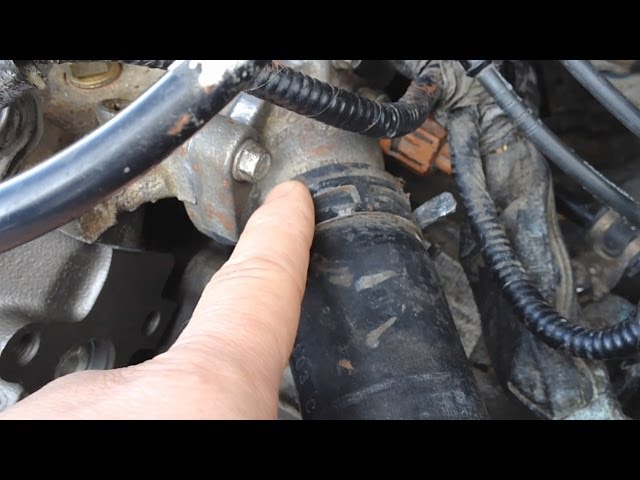
Most coolant loss comes from external leaks in hoses, clamps, or components. Identifying these early prevents more serious damage.
Common Leak Sources
Several components commonly develop leaks. Cracked or swollen hoses, especially at bends or connections, are frequent culprits. Radiator corrosion or impact damage can cause leaks. Water pump seal failure leads to leaks from the weep hole. Loose or corroded clamps allow coolant to escape. Heater core lines and their connections can also develop leaks.
Park overnight on a clean surface with cardboard underneath your vehicle. Look for green, orange, or yellow stains in the morning to pinpoint leak locations.
How to Find Hidden Leaks
Some leaks only appear when the engine is hot and under pressure, making them harder to detect.
Perform a visual inspection by checking all hoses, radiator fins, and connections. Look for wet spots, dried residue, or softened rubber. Shine a flashlight into tight spaces like areas behind the alternator.
Use UV dye and black light by adding fluorescent dye to the coolant reservoir. Run the engine for 15 to 20 minutes, then scan with UV light to reveal glowing leaks. This method detects pinhole leaks invisible to the naked eye.
Internal Leaks: Coolant Gone Without a Trace
When there’s no puddle but coolant keeps disappearing, the problem is likely internal. These leaks can cause severe engine damage if not addressed promptly.
Blown Head Gasket: Top Cause
A failed head gasket allows coolant to enter the combustion chamber or oil passages. Symptoms include white smoke from the exhaust, especially at startup. You may notice a sweet smell from the tailpipe. Bubbles may appear in the radiator when the engine runs. Overheating occurs with no external leak present. The oil on the dipstick appears milky and frothy.
Use a combustion leak tester (block test). If the fluid turns from blue to yellow, exhaust gases are in the coolant, confirming a head gasket or crack.
Cracked Engine Block or Head
Less common but more serious, cracks can develop due to overheating, freezing, or metal fatigue. Symptoms resemble head gasket failure. Confirmation often requires engine teardown. Repair may involve welding, sleeving, or replacement. Thermal imaging helps identify hot spots indicating poor cooling in cracked areas.
Intake Manifold Gasket Leak
This is common in aluminum-intake engines like certain GM and Ford models. Coolant leaks into intake ports, causing rough idle, misfires, or white exhaust. May not leave external traces. Diagnosis involves pressure testing or dye inspection of the intake valley.
Coolant Burning and Mixing: Silent Engine Killers
Internal leaks can allow coolant to enter areas where it causes severe damage without leaving visible evidence.
Coolant Burned in Combustion Chamber
When coolant enters a cylinder, it turns to steam and exits as white vapor. This is often mistaken for normal exhaust condensation. Persistent white smoke indicates a problem. Coolant can foul spark plugs or cause misfires. Unlike water from normal combustion, coolant produces a distinct sweet odor.
Coolant Mixing with Oil
Internal leaks can allow coolant to enter the crankcase. It forms an emulsion that looks like chocolate milk. This reduces lubrication and increases wear dramatically. It can lead to hydro-lock or spun bearings. If you see milky residue under the oil cap or on the dipstick, do not drive the vehicle. Engine failure is imminent.
Diagnostic Tests to Pinpoint the Cause
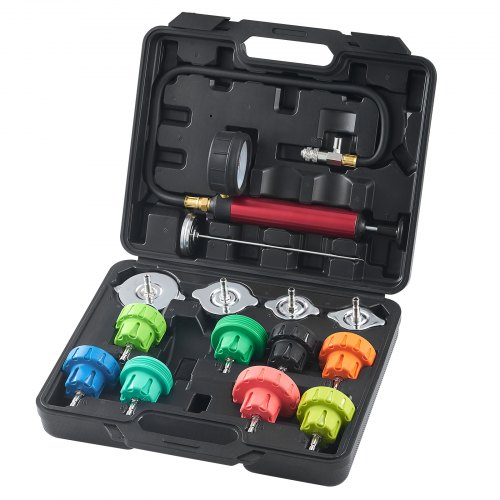
Don’t guess about the source of coolant loss. These professional methods identify the real issue accurately.
Cooling System Pressure Test
Use a hand pump to pressurize the system. Hold at 13 to 18 psi to match the cap rating. Watch the gauge for pressure drop over 10 to 15 minutes. Inspect for drips, seepage, or bubbling. This test identifies external leaks and weak radiator caps.
Combustion Leak Test (Block Test)
Install a chemical tester on the radiator neck. Run the engine and observe fluid color. Blue to yellow indicates hydrocarbons in the coolant, confirming head gasket or crack. This is the most reliable non-invasive test for internal leaks.
Thermal Imaging Scan
Use an infrared camera on the radiator and engine. This detects coolant flow restrictions or clogged tubes. It reveals hot spots indicating poor cooling. Useful for diagnosing partial blockages or air pockets.
Temporary vs. Permanent Fixes
Understanding the difference between short-term solutions and lasting repairs saves money and prevents breakdowns.
Stop Leak Products: Short-Term Solutions
Use stop leak products for small external seepage, minor internal leaks like hairline cracks, or when you need to get home or buy time before a proper repair. To apply, add the full bottle to the radiator or reservoir. Run the engine for 10 minutes. Let it sit for 12 or more hours for the sealant to cure. Warning: Overuse can clog the heater core or radiator. Stop leak is not a permanent fix.
Permanent Repairs
Replace leaking hoses with OEM-spec components. Repair or replace radiator cores that leak. Replace water pumps and thermostats when seals fail. Remove the head, resurface it, and replace the gasket for blown head gaskets. Weld, sleeve, or replace the engine for cracked blocks. Install the correct pressure-rated cap for faulty pressure caps. Always bleed the cooling system after any repair to prevent air pockets and false low readings.
Preventive Maintenance Checklist
Avoid coolant loss before it starts with routine maintenance and careful monitoring.
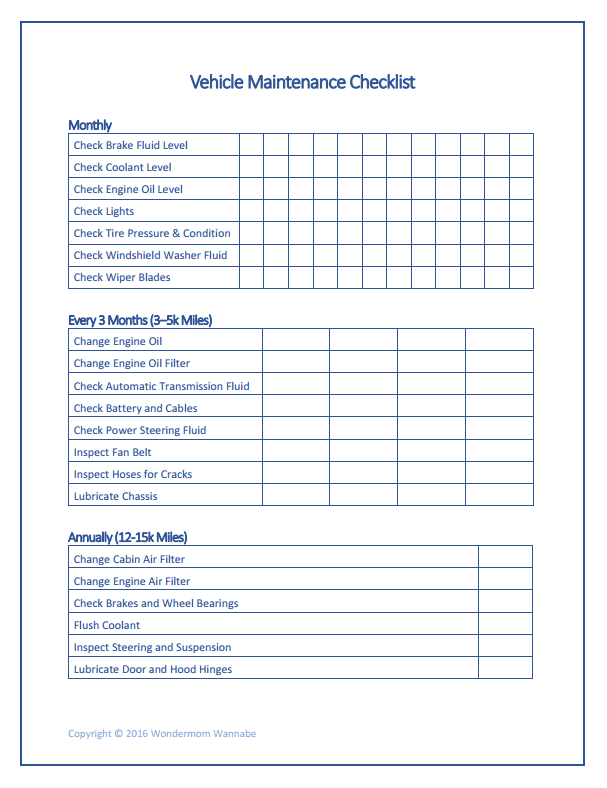
Monthly Coolant Check
Inspect the coolant level in a cold engine. Ensure it sits between MIN and MAX marks on the reservoir. Top off with 50/50 premix if needed. Never open the radiator cap on a hot engine due to scalding risk.
Use Correct Coolant Type
Follow manufacturer specifications for coolant type (OAT, HOAT, or IAT). Avoid mixing different types, which can cause gel formation. Use distilled water only when mixing coolant.
Replace Components on Schedule
Replace the radiator cap every five to seven years. Replace hoses every five to years or if cracked or swollen. Perform coolant flushes every two to five years, checking your owner’s manual. Fresh coolant prevents corrosion, scale, and cavitation.
Avoid Overheating at All Costs
Overheating warps cylinder heads, cracks engine blocks, and blows head gaskets. If your temperature gauge rises, pull over and cool down immediately. Address cooling fan, thermostat, or water pump issues without delay.
Does Coolant Naturally Evaporate? The Final Answer
No, coolant does not naturally or significantly evaporate in a properly functioning closed-loop cooling system. The sealed design prevents fluid loss, and any evaporation is limited to small amounts from the overflow tank vent, primarily in hot, dry climates. True evaporation accounts for less than 500 mL over six months, far less than what most drivers report when experiencing coolant loss.
Real coolant loss almost always stems from external leaks (hoses, radiator, water pump), internal leaks (head gasket, cracked block), pressure cap failure, or air purge after refilling. Understanding this distinction helps you diagnose the actual problem rather than accepting false explanations.
Key Takeaways for Drivers
Coolant loss exceeding 500 mL per month indicates a problem requiring diagnosis. No visible puddle does not mean no leak, as internal leaks leave no trace. White exhaust smoke or milky oil means stop driving immediately and inspect. Regular coolant checks prevent costly engine failures. Topping off coolant is not a fix; you must diagnose the underlying cause.
By understanding that coolant doesn’t just disappear through evaporation, you can catch issues early and avoid expensive repairs. Monitor your levels consistently, know the warning signs, and act fast when something seems off. Your engine’s longevity depends on it.
Frequently Asked Questions About Coolant Evaporation
Can coolant evaporate from the overflow tank?
Yes, but only minimally. The overflow tank is vented, and in hot, dry climates, the water component can slowly evaporate through this vent. This accounts for less than 500 mL over six months, which is considered normal.
How much coolant loss is considered normal?
Up to 500 mL over six months is within acceptable limits for a healthy system. This represents less than 4% of total system volume. Any loss beyond this threshold indicates a leak or mechanical issue.
Why does my coolant keep disappearing with no visible leak?
Internal leaks are likely the cause. A blown head gasket, cracked engine block, or intake manifold gasket can allow coolant to enter the combustion chamber or oil passages without leaving external traces. White exhaust smoke or milky oil on the dipstick confirms this.
Does the pressure cap affect coolant loss?
Yes, a failing pressure cap can cause coolant loss that mimics evaporation. A weak cap releases system pressure prematurely, causing coolant to boil at lower temperatures and vent into the overflow tank. Replace caps every five to seven years.
Can I drive with minor coolant loss?
Driving with minor coolant loss is risky if the loss continues. Small leaks can become major problems quickly. If you need to add coolant more than once monthly, have the system inspected professionally before driving long distances.