
If your reef tank gurgles loudly or risks flooding, the wrong overflow system is likely to blame. Choosing the correct reef tank overflow types ensures stable water levels and protects your home from disaster.
This guide details every major design, from drilled Durso pipes to coast-to-coast weirs, so you can select the safest option. You will learn how each system manages flow, why drilled beats siphon-based setups, and which configuration offers the best noise control for your specific aquarium.
Drilled vs Non-Drilled Overflow Systems
The first critical choice involves whether your aquarium glass will be permanently modified. This decision dictates your safety margin and long-term reliability.
Why Drilled Systems Are the Gold Standard
Drilled overflows use holes in the glass to let gravity drain water directly to the sump. These setups eliminate fragile siphons and support advanced plumbing like Herbie or BeanAnimal drains. Because they do not rely on air-tight seals to function, they offer superior reliability for permanent installations.
The Dangers of Non-Drilled Siphon Units
Non-drilled options hang on the back of the tank and use U-tubes to pull water out via siphon action. These systems frequently fail due to air locks or power fluctuations, causing the return pump to flood the room while the drain stops working. Experts strongly advise against using these for any tank larger than a temporary setup.
Making the Right Choice for Your Tank
For any reef tank over 50 gallons, a drilled system is the only recommended path for peace of mind. Non-drilled units may work for small fish-only bowls but require constant monitoring to prevent catastrophic failure. Investing in a drilled tank pays off by removing the risk of siphon breakage entirely.
Herbie vs Durso vs BeanAnimal Drain Styles
Once you have a drilled tank, the standpipe configuration determines your noise levels and flow capacity. The three dominant styles are Durso, Herbie, and BeanAnimal.
Durso Standpipe: Simple But Limited
The Durso uses a single pipe with a small vent hole to prevent a full siphon from forming. It is quiet at low flows under 250 GPH but begins to gurgle loudly as flow increases. The major downside is the lack of an emergency backup, meaning a single clog can cause an overflow.
Herbie Overflow: Quiet and Safe
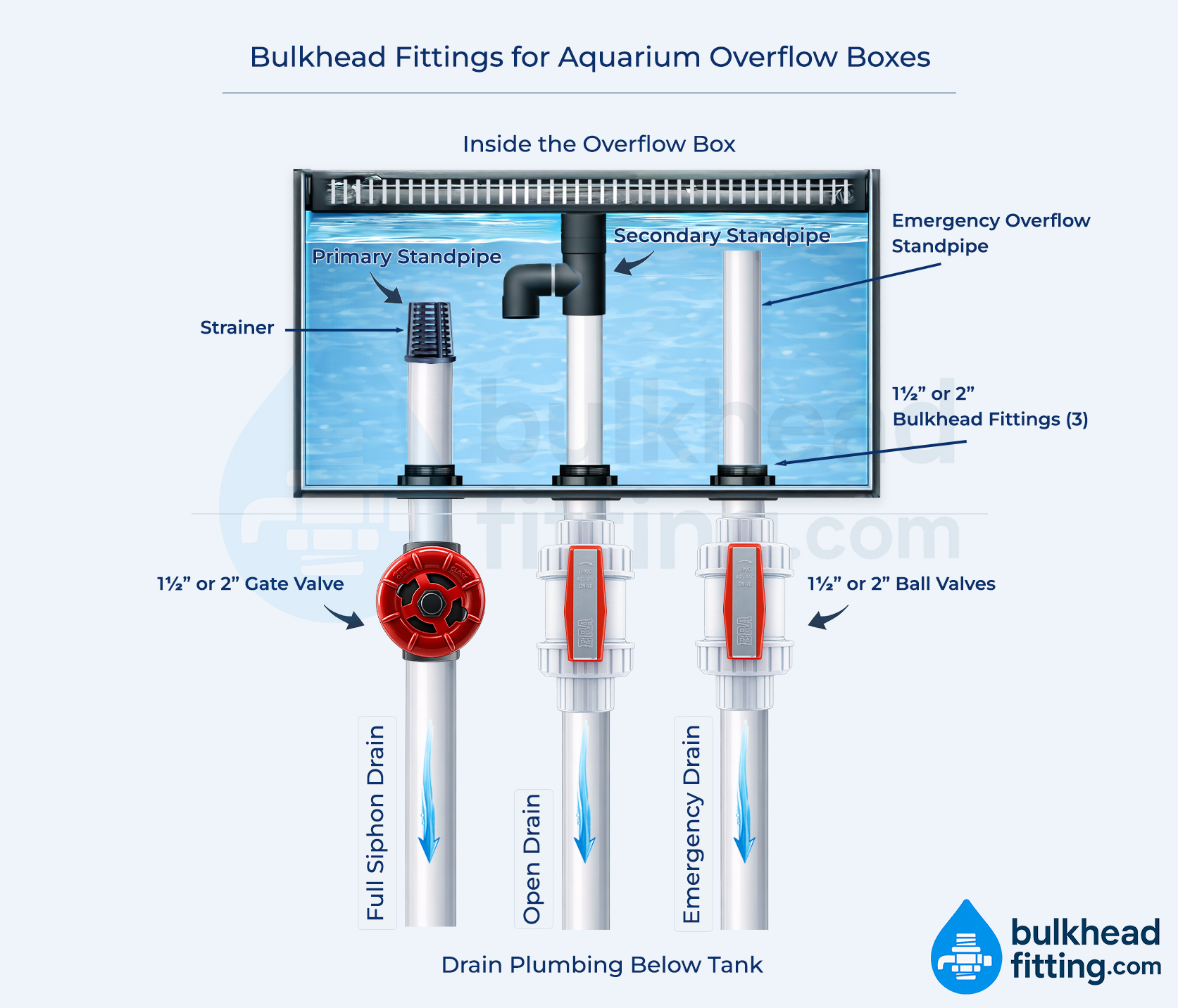
The Herbie system utilizes two standpipes: a main siphon drain with a gate valve and a taller emergency drain. You can fine-tune the main valve to eliminate noise while the backup pipe remains dry until a clog occurs. This design handles over 1000 GPH silently and provides a critical fail-safe for most reef tanks.
BeanAnimal Overflow: Maximum Redundancy
The BeanAnimal combines a main siphon, a vented Durso-style pipe, and a third emergency drain for unmatched safety. This three-pipe setup allows the system to adjust automatically to flow fluctuations while maintaining near-silent operation. It requires three drilled holes but is ideal for large systems where maximum reliability is non-negotiable.
Internal vs External Overflow Box Placement
The location of your overflow box affects both the aesthetics of your display and your ability to perform maintenance.
Internal Overflow Boxes for Clean Aesthetics
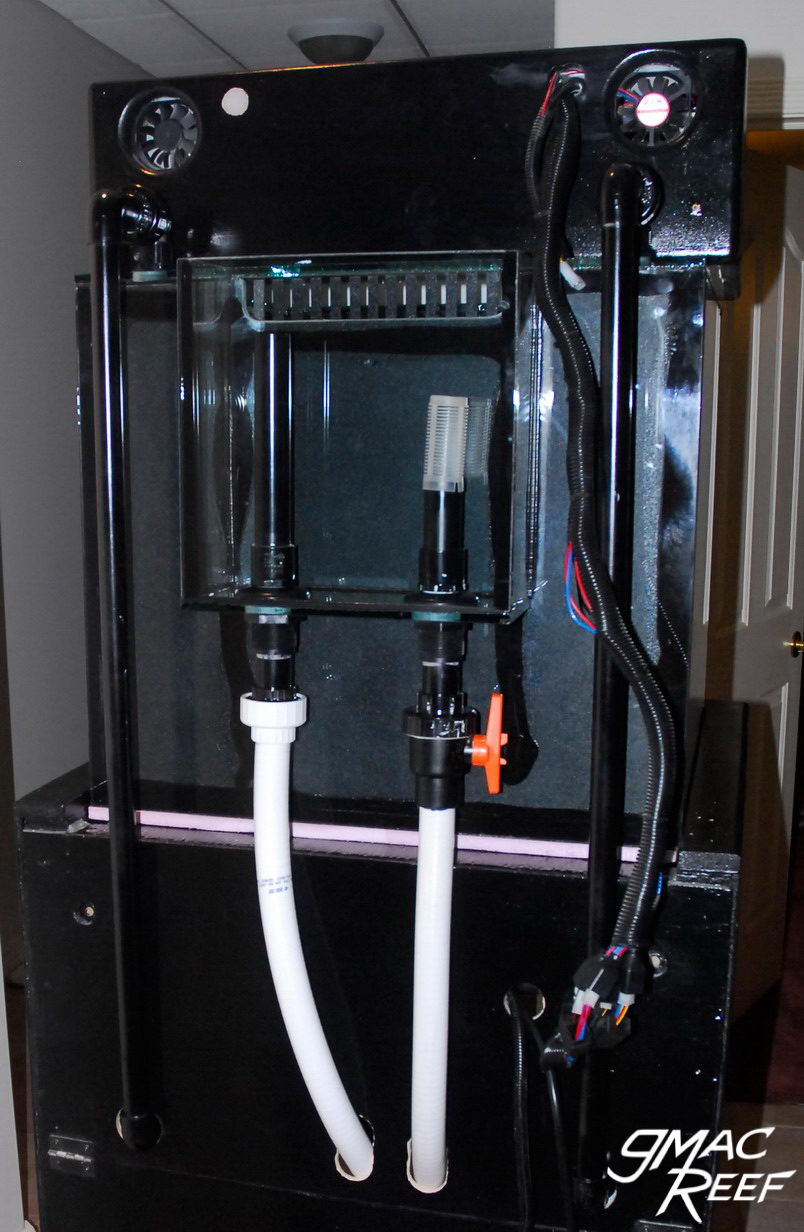
Internal boxes are glued inside the tank, usually against the back wall, making them invisible from the front. They are the top choice for wall-mounted displays or three-sided viewing tanks like the Mega Matrix 120. However, they consume internal swimming space and can be difficult to clean if the tank is pushed flush against a wall.
External Overflow Boxes for Easy Access
External boxes mount on the outside rear glass and connect via bulkheads, preserving 100% of your internal tank volume. Brands like Fiji Cube offer low-profile models that minimize visual impact while allowing easy access to strainers. These work best for freestanding tanks where you can easily reach the back for maintenance.
Choosing Based on Your Room Layout
Select an internal box if you need a seamless look for a wall-mounted setup where rear access is impossible. Choose an external box if your tank stands alone and you prioritize easy cleaning over a completely hidden profile.
Coast-to-Coast Overflows for Maximum Skimming
A Coast-to-Coast (C2C) overflow spans the entire width of the tank back panel to create a continuous weir.
Superior Surface Skimming Performance
Because the weir is so wide, C2C overflows pull water evenly across the entire surface to remove organic film and bubbles effectively. This design leads to clearer water and better gas exchange, which is vital for heavily stocked reefs.
Smooth Weir Design Prevents Clogs
Unlike factory toothed weirs, C2C systems typically use a smooth edge that prevents snails and coral fragments from getting stuck. This smooth design significantly reduces the risk of clogs and minimizes turbulence noise.
Custom Build Requirements and Costs
These overflows are not available off-the-shelf and require a custom tank build by a professional fabricator. While they are among the most expensive options, many advanced reefers consider them the gold standard for performance.
Hang-On-Back and DIY Overflow Alternatives
Some situations require alternative solutions, though these come with significant trade-offs in safety and performance.
Hang-On-Back Overflows Carry High Risk
HOB systems like the Eshopps PF series rely on a siphon that can break due to air bubbles or debris. Even with auto-priming pumps, the risk of flooding remains too high for permanent reef installations. Use these only for temporary setups where drilling is strictly prohibited.
Dual Bulkhead PVC Elbow System
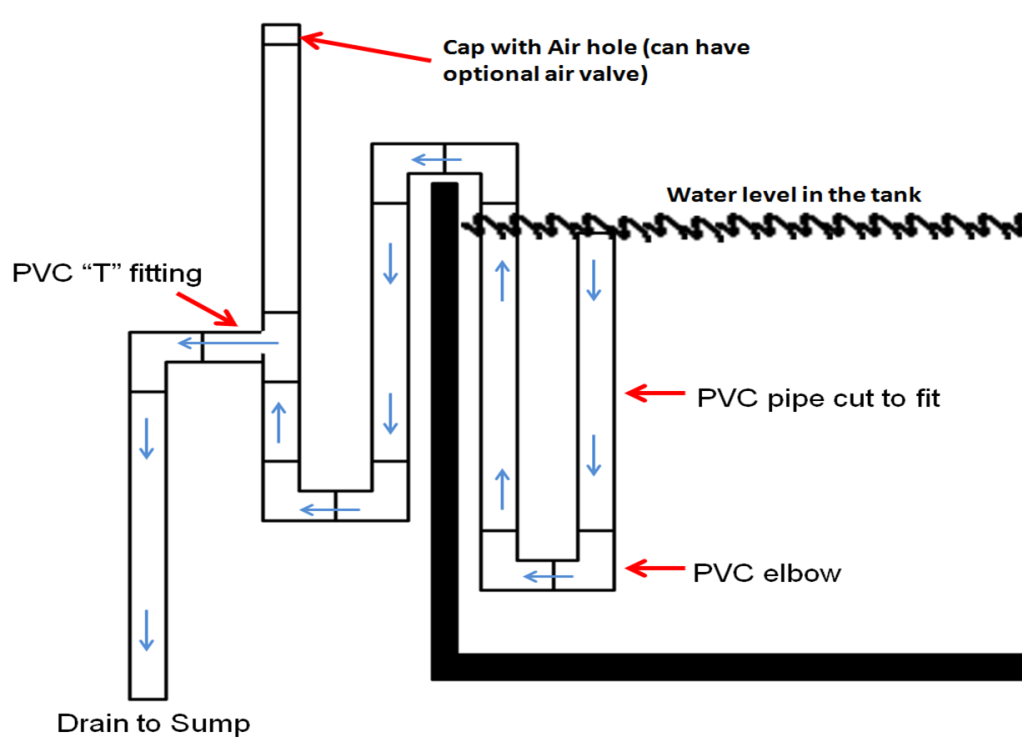
This DIY method uses two bulkheads with angled PVC elbows to drain water by gravity without creating a siphon. It is failsafe during power outages since only the water above the drain level spills into the sump. While flow is limited to about 300–400 GPH, it is an excellent cheap option for acrylic tanks or beginners.
Bottom and Back Drilled DIY Options
Custom builds can utilize bottom-drilled chambers or back-drilled holes for tempered glass bases. Bottom drains offer strong structural integrity but cannot be used on tempered glass. Back drilling avoids the base but requires precision to prevent glass breakage during installation.
Choosing the Right Overflow for Your Setup
Selecting the best system depends on your specific tank type, budget constraints, and experience level.
Large Reef or FOWLR Tank Recommendations
Go with a Coast-to-Coast overflow or BeanAnimal system for maximum flow and safety. The C2C is best for custom builds, while the BeanAnimal works well with standard internal or external boxes.
Wall-Mounted Display Tank Solutions
Use an internal overflow box paired with a Herbie or BeanAnimal drain to keep plumbing hidden. Avoid external boxes in these scenarios as they become maintenance nightmares when inaccessible.
Beginner or Low-Budget Setup Options
Choose the dual bulkhead PVC elbow system for a safe, simple, and cheap solution under $50. A Durso drain is also acceptable if you understand the lack of emergency backup and keep flow rates low.
High Flow With Noise Sensitivity Needs
Pick a Herbie overflow to handle high GPH silently using a gate valve. It offers a balance of high capacity and quiet operation that is easier to manage than a BeanAnimal for many hobbyists.
Maintenance Tips to Prevent Failure
Even the best reef tank overflow types require regular care to avoid clogs and floods.
Clean Strainers Weekly
Check strainers on Herbie and BeanAnimal systems every week for snails or algae. A blocked strainer can cause the siphon to surge or stop completely, leading to an overflow event.
Tune Vent Holes on Durso Drains
Adjust the vent hole size if your Durso starts siphoning or gurgling loudly. Drilling the hole slightly larger or reducing pump speed can restore proper open-channel flow.
Submerge Outputs But Not Emergency Pipes
Submerge main drain outlets in the sump to reduce noise, but keep emergency drains above the water line. This ensures that if the emergency pipe activates, the splashing sound alerts you to the problem immediately.
Test for Leaks Before Adding Livestock
Perform a 24-hour freshwater leak test after any new installation. Fill the tank and monitor all joints and bulkheads to fix drips before adding saltwater and expensive livestock.
Use Gate Valves for Siphon Control
Always use gate valves rather than ball valves to tune Herbie or BeanAnimal siphons. Ball valves lack the fine control needed to silence a siphon without cutting off flow entirely.
Frequently Asked Questions About Reef Tank Overflow Types
Which overflow type is the quietest for high flow rates?
The Herbie and BeanAnimal systems are the quietest for high flow because they use a tuned siphon that eliminates gurgling. The Durso style becomes noisy above 250 GPH, while HOB units are consistently loud due to air mixing.
Can I install a drilled overflow on a tempered glass tank?
No, you cannot drill tempered glass as it will shatter instantly. You must verify your glass type before drilling, or opt for a DIY back-drilled method on the non-tempered rear panel if available.
How often should I clean my overflow strainer?
You should clean your overflow strainer weekly to prevent snails and debris from blocking the flow. Neglecting this maintenance is the primary cause of overflow failures in Herbie and BeanAnimal systems.
What happens if my Durso drain gets clogged?
If a Durso drain clogs, the tank will overflow immediately because there is no emergency backup pipe. This lack of redundancy is why experts recommend Herbie or BeanAnimal systems for valuable livestock.
Are hang-on-back overflows safe for large reef tanks?
No, hang-on-back overflows are considered unsafe for large or permanent reef tanks due to high flood risks. They rely on siphons that can break easily, making them suitable only for temporary or low-risk setups.
Key Takeaways for Selecting Reef Tank Overflow Types
Choosing the right reef tank overflow types is the most important step in building a safe and quiet aquarium. Drilled systems with Herbie or BeanAnimal drains offer the best balance of high flow, silence, and flood protection for most hobbyists. Avoid siphon-based hang-on units for permanent setups to eliminate the risk of catastrophic flooding.
Prioritize fail-safes like emergency standpipes and perform weekly maintenance on your strainers to ensure long-term success. Inspect your current setup today and consider upgrading to a drilled system if you are currently relying on risky siphon methods.