A poorly designed overflow pipe can destroy your foundation and ruin your water storage system during a single heavy storm. Many homeowners ignore this critical component until water floods their basement or erodes the soil around their tank.
This guide explains exactly how to size, install, and maintain your system using proven engineering standards. You will learn to calculate peak flow rates, select the right materials, and prevent common failures like vortexing and blockages.
Match Pipe Size to Catchment Area

Sizing your pipe based on tank volume is a critical error that leads to system failure. The overflow must handle the peak inflow rate from your roof, not the amount of water already stored in the tank.
Why Roof Area Determines Diameter
Water enters the tank faster than it can be used during intense rainfall. If the discharge capacity is lower than the inflow, the tank will overflow uncontrollably.
* Roofs under 1,000 square feet typically need a 3-inch pipe.
* Roofs over 3,000 square feet require a 4-inch pipe minimum.
* High-rainfall zones demand increasing the diameter by one standard size for safety.
Calculate Peak Flow Rates
Use local rainfall intensity data to determine the exact volume of water hitting your catchment area. A storm with 100 mm/h intensity on a large roof generates massive runoff that small pipes cannot handle.
1. Multiply your catchment area by the rainfall intensity.
2. Apply a runoff coefficient of 0.9 for most roof types.
3. Select a pipe diameter that exceeds this calculated flow rate.
Upgrading from a 3-inch to a 4-inch pipe increases flow capacity by nearly 80 percent. This simple change often prevents catastrophic flooding during extreme weather events.
Apply the Manning Equation Correctly

The Manning Equation is the industry standard for calculating flow velocity in gravity-driven overflow systems. It accounts for pipe slope, hydraulic radius, and material roughness to predict performance accurately.
Understand Material Roughness Coefficients
The interior surface of your pipe directly impacts how fast water moves. Smother materials allow higher flow rates with less friction loss.
* PVC: Has a roughness coefficient of 0.009 for maximum efficiency.
* Concrete: Offers moderate flow with a coefficient of 0.013.
* Corrugated Metal: Creates significant friction with a coefficient of 0.024.
Using corrugated metal instead of smooth PVC can reduce your flow capacity by up to 60 percent. This reduction often causes backups during peak storm events.
Maintain Minimum Slope Requirements
Your pipe must have a consistent fall to ensure water moves quickly enough to carry away sediment. A slope of 1:100 is the absolute minimum for self-cleaning velocity.
* Install supports every 1 to 1.5 meters to prevent sagging.
* Avoid flat sections where debris can accumulate.
* Use rigid pipes like PVC or HDPE to maintain consistent alignment.
Prevent Vortexing and Air Locks
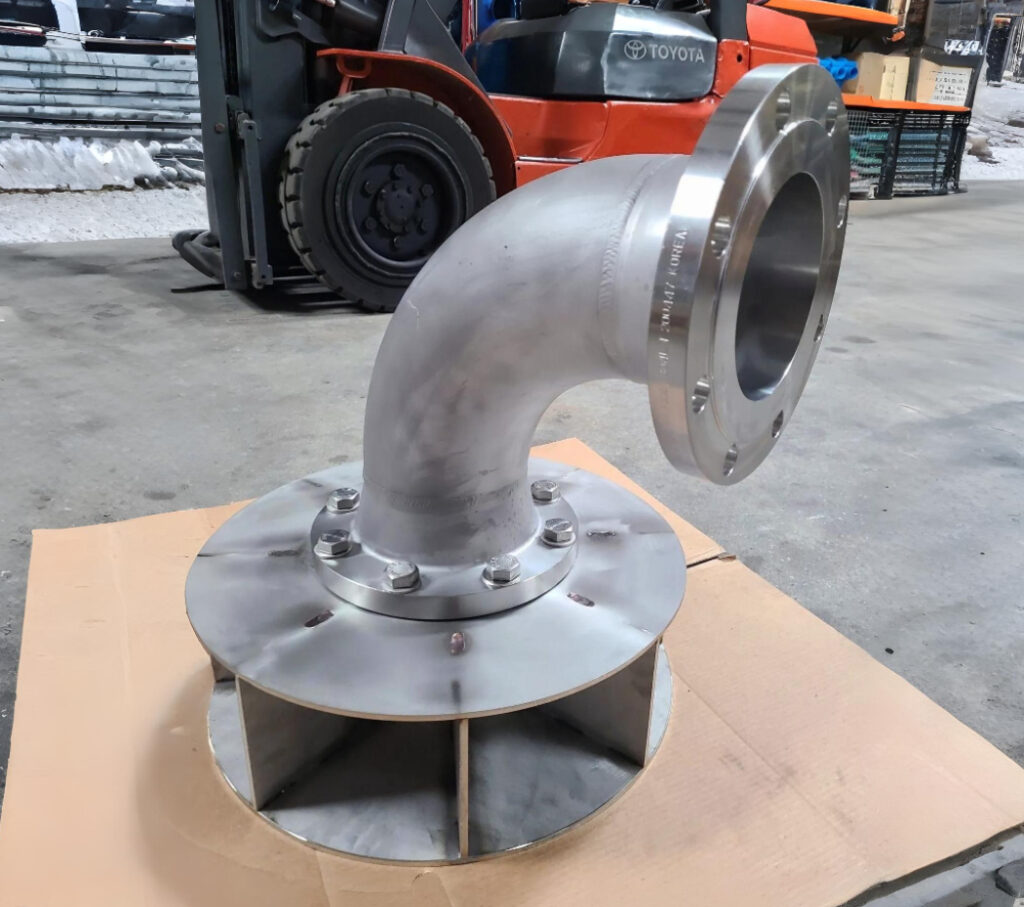
Air entrainment is a silent killer of overflow efficiency. When water spins into the pipe inlet, it creates a vortex that pulls air down with it, reducing the effective flow area by half.
Install Anti-Vortex Plates
An anti-vortex plate is a flat disc mounted horizontally over the pipe inlet. It breaks the rotational flow of water and stops air from entering the system.
* Position the plate level and centered over the opening.
* Extend the plate at least 1.5 times the pipe diameter beyond the edge.
* Use durable materials like stainless steel or UV-resistant plastic.
This simple device restores full pipe capacity and eliminates gurgling sounds during heavy discharge.
Utilize Weir Box Designs
Critical systems often use a weir box to guarantee full-pipe flow without air interference. Water flows over a controlled weir and drops freely into the overflow pipe below.
* Size the weir to handle design flow with a 6-inch rise above the crest.
* Ensure the drop allows the pipe to run completely full.
* Follow AWWA D100 standards for potable water applications.
This method provides consistent head pressure and prevents the complex hydraulic issues caused by partial pipe filling.
Select the Right Pipe Material

Choosing the wrong material leads to premature failure and reduced hydraulic performance. Your selection should balance cost, longevity, and flow efficiency.
PVC for Maximum Efficiency
Polyvinyl Chloride (PVC) is the top choice for most residential and commercial installations. Its smooth interior maximizes flow while resisting corrosion and chemical degradation.
* Use Schedule 40 PVC for rigidity and durability.
* Ideal for above-ground and shallow underground runs.
* Affordable and easy to cut and join on site.
HDPE for Long-Term Durability
High-Density Polyethylene (HDPE) offers a lifespan of up to 50 years. It is flexible enough to handle ground movement and freeze-thaw cycles without cracking.
* Best for underground routing where soil movement occurs.
* Resists impact damage better than rigid PVC.
* Higher initial cost but lower lifetime maintenance expenses.
Avoid Corrugated Metal and Flexible Hose
Corrugated metal creates excessive friction and corrodes quickly in wet environments. Flexible hoses sag over time, creating low spots that trap debris and cause blockages.
* Only use metal if structural strength is the only concern.
* Limit flexible sections to short transitions with full support.
* Replace aging metal pipes with HDPE for a permanent solution.
Install With Proper Sealing and Support
Improper installation causes more leaks than material defects. Correct positioning, sealing, and support are essential for a leak-free system.
Position the Outlet Correctly
Place the overflow outlet 2 to 5 centimeters below the maximum water level. This positioning allows full tank usage while preventing accidental spillage during normal operation.
* Never place the outlet at the very top of the tank.
* Leave room for wave action during heavy inflow.
* Ensure the location allows for easy inspection and maintenance.
Use Gaskets Instead of Just Silicone
A rubber gasket provides a reliable seal between the tank wall and the overflow flange. Tighten screws until the gasket bulges slightly, but do not over-tighten.
* Over-tightening deforms the gasket and causes leaks.
* Use a low-torque drill to prevent damage to plastic tanks.
* Apply silicone only as a supplement on uneven surfaces like corrugated metal.
Support the Entire Pipe Run
Install pipe brackets every 1 to 1.5 meters to maintain the required slope. Unsupported pipes sag, creating pools where sediment accumulates and blocks flow.
* Anchor exposed pipes to walls or ground stakes.
* Use sweeping bends instead of sharp 90-degree turns.
* Check alignment regularly to ensure continuous fall.
Direct Discharge Safely and Legally

Where you send the overflow water matters as much as how you capture it. Improper discharge can damage foundations and violate local plumbing codes.
Keep Water Away From Foundations
Discharging water near the building base saturates soil and causes foundation cracking. Route the pipe at least 3 meters away from any structure.
* Direct flow toward permeable areas like gardens.
* Avoid paved surfaces where water pools and creates hazards.
* Use splash blocks to dissipate energy at the outlet.
Follow Air Gap Regulations
Plumbing codes require an air gap between the overflow pipe and any storm drain connection. This prevents contaminated water from flowing back into your tank during surges.
* Maintain an unobstructed vertical space at the discharge point.
* Use a standpipe or simple wooden block to create the gap.
* Check local IPC or UPC codes for specific distance requirements.
Discharge Into Permeable Areas
Ideal discharge points include rain gardens, gravel beds, and landscaped swales. These areas absorb water naturally and filter out remaining contaminants.
* Prevents erosion and soil loss around the tank.
* Recharges local groundwater supplies.
* Reduces strain on municipal stormwater systems.
Block Debris With Smart Filtration
Debris blocks pipes and creates breeding grounds for pests. Effective filtration keeps your system flowing smoothly with minimal maintenance.
Use Screens But Maintain Them
Mesh screens stop leaves and large debris from entering the pipe. However, they clog quickly and require cleaning at least twice a year.
* Install removable screened inserts for easy access.
* Check screens before every major storm season.
* Replace damaged screens immediately to prevent pest entry.
Upgrade to Flap Valves
Self-cleaning flap valves like the Amazi Stop offer a maintenance-free alternative to static screens. They open under water pressure and close automatically to block debris.
* Prevents rodents and mosquitoes from entering the tank.
* Eliminates the need for regular screen cleaning.
* Reduces labor costs and system downtime significantly.
Install Mozzie Stops
In warm climates, mosquitoes breed in stagnant water within overflow lines. Mozzie stops are fine mesh adapters that prevent insect entry while allowing water flow.
* Pin them in place with a screw to resist damage.
* Check annually for wear or blockage.
* Essential for compliance with local health regulations.
Troubleshoot Common Overflow Problems
Identifying issues early prevents major damage. Use these diagnostic steps to fix common overflow failures quickly.
Fix Overflowing During Moderate Rain
Cause: The pipe diameter is too small for the catchment area.
Solution: Upgrade to a larger pipe or add a second parallel overflow line to increase capacity.
Stop Gurgling or Spurting Flow
Cause: Air entrainment from vortexing at the inlet.
Solution: Install an anti-vortex plate or switch to a weir box design to eliminate air pockets.
Clear Complete Blockages
Cause: Debris buildup in the pipe or screen.
Solution: Flush the line, install a flap valve, or add a cleanout access point for future maintenance.
Repair Leaks at Tank Wall
Cause: Failed gasket or over-tightened screws.
Solution: Re-seal with silicone, replace the gasket, and tighten screws to the proper torque specification.
Correct Sagging or Collapsed Pipe
Cause: Inadequate support or use of unsupported flexible hose.
Solution: Add brackets every 1.5 meters or replace flexible sections with rigid PVC or HDPE.
Follow Codes and Environmental Rules
Compliance protects your investment and the environment. Ignoring regulations can result in fines and costly remediation work.
Comply With Plumbing Codes
Adhere to International Plumbing Code (IPC) or Uniform Plumbing Code (UPC) requirements for air gaps and discharge locations.
* Check local jurisdictions for permit requirements.
* Follow AWWA D100 standards for steel tank installations.
* Register your tank if required by local council rules.
Prevent Runoff Pollution
Unfiltered overflow carries pollutants like bird droppings and leaf tannins into local waterways. This causes algal blooms and harms aquatic ecosystems.
* Use first-flush diverters to remove initial contaminants.
* Install inlet filters to trap fine particles.
* Route overflow through vegetated swales for natural filtration.
Control Erosion at Outlet
High-velocity discharge erodes soil and damages plants near the discharge point.
* Use energy dissipaters like rocks or concrete blocks.
* Discharge into mulched or gravel-filled basins.
* Install check dams in long pipe runs to slow water speed.
Upgrade for Long-Term Reliability
Modern upgrades extend system life and reduce maintenance burdens. Investing in quality components pays off over decades of service.
Replace Aging Pipes With HDPE
Swap out old metal or degraded plastic pipes with HDPE for a 50-year service life. This material resists cracking and UV damage better than traditional options.
* Ideal for underground or high-stress environments.
* Reduces frequency of replacement and repair.
* Improves overall system reliability during storms.
Add Smart Monitoring
Modern sensors monitor water levels and flow rates in real time. These systems alert you to blockages or overflow events before damage occurs.
* Receive mobile alerts for immediate action.
* Track usage patterns and system performance.
* Prevent catastrophic failures with proactive monitoring.
Retrofit With Flap Valves
Eliminate screen maintenance by installing clog-resistant valves like the Amazi Stop. These devices pay for themselves in reduced labor and downtime.
* Simple installation on existing systems.
* Immediate improvement in debris protection.
* Enhanced pest control without chemical treatments.
Frequently Asked Questions About Water Tank Overflow Pipe Design
How do I determine the correct overflow pipe size?
Size the pipe based on your roof catchment area and local rainfall intensity, not tank volume. Use the formula Q = C × I × A to calculate peak flow, then select a diameter that exceeds this rate.
What is the minimum slope required for an overflow pipe?
You must maintain a minimum slope of 1:100, which equals a 1 cm drop per meter of pipe length. This ensures self-cleaning velocity and prevents sediment buildup inside the line.
Why is my overflow pipe gurgling during heavy rain?
Gurgling indicates air entrainment caused by vortexing at the inlet. Install an anti-vortex plate or use a weir box design to eliminate air pockets and restore full flow capacity.
Can I use flexible hose for my overflow line?
Flexible hose is not recommended for permanent installations because it sags over time. Sagging creates low spots that trap debris and cause blockages. Use rigid PVC or HDPE instead.
How often should I inspect my overflow system?
Inspect your system at least twice a year and immediately after major storms. Check for sagging, blockages, leaks, and ensure screens or valves are functioning correctly.
Key Takeaways for Water Tank Overflow Pipe Design
Proper water tank overflow pipe design protects your property from flooding and structural damage. Always size your pipe based on catchment area rather than tank volume, maintain a 1:100 slope, and use smooth materials like PVC or HDPE. Preventing vortexes with anti-vortex plates and keeping debris out with smart filtration ensures your system works when you need it most.
Inspect your overflow twice yearly and consider upgrading to flap valves or HDPE piping for long-term reliability. By following these guidelines and local codes, you secure your water storage investment against even the worst weather events. Take action today to verify your current setup meets these critical standards.