
Driving with not enough coolant in car can silently destroy your engine. Even if the vehicle seems to run fine, low coolant levels disrupt the critical balance of heat regulation, leading to overheating, warped components, and expensive repairs. Since the cooling system is sealed, any drop in fluid level signals a leak or malfunction that demands immediate attention. This guide covers the warning signs to watch for, the damage that occurs silently, and the exact steps to protect your engine.
Warning Signs Your Car Has Low Coolant
Catching coolant problems early saves thousands in repairs. Most drivers miss subtle clues until the engine overheats catastrophically. Knowing what to watch for helps you act before irreversible damage occurs.
Check Dashboard Lights First
The low coolant warning light is your first alert. It may display “Check Coolant” or show a thermometer icon in a liquid-filled container. This light activates when the coolant level sensor detects fluid below the minimum threshold. Do not confuse it with the temperature gauge rising into the red zone, which means overheating is already underway. If either triggers, stop driving immediately.
Some vehicles also trigger the check engine light due to abnormal temperature readings from engine sensors. Test the low coolant light by turning the key to “ON” without starting. The light should briefly illuminate. If it does not, the bulb or sensor may be faulty.
Smell Sweet Fumes? Check for Leaks
A sweet, candy-like odor under the hood or inside the cabin often means antifreeze is leaking. Ethylene glycol, the main ingredient in most coolants, has a distinctive sugary smell. If you notice this, inspect the floor under where the car parks and look for bright green, orange, pink, or blue puddles. Trace the source at the radiator, hoses, water pump, or heater core. Even small leaks evaporate quickly but leave behind a greasy residue.
Watch Heater and AC Performance
Low coolant affects more than the engine. It impacts cabin comfort significantly. No heat from vents despite engine warming up indicates the heater core relies on hot coolant flow. Hot air blowing when A/C is on means excess engine heat transfers into the cabin due to poor cooling. These HVAC issues are early red flags, especially in cold weather when defrost performance drops.
What Happens When You Drive with Not Enough Coolant

You might think your car runs fine, but internal damage builds rapidly without proper coolant levels. Thermal stress accumulates silently, weakening critical engine parts within minutes of low coolant operation.
Engine Overheats Within Minutes
Without sufficient coolant, heat stays trapped in the engine block and cylinder head. Normal operating temperatures of 195 to 220 degrees Fahrenheit can spike past 240 degrees in minutes, especially in traffic or hot climates. Overheating causes warped cylinder heads as metal expands unevenly, distorting the flat sealing surface. Seized pistons occur when aluminum pistons expand more than steel cylinders, causing friction and lockup. Cracked engine block happens in extreme cases when metal fatigue leads to cracks. Once overheating starts, shut down the engine immediately. Continuing to drive guarantees permanent damage.
Blown Head Gasket: A Common Consequence
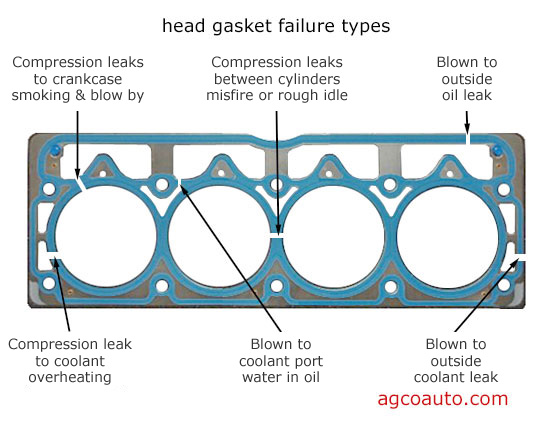
A blown head gasket is one of the most frequent outcomes of low coolant. The gasket seals combustion pressure and separates coolant and oil passages between the block and head. When overheated, the seal fails, allowing coolant to leak into cylinders or oil passages while combustion gases enter the cooling system.
Symptoms include white, sweet-smelling exhaust smoke, milky sludge on the oil dipstick, bubbling in the coolant reservoir while running, and engine misfires or knocking. Repair costs range from $1,200 to $2,500 depending on engine design. This is one of the most expensive repairs related to not enough coolant in car.
Water Pump Fails Without Lubrication
The water pump circulates coolant using a spinning impeller driven by a belt. Its internal bearings rely on coolant for lubrication and cooling. Run it dry, even briefly, and bearings overheat and seize. The impeller stops spinning, and coolant stops flowing entirely. A failed pump accelerates overheating and often requires replacement alongside the timing belt, adding significant labor costs.
Hidden Engine Damage from Low Coolant Levels
Some consequences of low coolant are not obvious until major failure occurs. These indirect effects compromise other systems and create dangerous driving situations.
Transmission Overheats in Radiator-Cooled Models
Many automatic transmissions use a radiator-integrated cooler. Low coolant means less heat transfer from transmission fluid. Overheated fluid breaks down, losing lubricity and leading to slipping gears, delayed shifts, and complete transmission failure. This is especially dangerous in trucks or SUVs towing heavy loads. The repair costs for transmission damage far exceed simple coolant top-ups.
Coolant Hoses Burst Under Pressure
Coolant expands when hot, creating system pressure typically 13 to 18 psi. With low fluid, air pockets form, causing hot spots and erratic pressure spikes. These conditions weaken rubber hoses, increasing the risk of sudden rupture, boiling coolant spraying under the hood, and immediate engine shutdown. Always inspect hoses for softness, cracks, or bulges during routine checks.
Automatic Engine Shutdown: Safety or Hazard?
Modern vehicles have engine protection mode. When the ECU detects critical overheating or no coolant, it may limit power in limp mode, shut off fuel injectors, or force engine shutdown. While designed to save the engine, an unexpected stall on a highway creates a dangerous situation. Never rely on this feature. Address low coolant before it triggers protection mode.
Finding Why Your Car Loses Coolant
Since the cooling system is sealed, coolant should not disappear. A drop in level always means a problem exists somewhere. Find the root cause before simply refilling.
Look for External Leaks
Most coolant loss comes from external leaks. Inspect the radiator for cracks in fins, seams, and plastic end tanks. Check hoses for softness or cracks. Look at the water pump weep hole for dried or fresh coolant stains. Inspect the reservoir tank for cracks near mounting brackets. A weak radiator cap seal allows coolant to boil off into the overflow. Use a pressure tester to pressurize the system and spot hidden leaks.
Test for Internal Leaks
Coolant escaping into the engine is harder to detect but just as damaging. Pull the oil dipstick and look for milky brown foam or a mayonnaise-like film around the oil cap. That indicates coolant mixing with oil, a classic sign of a blown head gasket or cracked block.
Start the engine cold. Thick, sweet-smelling white smoke that persists after warm-up indicates coolant burning in the combustion chamber. Use a block tester to draw air from the coolant reservoir through a chemical solution. Color change from blue to green or yellow means exhaust gases are in the coolant, confirming head gasket or crack.
Failed Radiator Cap Causes Invisible Loss
A bad radiator cap does not hold pressure, lowering the coolant boiling point. This causes coolant boiling off into the overflow tank, evaporation from the reservoir, and frequent top-offs with no visible leak. Replace the cap every three to five years or if the seal is cracked.
How to Check and Refill Coolant Safely
Never open the radiator cap on a hot engine. Steam and pressurized fluid can cause severe burns requiring medical attention.
Wait Until Engine Is Cold
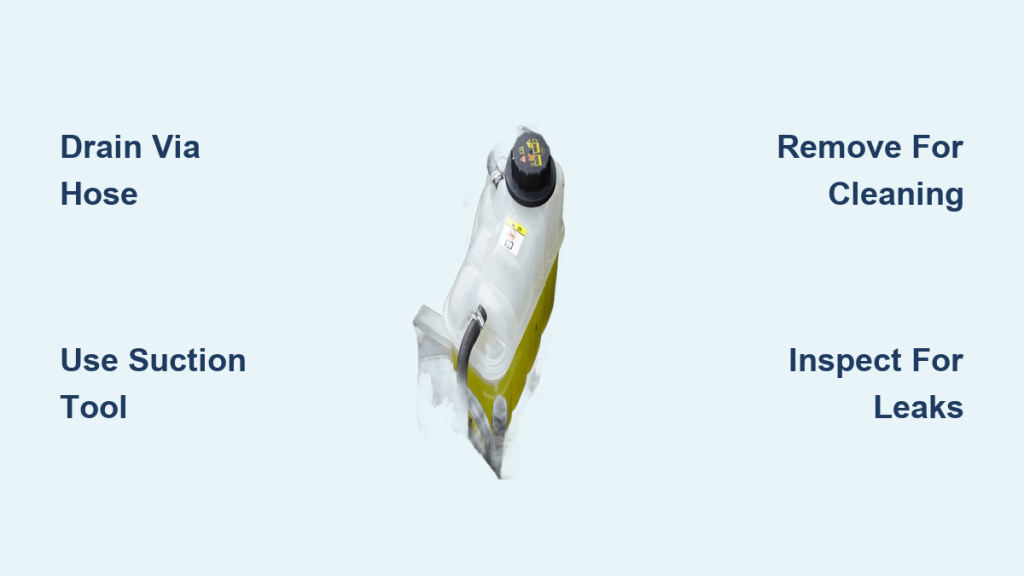
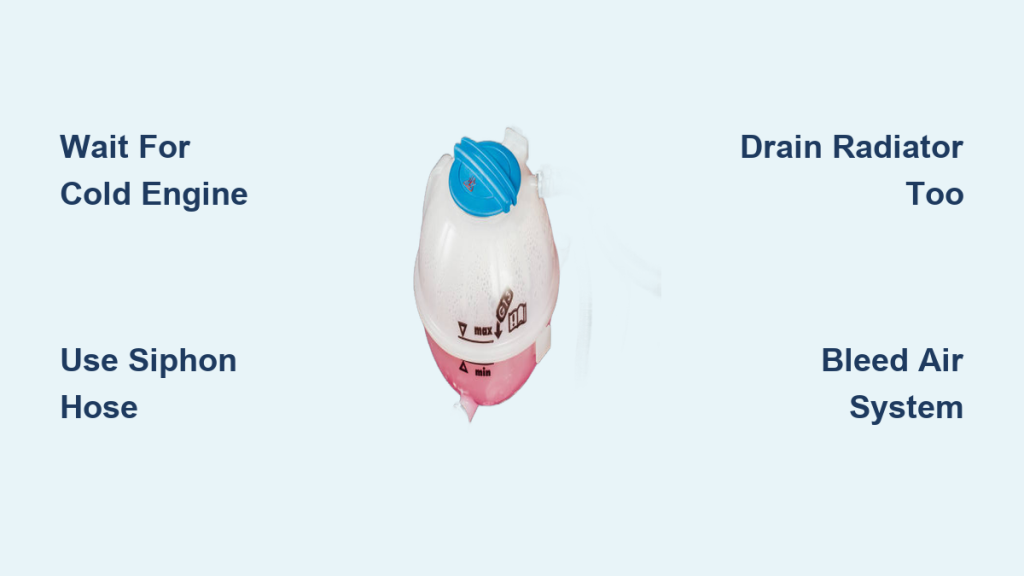
Always check and refill coolant when the engine has cooled overnight or sat for at least two hours. Locate the coolant reservoir, a translucent plastic tank near the radiator. Check the level against MIN and MAX marks. If below minimum, remove the cap carefully and add a 50/50 mix of antifreeze and distilled water or pre-mixed coolant. Use only the type specified in your owner is manual. Never use plain water long-term. It lacks corrosion protection and lowers the boiling point.
Bleed Air From the System
Air pockets reduce cooling efficiency and cause false low readings. Fill the reservoir to MAX, start the engine with heater on high and fan at max, let it warm up while watching the temperature gauge, squeeze the upper radiator hose gently to release bubbles, and top off as needed once the thermostat opens. Some vehicles have a bleeder valve on the thermostat housing.
Preventing Coolant Loss and Engine Damage
Prevention beats expensive repairs. A few simple habits keep your cooling system healthy for years.
Check Coolant Monthly
Make monthly checks part of your routine. Once a month, inspect the reservoir level when cold. Look for color changes, as rusty or muddy coolant needs flushing. Ensure the cap seals tightly. These few seconds can prevent thousands in repairs.
Flush Coolant on Schedule
Old coolant turns acidic, corroding metals and degrading hoses. IAT coolant (green) requires replacement every 24,000 to 36,000 miles. OAT coolant (orange or red) lasts up to 150,000 miles. HOAT coolant (yellow or turquoise) needs service every 60,000 to 100,000 miles. Flush every five years when in doubt. Use distilled water only when mixing, as tap water contains minerals that form scale.
Inspect Components During Oil Changes
While getting an oil change, ask the technician to check hoses and clamps, inspect radiator condition, test radiator cap pressure, and look for water pump leaks. Many shops offer free multi-point inspections that catch small issues before they become major problems.
When Your Car Needs Professional Coolant Repair
Some issues require expert tools and knowledge. Do not gamble with engine health by attempting DIY repairs beyond your skill level.
Get a Pressure Test If Coolant Keeps Disappearing
If you refill and the level drops again with no visible leak, get a cooling system pressure test at a shop. This confirms internal or hidden external leaks. Cost ranges from $50 to $120, often waived if you proceed with repair. This test is essential when diagnosing not enough coolant in car that has no apparent cause.
Diagnose Head Gasket Early
If you suspect a blown head gasket, get a block test, consider a compression test, and check for hydrocarbons in coolant. Early diagnosis may allow less invasive repairs. The longer you wait, the worse the damage becomes.
Repair Costs You Should Know
Common repairs include coolant flush at $100 to $150, radiator replacement at $400 to $900, water pump and timing belt at $600 to $1,000, head gasket replacement at $1,200 to $2,500, and engine replacement at $3,000 to $8,000. Waiting increases the bill dramatically. A $150 flush today could prevent a $2,500 gasket job tomorrow.
What Happens When You Ignore Low Coolant
One driver drove for weeks without realizing their coolant was empty. The car ran normally with no warnings. Only after checking the reservoir did they discover it was bone dry. After refilling, no leaks were found, but experts warned micro-damage may have already occurred.
Possible hidden issues include slight warping of the cylinder head, bearing wear in the water pump, and early-stage gasket fatigue. Recommended actions include performing a compression test, running a block test, and monitoring oil and temperature closely. Many drivers assume no symptoms means no problem. That is dangerously wrong. Thermal stress accumulates even without visible signs.
Emergency Steps for Low Coolant in Your Car
If you suspect not enough coolant in car, follow this action plan immediately. Stop driving if the temp gauge is in red or coolant is below MIN. Let the engine cool completely before opening the cap. Refill with correct 50/50 coolant mix. Check for leaks under the car, around hoses, and at the reservoir. Run the engine with heater on high to bleed air. Monitor temperature and level over the next few days. Get a pressure test if coolant drops again. Schedule a block test if you saw overheating or white exhaust smoke.
Frequently Asked Questions About Low Coolant
Can I drive my car with low coolant?
Driving with low coolant is strongly discouraged. Even if the car seems to run fine, you risk engine overheating and permanent damage. If the temperature gauge is normal and coolant is just slightly below minimum, drive directly to a mechanic. Do not continue driving if the low coolant warning light is on.
How long does it take for engine damage to occur when coolant is low?
Engine damage can occur within minutes under the right conditions. In heavy traffic or hot weather, temperatures can spike from normal to dangerous levels in under five minutes. Once overheating begins, damage happens fast. Do not risk it.
Why does my car lose coolant with no visible leak?
Coolant can disappear internally through a blown head gasket, cracked engine block, or failed intake manifold gasket. It can also evaporate through a faulty radiator cap that does not hold pressure. A pressure test at a shop can identify hidden leaks.
How often should I check my coolant level?
Check coolant level at least once a month. Always check when the engine is cold for accurate readings. Also check before long trips and after any cooling system work.
What happens if I only add water instead of coolant mix?
Plain water raises the boiling point concern and lacks corrosion inhibitors. Long-term use causes rust, scale buildup, and component damage. Use a 50/50 mix of antifreeze and distilled water for proper protection.
Key Takeaways for Preventing Low Coolant Damage
Never ignore low coolant. It is not just a top-up issue. It is a warning that your engine is at risk. Check coolant monthly and flush on schedule according to your vehicle is recommendations. Address any warning lights or unusual odors immediately. A few minutes of attention today prevents thousands in repairs tomorrow. Your engine lifespan depends on staying proactive with cooling system maintenance.