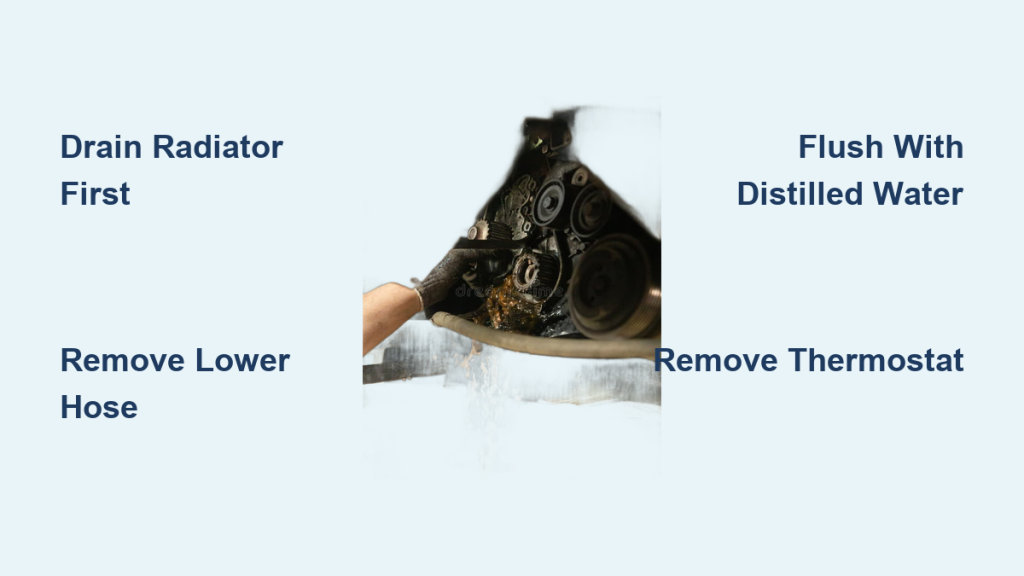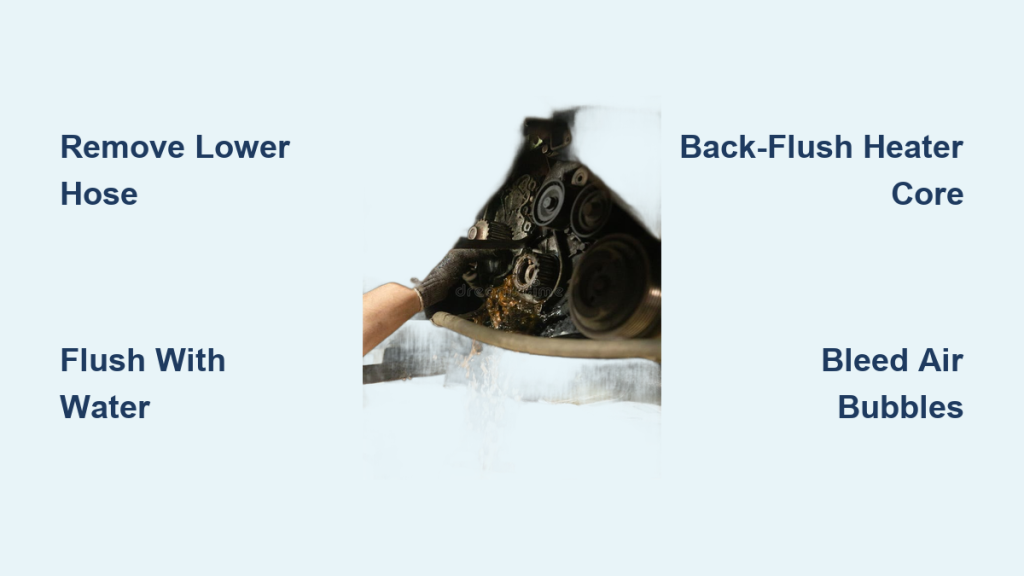
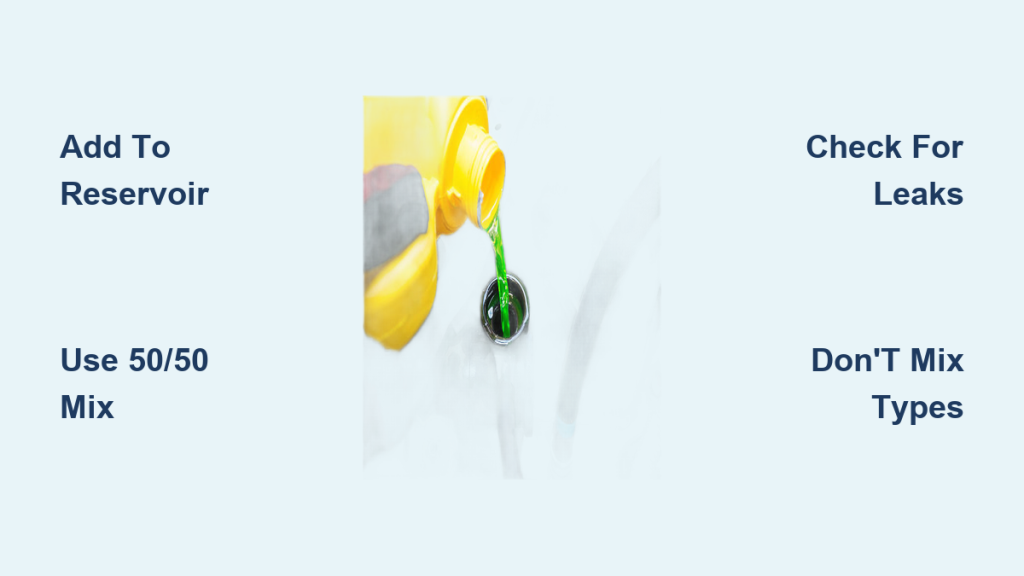
You’ve noticed your car running hot or seen a low fluid warning. One of the most common questions car owners ask is whether antifreeze goes in the coolant. The short answer is yes, but there is more to it. Antifreeze is not added to coolant; it is the core component of coolant when mixed properly with water. In everyday language, people use antifreeze and coolant interchangeably, but technically, coolant is a 50/50 blend of antifreeze and distilled water designed to regulate engine temperature, prevent freezing, and stop corrosion.
Without the right mixture, your engine risks overheating in summer or cracking from frozen fluid in winter. Poor-quality or incorrect coolant can also lead to rust, water pump failure, and expensive repairs. This guide will show you exactly where antifreeze goes, how to add it safely, and what mistakes to avoid.
Where to Add Antifreeze in Your Car
Antifreeze must go into the correct part of the cooling system to work safely and effectively. Adding it to the wrong reservoir can cause damage or offer no protection at all.
Locate the Coolant Reservoir
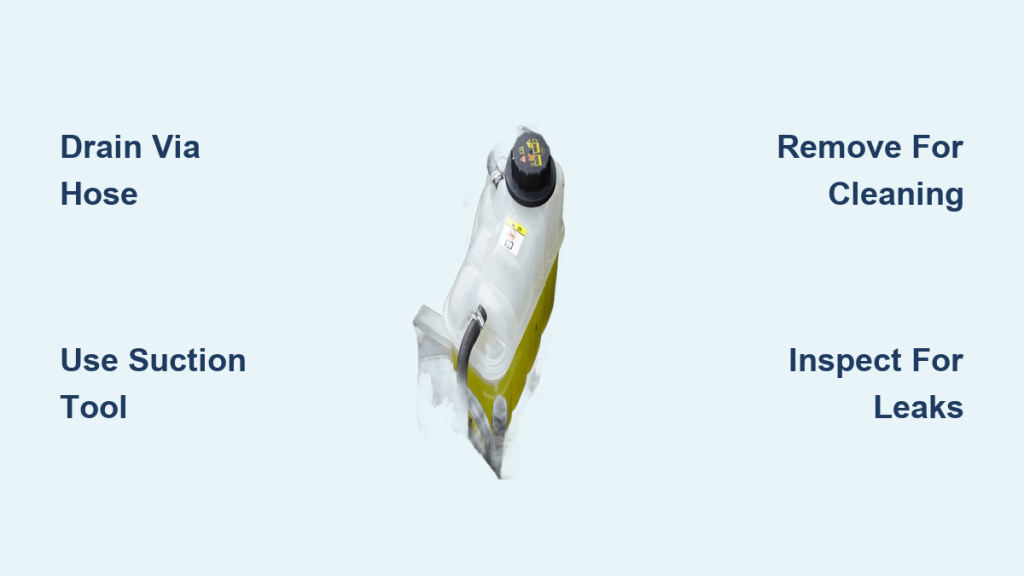
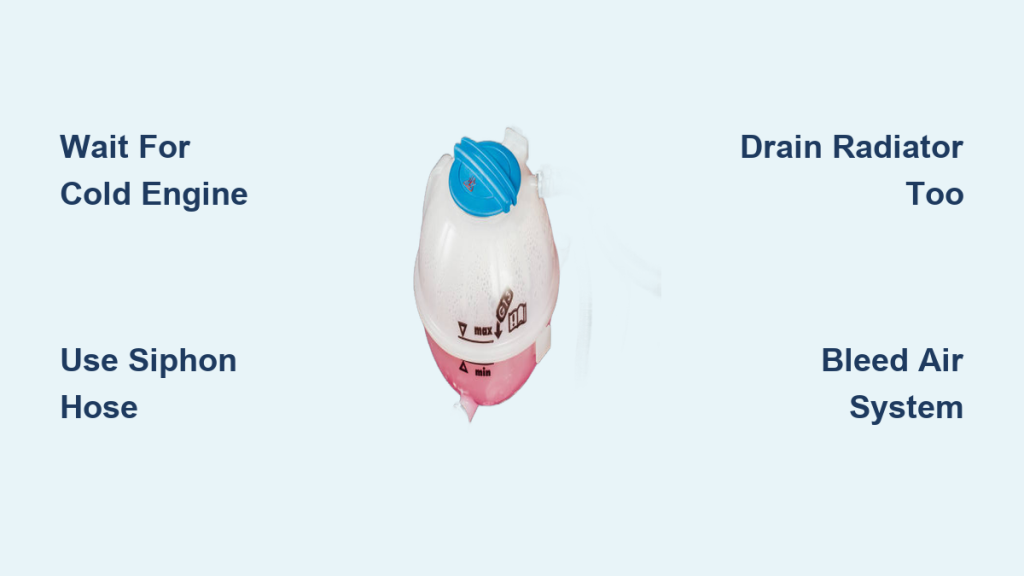
The primary place to add antifreeze is the coolant reservoir, a translucent plastic tank usually found on the driver side or near the radiator. It is marked with Coolant, a radiator symbol, or MIN/MAX fill lines. This tank collects excess coolant when the engine heats up and returns it as the system cools.
If your car lacks a reservoir, common in older models, antifreeze is added directly to the radiator filler neck, but only when the engine is completely cold.
Never Use the Windshield Washer Tank
A frequent mistake is confusing the blue-capped washer fluid reservoir with the coolant tank. They are completely separate systems. Adding antifreeze to the washer tank is only safe if using winter-grade washer fluid with antifreeze properties. Never pour engine antifreeze into the washer system, and never add washer fluid to the coolant reservoir.
Check for Leaks Before Adding
If the coolant level is consistently low, inspect hoses, the radiator, and water pump for leaks. Simply topping off without fixing a leak leads to recurring issues and potential overheating.
How Coolant Works in the Engine System

The cooling system is a closed loop that relies on proper antifreeze concentration to protect your engine under all conditions.
Coolant Circulation Path
The coolant follows this path through your engine:
The water pump pushes coolant through the engine block and cylinder head, where it absorbs heat from combustion. The thermostat opens when the engine reaches operating temperature, allowing hot coolant to move to the radiator. The radiator dissipates heat via airflow and cooling fans. The heater core uses hot coolant to warm the cabin. This continuous cycle prevents overheating and ensures efficient engine performance.
Why Pure Water Is Not Enough
Water alone boils at 100°C and freezes at 0°C, temperatures easily exceeded in real-world driving. Antifreeze changes these limits. A 50/50 mix prevents freezing down to -34°C and raises boiling point to 129°C. Antifreeze also inhibits rust and lubricates the water pump.
Using tap water introduces minerals that cause scaling and corrosion. Always use distilled water when mixing.
Types of Antifreeze: Choose the Right One

Using the wrong type can cause sludge, gasket failure, or clogged passages. Always follow your owner is manual.
IAT (Green) for Older Vehicles
This type is best for cars made before 2000. It contains phosphates and silicates and requires replacement every 2 years or 50,000 miles. Avoid using IAT in modern engines, as it can clog OAT-compatible systems.
OAT (Orange/Red) for GM and Ford
This is a long-life formula lasting up to 150,000 miles. Dex-Cool is a common OAT brand. It is not ideal for high-load diesel engines, as it may cause water pump seal degradation.
HOAT (Yellow/Blue) for European and Chrysler
This hybrid formula combines silicate and organic acids. It protects aluminum components in modern engines and has a service interval of 5 years or 150,000 miles.
NOAT and Si-OAT for Asian and Luxury Brands
NOAT (Blue/Green) is used in Toyota and Honda vehicles. It contains nitrites for cylinder liner protection. Si-OAT (Purple) is used in BMW and Mercedes vehicles. It is silicate-stabilized for rapid protection.
Do not mix coolant types. Chemical incompatibility can form gel that blocks coolant flow and destroys the radiator.
How to Add Antifreeze: Step-by-Step
Follow these steps to safely top off or refill your coolant system.
Step 1: Wait for a Cold Engine
Never open the system when hot. Wait 2 to 3 hours after driving or until radiator hoses are cool to touch. Opening a hot system risks severe burns from pressurized coolant exceeding 100°C.
Step 2: Check Coolant Level and Condition
Look at the reservoir. If the level is between MIN and MAX, it is normal. If it is below MIN, it needs topping off. Inspect the fluid. Clear and bright fluid is good. Rusty, milky, or foamy fluid indicates contamination from an oil leak or air from the head gasket.
Step 3: Prepare the Correct Mixture
Use 50% antifreeze and 50% distilled water unless using pre-mixed coolant. In extreme cold down to -45°C, you can use up to 70% antifreeze. In hot climates, never drop below 50%, as you will lose corrosion protection.
Avoid using pure antifreeze, as it reduces heat transfer by up to 35%.
Step 4: Add Coolant to Reservoir
Wipe the cap area clean. Slowly remove the cap, listening for hissing. Wait if the system is still under pressure. Use a funnel to pour coolant to the MAX line. If filling the radiator directly, open the cap carefully, fill slowly to let air escape, then reinstall the cap tightly.
Step 5: Run Engine to Bleed Air
Start the engine with the heater on max for 10 to 15 minutes. Air pockets rise and escape, ensuring full circulation. Turn off, cool down, then recheck the level and top off if needed.
Step 6: Secure and Clean Up
Tighten the reservoir cap until it clicks. Wipe up spills, as antifreeze is toxic to pets and can damage paint.
When to Replace Coolant
Topping off is not enough forever. Over time, additives deplete and fluid degrades.
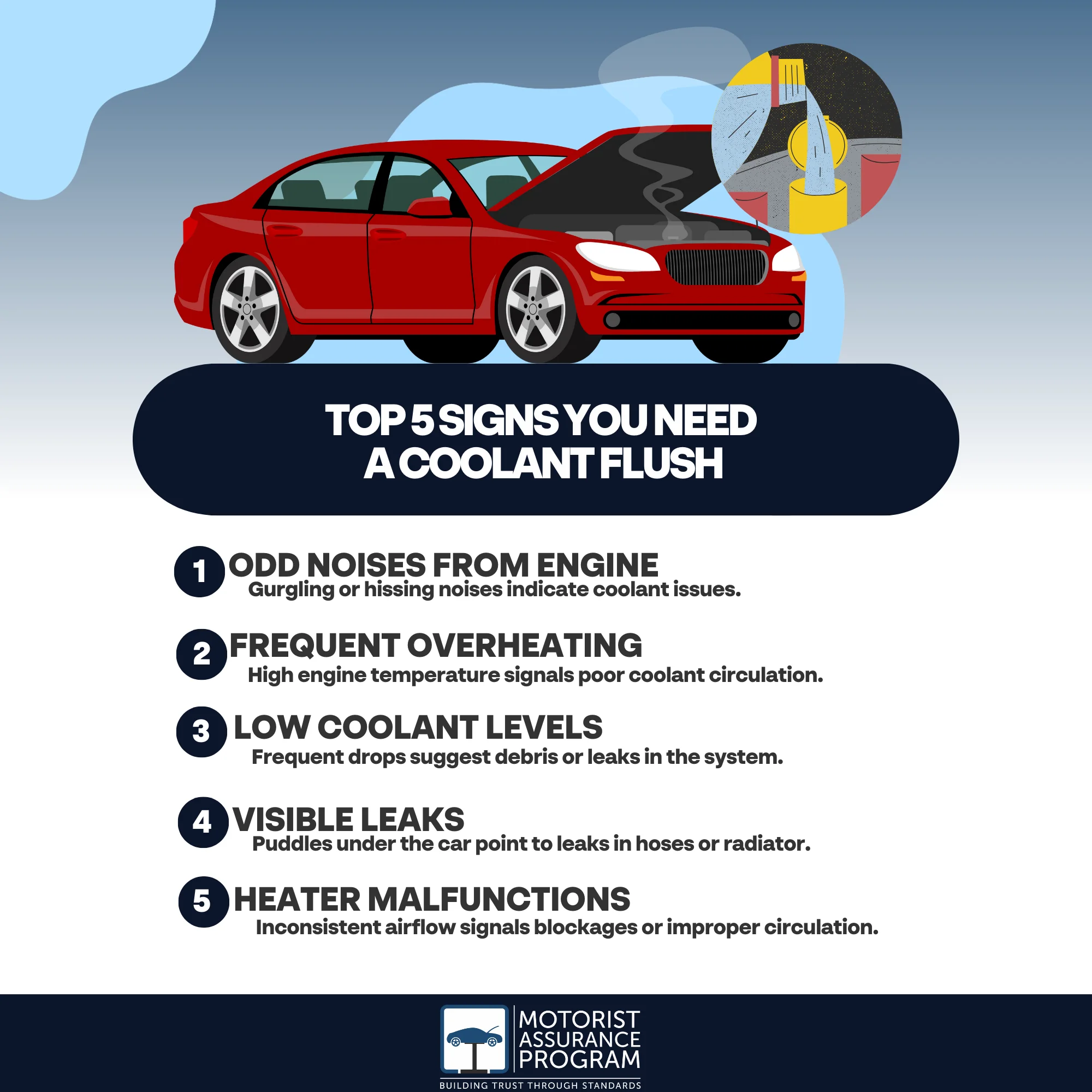
Signs You Need a Coolant Flush
Watch for these warning signs:
Discolored fluid, especially brown, black, or milky appearance, indicates degradation. Sludge or particles in the reservoir suggest buildup. Overheating despite full coolant points to circulation problems. A sweet smell under the hood means leaking antifreeze. Frequent top-offs indicate a leak somewhere in the system.
Recommended Replacement Intervals
Different coolant types have different replacement schedules. IAT (Green) needs changing every 2 years or 50,000 miles. OAT (Orange) and HOAT (Yellow) both last 5 years or 150,000 miles. NOAT and Si-OAT typically need replacement every 3 to 5 years or 100,000 miles.
Some modern vehicles require scan tools to open the thermostat during a flush. Check your service manual for specific requirements.
Common Mistakes to Avoid
Even small errors can lead to big problems. Here is what not to do.
Adding Only Water
Diluting coolant with water reduces freeze and boil protection and corrosion inhibitors. Always use the proper mixture.
Mixing Different Coolant Types
Combining OAT and IAT creates a gel that clogs the radiator and heater core. One mechanic reported a $1,200 repair bill after a DIYer mixed green and orange coolant.
Overfilling the Reservoir
Excess coolant expands when hot and cannot be contained, leading to expulsion through the overflow hose. Fill only to the MAX line.
Using Tap Water
Minerals in tap water cause scaling and corrosion. Always use distilled water when mixing concentrate.
Ignoring Coolant Color Myths
Color is not a reliable indicator. Some OAT coolants are red, others dark green. Always read the label and match OEM specifications.
How to Test Your Coolant
Do not guess. Verify your coolant condition and protection level.
Use a Coolant Tester (Hydrometer)
This tool sucks fluid from the radiator when the engine is cold. It shows if freeze protection is sufficient, down to -34°C or lower. Coolant testers are available at auto parts stores for $10 to $25.
Check pH with Test Strips
Coolant should be slightly alkaline, with a pH of 8 to 10. Low pH indicates acidity and corrosion risk. Replace the coolant if pH drops below 7.5.
Free Testing at Auto Shops
Many stores like AutoZone, O Reilly, and Advance Auto Parts offer free coolant testing and disposal.
Safety and Environmental Tips
Antifreeze is effective but dangerous if mishandled.
Toxicity to Pets and Kids
Ethylene glycol is sweet-tasting but deadly. As little as 2.5 ounces can kill a dog. Clean spills immediately. Store in closed containers out of reach. Consider propylene glycol-based antifreeze, which is less toxic, for homes with pets.
Burn Prevention
Never open the coolant reservoir or radiator when hot. Wait until the engine is cool, even after a short drive.
Proper Disposal
Used coolant contains heavy metals and toxins. Do not pour it down drains or on the ground. Take it to an auto parts store or recycling center for safe disposal.
Final Thoughts on Antifreeze and Coolant
Yes, antifreeze goes in the coolant system. It is the essential ingredient that keeps your engine safe from freezing, boiling, and rust. By adding the right type, in the correct 50/50 mix, to the proper reservoir, you ensure long-term engine health. Check levels twice a year, replace coolant on schedule, and never mix incompatible types. A few minutes of maintenance can prevent thousands in repairs. Stay safe, stay cool, and keep driving with confidence.
Frequently Asked Questions About Antifreeze and Coolant
Can I add antifreeze directly to my car?
You should not add pure concentrated antifreeze directly to your car. It must be mixed with distilled water in a 50/50 ratio to form proper coolant. Using pre-mixed coolant is the easiest and safest option.
What happens if I use the wrong coolant type?
Using the wrong coolant type can cause chemical reactions that form gel or sludge. This blocks coolant flow and can destroy your radiator, heater core, and water pump. Always match the coolant type to your vehicle manufacturer specifications.
How often should I check my coolant level?
Check coolant level at least twice a year, ideally before summer and winter. Also check it if you notice overheating, the temperature warning light comes on, or you see steam from the engine.
Is it okay to mix water with coolant when topping off?
If you only need to add a small amount, topping off with pre-mixed coolant is best. If you are adding concentrate, mix it with distilled water first. Using tap water introduces minerals that cause corrosion and scaling.
Can I use antifreeze in the windshield washer reservoir?
Only use winter-grade washer fluid that contains antifreeze properties. Never pour engine antifreeze into the washer tank, and never add washer fluid to your coolant system. These are completely separate systems.
What are the signs of a coolant leak?
Signs include frequent need to top off, a sweet smell under the hood, discolored patches on the ground under your car, low coolant warning light, and engine overheating. Inspect hoses, the radiator, and water pump for visible leaks.