
Engine coolant is one of the most overlooked yet critical fluids in your vehicle. Responsible for regulating engine temperature, preventing freezing and boiling, and protecting internal components from corrosion, it’s far more than just colored water. Over time, coolant degrades—its additives wear out, pH drops, and contaminants build up—putting your engine at risk of overheating, rust, and even catastrophic failure. So how often should you change coolant? The answer isn’t one-size-fits-all. It depends on your vehicle’s make and model, the type of coolant used, driving conditions, and time in service.
This guide cuts through the confusion with data-backed recommendations, real-world insights, and actionable steps to keep your cooling system in top shape.
Follow the Owner’s Manual First
The single most reliable source for coolant change intervals is your vehicle’s owner manual. Manufacturers design service schedules based on extensive testing under various conditions, and ignoring them can lead to premature wear or voided warranties.
Why Manual Guidelines Trump General Advice
Deviating from factory recommendations, especially with modern extended-life coolants, can cause long-term damage. Using a 30,000-mile rule on a car designed for 100,000-mile intervals may lead to unnecessary labor and chemical exposure to system components. Conversely, extending beyond recommended limits risks additive depletion and internal corrosion.
A Honda Civic owner admitted never changing coolant by 80,000 miles despite a 30,000-mile manual recommendation, highlighting the danger of neglect. Always verify the exact coolant specification required for your engine.
When to Recheck the Manual
After purchasing a used car with unknown maintenance history, before switching coolant types, or if you drive under severe conditions, take time to verify your manual. Using the wrong type, even if it looks right, can trigger sludge, gel formation, or seal damage.
Know Your Coolant Type and Lifespan
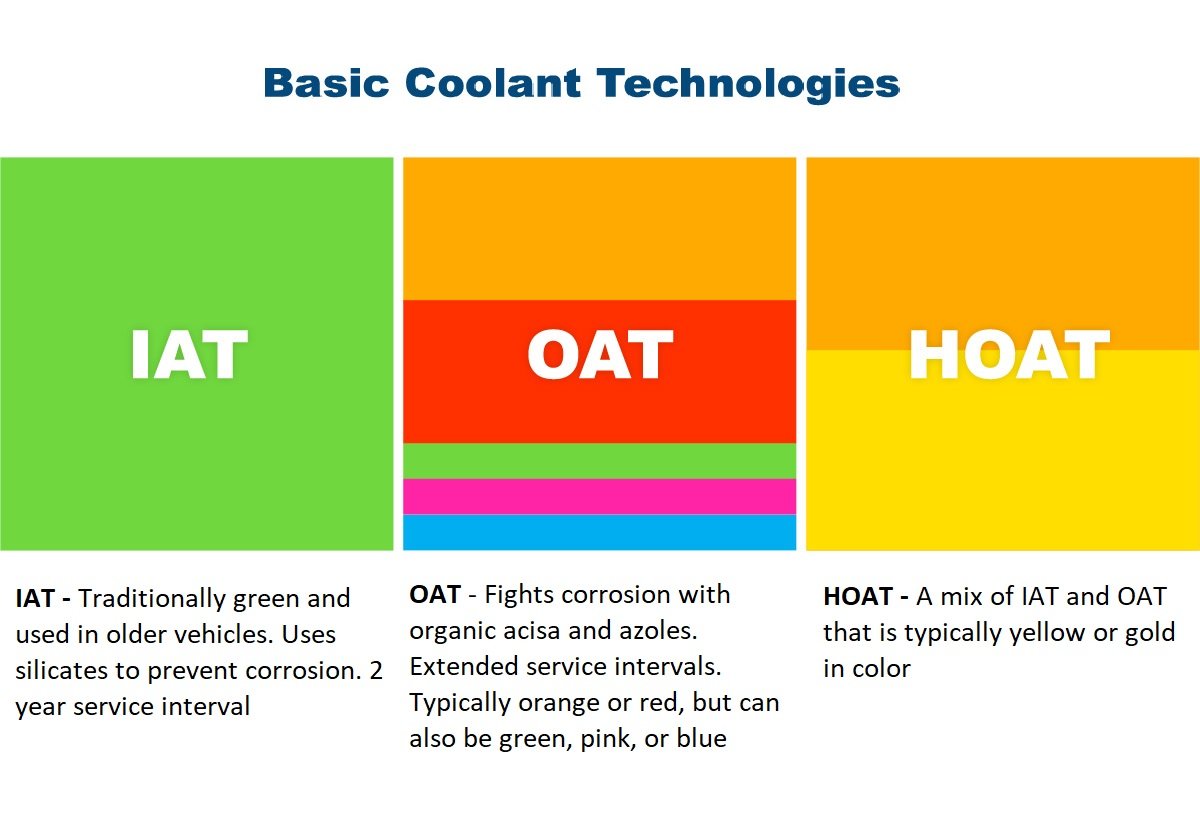
Coolant longevity is not determined by color—it is defined by its chemical formulation. Mixing incompatible types can destroy your cooling system.
IAT Coolant: 2–3 Years or 30K–60K Miles
Inorganic Additive Technology, typically green, was standard in vehicles before 2000. It contains silicates and phosphates that protect metals quickly but deplete fast. This type is best for older American, European, and Asian models. However, it is highly abrasive to water pump seals over time.
OAT Coolant: 5 Years or 100K–150K Miles
Organic Acid Technology, often orange like GM’s Dex-Cool, offers longer life due to slow-acting organic acids. It is best for GM, VW, and some Toyotas. Caution: Slow protection build-up means this type is not ideal for short-trip driving.
HOAT and Si-OAT: 5 Years or 100K Miles
Hybrid Organic Acid Technology blends silicates with organic acids for balanced protection. Common in Ford, Chrysler, and many Asian brands, Honda Blue II is often classified as HOAT or Si-OAT. It is less abrasive than green coolant and better for modern water pumps.
NOAT: 5–8 Years for Diesel Engines
Nitrited Organic Acid Technology protects wet cylinder liners in diesel engines from cavitation erosion. Used in heavy-duty trucks and commercial vehicles, it requires specific formulations and should never be substituted with passenger car coolants.
Time vs. Mileage: Which Matters More
Coolant breaks down over time even if you do not drive much. Chemicals degrade, pH drops, and moisture accumulates, increasing corrosion risk.
The Whichever Comes First Rule
Most manufacturers state change coolant every X years or Y miles, whichever comes first. This is non-negotiable for low-mileage vehicles. A car driven only 40,000 miles over 6 years still needs a coolant change due to time-based degradation.
Even sealed systems are not immune. Ethylene glycol absorbs moisture from the air, lowering freeze protection and accelerating acid formation.
Test Coolant Condition Regularly
Relying solely on mileage or time ignores actual fluid health. Smart owners use condition-based maintenance to extend or shorten intervals safely.
Use pH Test Strips
Available online or at auto parts stores, these strips measure acidity. Healthy range is pH 8.5 to 10.5. Danger zone is below pH 7.0, indicating acidic fluid with high corrosion risk. Test every 12 to 18 months, especially in garaged, low-mileage cars.
Visual Inspection Checklist
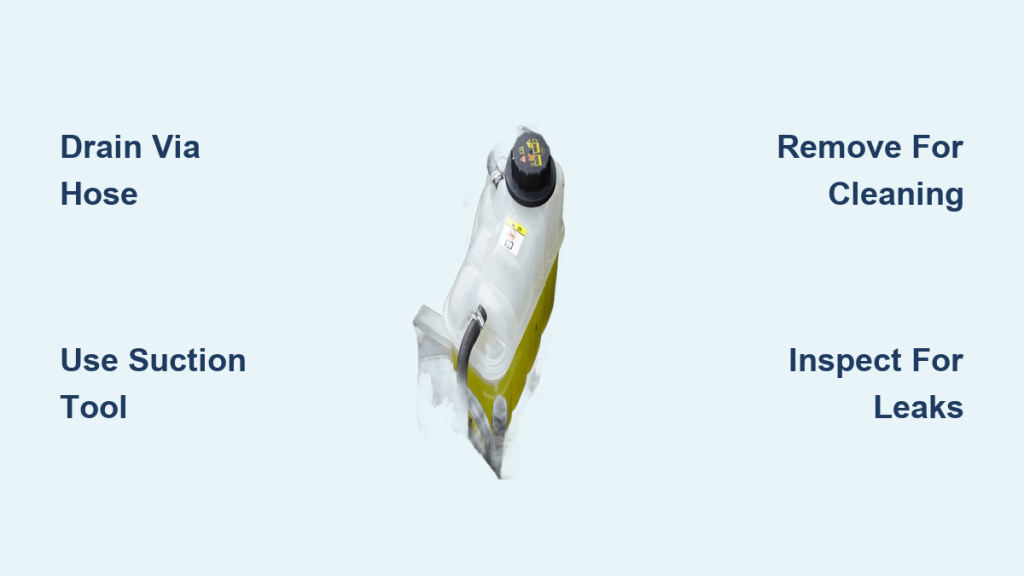
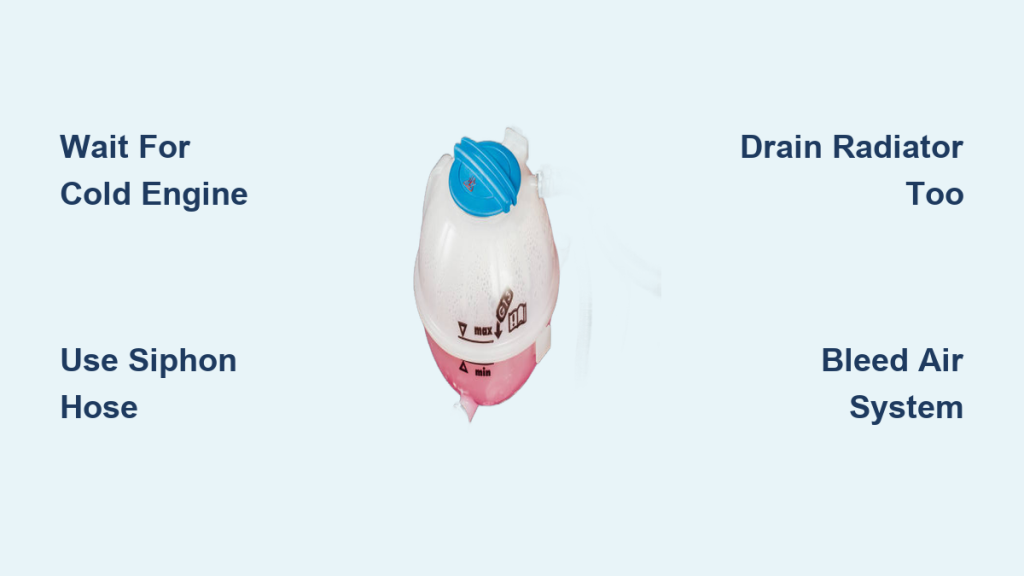
Open the radiator cap when cool and inspect the fluid. Bright and clear fluid means good condition. Dark green, brown, or black indicates oxidation or contamination. Cloudy or milky appearance suggests an oil leak, possibly from a head gasket failure. Crusty deposits around the cap indicate hard water use or expired inhibitors.
Replace Coolant During Major Repairs
Many savvy owners skip dedicated flushes and replace coolant only when the system is opened, a strategy known as opportunistic replacement.
Common Repairs That Require Drainage
Water pump replacement often coincides with timing belt service. Radiator replacement, thermostat swap, heater core repair, and coolant hose repair all require draining the system. When the system is already apart, it is the perfect time to install fresh, clean fluid.
Always log every service, recording date, mileage, coolant type and brand, method used, and any observations about color, debris, or smell.
Coolant Flush vs. Drain and Fill
Not all coolant changes are equal. The method you use determines how thoroughly the system is refreshed.
Drain and Fill: Only 50–70% Replacement
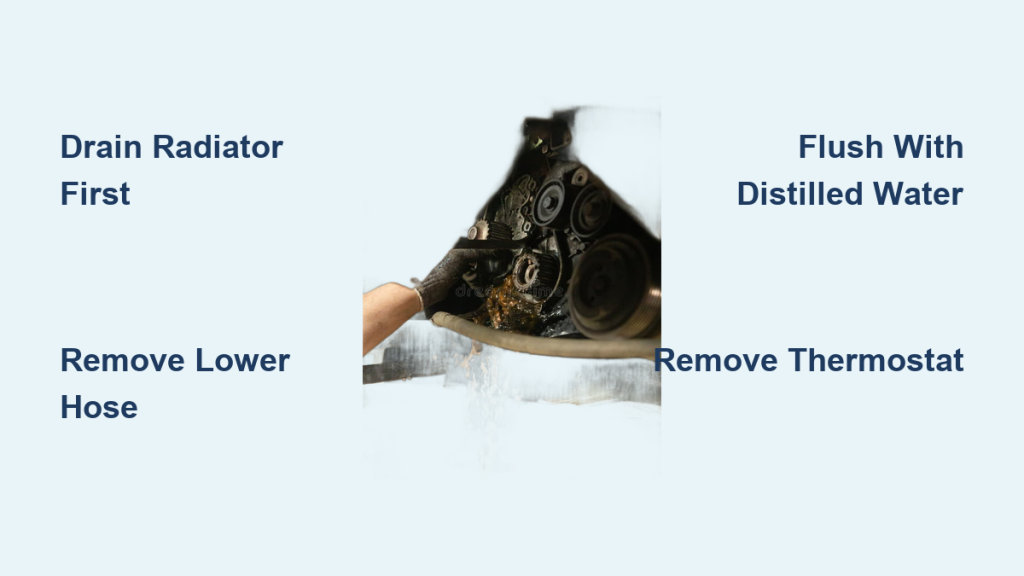
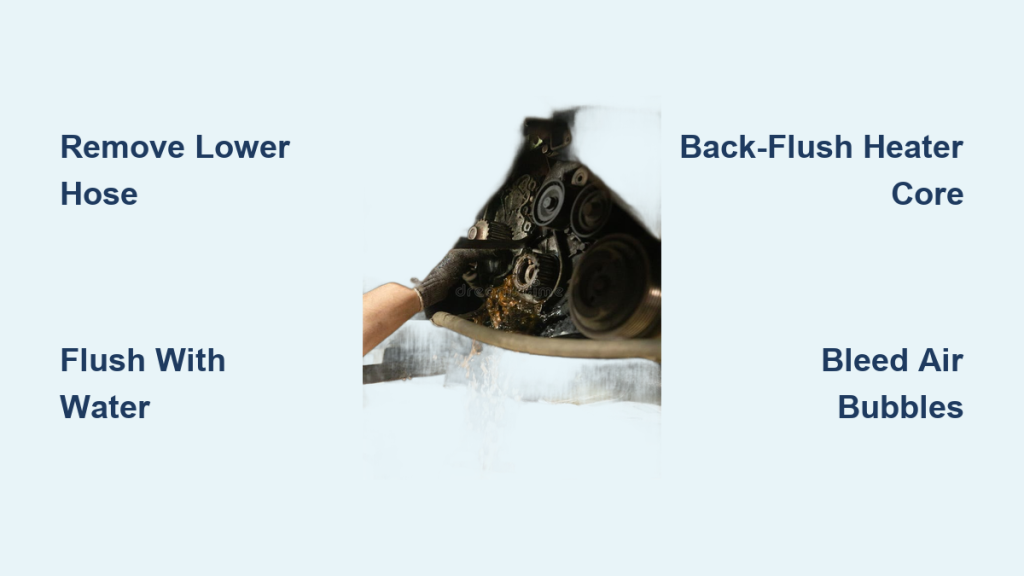
Simply opening the petcock or removing the lower hose drains fluid from the radiator, but up to half remains trapped in the engine block, heater core, and passages. This method is quick and easy but leaves old coolant behind, which is risky when switching types.
Full Coolant Flush: 95%+ Replacement
A proper flush uses pressurized water or a machine to push out nearly all old fluid. This removes sludge, scale, and contaminants. It is essential when changing coolant chemistry and recommended for first service after 100,000 miles. Use distilled water in the flush cycle to prevent mineral deposits.
Severe Driving Conditions Require Shorter Intervals
Even long-life coolants degrade faster under stress. If you regularly drive under severe conditions, halve your interval.
High-Risk Scenarios
Frequent towing or hauling, stop-and-go city traffic, prolonged idling, extreme heat or cold, off-road or dusty environments, and short trips where the engine never fully warms up all accelerate coolant breakdown. Moisture from incomplete warm-ups condenses in the system, diluting inhibitors and promoting rust.
Switch to 3-year or 30,000-mile intervals under severe use, regardless of factory specs.
Signs Coolant Needs Immediate Change
Do not wait for the schedule if you see these red flags.
Discolored or Contaminated Fluid
Rusty, brown, or black fluid indicates oxidation. Milky fluid suggests oil contamination from a head gasket or transmission cooler leak. Gel or sludge means mixed coolant types.
Overheating or Temperature Spikes
Gauge in the red zone, intermittent hot/cold swings, or coolant boiling in the reservoir all require immediate shutdown to prevent head warping or engine seizure.
Sweet Smell or Leaks
Ethylene glycol has a distinct sweet odor. Puddles under the car in green, orange, pink, or blue and frequent need to top off the reservoir indicate external leaks or internal failure like a bad heater core.
Gurgling Noises or Poor Heat
Air pockets from low coolant or improper bleeding cause gurgling noises. Cabin heater blowing cold despite normal temperature suggests system compromise.
DIY vs. Professional Coolant Service
You can save money doing it yourself, but only if you do it right.
DIY Advantages
DIY saves $100 to $150 per flush and gives you full control over coolant quality. It also provides a chance to inspect hoses, clamps, and the reservoir.
What You Will Need
You will need the correct coolant type per your manual, distilled water never tap water, a drain pan, funnel, gloves, and eye protection. Air bleeding procedure is critical for some models. Incomplete bleeding causes overheating, which is common on BMWs, Audis, and turbo engines.
When to Go Professional
Hire a pro for the first coolant change after 100,000 miles, coolant conversions, vehicles requiring special bleeding, or when signs of contamination or sludge appear. Professionals use flush machines, pressure test for leaks, and dispose of toxic waste properly.
Prevent Costly Failures
Neglecting coolant leads to cascading failures. Compare these average costs: water pump replacement runs $400 to $800, radiator replacement costs $300 to $900, head gasket repair runs $1,500 to $2,500, and an engine rebuild costs $3,000 to $7,000 or more. A $100 to $200 coolant flush is one of the best ROI maintenance tasks you can do.
Optimal Coolant Change Strategy
Here is a practical, data-driven plan to maximize engine life.
0 to 5 Years or 0 to 50K Miles: Monitor
Check coolant level monthly and inspect color during oil changes. No flush is needed unless contamination occurs.
At 5 Years or 50K Miles: First Flush
Perform a complete coolant flush using manufacturer-specified fluid. Record the date, mileage, and type.
Every 3 Years or 36K Miles: Repeat
This interval is especially important for older vehicles or harsh conditions. Test pH and freeze point annually.
For Long-Life Systems
Verify condition at the 5-year mark. Flush if pH drops below 8.5 or visual issues appear. Do not assume lifetime means never.
After Any Major Cooling System Repair
Always replace coolant and never reinstall old fluid, even if it looks clean.
Frequently Asked Questions About Changing Coolant
How often should I change my coolant based on mileage alone
Most manufacturers recommend changing coolant every 30,000 to 150,000 miles depending on the coolant type. Conventional green coolant needs changing every 30,000 to 60,000 miles, while modern extended-life coolants can last 100,000 to 150,000 miles. Always check your owner’s manual for the specific interval.
Does coolant go bad if I do not drive my car often
Yes. Coolant degrades over time even in low-mileage or stored vehicles. Chemical additives deplete, pH drops, and moisture absorption occurs. Most manufacturers recommend changing coolant every 2 to 5 years regardless of mileage.
Can I reuse coolant after draining it
Yes, with caution. You can reuse coolant if it is clear, debris-free, and tests within acceptable pH and freeze point ranges. Do not reuse if oil or combustion gas contamination is suspected, if you are mixing different types, or if the vehicle has a known overheating history.
What happens if I never change my coolant
Neglecting coolant leads to additive depletion, internal corrosion, scale and sludge buildup, water pump failure, radiator clogging, thermostat sticking, head gasket damage, and potentially catastrophic engine seizure. The cost of neglect far exceeds the $100 to $200 for a flush.
How do I know if my coolant needs changing now
Look for discoloration like rust, brown, or black fluid. Milky or cloudy appearance signals oil contamination. A sweet smell indicates an ethylene glycol leak. Frequent need to top off, overheating episodes, or poor cabin heating all suggest immediate attention is needed.
Is it okay to mix different colored coolants
No. Mixing incompatible coolant types can cause gel formation, sludge, and blockages. Always use the coolant type specified in your owner’s manual. If switching types is necessary, perform a complete system flush to remove all traces of the old fluid.
Key Takeaways for Maintaining Your Coolant System
Coolant is not fill-and-forget fluid. It degrades with time and use, and no modern formulation lasts forever. Whether you drive a high-mileage truck or a weekend cruiser, a disciplined coolant maintenance plan prevents expensive repairs, ensures reliable performance, and extends engine life. The owner’s manual remains your primary source for interval and type specifications, but regular testing and visual inspection add an extra layer of protection. Check your coolant condition, know your type, test regularly, and act before problems arise. Your engine will thank you for the minimal investment in preventive maintenance.