
Your Mercedes-Benz temperature gauge climbing into the red zone is never a good sign. A failing radiator can turn a routine drive into a catastrophic engine failure within minutes, leaving you with blown head gaskets or warped cylinders. The cooling system is your engine’s lifeline, and on classic Mercedes models built between 1978 and 1995, brittle plastic necks and aging hose clamps create known weak points. The good news is that most radiator problems show warning signs early, and affordable repair options exist for vintage Mercedes owners. This guide walks you through the exact symptoms to watch for, how to diagnose the issue, and whether you need a full replacement or a simple repair that costs under $50.
Decode Overheating Warning Signs on Your Mercedes
Sudden Temperature Gauge Spike
A rapid climb in your engine temperature gauge is the clearest sign of cooling system failure. If the needle jumps into the red zone shortly after starting the engine, stop driving immediately. This often means the thermostat is stuck closed, coolant isn’t circulating, or the radiator is blocked. Prolonged operation can destroy the engine in under 10 minutes.
Pro Tip: If the gauge spikes but drops again after stopping, check for low coolant or air pockets trapped in the system.
Steam Escaping From the Hood
Visible white steam seeping from under the hood means coolant is boiling due to excessive heat. This is a critical emergency that requires you to pull over and shut off the engine right away. Never open the radiator cap while hot, because pressurized coolant can burst out and cause severe burns.
Cold Air From Your Cabin Heater
Even in freezing weather, your heater blowing cold air is a major red flag. The heater core relies on hot engine coolant flowing through the system. If the radiator is clogged, leaking, or the thermostat isn’t opening, no hot coolant reaches the cabin. This symptom often appears before full overheating, giving you valuable early warning.
Identify Coolant Leaks Visually
Check for Puddles Under the Car
A bright yellow, pink, or green puddle under the front of your Mercedes is almost certainly coolant. Unlike oil, which is dark and greasy, coolant is sweet-smelling and slippery to the touch. Trace the leak source by cleaning the engine bay first, then inspecting after a short drive.
Common Leak Points:
– Radiator cap seal
– Upper and lower radiator hoses
– Plastic radiator tank, especially on 1978 to 1995 models
– Water pump weep hole
– Heater hoses and connections
Inspect the Radiator for Rust and Corrosion
External rust appears as flaky orange spots on metal fins. Light surface rust can be cleaned, but deep pitting means replacement is needed. For internal rust, open the coolant reservoir and check the fluid color. If the coolant looks dark brown or sludgy, corrosion is eating the inside of your system and you should flush immediately.
Find Cracked Plastic Tanks
The upper radiator tank on many older Mercedes models like the W123, 300D, and 300E is made of plastic that becomes brittle over time. Inspect carefully for hairline cracks near hose connections, broken-off necks, and cloudy or warped plastic surfaces.
Note: 500SEL, 560SEL, and 560SL models use different radiator designs. Standard repair kits won’t fit these vehicles.
Diagnose Internal Cooling Failures
Test the Thermostat Function
A stuck-closed thermostat blocks coolant flow and causes instant overheating. To check it, start the engine cold and feel the upper radiator hose after 5 to 10 minutes. If the hose stays cold while the engine heats up, the thermostat isn’t opening. Replace the thermostat, which is a $20 part and a 30-minute job.
Warning: Never drive with a faulty thermostat. Overheating damage occurs fast.
Verify Water Pump Operation
The water pump circulates coolant throughout the system. If it fails, heat builds with no warning at all. Signs of failure include a whining or grinding noise from the front of the engine, coolant leaking at the pump’s weep hole, and overheating with no visible external leak.
Pro Tip: When replacing the radiator, replace the water pump too. It is often driven by the same belt and access is similar.
Assess Radiator Fin Damage
Front-mounted fins cool the fluid via airflow while you drive. Even minor damage reduces cooling efficiency significantly. Look for bent or crushed fins from debris or pressure washing, clogged fins packed with bugs or dirt, and blocked airflow from a damaged grille.
Fix: Use a fin comb to straighten bent fins. Replace the radiator if more than 30% of fins are damaged.
Repair a Plastic Radiator Neck on 1978 to 1995 Models
Confirm Repair Feasibility
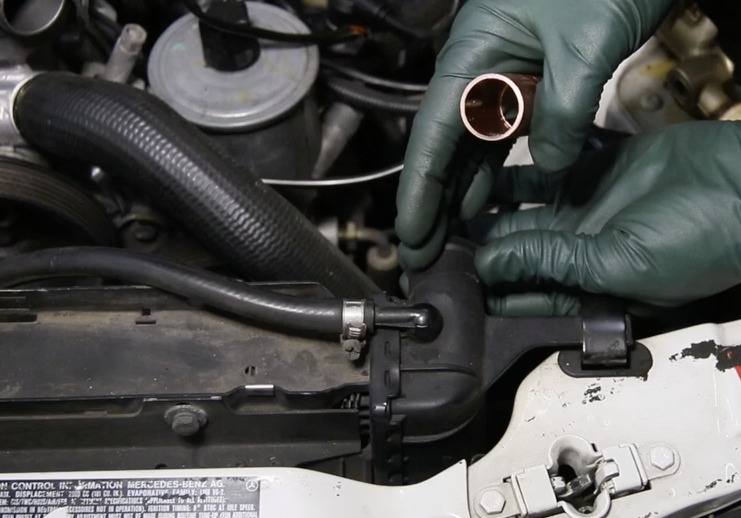
Not all broken necks can be fixed with a kit. A repair is possible if the break is clean and central on the neck, the tank wall is intact, and there are no multiple fragments or deep cracks extending into the tank body. If the break is near the tank base or the plastic is crumbling, replace the radiator instead.
Gather the Repair Kit Tools
Use a Plastic Radiator Broken Upper Neck Repair Kit (SKU: COM-BROKENECKKIT). The kit includes a reinforcement copper tube, high-temperature epoxy, sanding pads, stainless steel pin screws, a wide stainless hose clamp, and protective gloves. Expect to pay between $24.95 and $31.95, which is far cheaper than a $300 or more radiator replacement.
Follow the Repair Steps
- Drain the coolant completely from the system.
- Clean and sand the broken neck area to ensure proper epoxy adhesion.
- Insert the copper tube into the neck for internal structural support.
- Apply epoxy over the break and around the copper tube.
- Insert pin screws to hold the structure during the curing process.
- Secure everything with the wide hose clamp and tighten evenly.
- Wait 24 hours for full epoxy cure before refilling the coolant.
Critical: Never start the engine before the epoxy is completely dry.
Flush and Maintain the Coolant System
Stick to a 2-Year Flush Interval
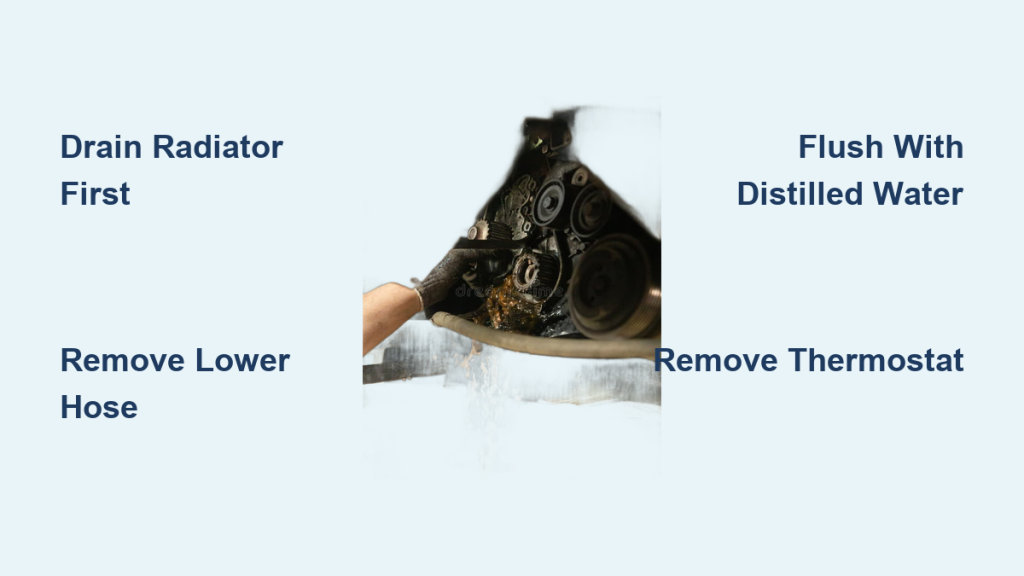
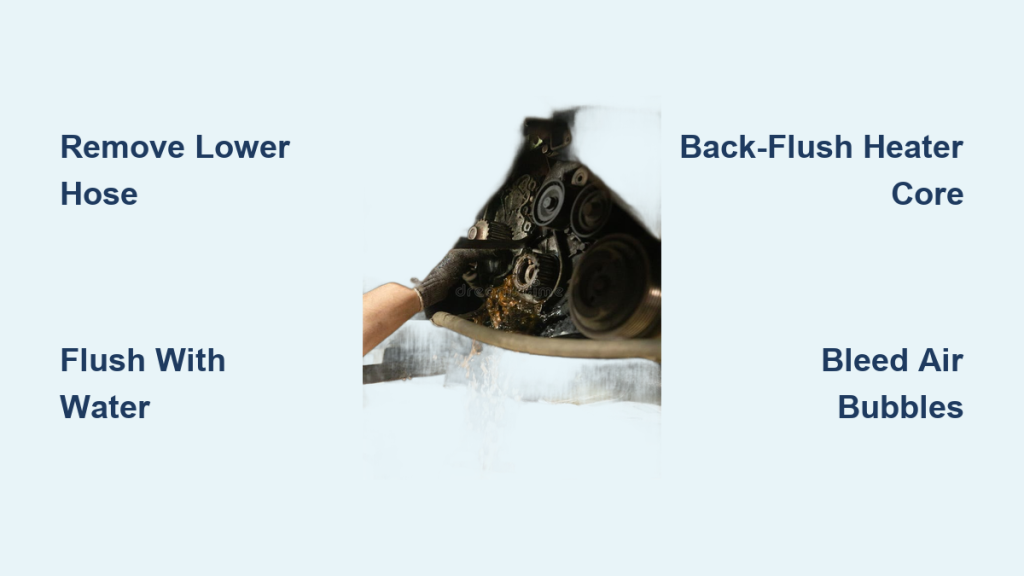
Mercedes recommends coolant replacement every two years, even if the fluid looks clean. Old coolant loses its anti-corrosion properties, which leads to internal rust and clogs. Follow these flushing steps:
- Drain old coolant from the radiator and engine block.
- Flush with distilled water until the output runs clear.
- Refill with correct Mercedes-approved coolant such as G48 or MB 325.0.
- Bleed air from the system using the bleed valve.
Warning: Mixing coolant types can cause gel formation and dangerous blockages.
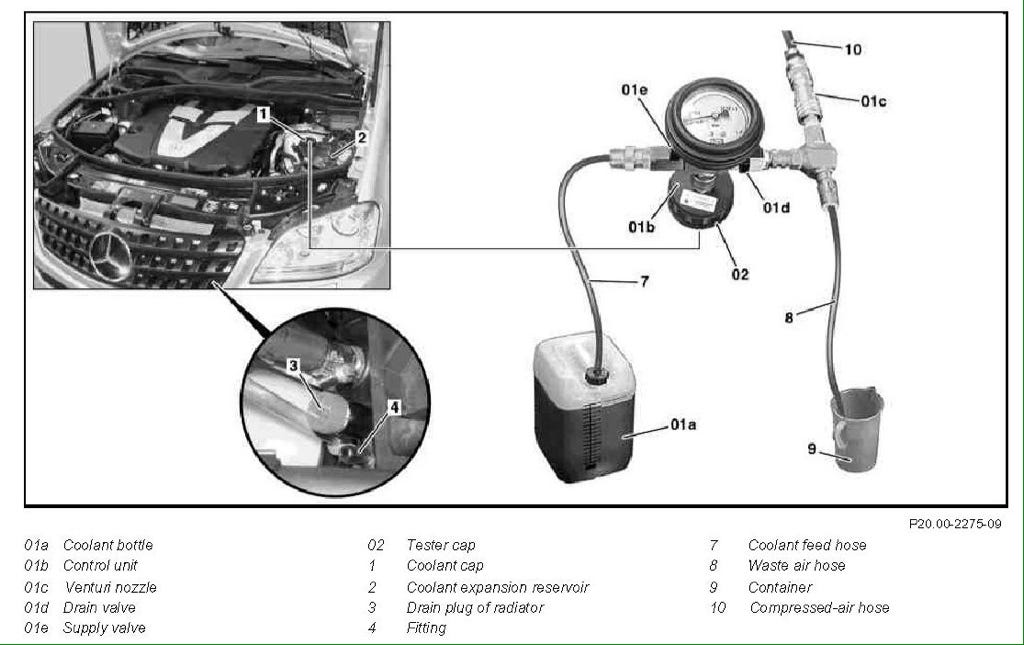
Pressure Test for Hidden Leaks
After a flush or repair, pressure test the system to catch leaks you cannot see. Attach a hand pump to the radiator cap opening and pressurize to 1.4 bar, which is standard for most Mercedes vehicles. Watch the gauge for 10 minutes. Any drop indicates a hidden leak.
Best Practice: Have this done by a specialist. Many independent shops include pressure testing with their coolant service.
Replace the Radiator When Necessary

When to Replace Instead of Repair
Replace the radiator if fins are severely crushed or corroded, multiple cracks appear in the plastic tank, internal clogs prevent proper flow, or repairs have failed repeatedly. OEM radiators cost more but match original specifications. Aftermarket units save money but quality varies significantly between brands.
Choose the Right Replacement
For 1978 to 1995 models, verify the fit for your specific chassis such as W123 or W124. Confirm coolant capacity and hose orientation match your vehicle. Prefer units with metal tanks for longer service life.
Upgrade Tip: Install a wide stainless hose clamp on the upper neck, even on new radiators, to prevent clamp failure down the road.
Prevent Future Radiator Failures
Inspect Hoses and Clamps Annually
Old rubber hoses develop cracks over time. Original hose clamps on W123 300TD models are especially prone to loosening. Replace hoses every 5 years and upgrade to worm-drive or constant-tension clamps. Check tightness after long drives to catch issues early.
Monitor Coolant Color Monthly
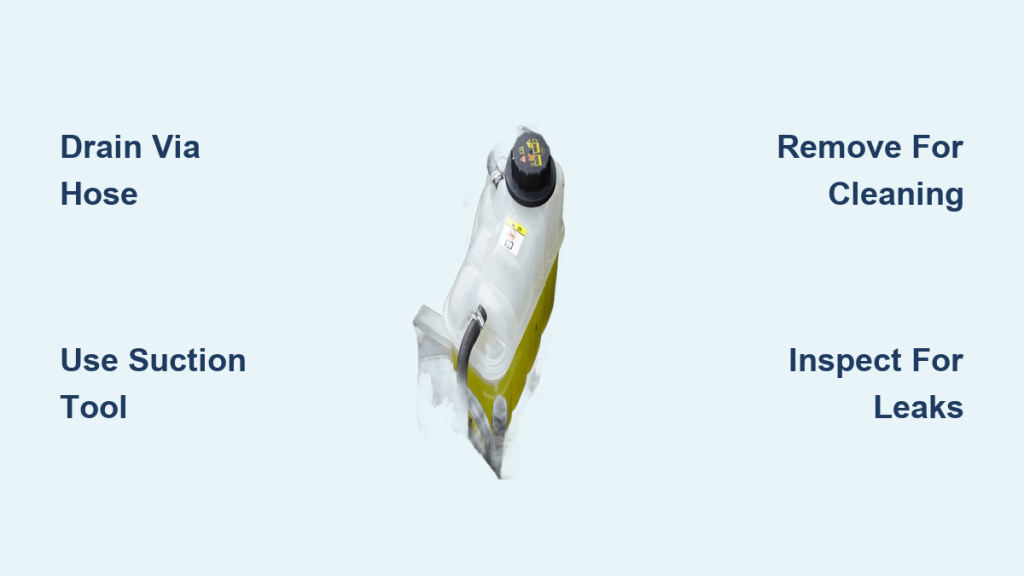
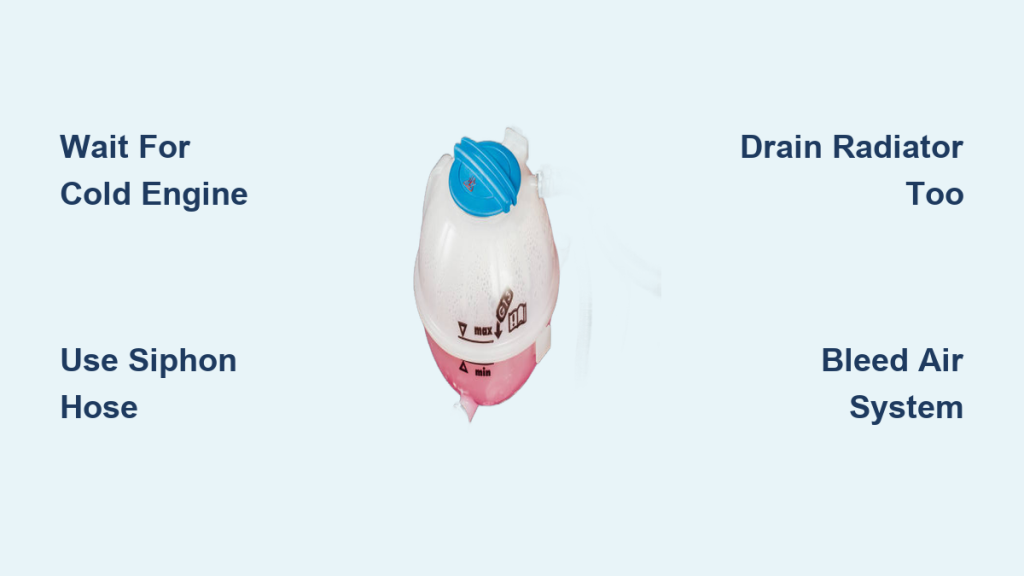
Open the expansion tank when the engine is cold. Coolant should appear bright in green, pink, or yellow tones. If it looks dark brown, flush immediately because rust is forming inside the system.
Avoid High-Pressure Washing
Never use a pressure washer on the radiator fins. The high pressure bends fins and accelerates plastic aging. Instead, rinse gently with a regular garden hose.
Know Repair Costs and Options
Repair Kit vs. Full Replacement
| Option | Cost | Labor | Lifespan |
|---|---|---|---|
| Neck Repair Kit | $25 to $32 | 1 to 2 hours | 3 to 5+ years if done correctly |
| Radiator Replacement | $300 to $800 | 2 to 4 hours | 10+ years |
DIY Savings: The repair kit pays for itself in labor alone.
Find a Qualified Technician
Look for Mercedes-specialized shops rather than general mechanics. Confirm ASE or equivalent certification, ask about OEM or high-quality aftermarket parts, and verify they offer pressure testing and bleeding capability.
Urgency: If overheating occurs, stop driving and get help immediately. Engine repairs cost thousands of dollars.
Frequently Asked Questions About Mercedes-Benz Radiator Repair
How much does Mercedes radiator repair cost?
A plastic neck repair kit costs between $24.95 and $31.95 and takes 1 to 2 hours to install. Full radiator replacement runs $300 to $800 depending on your model and whether you choose OEM or aftermarket parts. Labor adds another $200 to $400 at most independent shops.
Can I drive my Mercedes with a leaking radiator?
Driving with a coolant leak is extremely risky. Even a small leak can cause complete coolant loss within minutes, leading to catastrophic engine damage. If you notice a leak, top off the coolant and drive directly to a repair shop, or have the vehicle towed to avoid further damage.
How long does a Mercedes radiator last?
A quality OEM radiator typically lasts 10 or more years with proper maintenance. Aftermarket units vary but usually last 5 to 8 years. Regular coolant flushes every two years significantly extend radiator life by preventing internal corrosion.
What causes radiator failure in older Mercedes models?
The most common cause on 1978 to 1995 Mercedes vehicles is plastic upper neck failure. The plastic becomes brittle from thermal cycling and vibration, eventually cracking or breaking off entirely. Aging hose clamps and internal corrosion from old coolant are secondary causes.
Is it worth repairing a Mercedes radiator or replacing it?
Repair makes sense when the damage is limited to the upper plastic neck and the rest of the radiator is in good condition. A $30 kit can save a $700 replacement. However, if the radiator has multiple cracks, severe fin damage, or internal clogs, replacement is the better long-term investment.
How do I know if my Mercedes thermostat is bad?
A failing thermostat typically causes rapid overheating shortly after startup. You can test it by feeling the upper radiator hose after the engine warms up. If the hose stays cold while the gauge climbs, the thermostat is stuck closed and needs replacement. A $20 thermostat takes about 30 minutes to swap out.
Key Takeaways for Mercedes-Benz Radiator Repair Success
Recognizing early warning signs like overheating, coolant leaks, and heater failure gives you the chance to intervene before engine damage occurs. For 1978 to 1995 models, a $30 repair kit can save a $700 radiator replacement when the plastic neck breaks. Prevention remains your best strategy. Flush your coolant every two years, inspect hoses annually, and upgrade weak clamps before they fail. If you spot any of the symptoms covered in this guide, act quickly. Schedule a pressure test with a Mercedes specialist today and protect your engine from the costly damage that follows cooling system failure.