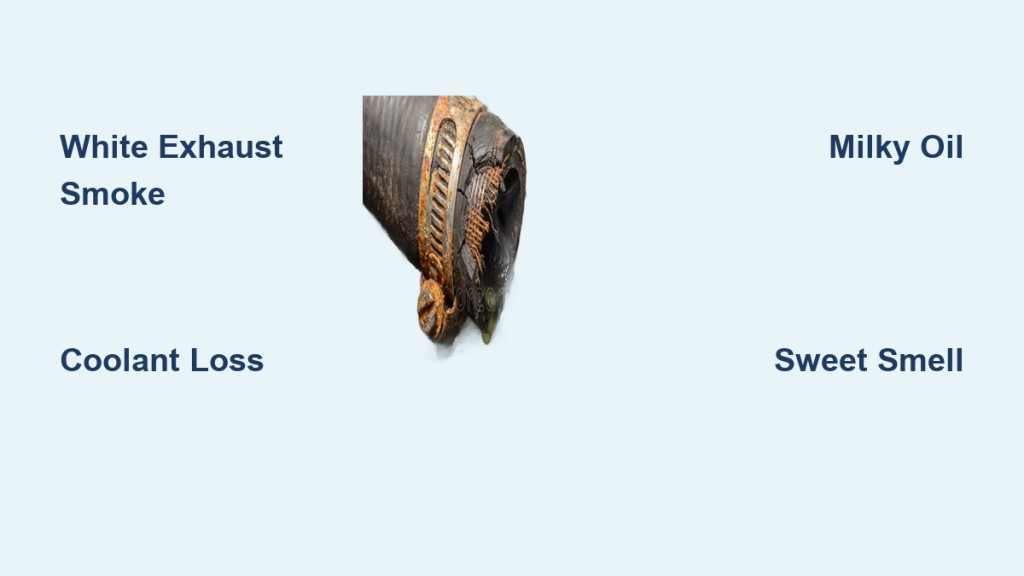
Is your car losing coolant but you cannot find a leak anywhere? Are you noticing strange white smoke from the exhaust or a sweet smell when driving? You might be dealing with a serious issue: your engine could be burning coolant. Unlike external leaks that leave visible puddles under your car, burning coolant happens internally. Coolant sneaks into the combustion chamber and burns along with fuel, often without obvious signs. This silent problem can lead to overheating, misfires, and even complete engine failure if ignored.
The good news: there are clear, observable clues that point to coolant burning. From white exhaust smoke to clean spark plugs and mysterious coolant loss, these symptoms can help you diagnose the issue before it becomes catastrophic. In this guide, you will learn how to identify every sign of burning coolant, confirm it with reliable tests, and understand what is really going wrong under the hood.
Identify White Exhaust Smoke
Recognize Persistent White Smoke
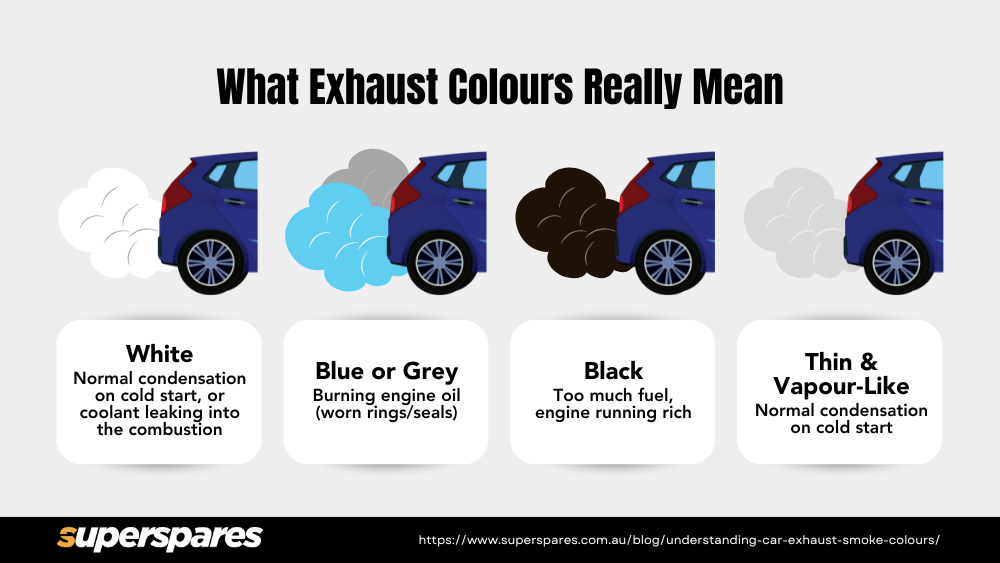
One of the most telling signs your car is burning coolant is thick white or grayish-white smoke coming from the exhaust. Unlike normal condensation vapor that disappears quickly in cold weather, this smoke lingers and often gets worse when accelerating. If you see consistent white smoke during idle, startup, or under load, coolant is likely entering the combustion chamber.
Look for these key patterns:
– Smoke appears both cold and hot, not just at startup
– Increases when revving the engine
– Has a slightly sweet or steam-like odor, though not always noticeable
Smoke during high engine load suggests active suction of coolant into the cylinder, commonly due to a failed head gasket or crack in the head or block.
Rule Out Normal Condensation
Not all white exhaust emissions mean trouble. In cool or humid conditions, water vapor from normal combustion can appear as thin, wispy white smoke, especially at startup. This clears within seconds and does not return after the engine warms up.
Red flag: If the smoke is thick, continuous, and present during driving, it is not condensation. It is likely burning coolant.
Track Unexplained Coolant Loss
Monitor for Invisible Leaks
Losing coolant without any visible leak under the car is a major clue. When coolant burns, it exits through the tailpipe as steam, leaving no trace on the ground. Check your coolant reservoir regularly. If the level drops over weeks or months despite no external damage to hoses, radiator, or connections, internal burning is probable.
Typical scenarios include:
– Need to top off every few weeks or months
– Loss ranges from one-quarter liter to over a gallon, depending on severity
– No overflow, no drips, no wet spots, yet coolant keeps disappearing
Even small losses matter. One user reported losing only one-quarter liter per year but had worsening exhaust smoke. This proves that minor consumption can still indicate serious internal failure.
Eliminate False Causes
Before concluding coolant is burning, rule out simpler issues:
– Faulty radiator cap: A weak seal lowers system pressure, causing coolant to boil off as steam
– Air pockets: After a coolant refill, trapped air can create false low-level readings until fully bled
Fix this by replacing the radiator cap and performing a proper cooling system bleed to ensure accurate diagnosis.
Detect Sweet Smell From Exhaust or Cabin
Identify the Characteristic Odor
Ethylene glycol, the main ingredient in most coolants, produces a distinct sweet, syrupy smell when burned. If you notice this odor coming from the exhaust pipe, drifting into the cabin through vents, or lingering near the engine bay, it is a strong indicator of burning coolant. Some people describe it as maple syrup or candy-like.
However, absence of smell does not rule it out. Several users reported confirmed coolant burning with no detectable odor, especially in early stages or with certain coolant types.
Inspect Heater Core for Internal Leaks
A sweet smell inside the car, especially when using defrost, may point to a heater core leak, not combustion burning. This is an internal external leak. Coolant escapes into the cabin, not the engine.
Look for these signs:
– Foggy windows on defrost mode
– Damp carpet on the passenger side floor
– Musty or sticky residue on interior surfaces
While not combustion-related, this still causes unexplained coolant loss and requires repair.
Examine Spark Plugs for Signs
Find Steam-Cleaned Electrodes
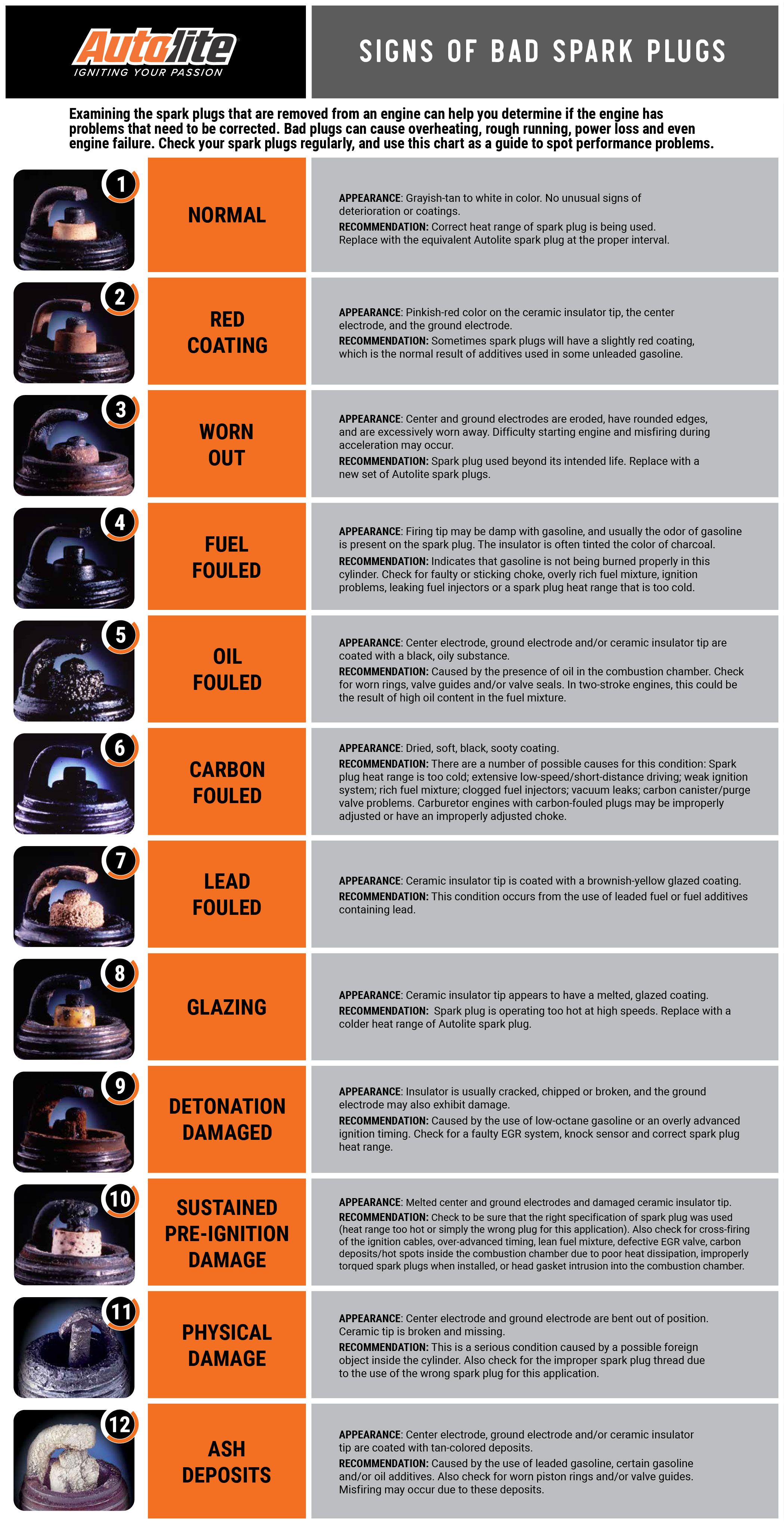
One of the most revealing DIY checks is inspecting the spark plugs. When coolant enters a cylinder, it washes away carbon deposits, leaving behind a clean, white, or light gray spark plug in stark contrast to the others.
What to look for:
– One plug significantly cleaner than the rest
– Chalky, ashy, or corroded deposits
– Wet appearance if recent leakage
This steam-cleaned effect is a classic sign of intermittent coolant entry into the combustion chamber.
Note: If all plugs look clean, consider other causes like lean fuel mixture or recent decarbon service. But if only one shows this trait, suspect a localized leak, likely from head gasket or crack.
Compare Plug Conditions
Remove all spark plugs and lay them out side by side. Use a flashlight to compare insulator color, electrode wear, and moisture or residue. If one plug stands out, mark the corresponding cylinder. This helps pinpoint where the leak is occurring.
Test for Coolant in Oil
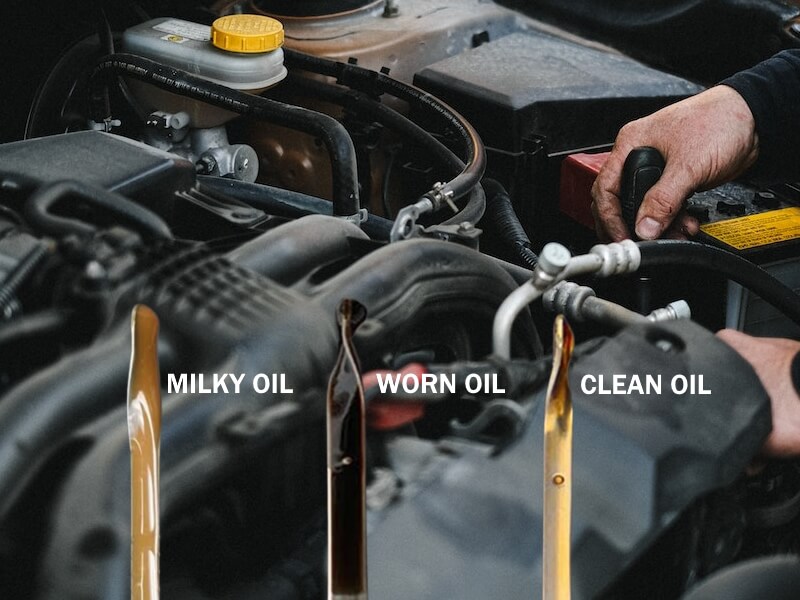
Spot Milky Residue on Dipstick
When coolant leaks into the oil system, it creates a milky, frothy, mayonnaise-like substance. Check the oil dipstick and oil filler cap for this telltale sign.
Where to look:
– Dipstick tip: Wipe and inspect for creamy texture
– Oil cap underside: Common spot for buildup
– Valve cover: Remove for visual inspection if needed
This contamination usually means a blown head gasket, cracked head, or cracked block, serious issues requiring immediate attention.
Pro Tip: Milky oil may not appear immediately. In early-stage failures, coolant might only enter the combustion chamber, bypassing the oil passages entirely.
Look for Oil in Coolant
Flip the script. Oil in coolant is another red flag. Open the coolant reservoir and check for brown oily film, sludge buildup, or a chocolate-milk appearance. This often occurs in severe head gasket failures where both systems cross-contaminate.
Run a Combustion Gas Test
Use a Block Tester Kit
The most reliable non-invasive test for burning coolant is the combustion gas test, also called a block tester. It detects exhaust gases in the cooling system, proof that combustion pressure is leaking in.
How to perform it:
1. Let engine cool completely
2. Remove radiator cap
3. Attach block tester to radiator neck
4. Pump air through the blue chemical fluid
5. Watch for color change. Blue turning to green or yellow means positive result. Exhaust gases are present.
This confirms head gasket failure, cracked head, or cracked block with high confidence.
These kits are available at AutoZone and Advance Auto Parts. Many stores lend the tools for free.
Perform Compression and Leak-Down Tests
Conduct a Compression Test
A standard compression test measures pressure buildup in each cylinder. While useful, it can miss early-stage leaks.
Expected results are even readings across all cylinders, like 160 to 180 psi, with no major discrepancies.
But here is the catch. Good compression does not rule out a head gasket issue. Small or intermittent leaks may not affect pressure during cranking.
Follow Up With Leak-Down Test
The leak-down test is more sensitive. It uses external air pressure to check for cylinder sealing.
Steps:
1. Bring each cylinder to top dead center
2. Inject compressed air via spark plug hole
3. Monitor gauge for pressure loss
4. Listen for where air escapes. Radiator neck means coolant system breach. Adjacent cylinder means head gasket blow-by. Oil cap or tick cover means piston ring or valve seal issue.
Expert Tip: Leave the gauge connected for 10 minutes per cylinder. Slow bleed-down reveals leaks missed in quick tests.
Observe Radiator for Bubbling
Watch Coolant Movement With Engine Running
With the radiator cap removed while the engine is cold, start the engine and watch the coolant.
Bubbling, gurgling, or spitting in the radiator or overflow tank means combustion gases are entering the cooling system. This is a hallmark of head gasket or crack.
Safety First: Never remove the radiator cap on a hot engine. Risk of scalding is real.
This test is simple, visual, and highly effective. One user noted that head gasket failures usually super-pressurize the coolant system and it should spit out coolant when you start up.
Understand Common Causes
Diagnose Blown Head Gasket
The number one cause of burning coolant is a blown head gasket. This critical seal sits between the engine block and cylinder head, keeping combustion, coolant, and oil separate.
Failure allows coolant to enter the combustion chamber, where it burns and gets expelled. Symptoms include white smoke, overheating, and bubbling radiator.
Common causes:
– Repeated overheating
– Improper torque during installation
– Engine modifications increasing pressure
This is confirmed by block test, leak-down test, or visual inspection.
Identify Cracked Head or Block
A cracked cylinder head or engine block mimics head gasket failure but is more severe. Cracks develop from thermal stress, freezing coolant, or manufacturing defects.
Diagnosis requires dye testing, pressure testing, borescope inspection, or full disassembly.
One expert noted that a cracked cylinder wall or cracked head would require pulling the head regardless.
Check Diesel-Specific Issues
In diesel engines like the GM 6.6L LB7, injector cup leaks are a known failure mode. Metal sleeves seal injectors in aluminum heads. Overheating damages the seal, causing coolant to leak into the injector pocket and enter the combustion chamber.
Symptoms mirror head gasket failure. White smoke, coolant loss, and possible hydrolock occur.
This is not applicable to gasoline engines.
Differentiate Similar Conditions
Rule Out Oil Burning
Do not confuse coolant smoke with oil burning. Oil smoke is blue-tinted with a strong acrid smell, and there are visible oil leaks. Coolant smoke is white or gray and may smell slightly sweet or be odorless.
Also check oil consumption. If oil level drops rapidly, it is likely oil burning, not coolant.
Distinguish Transmission Fluid Ingestion
Automatic transmission fluid sucked into the engine via a vacuum leak can cause white or gray smoke and a slightly sweet smell. This is rare in modern cars and usually comes with drivability issues.
Eliminate Evaporative Loss
A weak radiator cap or minor air leak can cause coolant to evaporate as steam through the overflow hose. No burning occurs. Just vapor loss.
Fix this by replacing the cap and retesting.
Take Action Immediately
Prioritize Urgent Warning Signs
Some symptoms mean stop driving now:
– Overheating episodes
– Rapid coolant loss
– Engine misfires or rough idle
– Bubbling radiator
– Milky oil
Ignoring these risks warped cylinder heads, piston damage, complete engine failure, and costly rebuild or replacement.
Follow Diagnostic Checklist
Here is what to do when you suspect burning coolant:
- Monitor coolant level weekly
- Inspect exhaust for persistent white smoke
- Pull spark plugs and compare
- Check oil and coolant for cross-contamination
- Run block test for most definitive results
- Perform leak-down test
- Replace radiator cap to rule out evaporation
- Bleed cooling system to remove air pockets
- Inspect heater core for cabin leaks
- See a professional if tests are inconclusive
Frequently Asked Questions About Burning Coolant
What does white smoke from exhaust mean?
White smoke from the exhaust typically means coolant is entering the combustion chamber and burning. Thick, persistent white smoke that appears regardless of engine temperature is a strong indicator of burning coolant rather than normal condensation.
Can you drive a car that is burning coolant?
Driving with burning coolant is risky. It can cause overheating, engine misfires, and catastrophic engine damage. If you notice white smoke, sweet smell, or unexplained coolant loss, address the issue promptly. Do not drive if the engine is overheating or running rough.
How do I know if it is head gasket or something else?
A combustion gas test is the most reliable way to confirm head gasket failure. A positive result indicates exhaust gases in the cooling system, confirming head gasket, cracked head, or cracked block. Compression and leak-down tests provide additional confirmation.
Does burning coolant always smell sweet?
No. While coolant does produce a sweet smell when burned, absence of odor does not rule out coolant burning. Some users report confirmed coolant burning with no detectable smell, especially in early stages or with certain coolant types.
How much coolant loss indicates a serious problem?
Any unexplained coolant loss warrants investigation. Even small losses, like one-quarter liter over several months, can indicate serious internal failure. Track your coolant level weekly and note how often you need to top off.
Can a small head gasket leak fix itself?
No. A head gasket leak will not fix itself. It typically worsens over time. Early detection and repair prevent more costly damage. If you suspect head gasket failure, address it immediately.
Key Takeaways for Identifying Burning Coolant
Burning coolant is a stealthy but dangerous problem. You do not need all the symptoms to confirm it. Just one or two, especially when combined with test results, warrant further investigation. The most reliable indicators are persistent white exhaust smoke, unexplained coolant loss, and a positive combustion gas test. Spark plug inspection and checking for milky oil are simple DIY steps that provide strong clues.
Early detection saves engines. Use this guide to act fast, test smart, and avoid catastrophic failure. If tests confirm head gasket or crack damage, repair it immediately. The cost of early repair is far less than a complete engine rebuild or replacement.