
Is your air conditioner blowing warm air, running constantly, or spiking your energy bill? One of the most common and often misunderstood culprits is low refrigerant, commonly referred to as coolant. Unlike fuel or oil, refrigerant does not get used up. If levels are low, it means there is a leak in the system. This guide breaks down the key signs your AC is out of coolant, how to confirm it, and what to do next without falling for common myths or DIY traps.
You will learn to recognize the warning symptoms, perform simple diagnostic checks, and understand when professional help is necessary. Ignoring low coolant leads to poor cooling, higher utility costs, and potential compressor failure that could cost more than a new system.
Reduced or No Cold Air Output
The most obvious sign your AC is low on coolant is warm or lukewarm air coming from the vents, even when the thermostat is set to maximum cooling. In homes, the indoor unit runs but the air never feels cold. In vehicles, the AC turns on, the compressor clicks, but the cabin stays hot. Gradual loss may go unnoticed until cooling is nearly gone.
Warm Air Despite AC Running
Check these indicators to confirm reduced cooling performance:
- Indoor air feels only slightly cool rather than cold
- The system runs for extended periods without reaching the set temperature
- Cooling is noticeably worse during peak afternoon heat
- Vehicle cabin remains hot after multiple minutes of AC operation
Warning: Warm air can also result from a bad capacitor, tripped breaker, or frozen coil. Always check for other symptoms before assuming low refrigerant.
Ice on Refrigerant Lines or Evaporator Coil
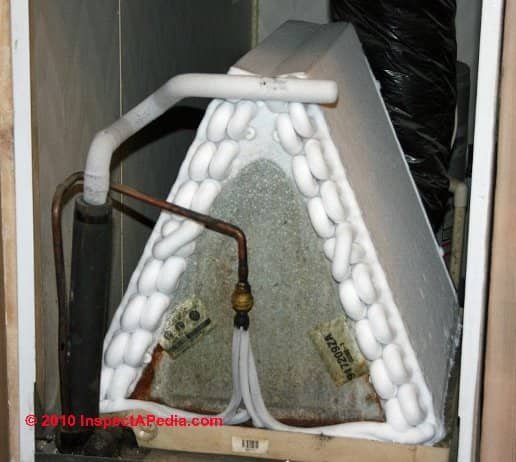
Seeing frost or ice on copper lines or indoor coils is a red flag, not for overfilling, but for low coolant. Low refrigerant pressure causes the evaporator coil to drop below freezing. Moisture in the air condenses and freezes on the cold coil. Ice buildup worsens over time, restricting airflow and reducing efficiency.
Why Ice Forms with Low Coolant
Turn off the AC and let the ice thaw completely, which takes 3 to 6 hours. Replace the air filter first because dirty filters cause similar symptoms. Light frost may indicate minor loss, while thick ice can block airflow and damage components if not addressed.
Pro Tip: Persistent ice during warm conditions is abnormal. Heat pumps may develop temporary ice in cold weather, but this is different from low-refrigerant ice formation.
AC Runs Constantly or Short-Cycles
If your system will not shut off or turns on and off every few seconds, refrigerant may be the issue. The compressor runs nonstop trying to reach the set temperature while indoor temperature stays above the thermostat setting. Rapid short-cycling occurs when the low-pressure safety switch cuts power to protect the compressor.
Continuous Operation vs Short-Cycling
Note: Short-cycling can also stem from a faulty thermostat or electrical issue. Check multiple symptoms before concluding refrigerant deficiency. Other common causes include oversized AC units and contactor failures.
Rising Energy Bills
A sudden spike in electricity costs without changes in usage is an early warning sign. The system works harder and longer to cool the space. Efficiency drops by 20 to 50 percent in severely undercharged units. Higher runtime means more wear and higher bills.
How to Track Energy Usage
Action Step: Track monthly usage. A 15 to 20 percent increase warrants investigation. Compare current bills to the same month from previous years. Sudden spikes often precede noticeable cooling loss, making this one of the earliest warnings.
Poor Dehumidification and High Indoor Humidity
Even if the air feels cool, sticky, muggy air means your AC is not dehumidifying properly. Low refrigerant reduces coil surface temperature and contact time. Moisture is not condensed and removed from the air. Results include foggy windows, damp surfaces, and general discomfort.
Humidity Warning Signs
Other Causes: Oversized AC units, leaky ducts, or poor ventilation can also cause humidity issues. Sudden onset of humidity problems after previously stable conditions suggests refrigerant loss.
Hissing, Bubbling, or Gurgling Noises
Unusual sounds near the indoor or outdoor unit may point to a refrigerant leak. Hissing indicates gas escaping under pressure, common in slow leaks. Gurgling or bubbling means liquid refrigerant moving through restricted lines.
Where to Listen
Listen near service valves, copper line connections, compressor housing, and evaporator coil area. Not all leaks make noise, and silent leaks are more common and harder to detect.
Visible Oil Residue or Greasy Stains

Refrigerant carries compressor oil, so when it leaks, oil often escapes too. Look for shiny, greasy spots or streaks around refrigerant lines, service ports, valve connections, and the base of the outdoor unit. Pooling oil at the bottom of the condenser indicates a severe leak.
Oil Residue as a Leak Indicator
Key Insight: Oily residue is one of the most reliable visual clues of a refrigerant leak. Loss of oil can lead to inadequate lubrication, increasing the risk of compressor failure.
How to Confirm Low Refrigerant
Visual and sensory clues are helpful, but confirmation requires testing.
Check the Suction Line
Locate the larger copper tube, known as the suction line, on the outdoor unit. Pull back insulation carefully. In a properly charged system, the pipe should be cold and sweating. Dry or warm pipe indicates likely low refrigerant.
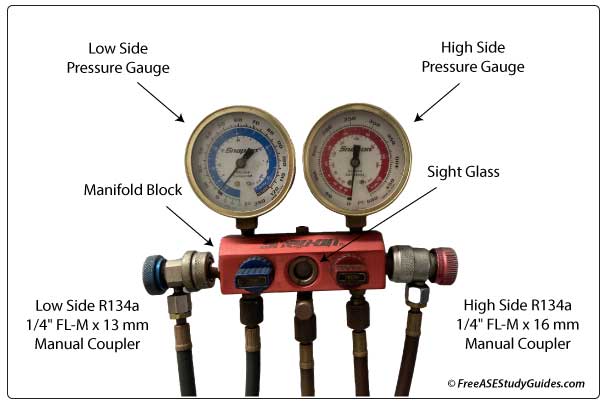
Use a Manifold Gauge Set
This professional tool measures low-side and high-side pressures. Compare readings to manufacturer specs based on ambient temperature.
Typical Pressure Ranges at 85°F:
- R-410A: Low-side 110 to 130 psi, High-side 300 to 400 psi
- R-22: Low-side 60 to 80 psi, High-side 200 to 250 psi
Warning: Only trained technicians should use gauges. Incorrect handling risks overcharging or injury.
When to Call a Professional
DIY diagnosis is fine, but repairs require expertise.
Call a Technician If
Contact a licensed HVAC technician if you see ice, oil, or hissing. Call if the system runs constantly but does not cool. Call if energy bills have spiked unexpectedly. Call if you have tried filter replacement with no improvement.
What a Professional Will Do
A pro will perform pressure and temperature tests, locate leaks using UV dye or electronic detection, repair leaks through brazing or coil replacement, evacuate the system to remove moisture, recharge to exact manufacturer specifications, and verify performance post-repair.
Final Thoughts on Detecting Low Coolant in Your AC
Low coolant is not normal wear. It is a symptom of a leak that, if ignored, leads to discomfort, high bills, and costly breakdowns. Recognize the signs early, avoid DIY recharges, and rely on professional diagnostics. Key takeaways: warm air, ice formation, constant running, and oily residue all point to low refrigerant. Always repair leaks before recharging, because simply adding coolant wastes money and time. With proper care, your AC can run efficiently for years without losing a single drop of refrigerant.
Frequently Asked Questions About Low AC Coolant
Why is my AC blowing warm air even when set to cool?
Warm air usually indicates low refrigerant, but it can also stem from a failed capacitor, dirty air filter, or thermostat issues. Check for ice on coils, unusual noises, and high energy bills to confirm low coolant.
Can I add coolant to my AC myself?
DIY refrigerant kits exist but are strongly discouraged. Overcharging causes as much damage as undercharging. In the US, unlicensed handling violates EPA Section 608 regulations. Always hire a licensed technician.
How often should refrigerant be recharged?
Never on a schedule. A properly sealed system should not require recharging for 10 to 15 years. Frequent need for recharging indicates undetected leaks or poor repairs.
What happens if I ignore low coolant?
Ignoring low refrigerant leads to compressor overheating, frozen coils, reduced efficiency, and ultimately catastrophic compressor failure. Repair costs often exceed 50 percent of replacement value.
Does low coolant cause high energy bills?
Yes. Low refrigerant forces the system to work harder and run longer. Efficiency drops 20 to 50 percent, causing noticeable spikes in electricity costs.