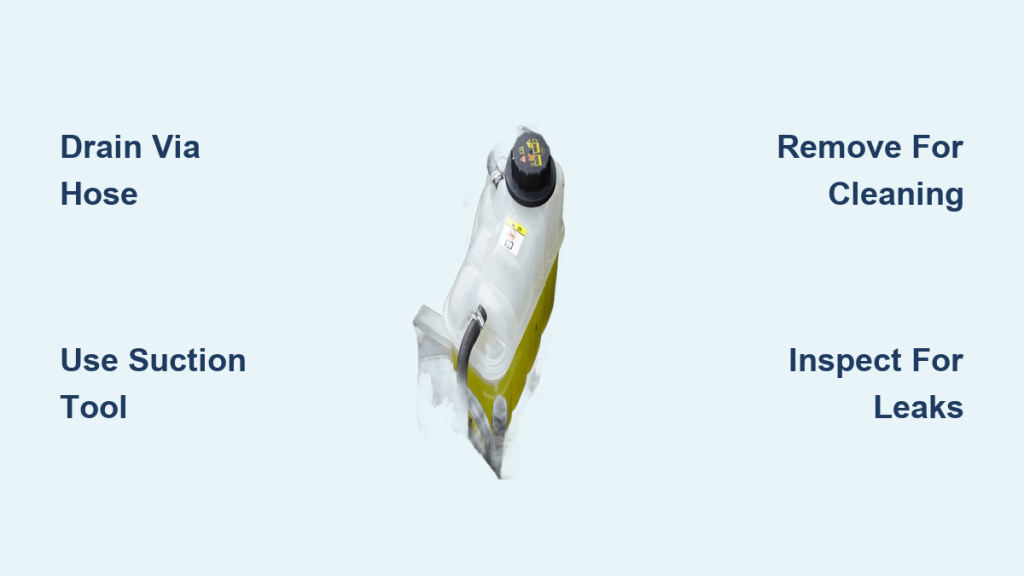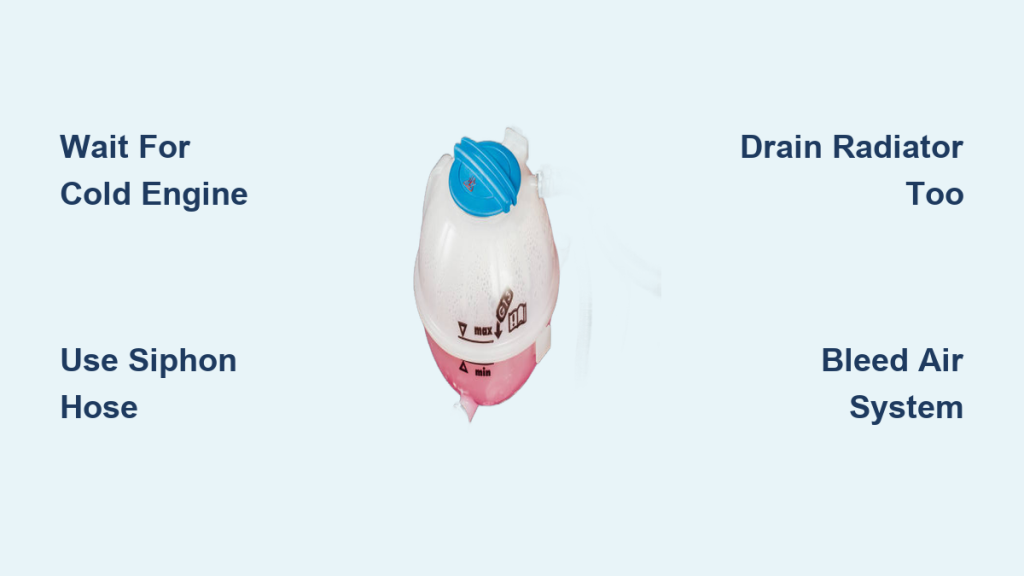
If you’re wondering how to siphon coolant, you’re not alone. Many DIY mechanics and car enthusiasts turn to this method when replacing antifreeze or prepping for engine repairs. Siphoning lets you remove most of the old coolant without crawling under the car or dealing with rusted drain plugs. This is especially helpful on vehicles like the 1997 Chevy Tahoe Sport, where a kick plate blocks access to the radiator drain. Instead of disassembling panels, a simple siphon pump pulls coolant out through the radiator cap or reservoir in just a few minutes.
But siphoning isn’t just about convenience. It also reduces spills, keeps toxic ethylene glycol off your garage floor, and speeds up both drainage and refill. While it doesn’t replace a full cooling system flush, it removes up to 80% of the coolant in under 5 minutes, making it an ideal first step. In this guide, you’ll learn the safest, most effective ways to siphon coolant using affordable tools, avoid common mistakes, and understand what comes after.
Essential Tools for Coolant Siphoning

Having the right tools ensures a clean, efficient siphon without risking contamination or injury. Here’s what you actually need to get the job done right.
Use a Manual Siphon Pump
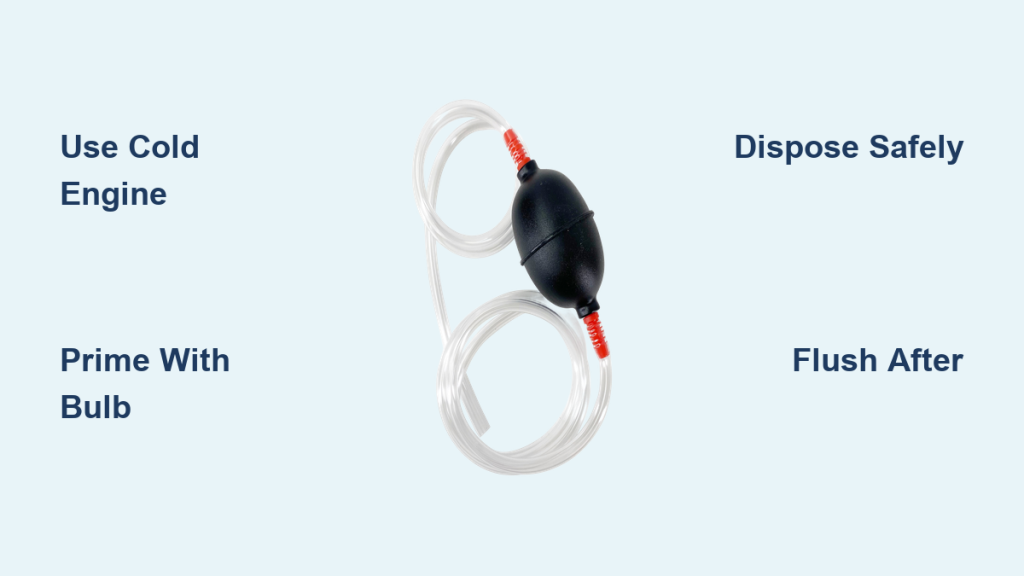
A $5 manual kerosene siphon pump (available at Home Depot or auto parts stores) is the top choice for coolant removal. Despite being marketed for fuel, it works perfectly with antifreeze when cleaned properly. These pumps use a rubber bulb to generate suction. No batteries, no cords, no moving parts. Just squeeze, release, and let gravity do the rest.
Unlike electric models, manual pumps are durable, inexpensive, and less likely to fail. They can also double for oil, diesel, or water transfer. Just clean thoroughly between uses.
Choose the Right Siphon Hose
Use 3 to 5 feet of clear vinyl or reinforced PVC tubing (¼ inch to ⅜ inch diameter). The hose must reach from the radiator fill neck to a bucket on the ground, stay flexible in cold temperatures, and resist kinking during use.
Clear tubing lets you see flow and detect air bubbles, which is critical for maintaining siphon action.
Prepare a Proper Collection Container
Use a clean, sealable 2 to 3 gallon jug or bucket placed below the radiator level. Gravity drives the siphon, so elevation matters. Never use food containers. Coolant is toxic and can contaminate surfaces even after washing.
Label the container “Used Coolant – Toxic” to prevent accidents during storage or transport.
Wear Protective Gear
Coolant contains ethylene glycol, which is poisonous if ingested and irritating to skin and eyes. Always wear nitrile gloves, safety goggles, and long sleeves.
Work in a well-ventilated area and keep pets and children away from your workspace.
How to Siphon Coolant Using a Manual Pump
This method works on radiators and coolant reservoirs and is the safest, most reliable way to drain coolant without tools or undercarriage access. Follow these steps for the best results.
Confirm Engine Is Cool
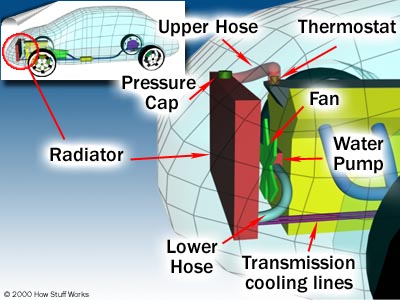
Never open the radiator cap on a hot engine. Pressure can blast scalding coolant several feet. Wait at least 2 to 3 hours after shutdown, or until the upper radiator hose feels cool to the touch.
If the system is still pressurized, opening the cap risks severe burns.
Access the Cooling System
Remove the radiator cap or coolant reservoir cap, whichever gives direct access to the coolant. The radiator fill neck is ideal because it is the highest point and holds the most fluid.
On some modern cars, only the reservoir is accessible. That is fine. Just expect to remove less volume.
Insert and Prime the Siphon Hose
Place one end of the hose deep into the coolant, ensuring it is fully submerged. Run the other end into your collection container, positioned at least 12 inches below the radiator.
Attach the hose to the siphon pump and begin squeezing the rubber bulb 5 to 10 times. You will feel resistance at first, then a sudden drop as suction forms. Coolant will begin flowing within seconds.
Drain the Bulk Coolant
Let the siphon run until flow slows to a trickle. Most systems release 60 to 80% of coolant this way, typically 1.5 to 2.5 gallons depending on the vehicle.
Do not expect 100% drainage. Residual fluid remains in the engine block, heater core, and lower hoses. That is normal.
Reverse the Pump to Refill
After repairs or flushing, use the same pump to add fresh coolant cleanly. Submerge the hose in new antifreeze, squeeze the bulb to push fluid into the radiator, and avoid spills and overfilling.
This trick saves time and keeps your workspace clean.
Alternative Methods: Siphon Coolant Without a Pump
Yes, you can siphon coolant without a pump, but only from the coolant reservoir, and it comes with risks you need to understand before trying this method.
Try Gravity Siphon (Reservoir Only)
This method uses no pump. Just hose, gravity, and initial suction.
Place the collection bucket below the reservoir. Insert one hose end into the coolant, the other into the bucket (submerged). Squeeze a hand pump ball if present, or briefly suck on the hose end to start flow.
Warning: Never mouth-siphon coolant. Ethylene glycol is deadly even in small amounts. If you must initiate flow manually, use a pump ball or bulb.
Once flow starts, gravity maintains the siphon. Stop when output slows. Do not wait for complete dryness.
Why a Pump Is Better
Manual pumps eliminate health risks, work faster, and handle thicker fluids like 50/50 coolant mixtures. Mouth or gravity-only methods are unreliable and dangerous.
If you value your health and want consistent results, invest in the $5 pump. It pays for itself in one use.
Critical Safety Risks When Siphoning Coolant
Coolant siphoning is simple, but mistakes can lead to injury, environmental harm, or engine damage. Know these risks before you start.
Never Open a Hot Radiator
Pressurized coolant can exceed 250°F (121°C). Releasing pressure suddenly causes violent steam bursts. Always wait for a cold engine.
Prevent Cross-Contamination
If you use one siphon pump for multiple fluids, flush with water after each use, dry completely, and use alcohol rinse when switching from coolant to fuel.
Residual coolant in a fuel line can cause corrosion or combustion issues.
Dispose of Coolant Properly
Used antifreeze is hazardous waste. Never pour it down drains, onto soil, or into storm sewers.
Instead, store it in a sealed container, take it to an auto parts store (many accept used coolant), or use a household hazardous waste facility.
Recycling prevents environmental contamination and complies with local laws.
Label Your Tools
Keep one pump dedicated to coolant and label it clearly: “COOLANT ONLY.” This prevents accidental mixing with fuel or oil systems.
Why Siphoning Alone Is Not Enough
It is fast and effective, but siphoning has limits. Knowing them prevents future problems and helps you understand when more work is needed.
Not a Full System Flush
Siphoning removes only the upper coolant, mainly from the radiator and reservoir. It leaves behind old fluid in the engine block, contaminants in the heater core, and rust and scale in lower hoses.
For complete renewal, follow siphoning with a full flush using a garden hose or professional flush machine.
Leaves Residual Coolant Behind
Even with perfect siphoning, 20 to 40% of old coolant remains. This dilutes new antifreeze, reducing freeze and boil protection and compromising corrosion resistance.
Always flush or perform multiple drain-and-refill cycles for optimal results.
When to Change Oil After Coolant Siphoning
If you siphoned coolant before intake manifold removal, head gasket replacement, or other internal engine work, change the oil afterward, even if it looks clean.
Why? Coolant can leak into the crankcase during disassembly. Once mixed with oil, ethylene glycol breaks down into acids that attack main and rod bearings.
This damage may not show up for months, but when it does, it often leads to catastrophic engine failure.
A fresh oil and filter change eliminates this risk. It is a small price to pay compared to engine replacement.
Benefits of Siphoning Coolant
Understanding the advantages helps you decide when to use this method versus other drainage options.
| Benefit | Why It Matters |
|---|---|
| No Undercarriage Work | Avoid removing shields, splash guards, or drain plugs |
| Faster Than Draining | Remove most coolant in 2 to 5 minutes |
| Less Mess | No spilled antifreeze on garage floor |
| Reusable Tool | One $5 pump lasts years with care |
| Works on Tight Spaces | Ideal for older or modified vehicles |
Users report 4.5 out of 5 stars for ease, speed, and value, especially on hard-to-reach systems.
Extending Your Siphon Pump’s Lifespan
Simple habits keep your pump working reliably for years. Treat it right, and it will serve you well across multiple jobs.
Clean After Every Use
Rinse the hose and pump with water. For deeper cleaning, soak in warm soapy water, flush with isopropyl alcohol (especially after coolant), and blow air through to dry.
This prevents clogs and chemical degradation.
Store Properly
Coil the hose loosely and store in a sealed bag or toolbox. Keep away from sunlight, which degrades rubber and vinyl.
Avoid kinks. Bent hoses lose flexibility and restrict flow.
Expect 5+ Years of Service
With basic care, a manual siphon pump lasts five years or more. No moving parts mean no breakdowns. Just reliable performance every time.
Pro Tips for Successful Coolant Siphoning
Master these insider techniques to get better results and avoid common pitfalls.
- Always use a pump. Never mouth-siphon.
- Work on a cold engine only.
- Dispose of coolant responsibly.
- Flush the system after siphoning.
- Change oil after internal engine repairs.
- Keep one pump for coolant only.
Pro Tip: Use food coloring to test siphon flow. Add a drop to the coolant. If the color appears in the bucket, your system is working.
Key Takeaways for Siphoning Coolant

How to siphon coolant safely comes down to three things: the right tool, proper technique, and awareness of limitations. A $5 manual siphon pump lets you remove most antifreeze in minutes. No jacking, no drain plugs, no mess. It is perfect for pre-flush prep, repairs, or quick changes on vehicles with blocked access.
But remember: siphoning is not a full flush. Residual coolant stays in the block, and used fluid must be recycled. If you have worked on internal engine parts, change the oil afterward to protect bearings from acid damage.
With gloves, goggles, and a cold engine, you can siphon coolant like a pro. Quickly, cleanly, and safely. Keep your pump labeled, clean, and ready, and it will serve you for years across coolant, oil, and fuel jobs.
Frequently Asked Questions About How to Siphon Coolant
Can I siphon coolant through the reservoir instead of the radiator?
Yes, you can siphon from the coolant reservoir, but you will remove less volume. The reservoir only holds a portion of the total coolant. For maximum drainage, access the radiator fill neck whenever possible.
How long does it take to siphon coolant from a car?
Most users remove 60 to 80% of coolant in 2 to 5 minutes using a manual pump. The exact time depends on your vehicle’s cooling system capacity and how accessible the fill point is.
Is it safe to use a fuel siphon pump for coolant?
Yes, a kerosene siphon pump works perfectly for coolant. Just clean it thoroughly after each use, especially if you plan to switch between different fluids. Label it “coolant only” to avoid cross-contamination.
Do I need to flush the system after siphoning?
Yes, siphoning alone is not a full flush. It removes only the upper coolant, leaving 20 to 40% behind in the engine block and heater core. Follow up with a complete system flush for optimal results.
What happens if I don’t change the oil after internal engine work?
If coolant enters the crankcase during repairs, it breaks down into acids that attack bearings. This can cause catastrophic engine failure months later. Always change the oil and filter after working on internal engine components.
Can I reuse the coolant I siphoned out?
No. Used coolant contains contaminants, rust, and breakdown byproducts. It cannot be reused and must be disposed of properly at an auto parts store or hazardous waste facility.