
Choosing the right coolant is essential for protecting your engine from overheating, freezing, and internal corrosion. Using the wrong type can lead to radiator clogs, water pump failure, or even engine damage. This guide shows you exactly how to choose coolant for your specific vehicle, covering the five main coolant chemistries, color myths to ignore, and the simple three-step process to find your perfect match.
Start With Your Owner’s Manual
The most accurate way to choose coolant is by consulting your vehicle’s owner manual. It provides the definitive answer for your specific make, model, and year.
What Your Manual Reveals
Your owner’s manual lists the exact coolant type required, such as OAT, HOAT, or P-OAT. It also includes OEM specification codes like Ford WSS-M97B44-D or GM 6277M, approved service life, and any special mixing instructions. If you do not have the physical manual, most automakers offer digital versions on their websites free of charge.
Why OEM Specifications Matter
Automakers design cooling systems around specific coolant chemistries. Using the wrong type can void your warranty and cause long-term damage to water pumps, radiators, and engine components. Always verify compatibility before purchasing any coolant product.
Match Coolant Chemistry to Your Vehicle
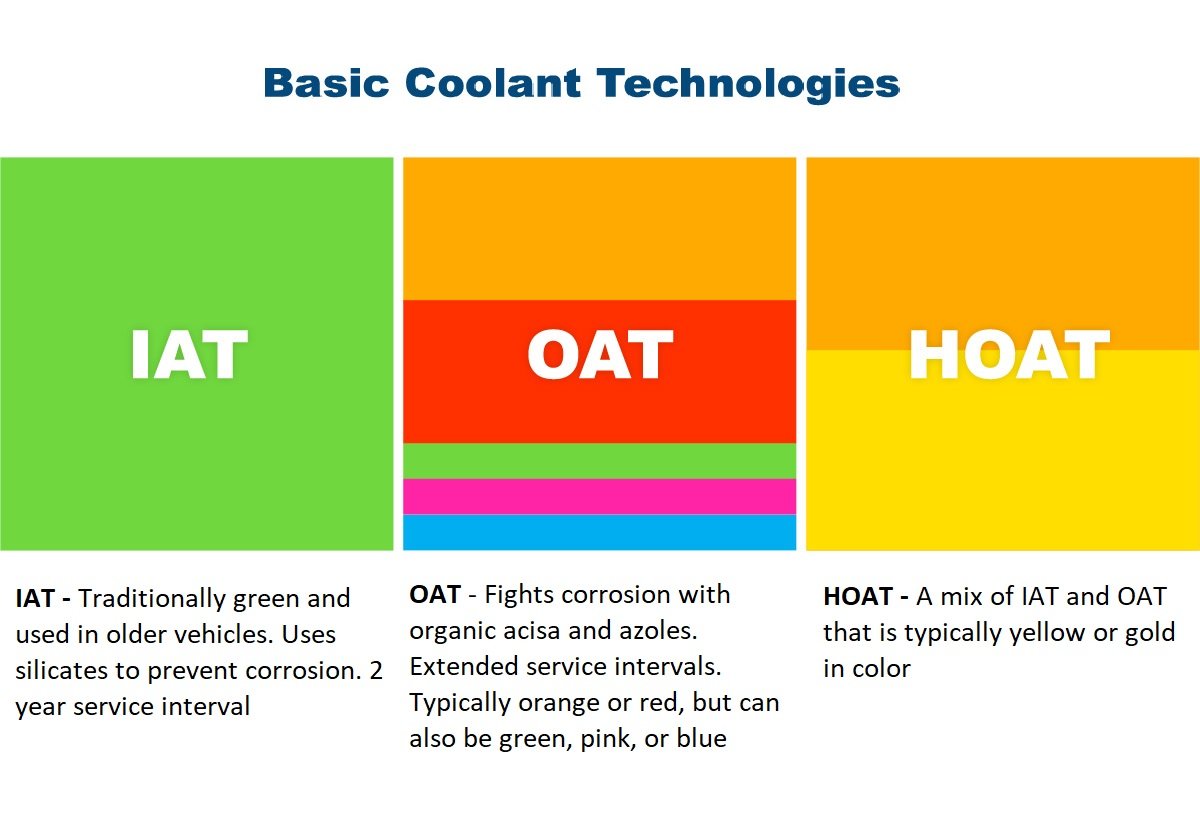
Coolant technology falls into five main categories, each designed for different vehicle types and engine materials.
IAT Coolant for Older Vehicles
Inorganic Additive Technology coolants use silicate and phosphate inhibitors. They are typically green and were standard in vehicles built before the 1990s. These coolants require replacement every two years or 24,000 miles because additives deplete quickly. If you drive a classic car or a pre-1997 Ford, IAT may be your only option.
OAT Coolant for GM and Ford Vehicles
Organic Acid Technology uses carboxylate acids without silicates or phosphates. These coolants come in orange, yellow, or red and last five years or 50,000 to 150,000 miles. GM’s Dex-Cool is the most famous OAT product. The slow-acting inhibitors form a protective layer over time, providing long-term corrosion protection.
HOAT Coolant for Chrysler and Modern Imports
Hybrid Organic Acid Technology combines silicates with organic acids. It appears in orange, yellow, or turquoise and serves Chrysler, Ford post-1997, and many import vehicles. Service life reaches five to ten years or 150,000 miles. Two specialized subtypes exist.
Si-OAT for European Vehicles
Silicate-enhanced OAT meets VW specifications G12++, G13, and G11. It appears purple and protects high-temperature aluminum engines in BMW, Mercedes, Audi, and Volkswagen vehicles. This chemistry handles the extreme thermal demands of European turbocharged engines.
P-OAT for Asian Vehicles
Phosphate-based OAT appears pink or blue and suits Toyota, Honda, Hyundai, Kia, Nissan, and Subaru models. It prevents hard water scaling and extends water pump seal life. This chemistry works exceptionally well with aluminum engine components common in Japanese and Korean vehicles.
Ignore Coolant Color Myths
Color does not reliably indicate coolant type. Manufacturers use color for branding, not universal standards.
Why Color Matching Fails
OAT and HOAT both come in orange, yellow, and red. P-OAT appears in pink or blue, while Si-OAT is purple. Adding to the confusion, old coolant turns brown due to oxidation, making visual identification completely useless. AAA, Valvoline, and OWI all warn against selecting coolant based on color alone.
The Only Reliable Method
Check your owner’s manual or look for OEM specification codes on product labels. This ensures you get the exact chemistry your cooling system requires, regardless of what color sits on the store shelf.
Choose Concentrate or Pre-Mixed Format
Coolant comes in two forms, and your choice depends on convenience versus cost.
Concentrate Requires Mixing
Pure concentrate must be mixed with distilled water at a 50/50 ratio. Never pour full-strength coolant into your radiator. The concentrate alone has poor heat transfer properties and can cause overheating. Using tap water introduces minerals that create scale buildup, so always use distilled water.
Pre-Mixed Saves Time
Ready-to-use 50/50 coolant needs no mixing. It costs slightly more but eliminates guesswork and ensures proper dilution. This format works perfectly for topping off or performing small changes between full flushes.
Expert Note: Michael Marcangelo of OWI explains that full-strength is not better than 50/50. It is simply different packaging. The pre-mixed ratio provides optimal heat transfer.
Follow Manufacturer Service Intervals
Replacing coolant on schedule prevents corrosion buildup and maintains cooling efficiency.
Coolant Change Intervals by Type
| Coolant Type | Change Interval |
|---|---|
| IAT (Green) | Every 2 years or 24,000 miles |
| OAT (Orange) | Every 5 years or 50,000–150,000 miles |
| HOAT (Yellow/Turquoise) | Every 5–10 years or 150,000 miles |
| P-OAT (Pink/Blue) | Every 5 years or 250,000 km |
| Si-OAT (Purple) | Every 5 years or 250,000 km |
Harsh driving conditions like towing, stop-and-go traffic, or extreme temperatures shorten these intervals. Always follow your owner’s manual when possible.
Flush Before Switching Coolant Types
Never mix incompatible coolants. Chemical reactions can create gel, sludge, or precipitates that clog your radiator and damage your water pump.
When to Flush Your System
Perform a complete flush when switching from IAT to OAT or HOAT, when purchasing a used car with unknown service history, or when coolant appears dirty, oily, or brown. Flushing removes old additives, rust, and scale that could contaminate new coolant.
Simple Flush Process
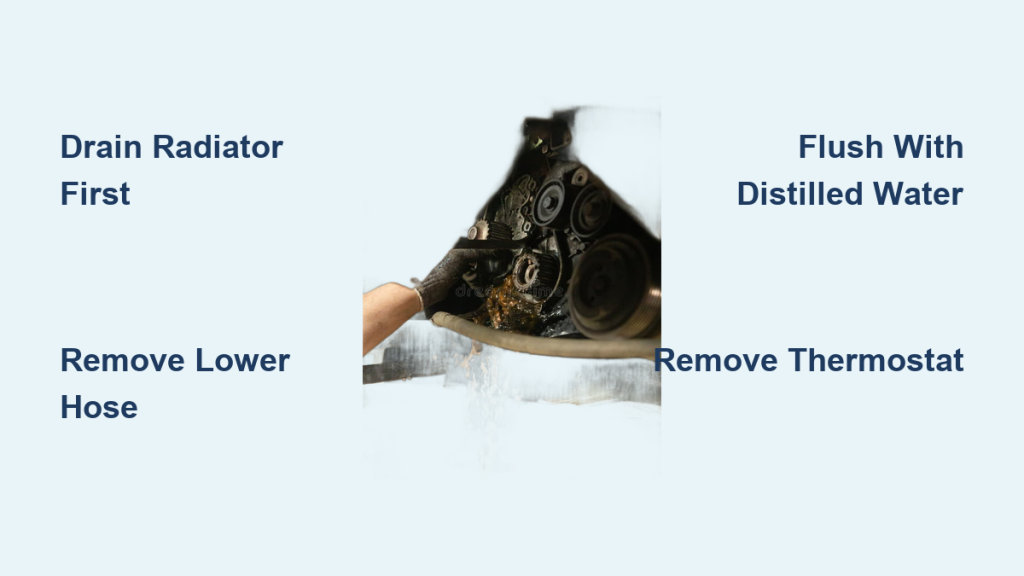
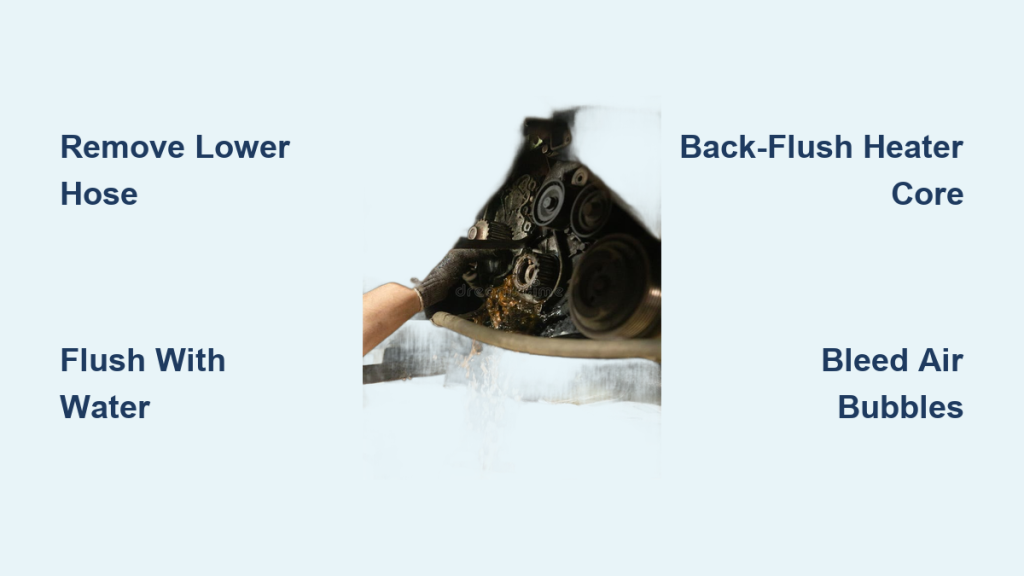
Drain the old coolant from the radiator and engine block. Fill the system with distilled water and run the engine to operating temperature. Drain again and refill with your new coolant at proper concentration. This cheap step prevents costly repairs down the road.
Test Coolant Condition Annually
Even long-life coolants degrade over time. Annual testing catches problems before they cause damage.
How to Check Your Coolant
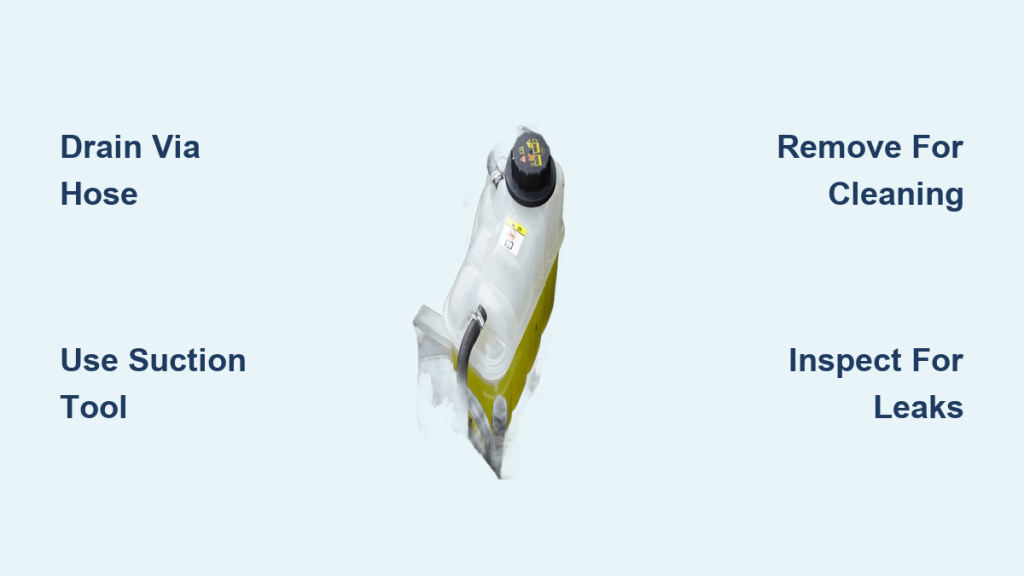
Use a refractometer or hydrometer to check freeze point and concentration. pH strips should read between 7.5 and 11, as acidic coolant causes corrosion. Visually inspect for rust particles, cloudiness, or milky oil contamination. Visit a certified technician for comprehensive system analysis if any test reveals concerns.
Avoid Common Coolant Mistakes
Small errors lead to big problems. Steer clear of these frequent missteps.
Using Full-Strength Coolant
Pouring concentrate without dilution causes poor heat transfer and increased viscosity. Always mix 50/50 or use pre-mixed coolant. The concentrated form is not stronger; it simply requires additional steps.
Believing Long-Life Claims
A coolant rated for 300,000 miles does not mean it is only for high-mileage vehicles. This rating represents maximum potential service life under ideal conditions. Using long-life coolant in a new vehicle maximizes protection and extends time between changes.
Mixing Different Types
Combining IAT with OAT or HOAT without flushing causes chemical reactions. These reactions produce gel-like substances that clog narrow cooling passages. When in doubt, flush first.
Relying on Store Advice
Auto parts staff provide general guidance but cannot know your specific vehicle requirements. Always cross-check recommendations against your owner’s manual or OEM specifications.
Coolant in Electric Vehicles
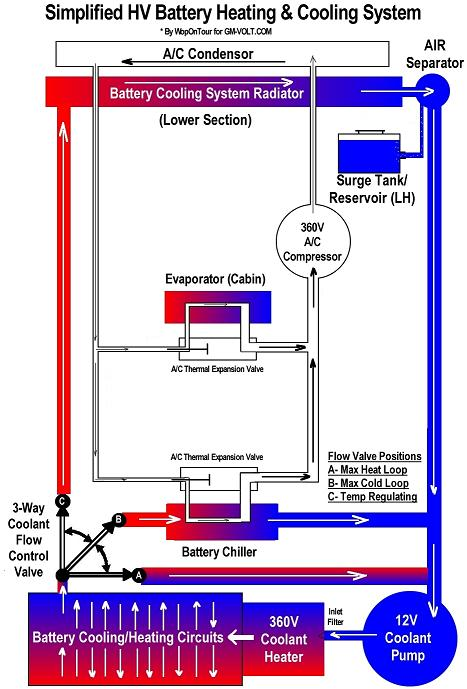
Electric vehicles also require cooling systems, though they serve different purposes than internal combustion engines.
What EV Coolant Protects
EV coolant manages battery pack temperature to prevent overheating and extend lithium-ion life. It also cools power electronics, inverters, motors, and charging systems. The specialized chemistry has low electrical conductivity to prevent short circuits.
EV Coolant Requirements
Electric vehicle coolant lasts eight years or longer in most applications. It is formulated for compatibility with EV-specific seals, plastics, and battery materials. Use products specifically designed for electric and hybrid vehicles, such as PEAK Original Equipment Technology lines.
Select a Quality Brand
Trusted brands ensure their products meet OEM specifications and provide reliable protection.
Recommended Coolant Brands
PEAK offers 11 OEM-specific formulations plus EV-compatible options. Their Titanium line provides enhanced rust protection. Adrad meets Australian standards AS 2108 and VW TL 774 J specifications. Valvoline covers IAT, OAT, and HOAT formulations with strong OEM compliance.
Premium Versus Generic Options
Generic all-makes coolants meet minimum standards and work for short-term use or mixed-fleet households. Premium OEM-specific coolants provide tailored corrosion protection for specific engine metals, superior temperature management, and longer service life up to 300,000 miles. The extra investment pays off in reduced maintenance costs.
Frequently Asked Questions About Choosing Coolant
Can I mix different coolant colors in my car?
No. Mixing coolants without flushing first causes chemical reactions that create gel and sludge. These block cooling passages and damage water pumps. Always flush the system before introducing a new coolant type, regardless of whether the colors appear similar.
What happens if I use the wrong coolant type?
Using incompatible coolant can corrode metal components, degrade rubber hoses and seals, and cause overheating. In severe cases, wrong coolant voids warranties and causes catastrophic engine damage. Always use the type specified in your owner’s manual.
How do I know when to replace my coolant?
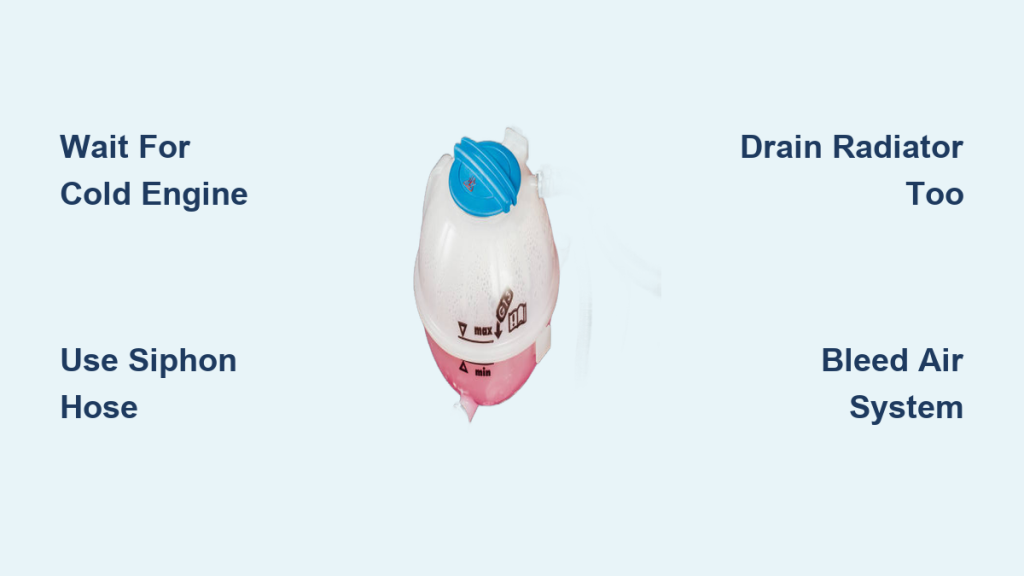
Signs include a sour smell, rust-colored liquid, or particles floating in the coolant reservoir. Temperature gauge rising higher than normal or frequent overheating also indicates coolant problems. Annual testing catches degradation before symptoms appear.
Is it okay to use tap water instead of distilled water?
No. Tap water contains minerals that create scale buildup in your cooling system. This scale reduces heat transfer efficiency and can clog narrow passages. Always use distilled water when mixing concentrate coolant.
Can I use coolant rated for 300,000 miles in my new car?
Yes. Long-life coolant ratings represent maximum potential service life, not minimum vehicle age. Using high-mileage coolant in a new vehicle provides maximum protection and extends time between changes. There is no downside to using better coolant in a newer car.
Do electric vehicles need special coolant?
Yes. EV coolant has low electrical conductivity to prevent short circuits in battery and electronic systems. It is formulated for EV-specific materials and seals. Using regular automotive coolant in an EV risks electrical problems and battery damage.
Key Takeaways for Choosing the Right Coolant
Selecting the correct coolant comes down to three simple steps. First, consult your owner’s manual for the exact coolant type and OEM specification required for your vehicle. Second, ignore color entirely and focus on matching chemistry to your make, model, and year. Third, choose 50/50 pre-mixed or dilute concentrate with distilled water, then flush before switching types.
Premium OEM-specific coolants offer superior protection and longer service life compared to generic alternatives. Test your coolant annually and replace according to manufacturer intervals. Whether you drive a Toyota Camry, BMW X5, or Holden Commodore, using the correct coolant protects your engine, maintains warranty coverage, and saves money on repairs. When in doubt, choose premium, choose OEM-specific, and do it right the first time.