
Coolant pH is a critical factor in protecting your engine from corrosion, scale buildup, and premature wear. Most conventional ethylene glycol-based coolants are formulated to operate in the alkaline range, typically between 8.5 and 10.5 on the pH scale. When coolant drops below this range, it becomes more acidic and can lead to internal corrosion of aluminum, copper, and cast iron engine components. If you’re learning how to raise pH in coolant, testing likely revealed your coolant has fallen below the ideal level, possibly due to contamination, old age, or improper mixing with tap water.
While simply replacing the coolant is often the safest and most effective solution, understanding how and why pH shifts occur helps you make informed decisions. This guide covers tested methods, safe additives, and expert-backed practices for adjusting coolant pH without risking engine damage.
Test Current Coolant pH First
Before attempting to adjust anything, confirm your coolant’s actual pH level. Guessing can lead to overcorrection or chemical incompatibility that causes more harm than the original problem.
Use a Digital pH Meter or Test Strips
Dip a coolant-specific pH test strip into a cooled sample taken from the overflow tank or radiator. Compare color changes to the provided chart, aiming for 8.5 to 10.5. For greater accuracy, use a calibrated digital pH meter designed for automotive fluids.
Check for Contamination Signs
Low pH may stem from exhaust gas leakage entering the cooling system, oil contamination from head gasket failure, old or degraded coolant losing its buffering capacity, or improper water mix using acidic or hard water.
Warning: If coolant is discolored, oily, or smells burnt, do not adjust pH. Replace the entire system fluid instead.
Why Coolant pH Drops Over Time
Coolant contains additives that neutralize acids formed during engine operation. These are part of the inorganic acid technology or organic acid technology inhibitor packages designed to maintain stable alkalinity.
Acid Buildup from Normal Operation
Combustion byproducts like nitric and sulfuric acid can seep into the cooling system through micro-leaks in the head gasket or intake manifold. Electrochemical reactions between dissimilar metals inside the engine also generate low-level acidity over time.
Inhibitor Depletion
Over time, alkaline reserve agents like borates, phosphates, and silicates get consumed during normal neutralization of acids. Once these inhibitors are depleted, pH naturally declines, increasing corrosion risk throughout the cooling system.
Poor Water Quality During Mixing
Tap water with high mineral content or low pH can drag down the final mixture significantly. Pure antifreeze like Prestone starts at 10.5 pH, but mixing with acidic tap water may reduce it to around 9.0 or lower.
Safe Methods to Raise Coolant pH

If testing confirms slightly low pH in an otherwise clean system, minor adjustments may be possible. However, direct chemical addition should be a last resort for most vehicle owners.
Add Coolant Conditioner or Buffer Additive
These products are designed to restore alkalinity safely without risking damage to seals or metal components. BlueDevil Liquid Aluminum Stop Leak and Conditioner contains pH-stabilizing agents. Peak Long Life Coolant Booster replenishes silicates and raises pH effectively. Prestone Cooling System Cleaner and Conditioner helps balance acidity after flushing.
Follow label instructions carefully. Typically, add one bottle per 12 to 15 quarts of system capacity.
Flush and Refill With Proper Mix
The most reliable way to correct low pH involves draining old coolant completely, flushing the system with distilled water and a dedicated cleaner like CRC Heavy Duty Radiator Flush, then refilling with 50/50 pre-mixed coolant or mixing concentrate with distilled or deionized water. This ensures consistent pH, removes contaminants, and restores full protection.
What Chemicals Are Used to Adjust Coolant pH
Industrial coolant formulators use specific alkalis to maintain stable pH during manufacturing. Knowing what is actually used helps you avoid dangerous substitutes or ineffective home remedies.
Common Alkaline Additives in Coolant
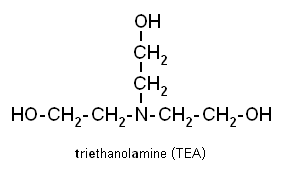
Sodium hydroxide is used in trace amounts to adjust pH during manufacturing. Potassium hydroxide is sometimes used for pH stabilization in OAT coolants. Triethanolamine buffers pH while enhancing corrosion inhibition. Boric acid and sodium borate provide alkaline reserve and protect aluminum components.
Why You Should Not Use Lye Directly
While sodium or potassium hydroxide technically raise pH, they pose serious risks. These substances are highly caustic and can burn skin or damage rubber hoses and seals. They are difficult to dose precisely, and too much can spike pH above 11, causing scaling and silicate drop-out. They may also react with metals and form precipitates that clog narrow passages.
Never pour household lye, drain cleaner, or baking soda into your radiator. These chemicals are not formulated for automotive cooling systems and can cause catastrophic damage.
When to Replace Coolant Instead
In most real-world cases, adjusting pH chemically is unnecessary and risky. Replacement is safer, cheaper, and more effective than attempting to salvage degraded coolant.
Replace Coolant If
Replace coolant if pH is below 8.0, if coolant appears rusty, sludgy, or oily, if the vehicle has over 3 to 5 years or 60,000 miles on the current fluid, or if you are unsure of previous maintenance or mixing ratios.
Recommended Coolant Change Intervals
Conventional IAT green coolant lasts approximately 2 years or 30,000 miles. Extended-life OAT orange or red coolant lasts approximately 5 years or 150,000 miles. Hybrid HOAT yellow or turquoise coolant lasts 3 to 5 years or 100,000 to 150,000 miles. Always consult your owner is manual for specific recommendations.
Prevent Future pH Drift
Maintaining stable pH starts with good maintenance habits and using the right materials from the start.
Use Distilled or Deionized Water
Never mix coolant concentrate with tap water. Minerals and chlorine in tap water can lower initial pH, form scale deposits, and react with inhibitors reducing their effectiveness. Always use distilled or deionized water when topping off or mixing coolant.
Install a Coolant Filter
Heavy-duty applications benefit from coolant filter kits like those from Cummins or Caterpillar. These filters remove acids and particulates, replenish additives, and extend fluid life while stabilizing pH. Aftermarket kits are also available for passenger vehicles through companies like Evans Cooling Systems.
Regular Coolant Testing Schedule
Test pH every 12 months or 15,000 miles using test strips or a digital meter. Track results over time to catch trends early before major problems develop.
Expert Tips for Safe pH Management
Follow these guidelines to maintain proper coolant pH without risking engine damage.
Do
Test before treating any coolant issue. Use manufacturer-approved additives specifically designed for automotive cooling systems. Flush and replace when in doubt rather than attempting risky adjustments. Keep records of all coolant changes and test results.
Do Not
Add random chemicals like baking soda, lye, or ammonia to your cooling system. Mix different coolant types haphazardly as they may contain incompatible additives. Ignore signs of contamination such as discoloration or unusual odors. Overfill with additive boosters beyond recommended amounts.
Pro Tip: If you frequently see low pH in new coolant after mixing, test your source water. A home water testing kit can reveal hidden issues like acidity or high total dissolved solids that are dragging down your coolant pH.
Frequently Asked Questions About Raising pH in Coolant
Can I use sodium hydroxide to raise coolant pH?
While sodium hydroxide is used in industrial coolant manufacturing, it is not recommended for DIY use. It is highly caustic, difficult to dose accurately, and can damage rubber seals and hoses. Better options include commercial coolant conditioners designed for automotive use.
What pH should coolant actually be?
Coolant should typically maintain a pH between 8.5 and 10.5. Below 8.0, the coolant becomes acidic and risks corrosion. Above 11, it can cause scaling and silicate drop-out that clogs cooling passages.
Why does my new coolant test at lower pH after mixing?
Pure antifreeze typically measures around 10.5 pH, but mixing with tap water reduces this significantly. Tap water often contains minerals and chlorine that lower pH. Always mix coolant concentrate with distilled or deionized water to maintain proper alkalinity.
Is slightly acidic coolant better for preventing rust?
No, this is a common misconception. Coolant must be alkaline to neutralize acids and prevent corrosion. Slightly acidic coolant actually accelerates rust and corrosion on metal components inside the engine.
How often should I test coolant pH?
Test coolant pH every 12 months or 15,000 miles, whichever comes first. Regular testing helps you catch pH drift early before it causes internal damage.
Should I just flush and replace instead of trying to adjust pH?
In most cases, yes. Flushing and replacing with fresh coolant mixed properly with distilled water is safer and more effective than chemical adjustments. It removes accumulated contaminants and restores full inhibitor protection.
Key Takeaways for Raising Coolant pH
Testing first is essential before attempting any adjustment. Know your current pH level and identify potential contamination sources. Use commercial coolant conditioners rather than raw chemicals when minor adjustments are needed. Flush and replace whenever pH drops significantly below 8.5 or when contamination is present. Prevent pH drift by always using distilled water for mixing and topping off. Schedule regular pH testing as part of your routine maintenance.
For everyday vehicles, stick to scheduled maintenance, use distilled water, and monitor pH annually. Your engine is longevity depends on maintaining proper coolant alkalinity.