Engine coolant keeps your vehicle running smoothly by preventing overheating, freezing, and internal corrosion. While most drivers buy pre-mixed coolant, knowing how to make engine coolant yourself can save money and ensure quality, especially in remote areas or emergency situations. However, getting the formula wrong can lead to engine damage, poor heat transfer, or dangerous chemical imbalances.
The internet is full of conflicting advice, including one popular DIY recipe calling for 90% ethylene glycol and just 8.5% water. This guide cuts through the noise using verified technical data, safety standards, and real-world performance criteria. You will learn the correct ratios, essential ingredients, step-by-step mixing instructions, and critical warnings to avoid costly mistakes.
Choose the Right Glycol Base
The foundation of any coolant is its glycol base, which determines freeze protection, boiling point, and toxicity level.
Use Ethylene Glycol for Maximum Performance
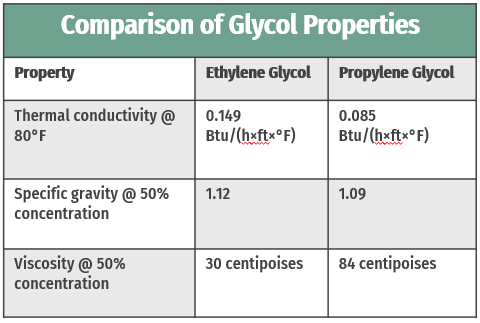
Ethylene glycol is the standard in automotive cooling systems due to its excellent thermal properties and cost efficiency. When mixed at a 50:50 ratio with distilled water, it lowers freeze point to -37°C (-34°F) and raises boiling point to approximately 113°C (235°F) under 15 psi pressure.
Warning: Ethylene glycol is highly toxic. Ingestion of just 100 mL can be fatal. Always label containers clearly and store out of reach of children and pets.
Only use high-purity ethylene glycol labeled for automotive use. Avoid industrial or recycled grades that may contain contaminants.
Consider Propylene Glycol for Safety
If you have pets or work in food-safe environments, propylene glycol is a safer alternative. It is much lower in toxicity, biodegradable, and environmentally friendly. However, it is slightly less efficient than ethylene glycol in freeze and boil protection and has higher viscosity that may affect flow in some systems.
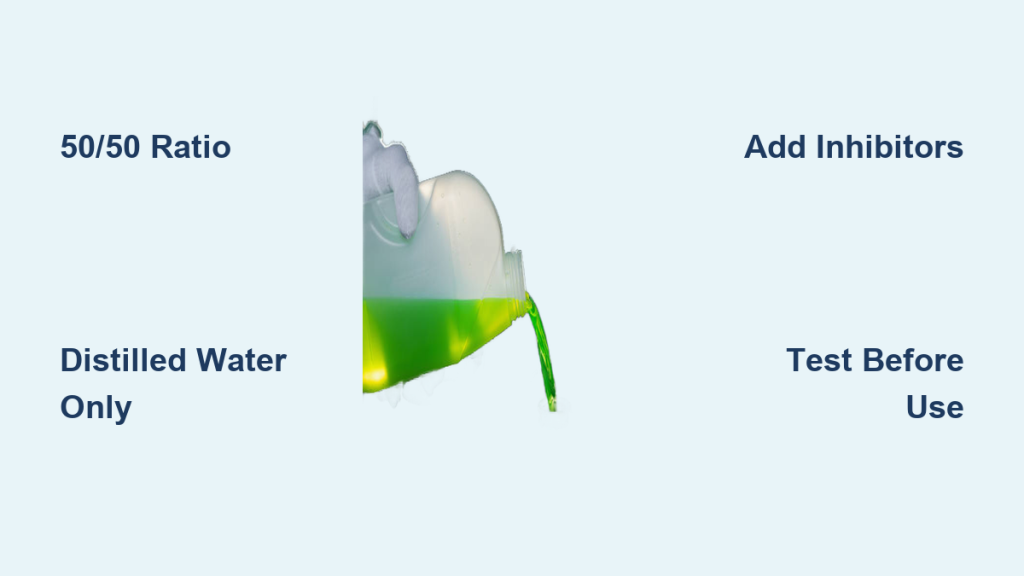
Mix With Distilled Water Only
Water plays a critical role in heat transfer, yet many DIY guides dangerously underuse it.
Why Distilled Water Is Non-Negotiable
Tap, spring, or well water contains minerals like calcium, magnesium, and chlorides that cause scale buildup on cylinder walls and radiator fins, galvanic corrosion between aluminum and steel components, and sludge formation when reacting with additives.
These issues reduce cooling efficiency and can clog narrow coolant passages, especially in modern engines with compact radiators and turbochargers. Always use distilled or deionized water with conductivity below 5 µS/cm.
Stick to the 50/50 Ratio
A balanced 50% glycol and 50% water mix delivers optimal performance. This ratio provides near-maximum thermal conductivity for heat transfer, freeze protection down to -37°C (-34°F), and boil resistance up to 113°C (235°F).
Avoid extreme mixes like 90% glycol and only 8.5% water. This drastically reduces heat absorption and increases fluid thickness, raising the risk of engine overheating despite extreme freeze protection.
Add Corrosion Inhibitors

Glycol and water alone will not protect your engine long-term. Additives prevent rust, acid buildup, and metal degradation.
Include Monoethanolamine for pH Stability
Monoethanolamine acts as a corrosion inhibitor and pH buffer, neutralizing acidic byproducts formed as glycol oxidizes over time. The recommended dosage is 1-2% by volume, which maintains pH between 8.5 and 10.5, ideal for preventing corrosion.
Know Your Additive Types
Different engines require specific inhibitor technologies.
• Silicates work best for aluminum engines and older vehicles, lasting 2 years
• Phosphates suit hard water areas, lasting 2-3 years
• Borates provide pH stabilization, lasting 3 years
• Azoles protect copper and brass radiators, lasting 3-5 years
• OAT (Organic Acid Technology) is for modern long-life coolants like Dex-Cool, lasting 5 years
• Molybdates protect diesel cylinder liners, lasting 5 years
Using the wrong additive can cause gel formation or premature failure. When in doubt, match your vehicle manufacturer is specification.
Follow the Safe Mixing Procedure
Making coolant is simple if you follow the right steps and safety precautions.
Prepare Your Workspace
Before starting, wear nitrile gloves and safety goggles. Work in a well-ventilated area. Use a clean, non-reactive container such as HDPE plastic, glass, or stainless steel. Keep pets and kids away. Never use containers that held food or drinks.
Step-by-Step Mixing Instructions
-
Pour in 500 mL distilled water per liter of final coolant. This ensures enough aqueous phase for heat transfer and additive solubility. Never reverse the order by adding water to concentrated glycol, as this can cause splashing and improper mixing.
-
Add 15 mL of MEA or equivalent additive while stirring continuously. Stir until fully dissolved, about 1-2 minutes. MEA is mildly corrosive, so avoid skin contact and inhalation of fumes.
-
Carefully pour in 500 mL of pure ethylene glycol. Use slow, steady pouring to minimize foaming.
-
Mix manually or with a drill-mounted paddle for 3-5 minutes. The solution should appear clear or slightly hazy, never cloudy or separated. No heating is required.
-
Add a small amount of dye if desired and stir until evenly dispersed.
-
Transfer to an opaque, sealed container and label clearly with ingredients, ratio, date made, and a toxic warning.
Use Standard 50/50 Ratio for Most Vehicles
Stick to proven ratios unless operating in extreme conditions.
Standard Mix: 50% Glycol + 50% Water
This perfect mix for passenger cars, SUVs, and trucks in temperate climates provides freeze protection to -37°C (-34°F) and boil protection to approximately 113°C (235°F). The cost is approximately $5.50 per gallon versus $10 or more for pre-mixed.
Cold Climate Adjustment: 60/40
For regions below -30°C, use 60% glycol and 40% water for freeze protection down to approximately -50°C (-58°F). Do not exceed 70% glycol, as beyond this point, heat transfer drops sharply.
Test Your Coolant Before Use
Never assume your mix is correct. Verify performance before filling your engine.
Check Glycol Concentration
Use a refractometer for accuracy. Draw a sample into the device, aim at a light source, and read the scale. The green zone indicates safe range. A 50/50 mix should read approximately 50% glycol.
Test pH Level
Ideal pH falls between 8.5 and 10.5. Use test strips or a digital meter. Dip into coolant, compare color or read value, and if pH is below 7, the solution is acidic and should not be used. Flush the system and remake the coolant.
Never Use Water Alone
Running straight water may seem harmless in summer, but it is risky.
Risks of Water-Only Operation
Water alone freezes at 0°C (32°F), which can crack engine blocks or radiators. It boils at 100°C (212°F), causing vapor lock and overheating. Most importantly, water has no corrosion inhibitors, leading to rust, scale, and pump failure.
Emergency Use Only
In an emergency, add distilled water only to reach a safe level. Drive directly to service and replace with proper coolant immediately. Continued low coolant levels cause engine damage.
Maintain and Replace on Schedule
Even homemade coolant degrades over time.
Follow Replacement Intervals
• IAT (Green) coolants require replacement every 2 years or 30,000 miles
• OAT (Orange) coolants last 5 years or 150,000 miles
• HOAT (Yellow) coolants last 3-5 years, depending on your manual
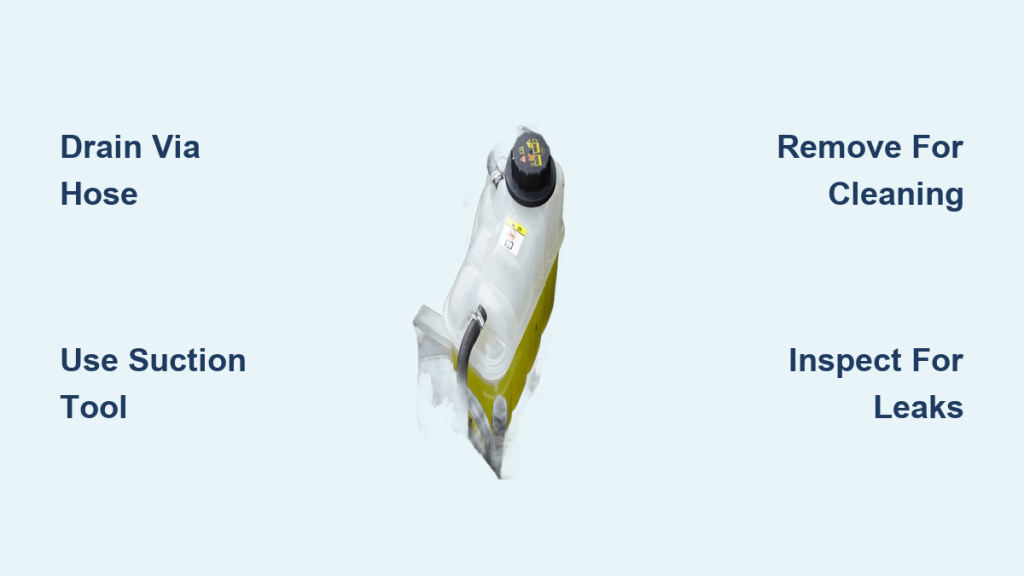
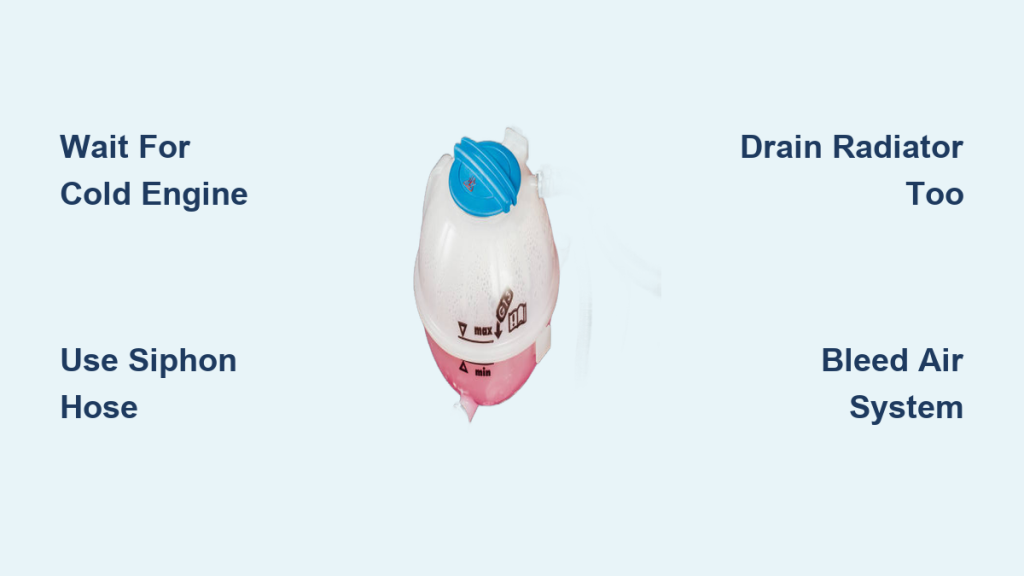
Monitor coolant health monthly by checking the level in the expansion tank, annually by testing freeze point and pH, and at every oil change by inspecting for discoloration, sludge, or odor.
Prioritize Safety When Handling Chemicals
Ethylene glycol and MEA are hazardous if mishandled.
Wear Protective Gear
Wear nitrile or neoprene gloves, ANSI-approved goggles, and ensure proper ventilation by opening garage doors or using fans.
Handle Spills Correctly
Absorb spills with clay, sand, or spill pads. Do not hose down spills, as this prevents groundwater contamination. Dispose as hazardous waste at an approved facility.
Recognize Poisoning Symptoms
Ethylene glycol poisoning symptoms appear in stages. Stage one (30 minutes to 12 hours) causes dizziness, nausea, and intoxication. Stage two (12-24 hours) brings rapid heartbeat and metabolic acidosis. Stage three (over 24 hours) leads to kidney failure, seizures, and death. Antidote requires immediate medical attention.
Frequently Asked Questions About Making Engine Coolant
Can I make my own engine coolant at home?
Yes, you can make engine coolant at home using high-purity ethylene glycol, distilled water, and corrosion inhibitors like monoethanolamine. However, the process requires precise measurements and safety precautions. Most experts recommend purchasing pre-mixed coolant that meets OEM specifications instead.
What happens if I use too much glycol in my coolant mixture?
Using too much glycol, such as a 90% glycol and 8.5% water mix, drastically reduces heat transfer efficiency. The solution becomes too thick for proper pump circulation, which can cause engine overheating even in freezing conditions. Stick to the 50/50 ratio for optimal performance.
Is it safe to use tap water instead of distilled water?
No. Tap water contains minerals that cause scale buildup, galvanic corrosion, and sludge formation. These problems reduce cooling efficiency and can clog narrow passages in modern engines. Always use distilled or deionized water with conductivity below 5 µS/cm.
How long does homemade coolant last?
Properly mixed and stored coolant can last up to 5 years in sealed, opaque containers. However, the additives degrade over time, so annual pH and freeze point testing is recommended. Replace coolant every 2-5 years depending on the type used.
What is the difference between ethylene glycol and propylene glycol?
Ethylene glycol offers superior thermal performance and is the standard for automotive use, but it is highly toxic if ingested. Propylene glycol is much safer, biodegradable, and ideal for households with pets, though it provides slightly less freeze and boil protection.
Can I use industrial coolants like Whole Cut 795 in my car engine?
No. Industrial coolants like Whole Cut 795 are designed for metal cutting operations, not engine cooling. They lack the high-temperature stability and cavitation protection needed for automotive engines. Never use industrial coolants in automotive cooling systems.
Key Takeaways for Making Engine Coolant
Making engine coolant at home can be cost-effective and practical when done correctly. The most important factor is using the proper 50/50 ratio of glycol to distilled water, which provides optimal heat transfer, freeze protection to -37°C, and boil resistance to approximately 113°C. Always use high-purity ethylene glycol and add appropriate corrosion inhibitors like monoethanolamine at 1-2% by volume. Never adopt unsafe formulas like 90% glycol mixes, as these sacrifice thermal efficiency and can cause engine overheating.
Safety must always come first when handling ethylene glycol. Wear protective gloves and goggles, work in ventilated areas, and store finished coolant in clearly labeled, sealed containers away from children and pets. Test your mixture with a refractometer and pH strips before use to ensure it meets proper specifications. When in doubt, purchase pre-mixed coolant that meets your vehicle is OEM specification to protect your engine.