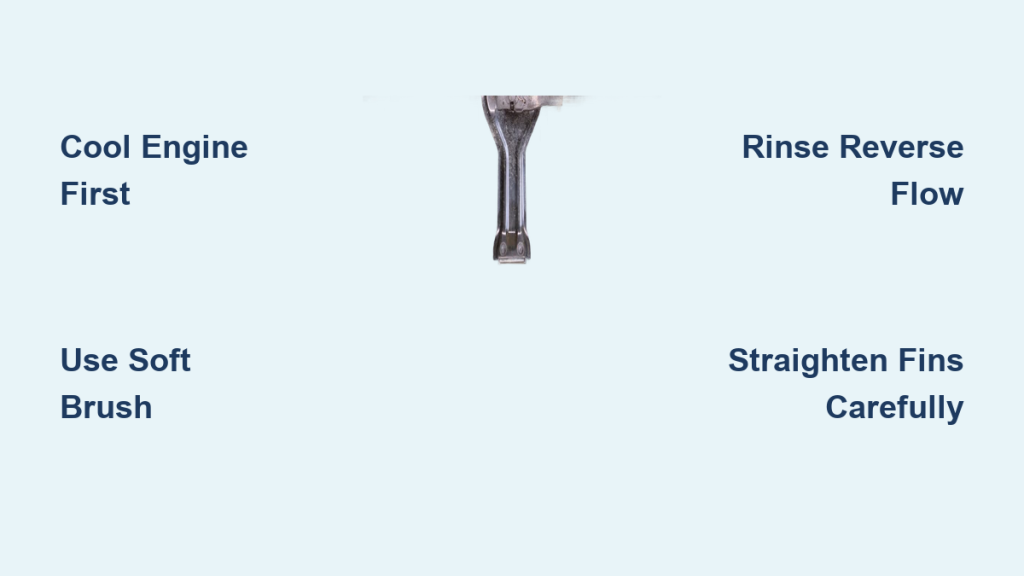
A clogged radiator can silently sabotage your engine’s performance. Over time, radiator fins, the thin metal vanes at the front of your cooling system, collect dirt, bugs, leaves, and road grime. When airflow through these fins is restricted, your engine runs hotter and risks overheating, reduced efficiency, and even catastrophic failure. The good news is that learning how to clean radiator fins is a simple, low-cost maintenance task you can complete at home in under an hour.
This guide walks you through the proper tools, safe cleaning solutions, and step-by-step techniques backed by technical data and manufacturer-safe practices. You will learn how to protect your radiator, maximize airflow, and avoid common mistakes that damage delicate components.
Prepare Your Vehicle Safely
Before touching any tools, safety comes first. A hot radiator under pressure can cause severe burns, and improper cleaning can bend fins or corrode metal. Follow these essential steps to prepare your vehicle before you begin cleaning.
Confirm Engine Is Completely Cool
Never clean a warm radiator. Wait at least 1 to 2 hours after driving before starting. Test by placing your hand near (not on) the radiator cap. If you feel heat radiating, wait longer. Cleaning a hot radiator risks thermal shock, and spraying water on hot metal can crack components or warp fins.
Turn Off and Secure the Engine
Ensure the vehicle is off, keys are removed, and the parking brake is engaged. Disconnect the battery only if you are removing electrical components like fan shrouds, though this is rarely necessary for basic cleaning.
Gather Protective Gear
Wear safety goggles and rubber gloves before starting any work. Debris can fly during cleaning, especially with compressed air. Gloves also protect your hands against sharp fin edges and cleaning chemicals.
Access Radiator Fins Properly
Clear access ensures a thorough clean. Many radiators are partially blocked by plastic covers, grilles, or fan shrouds. Removing these gives you full visibility and reach for the best results.
Remove Fan Shroud or Grille
Use a screwdriver or socket set to loosen clamps or bolts securing the radiator fan shroud. Unplug any electrical connectors carefully. Some models allow partial removal, while others require full disassembly. Consult your owner’s manual if you are unsure about the process.
Pro Tip: Take a photo before disconnecting wires to simplify reassembly later.
Inspect for Blockages and Damage
With the shroud removed, visually examine the fins. Look for packed debris between fins, bent or crushed fin rows, and signs of leaks or corrosion. If fins are matted down, airflow is already compromised. You will straighten them later, but first remove the gunk.
Use the Right Cleaning Solution
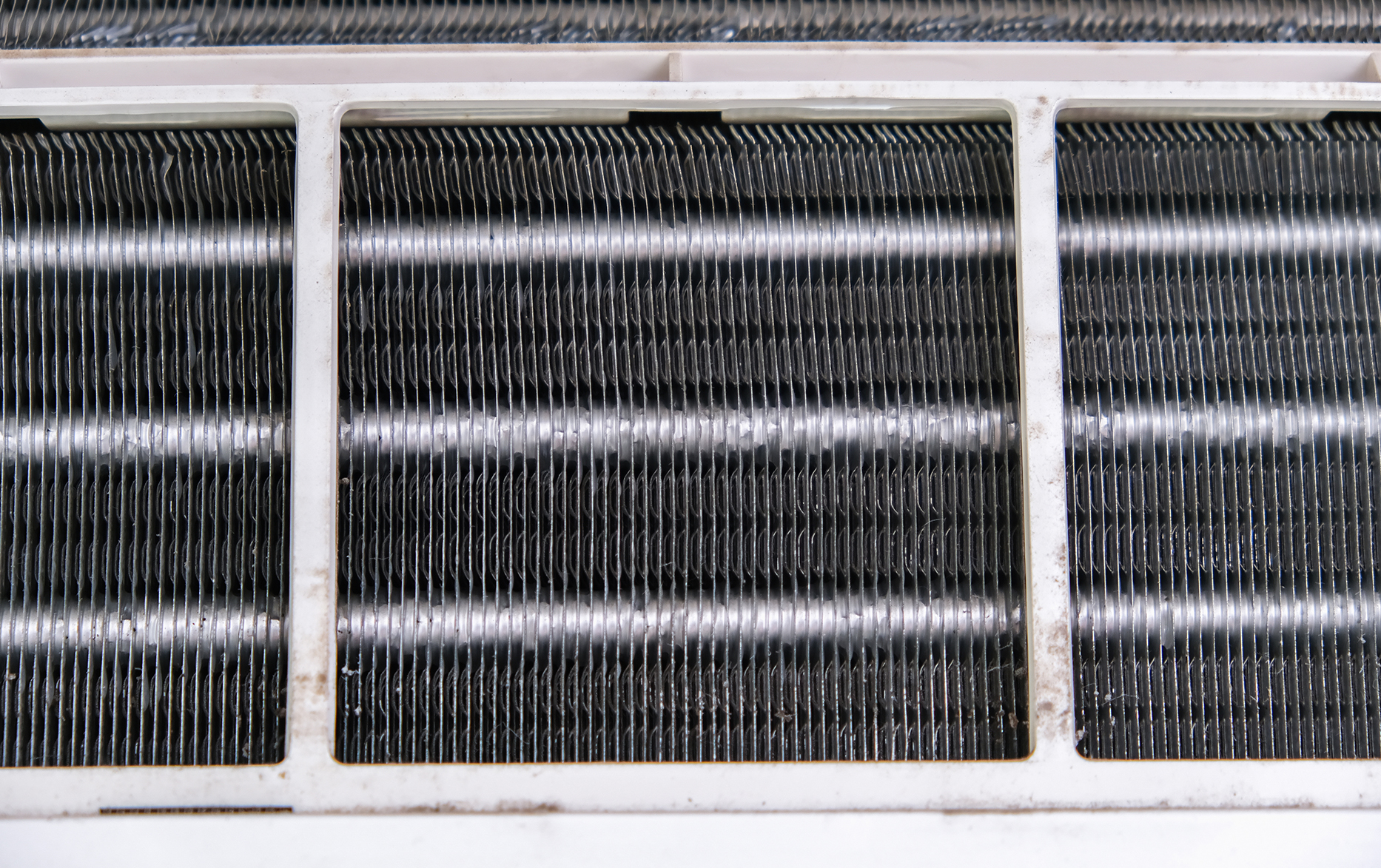
Choosing the wrong cleaner can do more harm than good. Vinegar and bleach are common household options, but both damage radiators. Here is what to use and what to avoid when learning how to clean radiator fins properly.
Avoid Vinegar and Bleach
Vinegar contains acetic acid, which corrodes aluminum, steel, and rubber seals. It can damage the intake manifold, engine block, cylinder head, and degrade rubber gaskets. Bleach contains sodium hypochlorite, which eats away at metal and degrades hoses. Both can cause internal leaks and cooling system failure.
Choose Radiator-Safe Cleaners
Opt for cleaning agents that are safe for aluminum, stainless steel, chrome, and alloys:
- Simple Green Pro HD (diluted 1:3 with water)
- Mild dish detergent (1 to 2 capfuls per gallon)
- Commercial radiator cleaners labeled safe for aluminum
These break down grease and grime without harming metal or seals.
Mix and Apply Cleaner Correctly
Fill a spray bottle with your chosen solution. For Simple Green, mix 1 part cleaner to 3 parts water. Spray evenly across the fins from front to back. Let the solution sit for 3 to 5 minutes to loosen stubborn buildup.
Visual Cue: Watch for suds forming. This means the cleaner is actively breaking down grime.
Remove Debris Without Damaging Fins
Now it is time to clean. Your goal is to dislodge debris while preserving fin alignment. Bending fins reduces airflow more than dirt, so work slowly and carefully.
Gently Brush With Soft Bristles
Use a soft-bristled brush, such as a clean toothbrush or dedicated radiator brush, to sweep across the fins. Move in the direction of airflow (front to back) to avoid bending. Do not press hard. Let the bristles do the work for you.
Common Mistake: Using wire brushes or excessive pressure bends or breaks fins permanently.
Straighten Bent Fins Carefully
If fins are folded, use a fin comb (available at auto parts stores) or a small flat tool. Slide it between rows and gently pull straight. A flathead screwdriver works in a pinch. Use the edge to nudge fins back into alignment.
Pro Tip: Work top to bottom. Bent fins at the top often block airflow to lower sections.
Rinse the Fins the Right Way
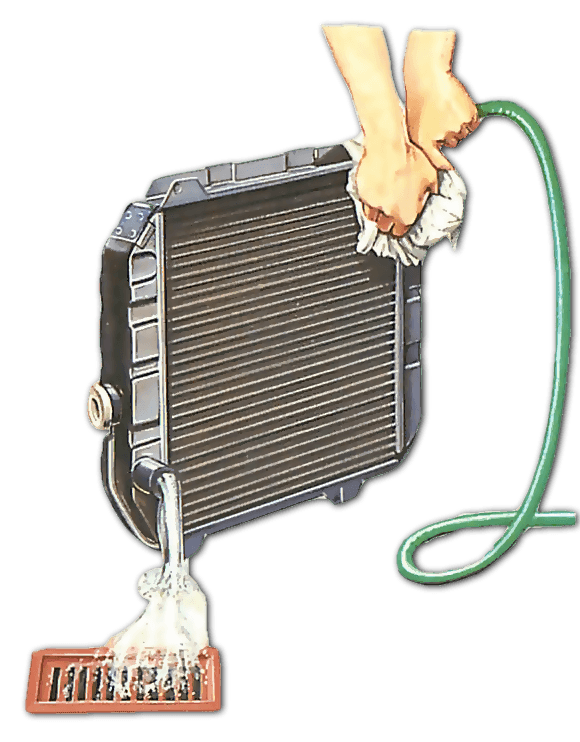
How you rinse matters. The direction and pressure determine whether you flush out debris or push it deeper into the core.
Use Low-Pressure Water
Attach a garden hose with a spray nozzle set to low pressure. High pressure from a power washer can crumple fins instantly. If using a pressure washer at all, keep settings very low.
Rinse Front to Back or Reverse Flow
Two effective methods work well:
- Front to Back: Spray from the front grille side. Good for light buildup.
- Reverse Flow (Recommended): Spray from the engine side toward the front. This pushes debris out the way it came in.
Why It Works: Normal airflow goes front to engine. Reversing the flow dislodges trapped particles more effectively and prevents forcing debris deeper.
Try Compressed Air (Optional)
If you have an air compressor, use it after rinsing. Blow air from the engine side at 40 to 60 PSI max. Wear goggles because dirt and water will fly.
Best For: Drying fins quickly or reaching deep blockages that water alone cannot clear.
Dry and Reassemble Correctly
Moisture left in the radiator can lead to corrosion or electrical issues if fans are reinstalled while wet.
Let Fins Air Dry Completely
Wait 15 to 30 minutes after rinsing. Wipe excess water from surrounding areas with a microfiber cloth. Never drive with pooled water in the radiator core.
Reinstall Shroud and Covers
Reattach the fan shroud, reconnect electrical plugs, and secure all fasteners. Double-check that no tools or rags are left behind in the engine bay.
Test the Cooling System
Start the engine and let it idle for 5 to 10 minutes. Watch the temperature gauge. It should rise normally and stabilize. If it spikes, shut off immediately and check for blockages or low coolant levels.
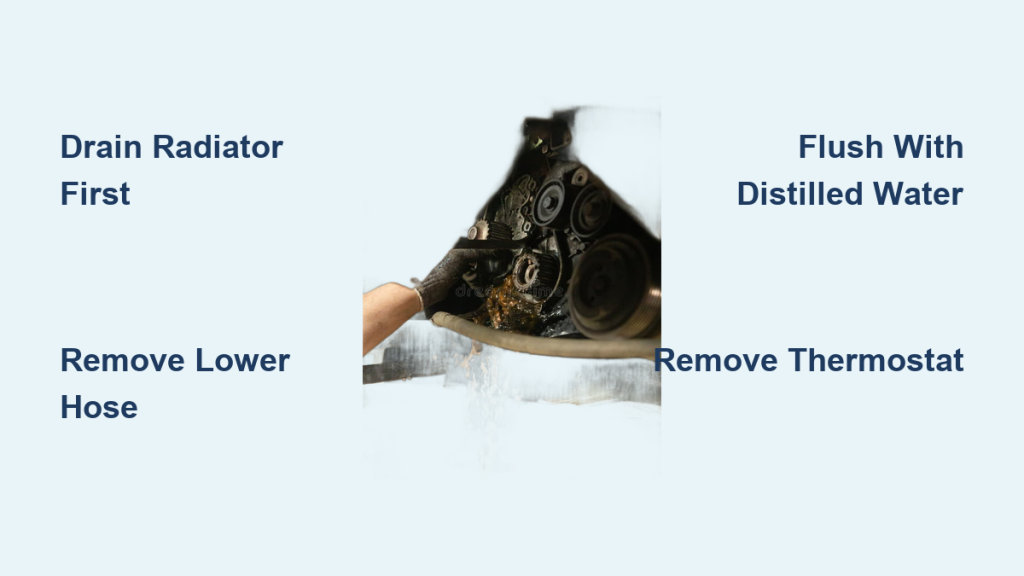
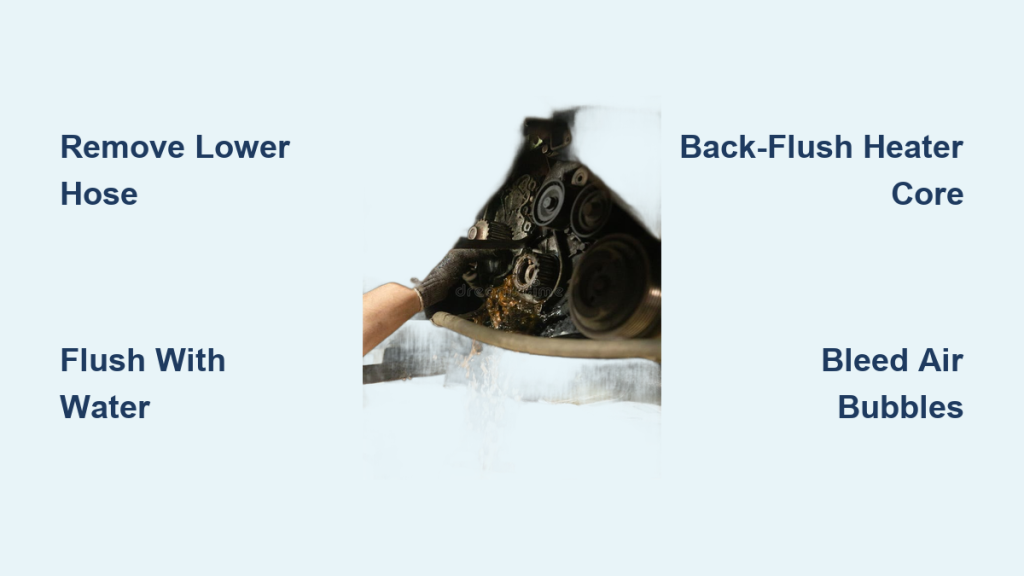
Flush Internally Every 5 Years
External cleaning improves airflow, but internal buildup still clogs coolant passages. Perform a full radiator flush every 5 years to maintain peak efficiency and prevent scale buildup.
Drain Old Coolant Safely
With the engine cool, place a drain pan under the radiator petcock. Open the valve and let fluid empty completely. Close it tightly afterward.
Eco Note: Recycle coolant at an auto shop. Never pour it down the drain.
Circulate Cleaning Solution
Mix 1 part Simple Green Pro HD to 15 parts water. Pour into the radiator. Run the engine for 5 to 15 minutes until it reaches operating temperature and the thermostat opens. Turn off and cool.
Rinse Until Water Runs Clear
Drain the solution, then refill with clean water. Run for 5 minutes. Repeat until drained water is clear and non-foamy, usually 2 to 3 cycles total.
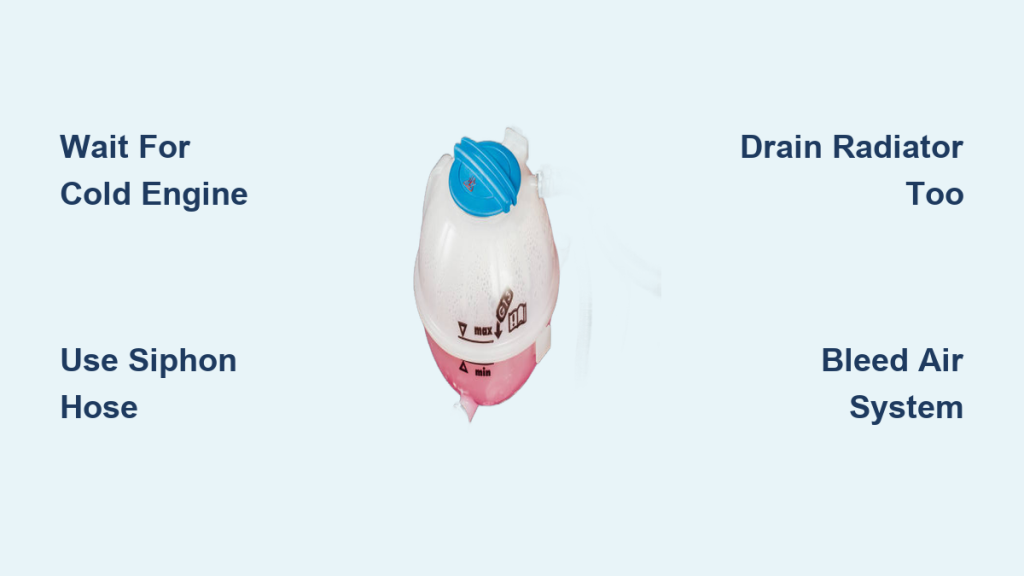
Refill With Proper Coolant
Add manufacturer-recommended coolant to the correct level. Avoid mixing coolant types such as OAT with IAT. Use distilled water if topping off the system.
Maintain Fins Year-Round
Prevention beats repair. A clean radiator today avoids overheating tomorrow and saves you money on costly repairs.
Clean Fins Annually
Schedule fin cleaning once per year. Spring is ideal before summer heat arrives. If you drive on dirt roads or see heavy bug splatter, clean every 6 months instead.
Inspect During Oil Changes
Take 30 seconds at each oil change to peek at the radiator. Look for new debris buildup, bent fins, and coolant leaks. Catching issues early saves money and downtime.
Avoid High-Pressure Washers
Even at low settings, pressure washers risk fin damage. Stick to garden hoses with adjustable nozzles for safe cleaning.
Fix Common Cleaning Mistakes

Even careful DIYers make errors. Here is how to avoid them and fix them fast when learning how to clean radiator fins the right way.
Bent Fins After Cleaning
Caused by aggressive brushing or improper rinsing. Fix with a fin comb. Prevention: Always use soft tools and light pressure.
Engine Overheats After Cleaning
Check coolant level and top off if low. Bleed air pockets if needed. Test thermostat function and verify fan operation. If fins are clean, the issue may be internal, so schedule a flush.
Residue Left on Fins
Reapply cleaner and extend dwell time. Rinse again using reverse flow. Persistent film may require a second wash cycle.
Frequently Asked Questions About Cleaning Radiator Fins
How often should you clean radiator fins?
Clean radiator fins at least once per year. If you drive frequently on dusty roads or encounter heavy bug splatter, clean every 6 months. Inspect fins during every oil change for early problem detection.
Can you clean radiator fins without removing the radiator?
Yes, you can clean radiator fins without removing the radiator from the vehicle. You only need sufficient access to the front and back of the core. In some cases, removing the grille or fan shroud improves access.
Will a pressure washer damage radiator fins?
Yes, high-pressure water can permanently bend or crush delicate fins. If you must use a pressure washer, keep it at the lowest setting. A garden hose with an adjustable nozzle is the safer choice.
What is the best cleaner for radiator fins?
Simple Green Pro HD Heavy-Duty Cleaner diluted at 1:3 with water is the top choice. It is safe for aluminum, stainless steel, chrome, and alloys. Mild dish detergent also works for general cleaning.
Is vinegar safe for cleaning radiator fins?
No, vinegar is not safe. The acetic acid in vinegar corrodes aluminum, steel, and rubber seals. It can damage the intake manifold, engine block, cylinder head, and degrade gaskets over time.
How do you straighten bent radiator fins?
Use a fin comb or a small flat tool to gently realign bent fins. Slide the tool between rows and pull straight. A flathead screwdriver works as an alternative. Work top to bottom for best results.
Key Takeaways for Cleaning Radiator Fins Safely
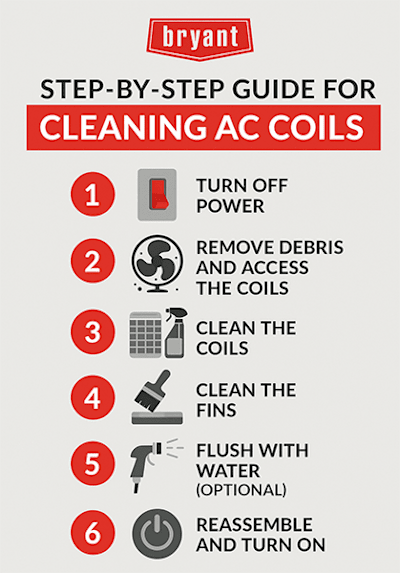
Learning how to clean radiator fins protects your engine and extends cooling system life. Use Simple Green Pro HD at a 1:3 dilution for external cleaning and avoid vinegar or bleach entirely. Rinse from the engine side toward the front to push debris out the way it entered. Straighten bent fins with a fin comb and never use high-pressure water.
Pair annual external cleaning with a 5-year internal flush for peak performance. Inspect fins during every oil change and clean more often if you drive on dusty roads. Your radiator will deliver reliable cooling for years when you follow these simple steps.
Next Step: Gather your tools today and schedule a fin cleaning this weekend. Your engine will thank you with cooler, more efficient operation all season long.