
Low or contaminated radiator fluid is one of the leading causes of engine overheating, and catching it early can save you from costly repairs. Radiator fluid, also known as coolant or antifreeze, plays a vital role in keeping your engine at the optimal operating temperature, especially during extreme weather. If ignored, a failing cooling system can lead to warped engine blocks, blown head gaskets, or complete engine failure.
Checking your radiator fluid is a simple, quick task that every vehicle owner should know how to perform. Unlike more complex maintenance jobs, you don’t need special tools, just time, safety awareness, and the right know-how. This guide walks you through how to check radiator fluid safely and accurately, interpret what you see, and take the correct next steps to keep your engine running smoothly.
Essential Safety Precautions Before Checking Radiator Fluid
Before opening the hood, prioritize safety. The cooling system operates under high pressure and extreme heat, making it dangerous to inspect when hot.
Wait for the Engine to Cool Completely
Never check radiator fluid immediately after driving. Wait at least 30 to 60 minutes after turning off the engine. A hot system can release scalding steam and pressurized coolant if the cap is removed too soon. To be safe, only proceed when the engine feels cool to the touch.
Wear Protective Gear
Radiator fluid contains glycol and chemical additives that can irritate skin and are highly toxic if ingested. Wear gloves and safety glasses to protect against accidental splashes. Clean up spills immediately, especially in homes with pets or children.
Park on Level Ground
An accurate fluid reading requires the vehicle to be on a flat surface. Parking on a slope can give a false low or high reading in the reservoir. Always check the coolant with the car parked in a garage or on even pavement.
Locate the Coolant Reservoir Tank

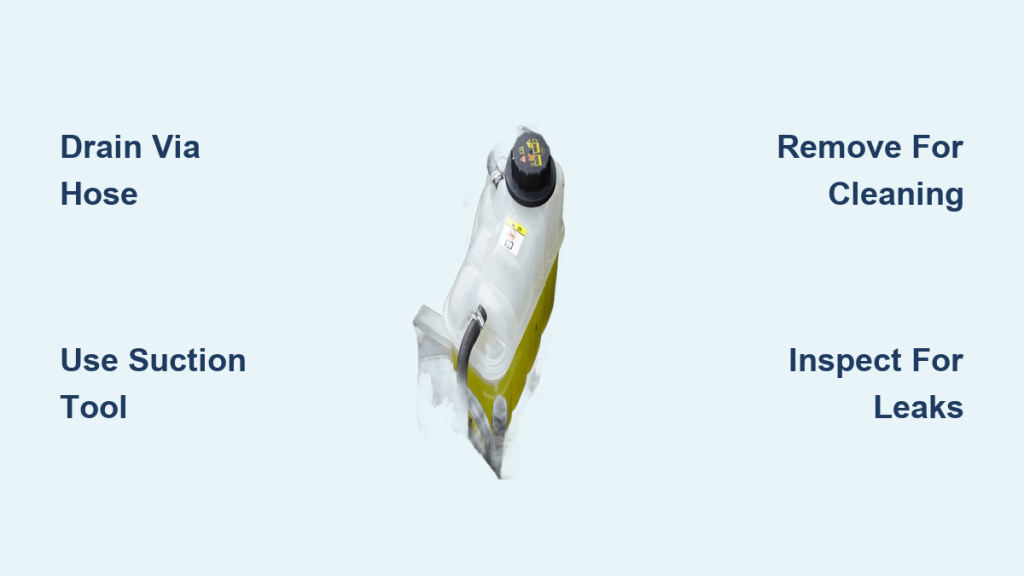
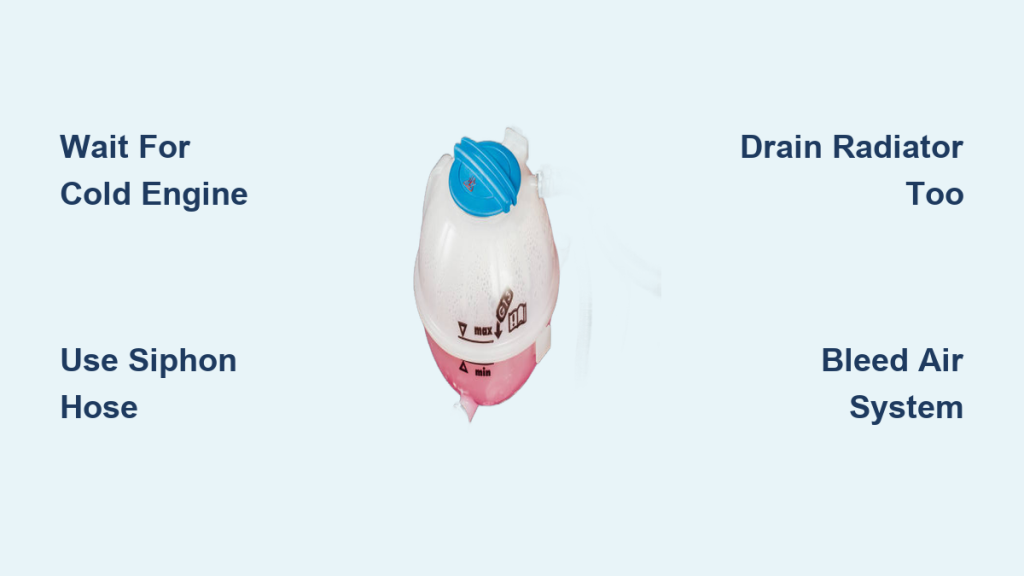
Modern vehicles use a sealed cooling system with a translucent overflow tank, making inspection easy.
Identify the Reservoir Tank
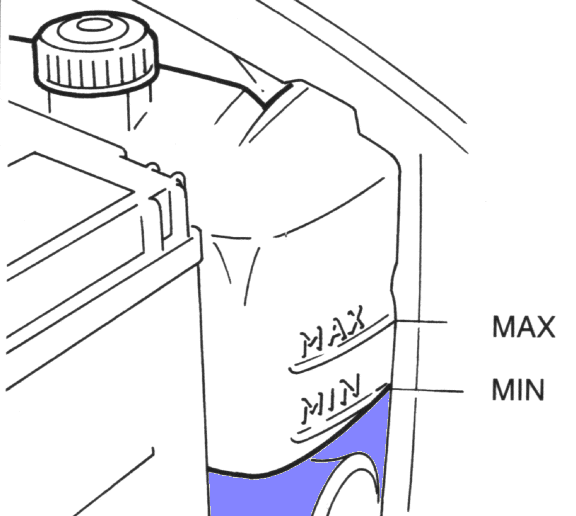
Open the hood and look for a see-through plastic tank near the radiator. It is usually marked with “Coolant” or “Engine Coolant” and has MIN/MAX or LOW/FULL lines molded into the side. This is the primary point for checking and topping off fluid in most cars manufactured after the 1990s.
Find the Radiator Cap If Needed
On older or some performance vehicles, you may need to check fluid directly at the radiator. The cap is typically on top of the radiator. Only remove it after the engine is completely cool. If your reservoir is empty but the engine runs fine, the radiator may still contain fluid, indicating a failed reservoir cap or hose.
Check Fluid Level and Clarity
Once the system is safe to inspect, assess both quantity and quality.
Read the Level Markings
Look at the side of the reservoir. The coolant should sit between the MIN and MAX lines. If it is near or below the minimum, the system needs topping off. If the reservoir is empty, check the radiator (only when cool) and inspect for leaks.
Inspect Fluid Color and Condition
Healthy coolant is bright and clear, with colors varying by type: green, red, orange, blue, or yellow. Avoid topping off if you see:
- Brown or rust-colored fluid: indicates corrosion and old, degraded coolant
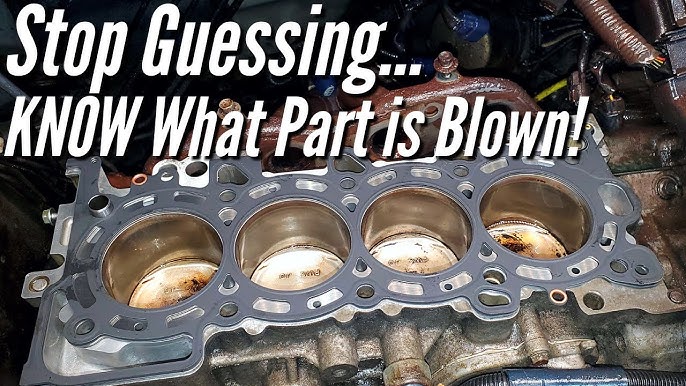
- Milky or oily residue: a red flag for oil mixing in, often due to a blown head gasket
- Sludge or particles: suggests internal damage like a failing radiator or degraded hoses
- Bubbles in the reservoir: may mean combustion gases are entering the system
Use a Coolant Tester (Optional)
If the fluid looks questionable, use an affordable coolant tester from an auto parts store. It checks freeze point protection and pH levels to determine if the coolant is still effective or needs flushing.
Refill with the Right Coolant

Adding the wrong type can damage your engine. Always match the manufacturer’s specification.
Consult Your Owner’s Manual
The manual lists the correct coolant type (IAT, OAT, or HOAT) based on your vehicle’s make, model, and year. Common types include:
- IAT (Inorganic Additive Technology): traditional green coolant, used in older vehicles
- OAT (Organic Acid Technology): long-life coolant, often orange or red (e.g., Dex-Cool)
- HOAT (Hybrid Organic Acid Technology): yellow or turquoise, common in modern Fords, Chryslers, and European models
Never mix different coolant types unless explicitly labeled as compatible.
Choose Pre-Mixed or Concentrate
- Pre-mixed (50/50): ready to pour, ideal for topping off, prevents improper dilution
- Concentrate: must be mixed with distilled water at a 50/50 ratio before use
Tap water contains minerals that cause scaling and corrosion inside the radiator.
Emergency Water Top-Off
If coolant is unavailable and the level is dangerously low, add distilled water to reach a service station. This is a temporary fix because pure water lacks freeze protection and corrosion inhibitors. Replace with proper coolant as soon as possible.
Step-by-Step Refill Procedure
Follow these steps to safely add coolant and maintain system integrity.
Prepare the Vehicle
Ensure the engine is off and cool, and the car is on level ground. Turn off the ignition and engage the parking brake.
Open the Reservoir or Radiator
Remove the cap from the coolant reservoir. If checking at the radiator, slowly twist the cap counterclockwise to release any residual pressure, then remove it fully.
Add Coolant Gradually
Using a funnel, pour the correct coolant slowly until the level reaches the MAX or FULL line. Avoid overfilling, as fluid expands when hot and can overflow.
Secure and Recheck
Tighten the cap until it clicks. Start the engine and let it run for a few minutes with the heater on high. This helps circulate the fluid and release air pockets. Turn off the engine, let it cool, and recheck the level. Top off if needed.
Identify Common Cooling System Failures
Early detection prevents major engine damage. Knowing how to check radiator fluid regularly helps you spot these issues quickly.
Low Coolant Without Visible Leaks
If you are constantly topping off but see no puddles, suspect:
- An internal leak (such as head gasket failure)
- Evaporation from a cracked reservoir
- Hose or clamp failure under the hood
Monitor closely and seek professional diagnosis if the issue persists.
Overheating While Driving
If the temperature gauge rises, follow these steps:
- Turn off the A/C.
- Turn the heater on full to draw heat from the engine.
- Pull over and wait for the engine to cool.
- Check coolant level and look for leaks.
- Do not continue driving. Towing may be necessary.
Dashboard Warning Lights
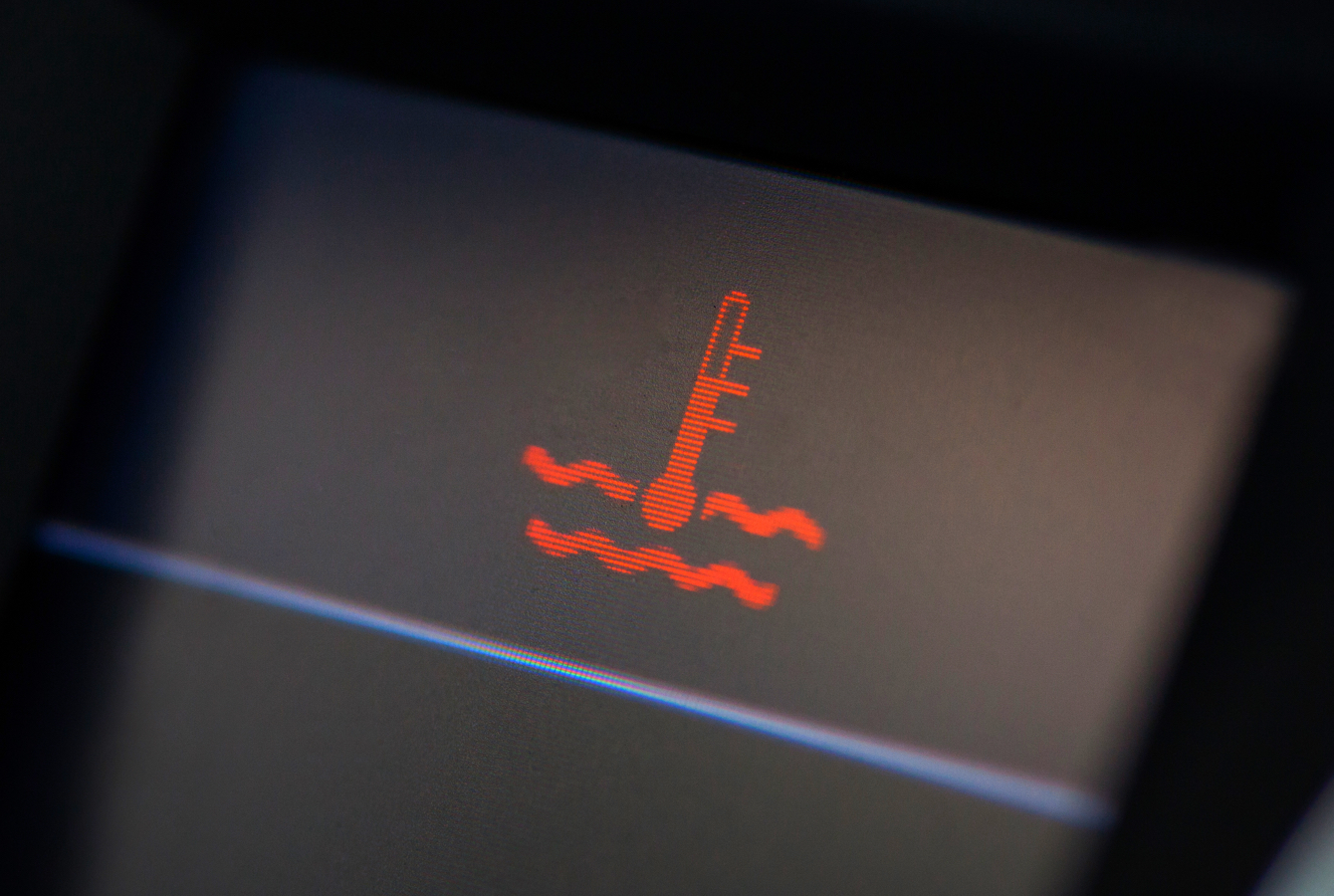
Modern vehicles display a coolant temperature warning or a low coolant message. Heed these immediately. Ignoring them risks severe engine damage.
Maintain a Healthy Cooling System
Regular checks and scheduled maintenance keep your engine protected.
Check Frequency
Inspect coolant every 3 to 6 months, or before summer and winter. Align checks with oil changes for consistency.
Flush and Replace Coolant
Most vehicles require a coolant flush every 30,000 miles, though some long-life formulas last up to 100,000 miles. Replace coolant if:
- Fluid is discolored or sludgy
- The system has been contaminated
- It is past the manufacturer’s recommended interval
Flushing removes old fluid, debris, and rust, restoring optimal performance.
When to See a Mechanic
Some issues go beyond DIY fixes.
Signs of Head Gasket Failure
Look for:
- Milky oil on the dipstick
- White exhaust smoke
- Bubbles in the coolant reservoir
- Overheating with no visible leaks
These require immediate professional attention.
Persistent Leaks or Overheating
If you have refilled coolant but the problem returns, a mechanic can perform a pressure test to locate leaks, conduct a block test for combustion gases, and replace faulty thermostats, water pumps, or radiators.
Complex Repairs
Tasks like replacing the thermostat, water pump, or flushing a contaminated system require expertise to ensure proper bleeding and sealing. Do not risk air pockets or improper reassembly.
Frequently Asked Questions About Checking Radiator Fluid
Can you check radiator fluid when the engine is hot?
No. Always wait 30 to 60 minutes after shutting off the engine before checking radiator fluid. Opening the cap on a hot system can release scalding steam and pressurized coolant, causing severe burns.
What color should healthy radiator fluid be?
Healthy coolant is bright and clear, with colors varying by type: green, red, orange, blue, or yellow. Brown, rust-colored, or milky fluid indicates contamination and requires immediate attention.
Is it safe to add water to the cooling system?
In an emergency, distilled water can be added to reach a service station. However, water lacks freeze protection and corrosion inhibitors, so it should only be a temporary fix. Replace with proper coolant as soon as possible.
What does it mean if the coolant reservoir is empty but the radiator is full?
This suggests a possible leak in the reservoir system or an issue with flow between the radiator and reservoir. Top up the reservoir and monitor closely for leaks.
How often should you check radiator fluid?
Check radiator fluid every 3 to 6 months, ideally before summer and winter. Aligning these checks with routine oil changes helps maintain consistency.
What causes bubbles in the coolant reservoir?
Bubbles often indicate combustion gases entering the cooling system, which is a strong sign of a head gasket leak. This requires immediate professional diagnosis and repair.
Key Takeaways for Checking Radiator Fluid Safely
Learning how to check radiator fluid is one of the simplest yet most valuable maintenance skills a vehicle owner can develop. Always wait for the engine to cool, park on level ground, and wear protective gear before inspecting the reservoir. Pay attention to both the fluid level and its color, since discoloration or particles often signal deeper issues.
When topping off, use the correct coolant type specified in your owner’s manual and never mix incompatible formulas. If you notice recurring low levels, overheating, or milky residue, schedule a professional inspection promptly to prevent costly engine damage.
Make coolant checks a routine habit every few months, and your engine will stay protected through every season.