If your radiator stays cold at the top while the bottom warms up, or you hear gurgling and banging every time the heat kicks on, trapped air is almost always the cause. Many homeowners search for how to bleed a steam radiator, expecting a simple valve twist like on hot water units. The truth is more nuanced. True steam radiators use automatic air vents, not manual bleed valves, and those vents are what usually need attention.
This guide explains how to identify your system, recognize when a vent has failed, and restore full heat to your radiators. You’ll learn the correct maintenance steps, what tools to use, and when to call a professional for help.
Identify Your Radiator Type Before Doing Anything
:max_bytes(150000):strip_icc()/hot-water-vs-steam-radiators-1821916_V3-718158766dc344c0a8a5976fa7002b65.png)
The first step in troubleshooting is confirming whether you have a steam or hot water system. The maintenance path depends entirely on this distinction.
Check the Pipe Configuration
Look at the pipes entering your radiator:
– One pipe means you have a steam radiator. Steam enters, heats the unit, and condensed water returns through the same pipe by gravity.
– Two pipes usually means a hot water system, where one pipe supplies hot water and the other returns cooled water to the boiler.
Steam radiators do not have a bleed valve at the top. Instead, they rely on a small automatic air vent mounted on the side or end of the radiator. When this vent fails, air gets trapped and the radiator won’t fill with steam.
Locate the Automatic Air Vent

On a steam radiator, the air vent is:
– A small brass or chrome cylinder about 1 inch long
– Mounted on the side or end, not the top
– Sometimes labeled with a number like 4 or 6
This vent opens when the radiator is cold, releases trapped air, then closes automatically when steam arrives. If it clogs with paint, rust, or mineral buildup, air stays trapped and the radiator stays cold.
Diagnose Steam Radiator Problems Correctly
Not every cold radiator needs the same fix. Match the symptom to the cause before taking action.
Cold Top, Warm Bottom Means Hot Water, Not Steam
If the bottom heats but the top stays cold, you likely have a hot water radiator with trapped air. Steam fills a radiator from the top down, so a cold top in a steam system usually means no steam is reaching the unit at all.
Common Steam Radiator Symptoms
Watch for these warning signs:
– Radiator stays completely cold with no warmth anywhere
– Hissing from the vent that never stops, even when the system is hot
– Delayed heating where the radiator takes 10 minutes or longer to warm up
– Loud banging in pipes known as steam hammer
A failed air vent is the most common cause of poor steam performance. When it cannot release air, steam cannot enter the radiator.
Prepare Safely Before Any Maintenance
Even low-pressure steam can cause burns. Follow these precautions before starting work.
Shut Down and Cool the System
- Set the thermostat to off or its lowest setting.
- Wait 30 to 60 minutes for the radiator to cool completely.
- Touch the radiator before working. If it’s warm, wait longer.
Never work on a hot radiator. Steam burns are severe and can happen even at low system pressures.
Gather the Right Tools
You will need:
– Adjustable wrench or open-end wrench sized for the vent
– Replacement air vent matched to your system (common brands include Ventrite, Hoffman, and Gorton)
– Teflon tape or pipe sealant
– Rag or towel for catching drips
– Gloves and safety glasses
Keep a small bucket nearby in case of minor water spillage.
Replace a Faulty Steam Air Vent
Since steam radiators don’t use manual bleed valves, replacing the automatic vent is the real fix for trapped air problems.
Step 1: Remove the Old Vent
- Confirm the radiator is completely cool.
- Place a rag under the vent to catch debris.
- Unscrew the old vent counterclockwise using your wrench.
- If the vent sticks, apply penetrating oil and wait 5 minutes before retrying.
- Inspect the threaded opening for rust or old sealant.
Avoid using excessive force. Brass vents can crack under pressure.
Step 2: Install the New Vent
- Wrap 2 to 3 layers of Teflon tape clockwise around the new vent’s threads.
- Screw the vent in by hand first, then tighten gently with a wrench.
- Do not over-tighten. This can damage the internal mechanism.
- Wipe away excess moisture and dispose of the old vent.
Pro Tip: Choose vent size based on your radiator. Use a Number 4 vent for faster air release on small radiators. Use a Number 6 vent for larger units or systems prone to steam hammer.
Test the System After Vent Replacement
:max_bytes(150000):strip_icc()/Steam-radiator-air-vents-1824733_final-61b1ca142f9346e6af3595f9a59dd8ce.png)
Once the new vent is installed, verify the fix worked.
Restart the Heating System
- Turn the thermostat back to its normal setting.
- Wait for the boiler to fire and send steam through the pipes.
- Stand near the radiator and listen carefully.
Listen for the Right Sounds
- Hissing for 30 to 60 seconds: Normal. This is trapped air escaping.
- Hissing stops quickly: Good sign. Steam has filled the radiator and the vent closed.
- Even heating within 2 to 5 minutes: Success.
If the radiator stays cold after this test, the problem may be deeper in the system.
Troubleshoot Persistent Steam Radiator Issues
Sometimes a new vent doesn’t solve the problem. Here’s how to respond.
Vent Leaks Steam Continuously
If the new vent hisses nonstop:
– It may be the wrong size for your system.
– It could be defective and need replacement.
– Never plug or cap a leaking vent. This creates a dangerous pressure hazard.
Radiator Still Cold After Replacement
Possible causes include:
– Main system air vent failure in the basement
– Clogged steam trap blocking condensate return
– Rusty inlet valve preventing steam flow
– Improper radiator pitch stopping condensate drainage
These issues typically require a licensed heating technician.
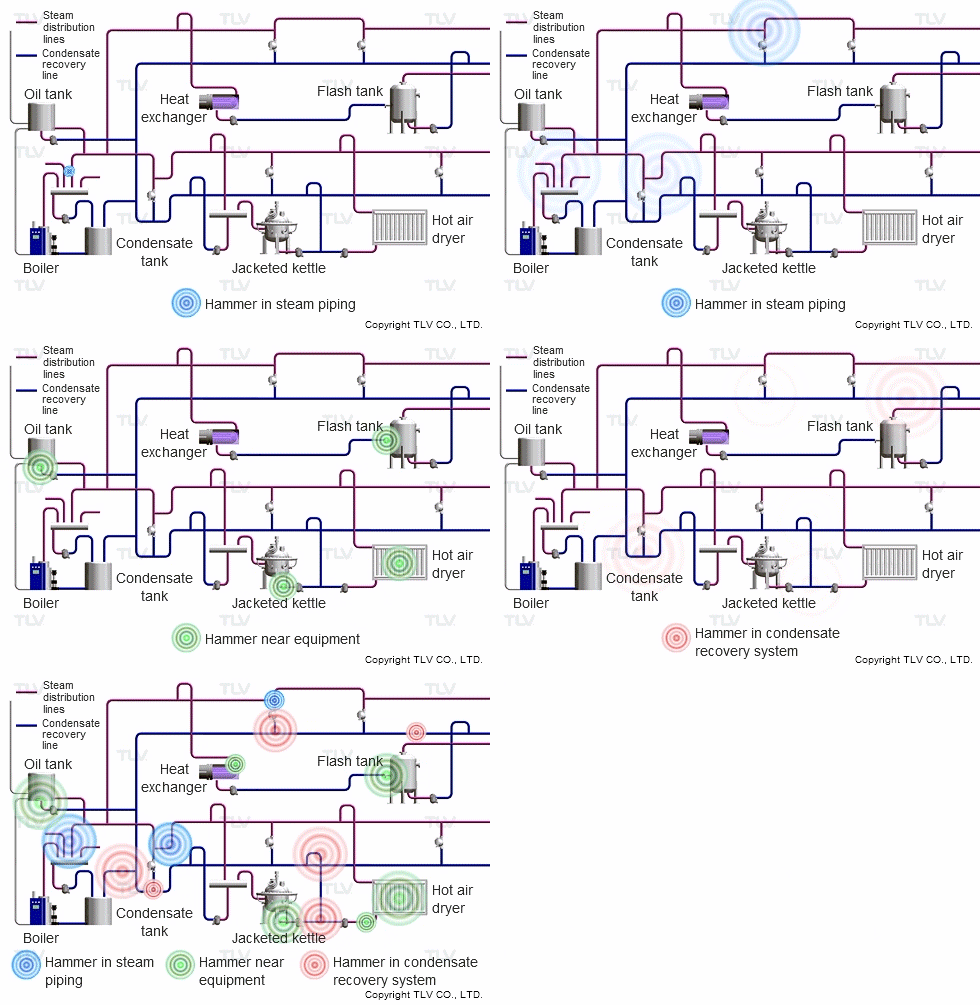
Loud Banging After Heating Starts
Known as water hammer, this happens when condensate blocks steam flow. Solutions include:
– Ensure radiators tilt slightly toward the supply pipe (about ¼ inch per foot)
– Check for clogged main vents or collapsed drip legs
– Avoid partially closing inlet valves
Maintain Your Steam System for Long-Term Performance
A little seasonal care prevents most steam radiator problems.
Clean Vents Annually
Even working vents accumulate debris over time.
– Remove the vent once a year and soak it in vinegar for 30 minutes.
– Rinse thoroughly and reinstall.
– Replace vents every 3 to 5 years as preventive maintenance.
Keep Vents Free of Paint
Paint often seals over vent holes during home renovations.
– Use a pin or needle to clear clogged exhaust ports.
– Never paint over the vent body or its openings.
Schedule Annual Professional Inspections
Have a heating contractor check:
– Boiler pressure and water levels
– Main air vents and steam traps
– Sludge buildup in the boiler
A fall tune-up before winter demand catches small problems before they become major repairs.
Frequently Asked Questions About Bleeding a Steam Radiator
Do steam radiators have a bleed valve?
No. Traditional steam radiators use automatic air vents, not manual bleed valves. These vents release trapped air on their own when the radiator is cold and close when steam arrives. If your radiator isn’t heating, the vent likely needs cleaning or replacement rather than manual bleeding.
Can I manually bleed a steam radiator?
You cannot manually bleed a true steam radiator the way you would a hot water unit. The closest action is replacing the automatic air vent, which performs the same function of releasing trapped air so steam can enter the radiator.
Why is my steam radiator cold at the top?
In a steam system, a cold top usually means no steam is reaching the radiator at all. The most common cause is a clogged or failed automatic air vent that cannot release trapped air. Check the vent first before investigating deeper system issues.
How often should I replace steam radiator vents?
Replace automatic air vents every 3 to 5 years as preventive maintenance. In older systems or homes with hard water, vents may fail sooner. Annual cleaning with vinegar can extend vent life, but replacement is the most reliable fix.
What does it mean if my steam radiator is banging?
Banging pipes, called steam hammer, happens when water condensate blocks steam flow. Common causes include clogged air vents, improper radiator pitch, or failed steam traps. A heating technician should diagnose persistent banging to prevent pipe damage.
Is it safe to work on a steam radiator myself?
Basic vent replacement is safe for most homeowners if the system is off and cool. However, any work involving the boiler, pressure issues, or persistent cold radiators should be handled by a licensed heating professional to avoid injury or system damage.
Key Takeaways for Fixing Steam Radiator Heat Problems

True steam radiators don’t use manual bleed valves like hot water systems. Instead, they depend on automatic air vents that release trapped air and close when steam arrives. When a radiator won’t heat, the fix is almost always cleaning or replacing this small component rather than performing a traditional bleed.
Start by confirming your system type using the pipe configuration. One pipe means steam. Two pipes usually means hot water. Then locate the automatic air vent on the side or end of the radiator. If it’s clogged, replace it with a correctly sized vent using Teflon tape for a tight seal. Test the system after installation by listening for brief hissing followed by even heating.
For persistent problems like cold radiators after vent replacement, banging pipes, or system-wide heating failures, contact a licensed heating technician. With annual vent maintenance and professional inspections, your steam heating system can run quietly and efficiently for decades.