
Engine coolant is one of the most overlooked yet critical fluids in your vehicle. Responsible for regulating engine temperature, preventing freezing in winter, and protecting against corrosion, coolant longevity directly impacts engine reliability and lifespan. Despite its importance, many drivers are unsure how long coolant should last or when it actually needs replacement.
The answer is not universal: coolant lifespan varies significantly by type, driving conditions, and manufacturer recommendations. While some modern formulations claim to last up to 150,000 miles, chemical degradation sets a hard time limit typically no more than 5 years, even with low mileage. Using expired or degraded coolant risks overheating, internal corrosion, and catastrophic engine failure.
Coolant Types and How Long Each Lasts
The chemical formulation of your coolant determines exactly how long it remains effective. Using the wrong type or ignoring service intervals can significantly shorten engine life.
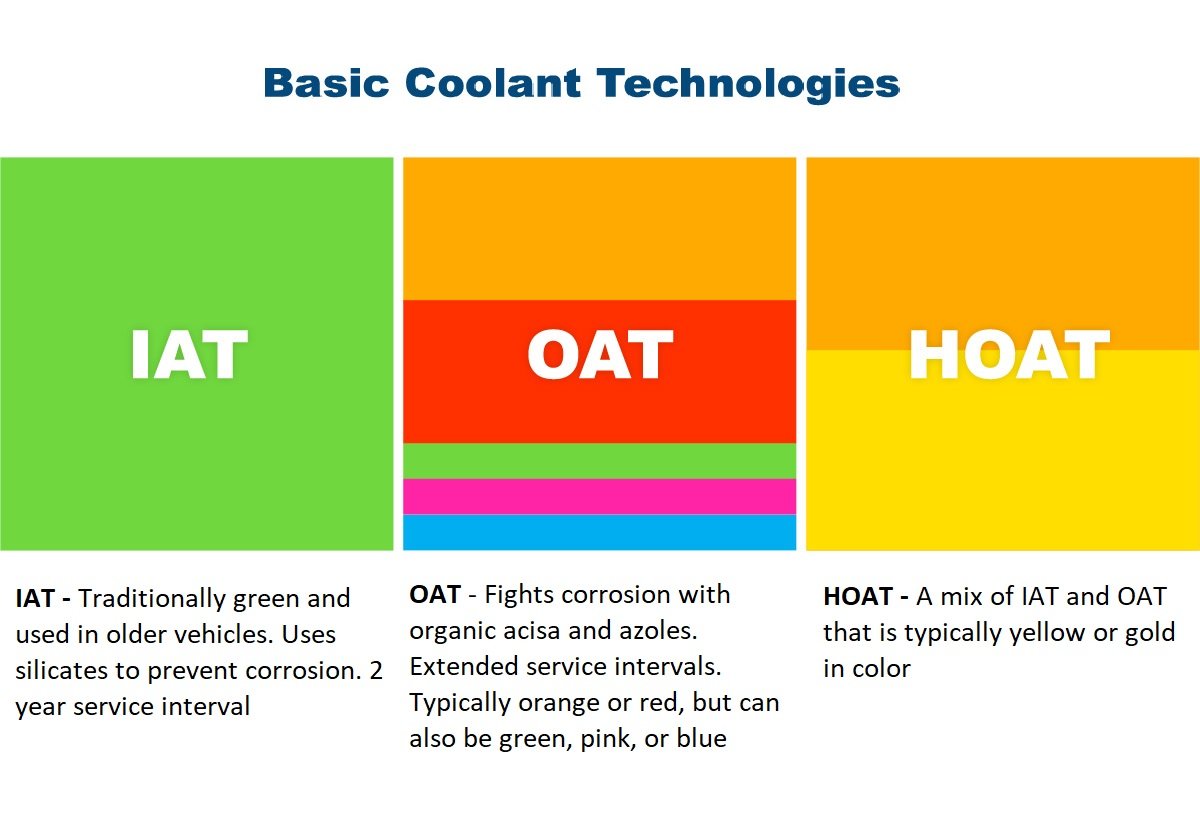
Conventional IAT Coolant: 2 Years or 30,000 Miles
Green-colored conventional coolant, also known as Inorganic Acid Technology (IAT), was standard in vehicles manufactured before the mid-1990s. It contains silicate additives that protect metal surfaces quickly but deplete rapidly over time.
• Recommended change interval: Every 30,000 miles or 2 years, whichever comes first
• Signs of failure include rusty fluid, sludge buildup, and engine overheating
• Best suited for older American vehicles manufactured before 1995
Silicates break down fast, leaving aluminum and steel components vulnerable to corrosion. If your vehicle uses IAT coolant, stick to the 2-year rule because time matters more than mileage for this type.
OAT Coolant: Up to 5 Years or 100,000 Miles
Orange, red, or pink coolants often use Organic Acid Technology (OAT), designed specifically for longer service life. GM’s Dex-Cool represents the most well-known example of this formulation.
• Typical longevity: Up to 100,000 miles or 5 years
• Additive profile: Silicate-free, uses organic acids for slow, long-term protection
• Best for GM vehicles, some European models, and newer domestic vehicles
OAT coolants resist chemical breakdown better than older formulations but can be prone to gelling if accidentally mixed with other coolant types. These fluids also take longer to fully protect metals upon initial use.
HOAT Coolant: 5 Years or 50,000 to 150,000 Miles
Hybrid Organic Acid Technology (HOAT) blends silicates with organic acids for broad-spectrum protection across multiple metal types. These coolants often appear in yellow, gold, blue, or turquoise colors and are common in modern Ford, Chrysler, and European brand vehicles.
• Typical interval: 50,000 to 150,000 miles, but never exceed 5 years maximum
• Variants include Si-OAT (silicated HOAT) and NOAT (nitrited OAT)
• Best for most post-2000 vehicles
HOAT offers fast initial protection combined with extended service life, but mixing with incompatible coolants can cause gel formation and dangerous clogs in narrow passages.
Manufacturer-Specific Coolant Formulations
Several major automakers use proprietary coolants with unique specifications that differ from industry-standard types.
• Honda: Blue NOAT coolant lasts 5 years or 100,000 miles
• Toyota: Pink or gold SLLC (Super Long Life Coolant) offers 100,000-mile interval with 5-year maximum
• VW G12/G13: Purple or turquoise formulations last 5 years or 90,000 to 150,000 miles
These fluids are not interchangeable with generic alternatives. Using the wrong type voids warranties and risks serious engine damage. Always match the exact specification recommended in your owner’s manual.
Manufacturer Service Intervals You Should Follow
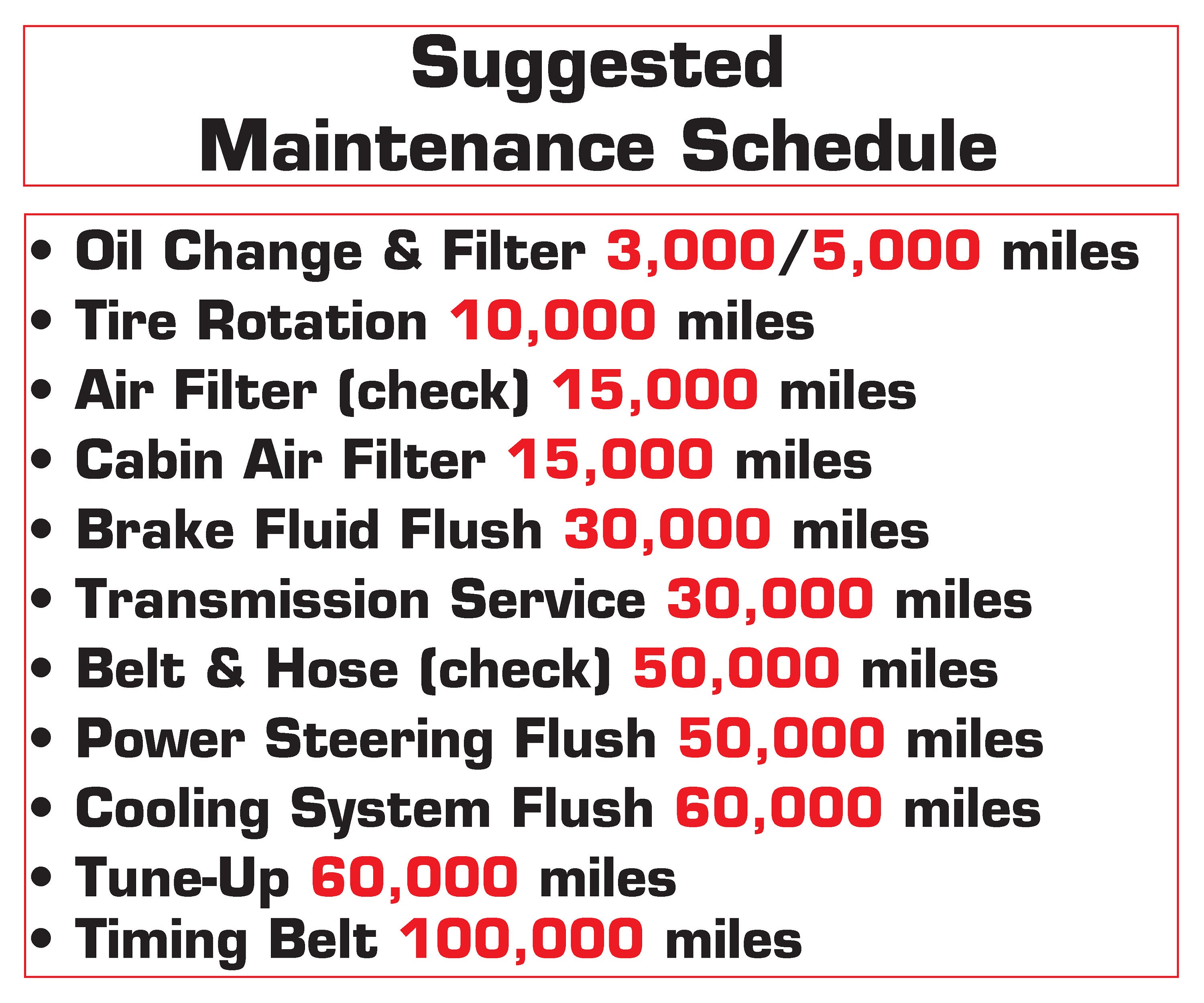
There is no single coolant change schedule that fits all vehicles. Your owner’s manual remains the final authority on service intervals for your specific car.
Standard Replacement Windows Across Brands
Most manufacturers recommend similar baseline intervals for coolant service.
• First coolant change: 50,000 miles or 5 years (common industry baseline)
• Subsequent changes: Every 30,000 to 36,000 miles or 3 years for conventional coolant; up to 100,000 miles for extended-life formulations
• Maximum time limit: 5 years regardless of total mileage accrued
Even if you drive only 5,000 miles per year, coolant should be replaced every 5 years at maximum. Chemical additives degrade over time regardless of mileage, and acidic byproducts build up, significantly increasing corrosion risk inside the engine.
Real-World Service Interval Examples
| Vehicle Brand | Coolant Type | Recommended Interval |
|---|---|---|
| GM (Dex-Cool) | OAT (Orange) | 150,000 miles or 5 years |
| Ford (2010-2020) | HOAT (Yellow) | 100,000 miles or 5 years |
| Toyota Camry | SLLC (Pink) | 100,000 miles or 5 years |
| Honda Accord | Blue NOAT | 105,000 miles or 5 years |
| VW Passat | G13 (Turquoise) | 90,000 miles or 5 years |
The key rule to remember: if your owner’s manual specifies 150,000 miles but you are approaching 6 years of age, replace the coolant at 5 years. Time consistently trumps mileage when it comes to chemical degradation.
Why Coolant Degrades Over Time
Coolant does not simply “wear out” like engine oil, but its protective chemistry breaks down through several natural processes.
Additive Depletion Reduces Protection
Corrosion inhibitors, lubricants, and pH stabilizers are gradually consumed during normal operation. Once these additives are depleted, metal parts including radiator fins and water pump seals begin to corrode significantly faster.
Acid Buildup Createscorrosion Risk
As coolant ages, it oxidizes and becomes increasingly acidic. A pH below 8.5 dramatically increases electrolysis, where stray electrical voltage literally eats away at aluminum components. Coolant test strips can detect this condition, and ideal pH should remain between 8.5 and 10.5 for proper protection.
Contamination Compromises Performance
Coolant becomes contaminated through multiple pathways.
• Rust particles from internal corrosion circulating through the system
• Oil entering from failed head gaskets
• Sludge or scale formation from mixing incompatible coolant types
• Evaporation concentrating antifreeze beyond recommended ratios
Contaminated fluid reduces heat transfer efficiency and can clog narrow passages in the radiator and heater core.
Thermal Cycling Weakens System Components
Engines heat up and cool down repeatedly during operation, constantly stressing hoses, seals, and the coolant reservoir. Over time, this leads to micro-leaks and air pockets that reduce overall cooling efficiency.
Warning Signs Your Coolant Needs Immediate Attention
Do not wait for a complete breakdown to address coolant issues. Watch for these red flags indicating service is overdue.
Discolored or Dirty Fluid
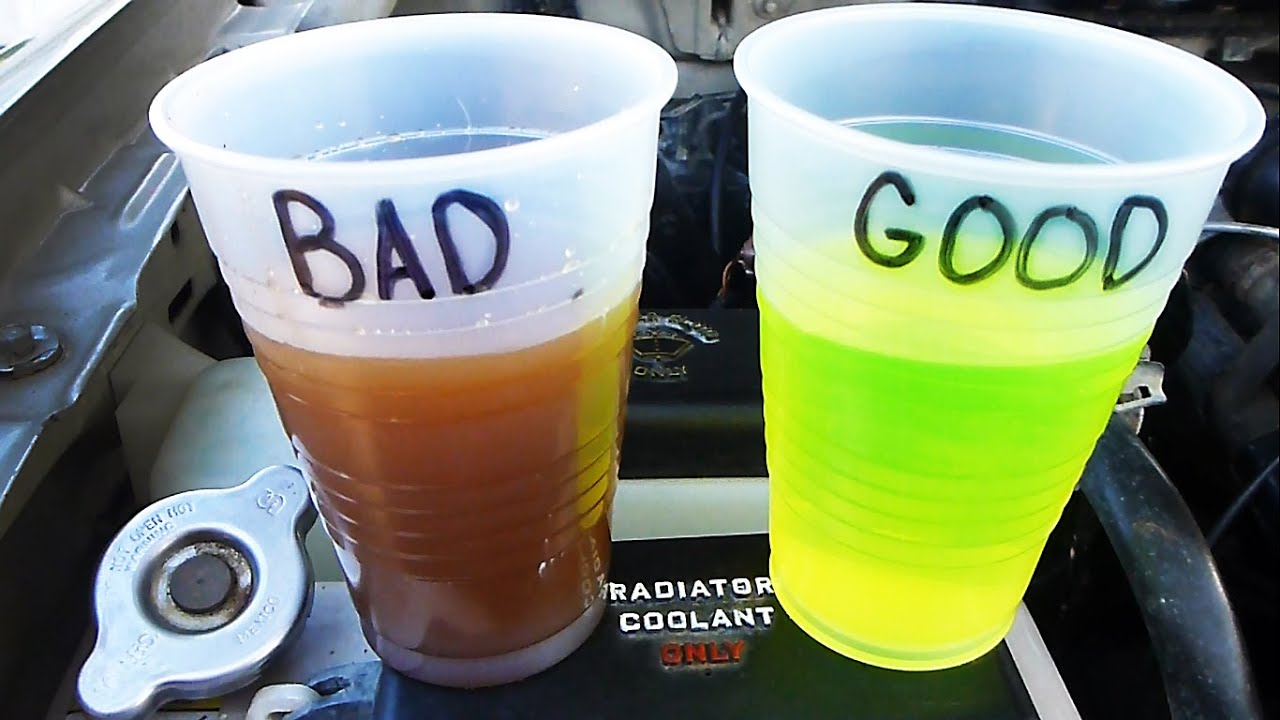
Healthy coolant appears bright and clear, with color varying by type. Warning signs include brown or rusty coloration indicating metal corrosion, cloudy or milky appearance suggesting contamination from oil or water intrusion, and visible sludge in the reservoir signaling severe degradation. Check the coolant tank every oil change, and if the fluid looks murky, schedule a flush immediately.
Engine Overheating Frequently
Frequent temperature spikes or the temperature gauge entering the red zone indicate poor heat transfer. Causes include degraded coolant, air pockets in the system, or a clogged radiator. Overheating can warp cylinder heads or blow head gaskets, resulting in repairs costing $1,500 or more.
Sweet Syrupy Odor Inside Cabin
Ethylene glycol coolant produces a distinctive sweet, syrup-like odor. If detected inside the cabin, this typically indicates a heater core leak, which also causes window fogging. Under-hood sweet smells suggest external coolant leaks. Coolant is toxic if inhaled or ingested, so address this symptom promptly.
Coolant Leaks Appearing Under Vehicle
Puddles of green, orange, pink, or yellow fluid beneath your car indicate a leak. Common sources include corroded radiators, failed water pump seals, cracked hoses or loose clamps, and brittle reservoir tanks. Even small leaks reduce coolant volume and invite overheating problems.
Poor Cabin Heating Performance
Weak or absent heat during winter months often means low coolant levels or air pockets preventing proper flow through the heater core. This symptom should prompt immediate inspection of the cooling system.
Driving Conditions That Shorten Coolant Life Dramatically
Standard service intervals assume moderate driving conditions. Severe conditions require significantly more frequent changes to prevent damage.
What Qualifies as Severe Driving Conditions
• Frequent short trips where the engine never fully warms up
• Stop-and-go traffic causing constant heat cycling
• Towing or hauling that creates prolonged high temperatures
• Extreme climates with sub-zero winters or temperatures exceeding 100°F
• Dusty or off-road environments that clog radiators faster
Under these conditions, follow the severe service schedule: change coolant every 2 years or 30,000 miles, even when using long-life fluid formulations. Short trips are especially harmful because moisture condenses in the system, leading to acid formation and accelerated rust.
How to Extend Coolant Life Effectively
Maximize your coolant’s performance and protection with these proven maintenance strategies.
Always Use the Correct Coolant Type
Never mix different coolant chemistries. When topping off, use pre-mixed 50/50 coolant to avoid dilution errors. Consult your owner’s manual to confirm the exact specification required for your vehicle, including OEM part numbers where specified.
Perform Complete System Flushes Instead of Simple Drains
A basic drain and refill leaves up to 40% of old coolant trapped in engine passages and the heater core. Instead, invest in a full system flush using pressurized equipment or chemical cleaners. This ensures all degraded fluid and contaminants are removed completely, which is especially critical for high-mileage vehicles or those with unknown service histories.
Bleed Air From the Cooling System Properly
Modern engines trap air in high points of the cooling system, and failure to bleed this air leads to overheating, inaccurate temperature readings, and water pump damage. Many vehicles require specific bleeding procedures involving raising the front end or opening particular bleed valves. Consult your repair manual for the exact procedure for your model.
Inspect Coolant System Components Regularly
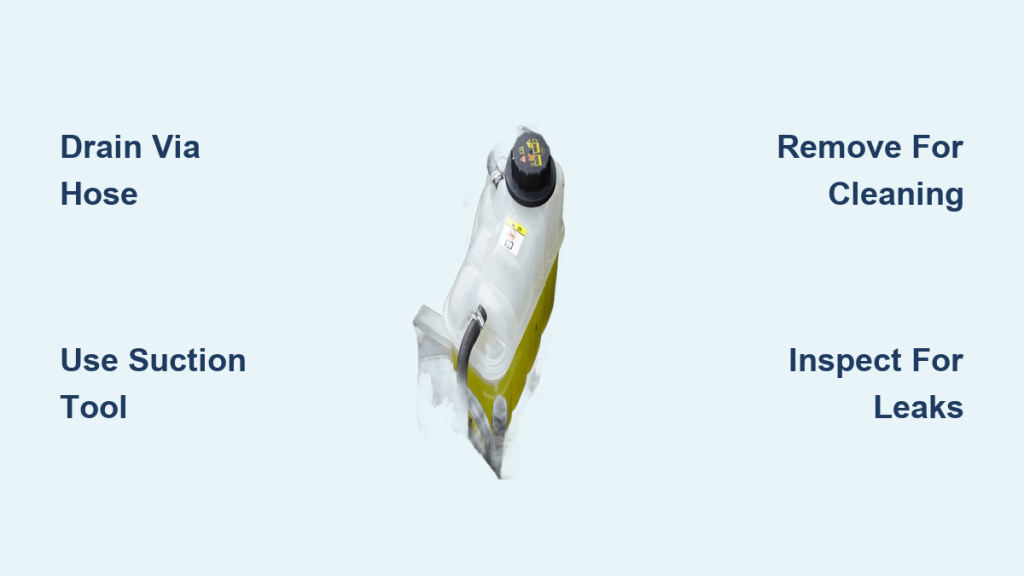
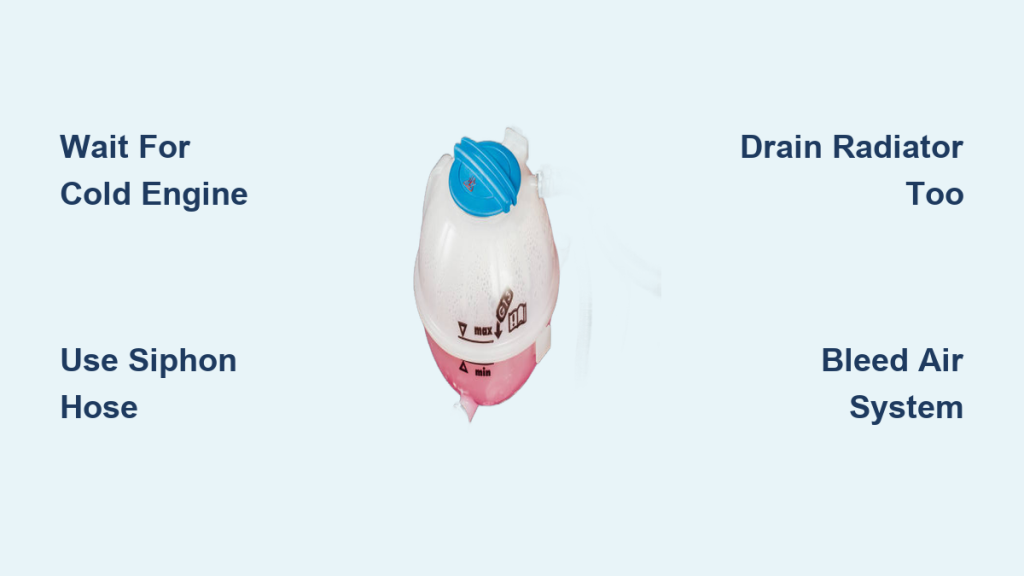
Check coolant every oil change for level between minimum and maximum marks, color and clarity should appear bright and clean, hoses and clamps for cracks or swelling, and radiator cap seal integrity. Use coolant test strips annually to check pH and freeze protection levels.
The High Cost of Neglecting Coolant Maintenance
Skipping coolant service leads to expensive repairs that far exceed the cost of routine maintenance.
Corroded Radiator or Heater Core
Sludge and acid eat through metal fins over time. A clogged radiator reduces cooling capacity significantly, while a failed heater core eliminates cabin heat. Replacement costs range from $400 to $900 depending on vehicle make and model.
Water Pump Failure
Coolant lubricates the water pump seal and bearings. Degraded fluid increases friction dramatically, leading to complete bearing failure. Replacement typically costs $500 to $1,000 including labor.
Blown Head Gasket
Chronic overheating warps the cylinder head and breaks the head gasket. Warning signs include white exhaust smoke, bubbles visible in the coolant reservoir, and milky oil appearance. Repair costs range from $1,500 to $2,500 or more, often exceeding the value of older vehicles.
Complete Engine Replacement
In worst-case scenarios, overheating seizes pistons or cracks the engine block entirely. A replacement engine costs $3,000 to $7,000 plus installation labor. Compare this to the $100 to $200 cost of a professional coolant flush, and the choice becomes obvious.
Step-by-Step Coolant Replacement Procedure
When it is time to change coolant, follow this proper sequence for best results.
- Allow the engine to cool completely before starting any work
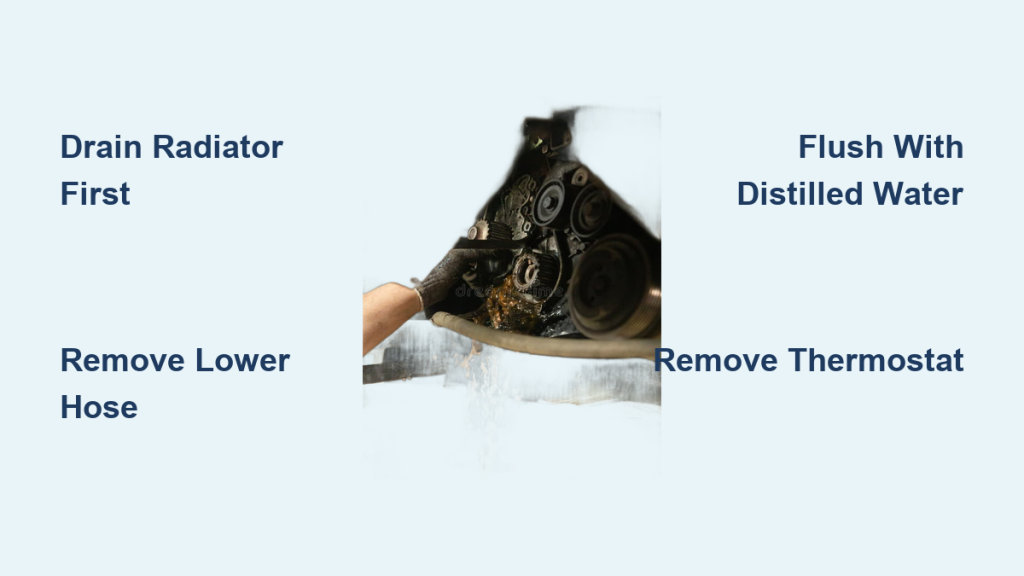
- Drain old coolant from both the radiator and engine block drain plugs
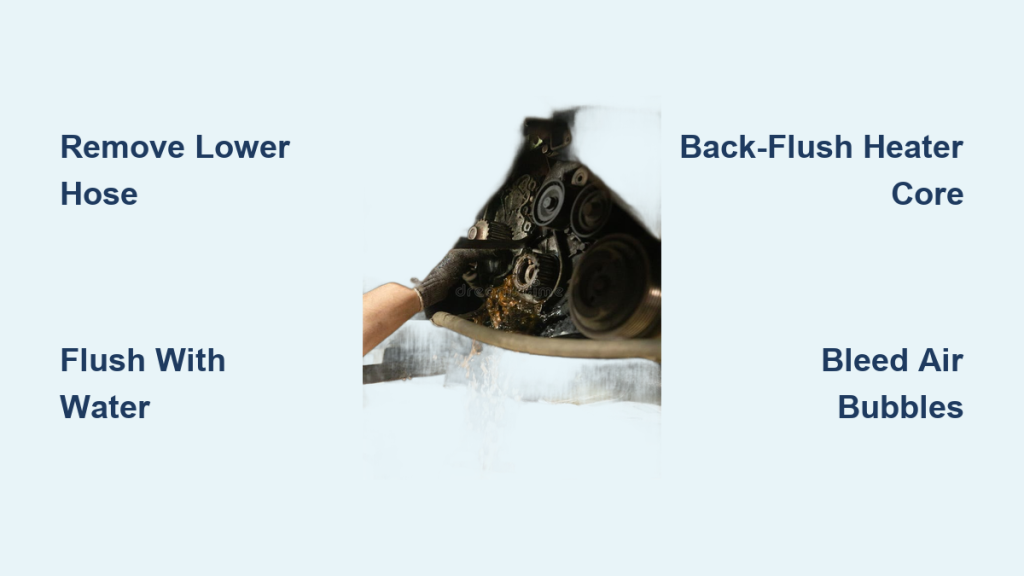
- Flush the entire system using clean water or a proper chemical cleaner
- Refill with the correct coolant type mixed at 50/50 ratio
- Bleed air from the system using the manufacturer-specific method
- Run the engine to operating temperature and check for leaks
- Recheck coolant level after the engine cools completely
Mistakes to Avoid During Coolant Service
Never mix different coolant types, as incompatible chemistries create gels that block flow. Never use tap water because minerals cause scale deposits inside the engine. Never skip the flush step because残留 old fluid contaminates new coolant immediately. Never overfill the reservoir above the maximum mark.
Frequently Asked Questions About Coolant Lifespan
How many miles can I drive before changing coolant?
Most vehicles require coolant changes between 30,000 and 150,000 miles depending on the type used. However, you should never exceed 5 years regardless of mileage because chemical additives degrade over time.
Does coolant go bad even if I don’t drive much?
Yes, coolant degrades chemically regardless of mileage. Additives break down over time, and acids build up even in vehicles that sit idle. If your car is over 5 years old, change the coolant even with low miles.
Can I just top off coolant instead of changing it?
Topping off addresses only low fluid levels, not degraded additives, acid buildup, or contamination. A complete flush removes old fluid that topping off cannot address. Always flush the system when coolant reaches the end of its service life.
What happens if I use the wrong coolant type?
Mixing incompatible coolant types causes gel formation that clogs narrow passages in the radiator and heater core. This reduces cooling efficiency and can lead to overheating. Always use the exact type specified in your owner’s manual.
How do I know what coolant my car needs?
Check your owner’s manual for the specific coolant specification. Do not rely on color alone because different manufacturers use different colors for various formulations. Look for the specification type (such as OAT, HOAT, G12, or SLLC) rather than the color.
Can I change coolant myself at home?
Simple drain and refill is possible for DIY mechanics with basic tools. However, a complete system flush often requires specialized equipment, and properly bleeding air from modern engines may need specific procedures. If you lack experience, professional service ensures proper completion.
Key Takeaways for Maintaining Your Coolant System
Coolant lifespan depends heavily on the specific type used and your driving conditions, but time always plays a critical role regardless of mileage. Always follow your owner’s manual as the definitive source for service intervals, and never exceed 5 years between changes even with low mileage. Use the exact coolant type specified by your vehicle manufacturer to avoid compatibility issues that cause expensive damage. Perform complete system flushes rather than simple drain-and-refill procedures to remove all degraded fluid and contaminants. Regular inspection and timely replacement cost a fraction of the repairs needed when cooling system failures occur.