You’ve noticed your car’s air conditioner isn’t blowing as cold as it used to, or maybe your home AC runs constantly but never quite cools the house. The question on your mind: how long does AC coolant last? Many assume refrigerant depletes over time like engine oil or fuel. But here’s the truth: AC coolant doesn’t wear out—it only disappears when there’s a leak.
Refrigerant, often called Freon (a now-outdated brand name), is a key part of any air conditioning system. It cycles continuously in a closed-loop system, absorbing heat indoors and releasing it outside. Unlike consumables, it isn’t “used up.” In theory, the same refrigerant can last indefinitely if the system stays sealed. But real-world conditions like vibration, corrosion, and aging seals can lead to leaks, which are the only reason coolant levels drop.
This article will explain how long AC refrigerant actually lasts in cars and homes, what causes it to disappear, how to spot a leak, and whether you should repair or replace your system. You’ll learn why “topping off” refrigerant without fixing the root cause is a waste and even illegal in many cases.
Why AC Coolant Doesn’t Expire
The Closed-Loop System Explained
Your air conditioner relies on a sealed refrigerant loop that includes the compressor, condenser, expansion valve, and evaporator. The refrigerant moves through these components, changing from liquid to gas and back, pulling heat from the air. Because the system is closed, no refrigerant should escape under normal operation.
The process works like this:
• Evaporation: Coolant absorbs heat in the evaporator (indoor coil), turning into a low-pressure gas.
• Compression: The compressor pressurizes the gas, raising its temperature.
• Condensation: The hot gas releases heat in the condenser (outdoor coil), returning to liquid form.
• Expansion: The liquid passes through an expansion valve, cooling rapidly before restarting the cycle.
Since refrigerant isn’t burned or consumed, it doesn’t degrade with use. If your system is losing cooling power, the problem isn’t old coolant—it’s missing coolant due to a leak.
Why Refrigerant Doesn’t Break Down
Unlike engine oil or transmission fluid, refrigerant does not break down over time. Chemicals like R-134a, R-410A, and R-1234yf remain stable indefinitely when contained. There’s no expiration date—only system integrity matters.
Myth Busted: You don’t need to “replace” refrigerant every few years. If your AC works well, the original charge from installation may still be inside—even after a decade.
Types of Refrigerants and Their Lifespan

Legacy Coolants: R-12 and R-22
R-12 was used in cars and HVAC systems before 1994. It damaged the ozone layer and was banned globally by 1995 under the Montreal Protocol. Today, only recycled supplies exist, costing over $100 per pound. Systems using R-12 should be retrofitted or replaced.
R-22 dominated residential HVAC systems until 2010. Production ended in the U.S. in 2020 due to ozone harm. Remaining supplies are recycled, pushing prices to $150–$300 per pound. If your home AC uses R-22 and leaks, replacement is usually smarter than repair.
R-134a: Standard in Older Cars
Used in vehicles from 1994 to 2015, R-134a has zero ozone impact but high global warming potential (GWP). While still legal, it’s being phased down. Cost runs $40–$60 per pound. Most auto shops can service it, but leaks must be fixed, not just recharged.
R-1234yf: Modern Automotive Standard
Now required in all new U.S. vehicles since 2021, R-1234yf has a GWP close to 1. It’s mildly flammable, requiring special tools and training. Cost runs $150–$200 per pound. It’s not compatible with R-134a systems—never mix or retrofit without professional conversion.
R-410A: Common in Homes (2010–2025)
Known as Puron, R-410A replaced R-22 in residential systems. It’s ozone-safe but has high GWP. The EPA is phasing it down by 85% by 2036 under the AIM Act. Cost runs $50–$80 per pound. Systems run at higher pressure, so they require dedicated parts and POE oil.
R-454B and R-32: The Future of Home Cooling
Starting in 2025, new HVAC units use R-454B (GWP = 466) or R-32 (GWP = 675), both lower-GWP alternatives to R-410A. They’re mildly flammable (A2L) and not interchangeable with older systems. Major brands like Carrier, Lennox, and Rheem now offer models using these refrigerants.
Warning: Mixing refrigerants or using the wrong type can destroy compressors, degrade oil, and create safety hazards. Only EPA-certified technicians should handle refrigerant changes.
Real-World Lifespan of AC Coolant
Automotive AC: 3–5 Years (With Leaks)
While refrigerant should last forever, most car AC systems lose charge within 3–5 years due to small leaks. Rubber hoses, O-rings, and seals degrade over time, especially in vehicles over 10 years old. Some well-maintained systems keep their charge for 7+ years, but noticeable cooling loss usually signals a leak.
• Minor leak: May lose 1–2 pounds per year
• Major leak: System can go empty in weeks
• No consumption: Coolant isn’t used—it escapes
Residential HVAC: 10–15+ Years
Modern home AC units are better sealed and last longer. Many go their entire service life without needing a recharge if properly maintained. Older systems (especially R-22 units over 10 years) are more prone to formicary corrosion and micro-leaks in copper coils.
Key Point: If your system needs refrigerant, it has a leak—not a maintenance schedule. Recharging without repair is temporary, wasteful, and illegal under EPA rules.
Signs Your AC Is Low on Coolant
Car AC Warning Signs
• Warm air from vents, especially after initial cooling
• Reduced airflow or slow cabin cooling
• AC compressor won’t engage—clicks off immediately
• Hissing or bubbling sounds near hoses
• Frost on the evaporator coil or suction line
• Greasy residue around fittings (refrigerant carries oil)
Home AC Warning Signs
• Warm air from registers
• Extended run times without reaching set temperature
• Higher electric bills
• Ice on refrigerant lines or indoor coil
• Water pooling near the air handler (from melted ice)
• Hissing noise from the outdoor unit
• Poor humidity control—air feels damp
Note: These symptoms develop slowly. You might not notice until cooling is severely compromised.
How to Detect a Refrigerant Leak
Professional Leak Detection Methods
Electronic leak detectors are handheld sensors that detect trace refrigerant vapors. They’re fast, accurate, and widely used for R-134a and R-410A. Technicians scan fittings, hoses, and coils to pinpoint leaks in seconds.
UV fluorescent dye is injected into the system and circulates with the refrigerant. After running the AC, a UV light reveals glowing spots at leak points. This method is best for slow, invisible leaks but may take days to appear.
Nitrogen pressure testing is used during repairs. The system is evacuated and pressurized with nitrogen. A pressure drop indicates a leak. Technicians then use soapy water to find the exact location by watching for bubbles.
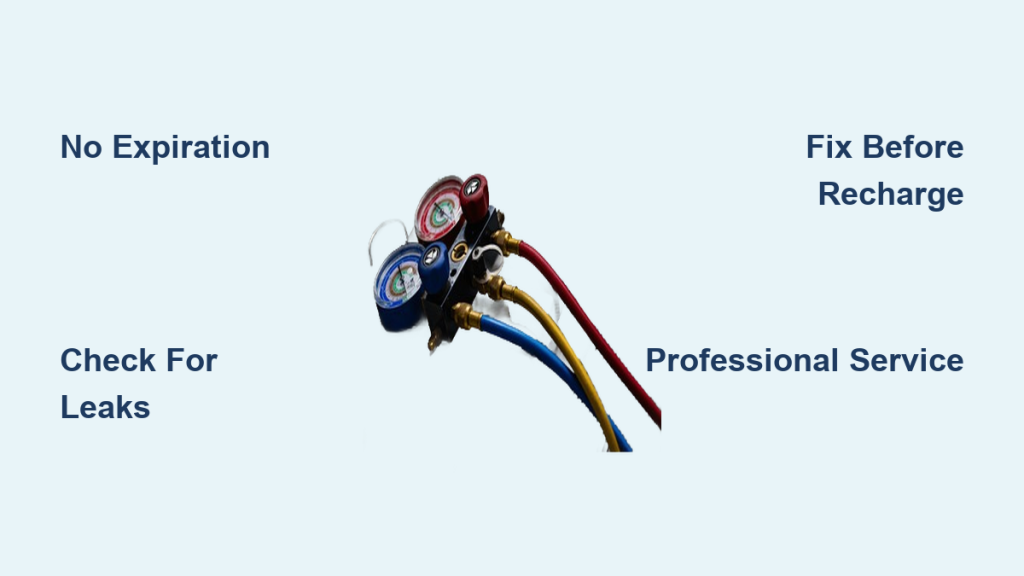
A manifold gauge set measures high and low-side pressures. Low pressure on both sides suggests undercharge. Abnormal readings help diagnose leaks, blockages, or overcharging.
DIY Checks (Limited Use)
• Look for oil stains around AC components
• Listen for hissing near hoses or the compressor
• Inspect hoses and connections for cracks or corrosion
• Clean air filters and condenser coils to rule out airflow issues
Warning: Never release refrigerant into the air. Under the Clean Air Act (Section 608), it’s illegal and can result in fines up to $37,500 per violation.
How Much Does a Recharge Cost?
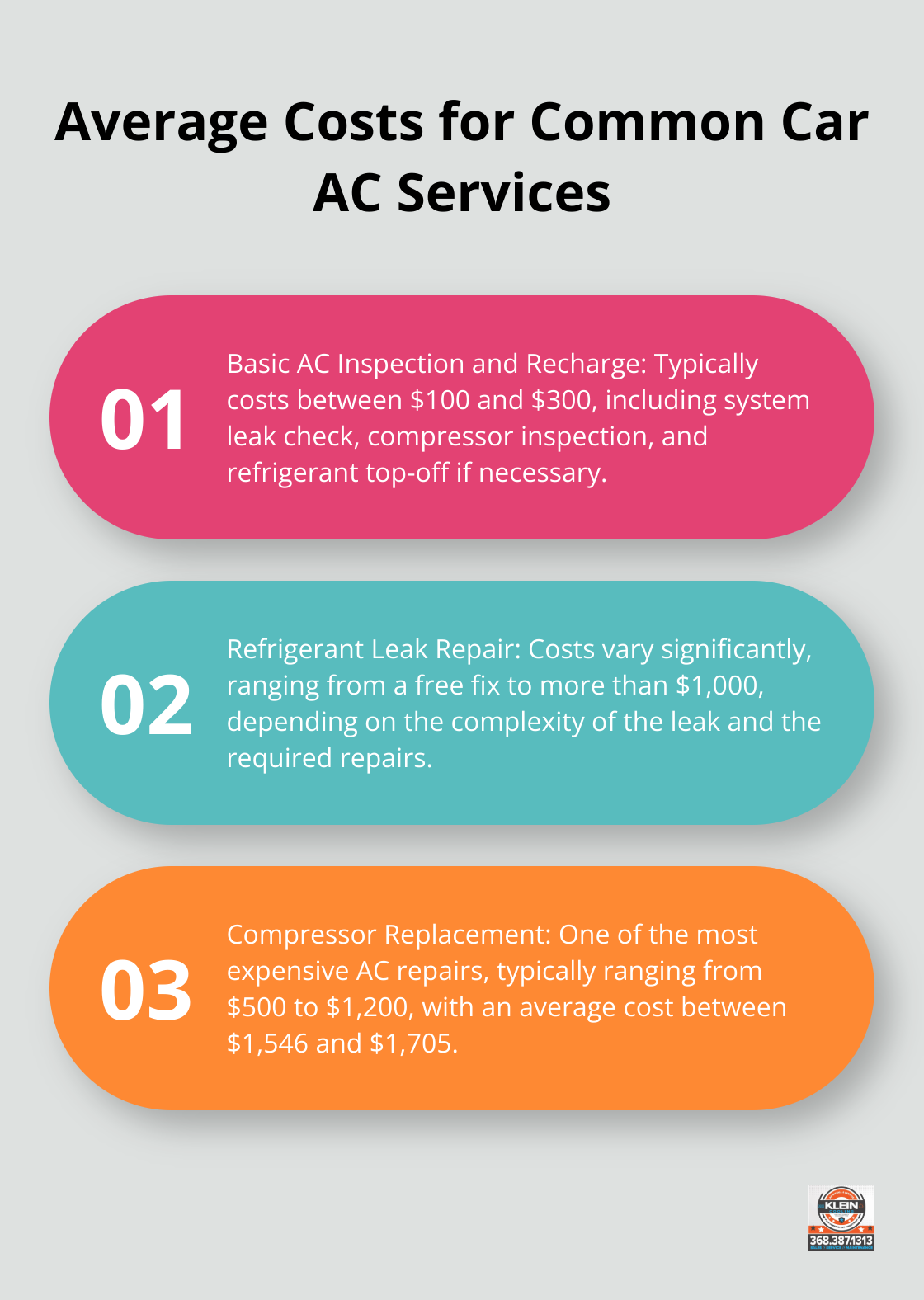
Car AC Recharge: $150–$300
Professional service includes leak detection, system evacuation, repair of minor leaks, precise recharge by weight, and performance testing.
Avoid DIY kits ($40–$60) unless you’re topping off a known small leak. Risks include overcharging (which causes compressor damage), undercharging (which causes poor cooling), and moisture contamination (which leads to acid formation).
Tip: If cooling is weak, get a professional diagnosis. DIY kits don’t detect leaks.
Home AC Recharge: $200–$600+
Cost depends on refrigerant type and labor. R-410A runs $50–$75 per pound. R-22 runs $100–$300 per pound due to scarcity.
Service includes leak detection, repair (if possible), full evacuation, recharge by weight, and system verification.
Reality Check: Recharging without fixing the leak means you’ll pay again in weeks. Long-term, repair or replace is the only real solution.
Why Recharging Without Repair Is a Waste
Temporary Fix, Lasting Problems
Adding refrigerant to a leaking system is like filling a bucket with a hole. It works until the coolant escapes again, which it will, often within months. Worse, low refrigerant causes compressor overheating (lubrication depends on refrigerant flow), short cycling (frequent on/off), increased energy use, and premature system failure.
Environmental and Legal Consequences
Releasing refrigerant harms the environment. R-134a and R-410A are potent greenhouse gases. The EPA bans venting and requires certified recovery. Shops must use proper equipment—no venting allowed.
How to Extend Refrigerant Life
For Cars
• Run the AC weekly, even in winter, to keep seals lubricated
• Replace cabin air filters every 12,000–15,000 miles
• Inspect for leaks during oil changes
• Service every 3–5 years: Replace receiver/drier, check hoses
• Avoid DIY recharge kits unless system is healthy
For Homes
• Change air filters every 1–3 months
• Keep outdoor unit clear of debris (2-foot clearance)
• Schedule annual tune-ups
• Clean coils annually
• Inspect refrigerant line insulation
• Avoid harsh cleaners near indoor units (can cause formicary corrosion)
Repair vs. Replace: When to Upgrade

| Factor | Repair If | Replace If |
|---|---|---|
| Age | Under 10 years | Over 10–15 years |
| Refrigerant Type | R-410A or R-1234yf | R-22 or R-12 |
| Leak Location | Accessible (hose, valve) | Inside coil or multiple leaks |
| Cost | Repair under 30% of replacement | Repair over 50% of replacement |
| Efficiency | Unit is modern and efficient | Old unit (SEER under 13) |
Example: Fixing an R-22 system with a coil leak could cost $2,000. A new high-efficiency unit ($7,000) might save $300 per year on energy, paying for itself in 7–10 years.
Environmental Rules You Need to Know
U.S. EPA Regulations
• Section 608: Requires certified technicians to handle refrigerant
• AIM Act (2020): Phases down HFCs like R-134a and R-410A by 2036
• No venting: Illegal to release refrigerant during service
• Recovery required: All refrigerant must be captured before disposal
International Agreements
• Montreal Protocol: Phased out R-12 and R-22
• Kigali Amendment: Adds HFCs to phase-down list
• EU F-Gas Rule: Bans high-GWP refrigerants in new equipment
Long-Term Reliability and Warranties
Car AC Components
• Compressor: 8–12 years
• Receiver/drier: Replace every time system is opened
• Hoses/seals: Degrade over time—prone to leaks
• Warranty: 3–5 years (factory); extended plans available
Home HVAC Systems
• Compressor: 5–10 year warranty
• Coils: 5–12 years
• Labor: Usually 1 year
• Extended service plans: Offer maintenance and repair coverage
Pro Tip: Register your HVAC unit with the manufacturer to activate full warranty benefits.
Frequently Asked Questions About AC Coolant Lifespan
Is it normal for an AC to lose refrigerant over time?
No. A properly sealed system should never lose refrigerant under normal conditions. While microscopic permeation through seals may occur over decades, it’s negligible and not measurable in practice. Any noticeable loss indicates a leak.
Can refrigerant be low without a visible leak?
Yes. Most leaks are invisible. Formicary corrosion and vibration fatigue create microscopic pinholes undetectable without electronic sensors or UV dye.
How do I know if my AC needs refrigerant?
You don’t “top off” refrigerant as routine maintenance. If your system shows poor cooling, icing, or rising energy bills, have a technician measure pressures and perform a leak check before any recharge.
Should I repair or replace an R-22 system with a refrigerant leak?
In most cases, replacement is the smarter choice. R-22 is extremely expensive, and systems using it are typically 15+ years old, nearing end-of-life. A new high-efficiency unit offers better performance, lower operating costs, and environmental compliance.
How long does a refrigerant recharge last?
If the leak is repaired, refrigerant will last indefinitely. If only recharged (no repair), refrigerant will escape again, typically within weeks to months depending on leak size.
Can I add refrigerant myself?
No. DIY refrigerant handling is illegal without EPA certification, dangerous (risk of frostbite, inhalation, fire), likely to cause system damage (overcharging, contamination), and environmentally harmful. Only licensed HVAC or automotive technicians should handle refrigerant.
Key Takeaways for AC Coolant Longevity
AC coolant doesn’t “go bad”—it only leaves when there’s a leak. Whether in your car or home, the key to lasting cooling is system integrity, not time. Regular maintenance, early leak detection, and professional repairs keep your system sealed and efficient. For aging units using R-22 or R-12, upgrading to a modern, eco-friendly system is often the best long-term investment.
The most important thing to remember is that any need for refrigerant indicates a problem, not a maintenance schedule. Simply adding more coolant without fixing the leak wastes money and violates environmental regulations. Stay proactive with regular inspections, address cooling issues promptly, and consult certified technicians for any refrigerant work. Your comfort and wallet will thank you.