
You start your vehicle, the engine runs, but the heater blows cold air even after 15 minutes of driving. The temperature gauge stays near the bottom, and your OBD2 scanner shows coolant temperature stuck below 180°F. You are not overheating, but something is clearly wrong. The coolant is not getting hot, and this is not just a comfort issue. A cold-running engine wastes fuel, increases emissions, and can eventually destroy your catalytic converter.
In this guide, you will learn exactly why your coolant is not heating properly, which components are most likely to blame, and how to fix each cause step by step. We will cover thermostat diagnostics, air lock removal, sensor testing, and vehicle-specific fixes for models like the Suzuki Vitara and GM Malibu.
Stuck-Open Thermostat: The Primary Culprit
A thermostat stuck in the open position is the number one reason coolant is not getting hot. When this component fails, coolant flows through the radiator too early in the startup cycle, preventing the engine from reaching its optimal operating temperature.
How the Thermostat Controls Engine Temperature
The thermostat acts as a temperature-controlled valve. At cold start, it remains closed, blocking coolant from entering the radiator so the engine can warm up quickly. As the coolant reaches its rated opening temperature, typically around 195°F, the thermostat begins to open and allows circulation to the radiator. When the engine reaches operating temperature, the thermostat maintains a balance between cooling and heat retention.
If the thermostat sticks in the open position, coolant circulates continuously even when the engine is cold. This creates a constant cooling effect, similar to leaving a window open during winter. The engine never reaches its proper operating temperature, the heater produces no heat, and your fuel mixture runs rich.
Recognizing Thermostat Failure Symptoms
Several clear signs indicate a stuck-open thermostat. The heater blows lukewarm or cold air, particularly at idle where radiator airflow is minimal. The engine takes 10 to 20 minutes or longer to warm up, if it warms at all. The temperature gauge stays near the bottom or never reaches the center position. Your check engine light may trigger DTC P0128, which indicates the coolant temperature is below the thermostat regulating temperature. You may also notice poor fuel economy because the PCM remains in open-loop fueling mode longer than necessary.
Testing Your Thermostat

You can test the thermostat three ways. The first method requires no tools. Start with a cold engine and feel the lower radiator hose as the engine runs. The hose should remain cool for the first 5 to 10 minutes while the thermostat stays closed. If the hose heats up too quickly, the thermostat is likely stuck open.
The second method uses an infrared thermometer. Scan the upper radiator hose and compare the reading to the live ECT reading from your OBD2 scanner. If both show consistently low temperatures below 185°F, suspect the thermostat.
The third method is the most accurate. Remove the thermostat from the vehicle and place it in a pot of water with a thermometer. Heat the water slowly and observe when the thermostat begins to open. It should start opening around 195°F or its rated temperature. Allow it to cool and verify it closes completely. If it does not respond correctly, replace the thermostat.
Air Lock in the Cooling System
Air trapped in the cooling system prevents proper circulation and creates dead zones where heat cannot transfer effectively. This is a common problem after coolant changes, repairs, or if the system was refilled too quickly without bleeding.
Why Air Pockets Form
Many vehicles lack dedicated bleeder valves, making proper air removal difficult. Filling the radiator too quickly, failing to seat the radiator cap properly during filling, or incomplete bleeding procedures can all leave trapped air in the heater core or engine passages.
Signs You Have an Air Pocket
The heater works only when driving but produces no heat at idle. The temperature gauge fluctuates or reads consistently low. Both heater hoses stay cool despite the engine running at operating temperature. The coolant reservoir does not refill the radiator after the engine cools down.
Bleeding Air From the System
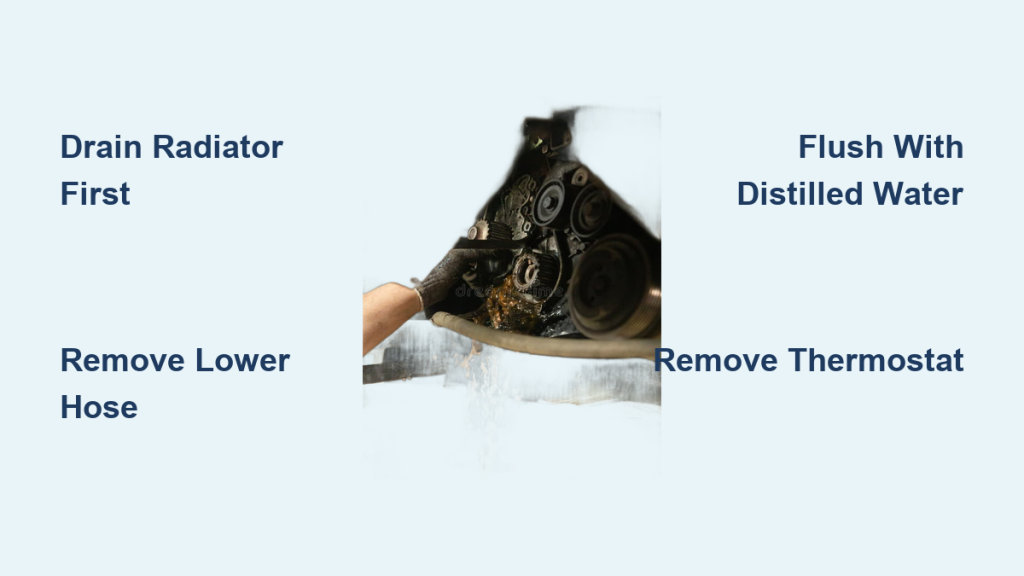
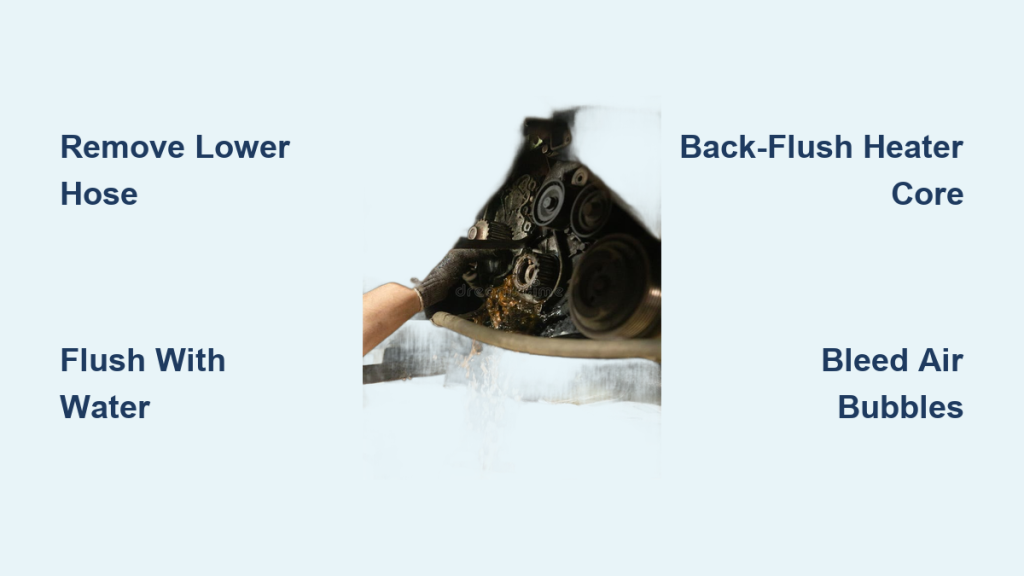
Start by elevating the front of your vehicle using ramps or an incline. This positions the highest point of the system upward, allowing air to escape. With the engine cold, remove the radiator cap and fill the radiator directly until coolant reaches the neck. Start the engine and set the heater to maximum heat with the fan on high. Rev the engine to approximately 1,500 RPM for 2 to 3 minutes while watching for bubbles. Keep topping off coolant as needed. Next, squeeze the upper and lower radiator hoses repeatedly to help dislodge any trapped air pockets. Once the flow appears steady with no bubbles, install the radiator cap and perform a test drive for 10 to 15 minutes before checking the coolant level again.
Faulty Coolant Temperature Sensor
While less common, a faulty Engine Coolant Temperature sensor can cause false readings that mimic a cold engine condition. However, these sensors typically fail by reporting impossible temperatures rather than slightly low readings.
Why Sensor Failure Is Rare
Modern OBD-II vehicles use a single ECT sensor that feeds data to both the PCM and the dashboard instrument cluster. These sensors generally fail by reading -40°F, not by reading slightly low. A steady low reading usually means the coolant is actually cold, not that the sensor is malfunctioning. According to GM technicians, coolant temperature sensors do not soft fail. They go from working properly to reading -40°F almost instantly. A P0128 code is almost never caused by sensor failure.
When to Replace the ECT Sensor
Replace the sensor if live data shows impossible temperatures such as -40°F or 300°F. Replace it if the check engine light shows P0115 through P0119, which indicate circuit issues. Also replace if the sensor connector shows corrosion or damage. You should only replace the sensor after ruling out the thermostat, air locks, and coolant level problems.
Bad Radiator Cap: The Hidden Problem
A weak or leaking radiator pressure cap prevents the cooling system from maintaining proper pressure, which disrupts the thermal cycle and can contribute to low coolant temperatures.
How the Cap Affects Temperature
The radiator cap maintains 15 to 16 psi of pressure, which raises the boiling point of coolant. It allows coolant to expand into the reservoir when hot and creates a vacuum when cooling, pulling coolant back from the reservoir. If the cap fails, coolant stays in the reservoir and does not return properly, leading to low radiator levels and poor circulation.
Testing the Radiator Cap
Attach a pressure tester to the radiator neck and pump it to 15 psi or the cap rating. Hold it for 2 minutes. The pressure should not drop more than 1 psi. If it loses pressure faster, replace the cap.
Cooling Fan Running Constantly
If your electric cooling fan runs constantly, even during cold starts, it forces air through the radiator and keeps the engine cool artificially.
Causes of Continuous Fan Operation
A faulty ECT sensor sending a false cold signal can cause this. A stuck relay or shorted wiring is another common cause. PCM programming errors are rare but possible. Aftermarket accessories interfering with the control circuit can also be at fault.
Verifying Fan Operation
Start the engine when it is cold and observe the fan. It should not run for at least 5 to 10 minutes. If it starts immediately, unplug the ECT sensor. If the fan stops, the sensor or wiring is at fault. If the fan stays on, check the relay or PCM control.
Low Coolant Level or Wrong Coolant Mix
Even if the reservoir appears full, the radiator itself may be low, especially after an improper refill or if an air lock is preventing coolant from returning.
Checking Coolant Level Correctly
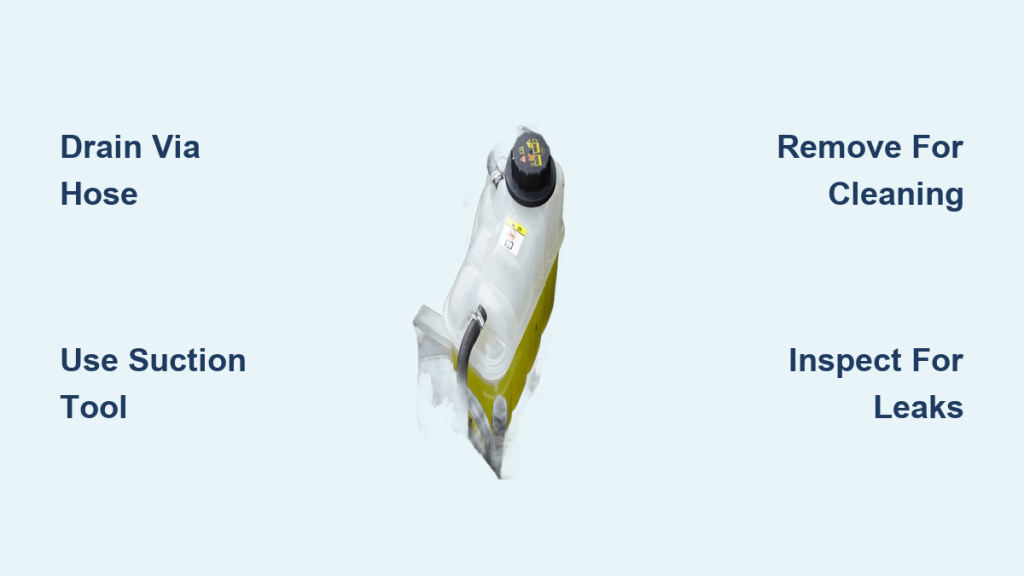
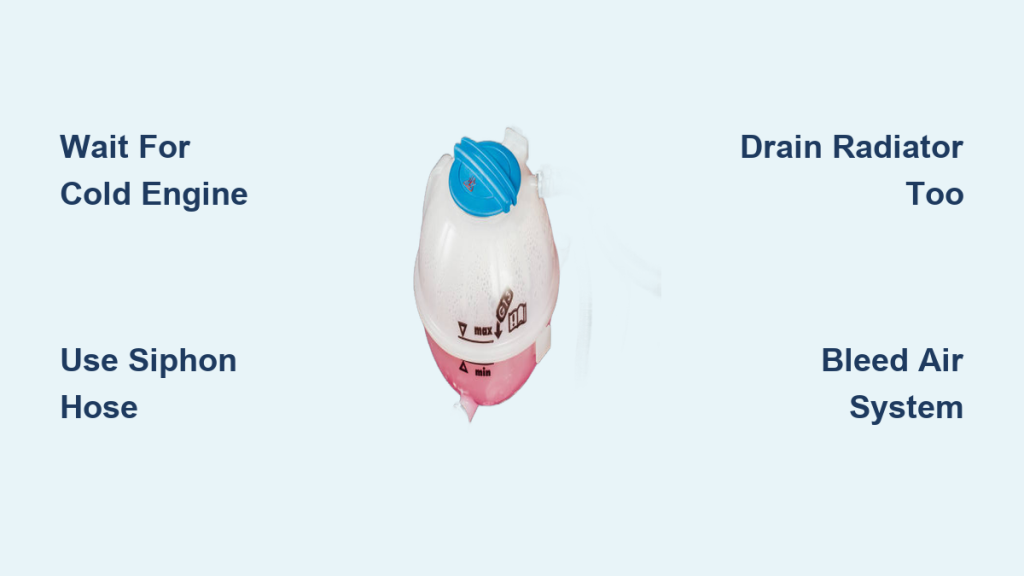
Check the level with the engine cold. Remove the radiator cap, not just the reservoir cap. Top off directly in the radiator until full, then fill the reservoir to the cold mark.
Using the Correct Coolant Mix
The ideal ratio is 50% antifreeze and 50% water. Pure water boils faster and offers no freeze protection. Using the wrong mix reduces heat retention and corrosion protection. Additionally, GM’s Dex-Cool coolant can degrade into an orange gel that coats internal passages and insulates metal, reducing heat transfer. If you see sludge, flush the system and switch to traditional green ethylene glycol.
Heater Core Flow Issues
If the engine reaches proper temperature but the cabin stays cold, the problem may be the heater core rather than the overall cooling system.
Testing Heater Core Flow
Run the engine until it reaches operating temperature. Feel both heater hoses going to the firewall. Both should be hot to the touch. If both are cool, the problem is circulation. If one is hot and one is cold, a blockage is likely.
Diagnostic Flowchart: Finding the Cause Fast
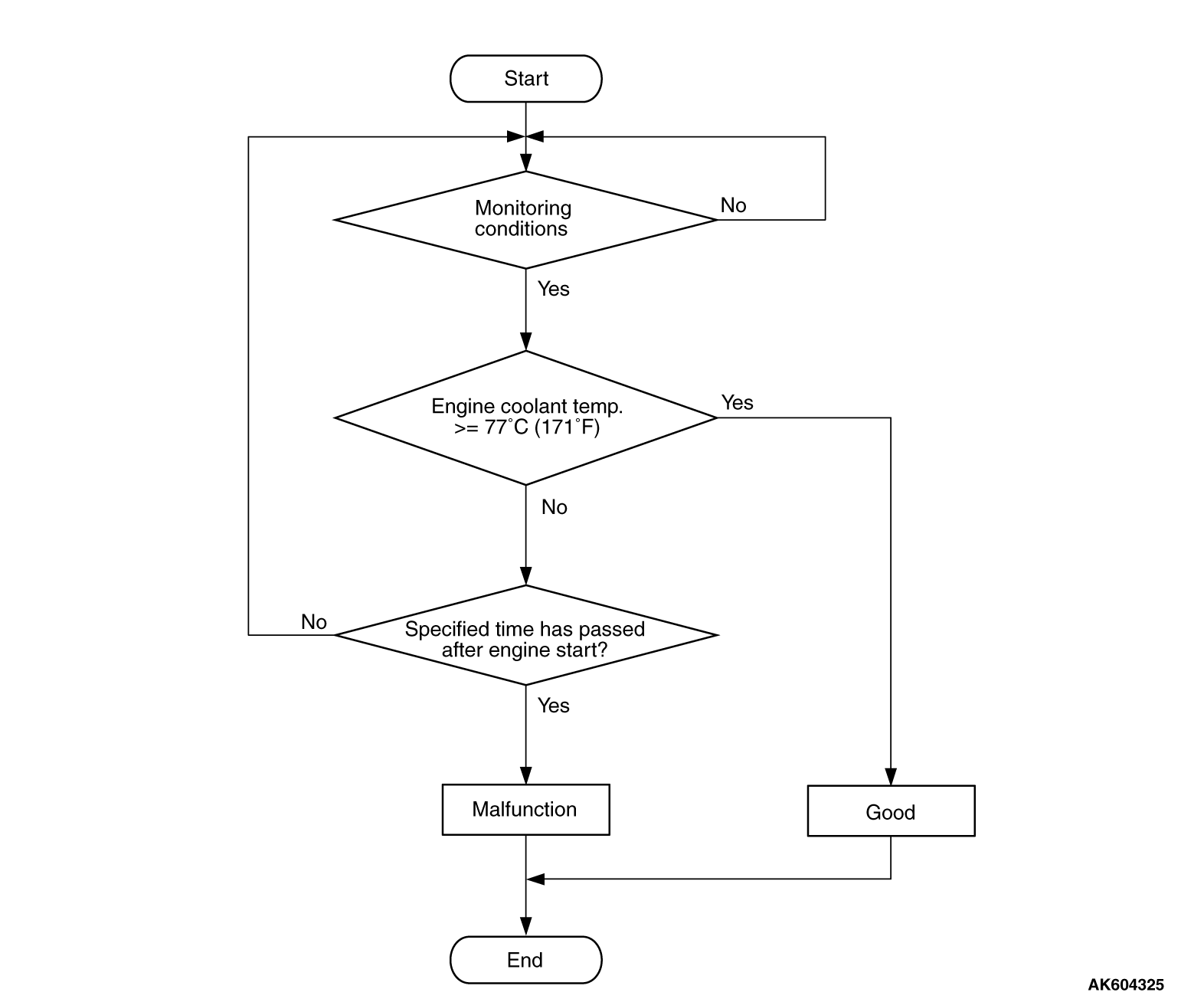
Follow this sequence to isolate the problem quickly. First, connect an OBD2 scanner and monitor the Engine Coolant Temperature. Normal warm-up should reach 195°F in 5 to 10 minutes. If it stays below 185°F, proceed to the next step. Second, check the radiator level with the engine cold, remove the cap, fill if low, bleed air, and retest. Third, test the thermostat using the bench test or by monitoring the lower hose. Replace if stuck open or slow. Fourth, perform a full system purge and retest heater and temperature. Fifth, inspect the radiator cap with a pressure test and replace if faulty. Sixth, verify cooling fan operation. At cold start, the fan should be off. If it runs, diagnose the relay, wiring, or sensor. Seventh, flush and refill with 50/50 mix if the coolant is old or sludgy.
Vehicle-Specific Fixes
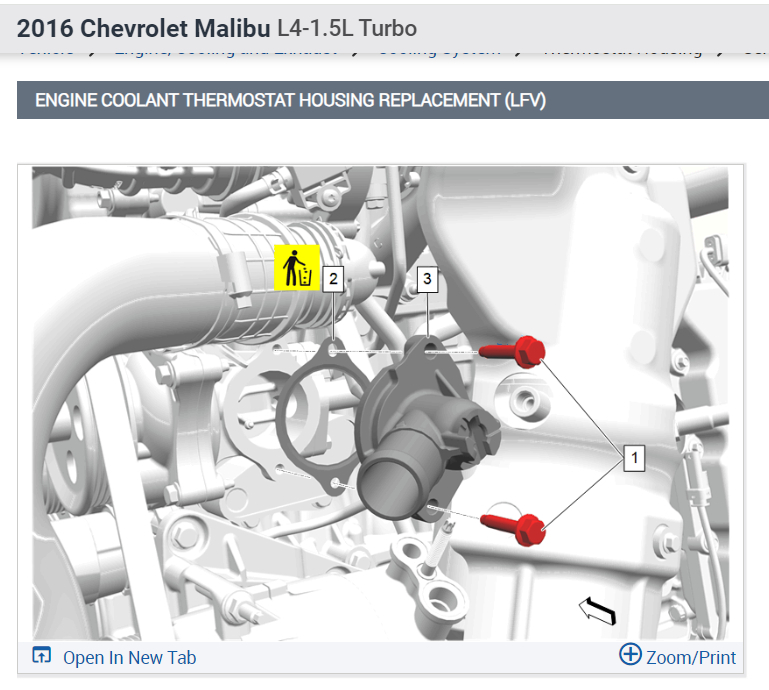
GM Malibu and Grand Prix
These vehicles use a single ECT sensor that feeds both the PCM and the gauge cluster. A P0128 code almost always indicates a bad thermostat. Dex-Cool sludge is a common problem, and thermostat replacement typically fixes both the code and the heater issue.
Suzuki Vitara (2004)
The 2004 Vitara has no heater control valve. Flow is engine-driven and manual bleeding is required. The radiator may not refill from the reservoir if the cap or thermostat fails. Both heater hoses must be hot when the engine warms.
Long-Term Risks of Ignoring Coolant Not Getting Hot
Running with coolant not getting hot creates several serious problems. The PCM enriches the fuel mixture, which fouls spark plugs and creates carbon buildup. Unburned fuel overheats the catalytic converter, potentially destroying it. The engine runs in open-loop mode longer, wasting fuel. Oil does not reach optimal viscosity, increasing wear. Emissions tests fail due to high hydrocarbon and carbon monoxide output.
Frequently Asked Questions About Coolant Not Getting Hot
Why is my engine temperature gauge showing normal but the heater is cold?
Dashboard temperature gauges are often damped or fixed-position, meaning the needle sits in the middle range regardless of actual temperature. Use an OBD2 scanner to check the live ECT reading for accurate data.
Can a bad thermostat cause poor fuel economy?
Yes. When the thermostat is stuck open, the engine runs cold and the PCM stays in open-loop fueling mode longer, consuming more fuel than necessary.
How long does it take to replace a thermostat?
Thermostat replacement typically takes 1 to 2 hours for most vehicles, including cooling and testing time.
Should I replace the coolant when replacing the thermostat?
Yes. Flushing and refilling with fresh 50/50 coolant is recommended, especially if the existing coolant is old or contaminated.
Can air in the system cause the heater to stop working?
Yes. Air locks prevent hot coolant from reaching the heater core, resulting in no heat even when the engine reaches operating temperature.
Is P0128 always caused by a bad thermostat?
Nearly always. According to experienced technicians, P0128 indicates the coolant is not reaching regulating temperature, and in the vast majority of cases, the thermostat is the culprit.
Key Takeaways for Fixing Coolant Not Getting Hot
The thermostat stuck in the open position is the overwhelming cause of coolant not getting hot. Always start your diagnosis there because it is inexpensive to replace and easy to test. Use live ECT data from an OBD2 scanner rather than relying on the dashboard gauge, which often provides misleading readings. Bleed the system thoroughly after any coolant work, and check the radiator level directly, not just the reservoir. Replace the radiator cap if it is more than 3 to 5 years old, as it plays a critical role in maintaining pressure and coolant recovery. Finally, address the problem promptly to avoid fuel waste, emission failures, and catalytic converter damage.