
You’re on the side of the road, temperature gauge climbing, and you discover an empty coolant reservoir. The engine is still running. Can you make it a few miles to safety, or should you shut it down immediately?
The hard truth is that a car should never run without coolant. Even brief operation risks catastrophic engine damage. While some mechanics report short-term survival under highly controlled conditions, the reality is clear: coolant is essential for heat management, corrosion control, and engine longevity. This guide breaks down exactly how long you have, what damage occurs, and what to do in a coolant crisis.
Cold Engine at Idle: The Maximum Survival Window
Why Cold Starts Buy You Time
If the engine is cold, not under load, and only idling, it may survive 30 seconds to 2 minutes without coolant. This narrow window is sometimes used by mechanics to move a vehicle short distances, like onto a tow trailer, after a coolant system failure.
Several factors allow this brief survival window:
- Thermal inertia: A cold engine takes time to absorb combustion heat
- No load: Idling produces far less heat than driving
- Ambient cooling: Airflow and conduction draw some heat away
- Residual moisture: Traces of water or coolant may offer minimal protection
APEXRaceParts notes that if the engine is cold, you could run it for several minutes at idle without issue. Users like titan joe and Oceans60R report moving vehicles for 1 to 2 minutes with no immediate damage. One Volvo V70 owner allegedly drove over 10 minutes without coolant and later accumulated 90,000 additional miles, likely due to residual moisture or minimal heat exposure.
This is not a recommendation. Modern aluminum engines are far more vulnerable than older iron blocks. Even brief dry running risks permanent damage.
Warm Engine or Driving: Damage in Seconds
Less Than 60 Seconds Can Destroy Your Engine
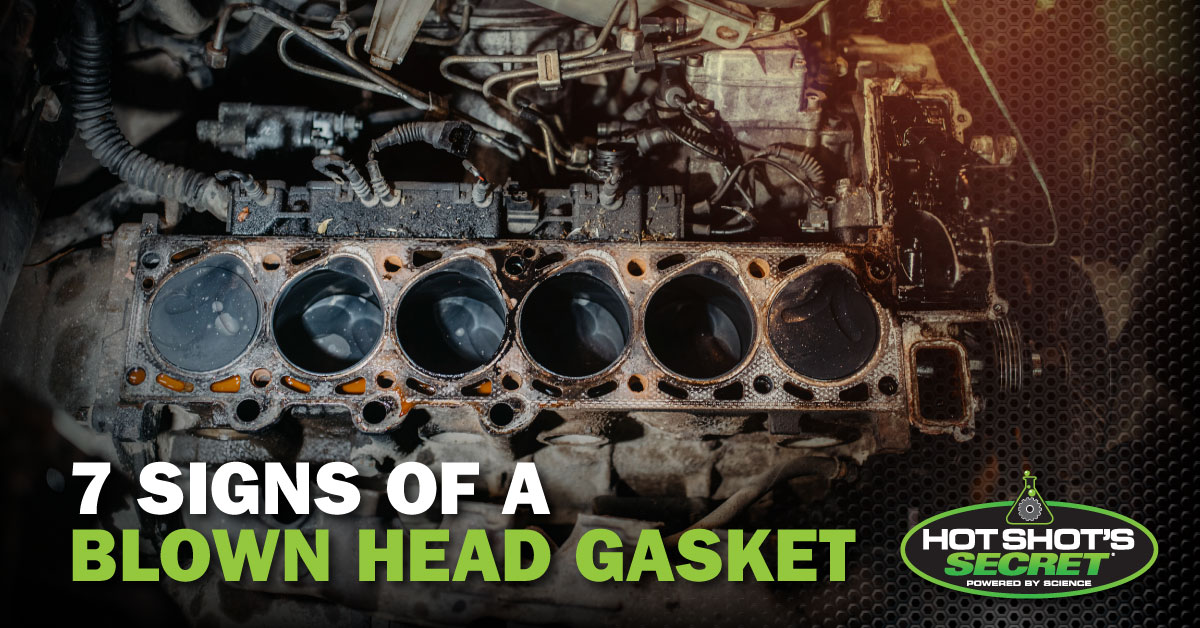
Once the engine is warm or under load, the clock ticks dangerously fast. Without coolant, thermal runaway occurs almost instantly. Modern engines, especially those with aluminum blocks and heads, heat up faster and warp more easily than older cast-iron designs.
| Scenario | Time to Damage | Risk Level |
|---|---|---|
| Warm engine, idling | Under 30 seconds | Extreme |
| Low-speed driving | Under 2 minutes | Catastrophic |
| Highway or uphill | 60 to 90 seconds | Fatal |
| Towing or high RPM | Under 60 seconds | Immediate failure |
Cylinder heads can exceed 250°F (121°C) in under a minute, leading to head gasket failure, warped or cracked cylinder heads, piston seizure, and engine block damage. Saleen9090, a mechanic, explains that even if you constantly measured the head or block, those are massive compared to the thin cylinder walls. They will take much longer to heat up, and by the time they are 120°F, your cylinder walls would be far beyond that.
Factors That Determine How Fast Damage Occurs
What Influences Your Timeline
Not all engines fail at the same rate. Several variables determine how long you have before damage occurs.
Engine Material matters significantly. Aluminum engines conduct heat faster and expand more, warping at lower temperatures. They fail in under 60 seconds. Cast iron engines are more heat-resistant and may survive slightly longer, though they are still not safe to run dry.
Ambient Temperature affects heat buildup. Cold weather slows heat accumulation slightly. Hot climates accelerate overheating and reduce your margin for error.
Engine Load is critical. Idle produces minimal heat. Driving, especially uphill or towing, creates massive heat increase. Failure can occur in under 2 minutes.
Starting Temperature determines your baseline. A cold start is the best-case scenario, giving you a few extra seconds. A warm or hot start is the worst case, with damage beginning immediately.
Residual Moisture or partial coolant can delay failure. A completely dry system fails fastest. If some coolant or water remains, it may absorb heat briefly, buying you time.
Warning Signs That Mean Shut Down Immediately
Know These Symptoms Before It’s Too Late
Even if the engine runs, these signs mean you should shut it off now:
- Temperature gauge in the red zone
- Overheat warning light flashing or solid
- Steam or smoke from under the hood
- Hood too hot to touch
- Sweet, syrup-like smell (burning antifreeze)
- No heat from cabin vents
- Hissing or bubbling sounds from radiator
- Colored puddles under the car (green, orange, pink, blue)
- White smoke from exhaust
- Milky oil on dipstick or oil cap (coolant in oil)
Some users report driving without coolant for extended periods with no symptoms. This likely means coolant was low rather than zero, the thermostat stayed closed, or the ECU reduced power to prevent overheating. However, hidden damage like micro-warping or degraded gaskets may already exist.
What Actually Happens to Your Engine
Step-by-Step Damage Mechanisms
Even a brief run without coolant can trigger irreversible failures.
Overheating and Thermal Runaway start the process. Combustion chambers exceed 2,000°F (1,093°C). Without coolant, heat builds rapidly. Within 60 seconds, engine temps surpass 250°F (121°C). The ECU may trigger limp mode or automatic shutdown.
Head Gasket Failure follows. Uneven expansion breaks the seal between head and block. This causes compression loss, coolant in oil, and potential hydrolock. It can occur after a single overheating event.
Cylinder Head Warping or Cracking happens next. Aluminum heads expand unevenly. Warping starts at 250 to 300°F (121 to 149°C). Cracks form in combustion chambers or coolant passages. Repair requires head replacement or machining.
Piston and Ring Damage may occur. Pistons expand beyond clearance. This causes scuffing, seizure, or welding to cylinder walls. A full engine rebuild may be necessary.
Engine Block Cracking can happen with prolonged overheating. Cracks around cylinder bores are often unrepairable. You will need a replacement engine.
Water Pump Failure is also likely. Coolant lubricates the pump seal and bearing. Dry operation causes seal burnout and impeller damage. Even brief runs can kill the pump.
Internal Corrosion develops without corrosion inhibitors. Metal degrades, leading to clogged passages and future overheating.
Real-World Cases: What Happens in Practice

What Actual Users Have Experienced
Case 1 involves a user who drove without coolant for who knows how long. The engine ran normally with no immediate issues. The risk is hidden damage likely occurred, including head gasket problems or warping that wasn’t yet visible.
Case 2 involves Stangra testing an oil cooler. At 30 to 40 seconds of idle on a cold start, cylinder heads were barely warm but the exhaust manifold was very hot. The conclusion is that short idle may be survivable but is not worth the risk.
Case 3 represents a conservative approach. GimpyHSHS never runs an engine without coolant. Even 15 seconds post-failure caused concern. The philosophy is that a $15,000 engine is not worth testing.
Case 4 involves emergency movement with distilled water. Hounddogger advises just filling the thing with coolant and running it as you get it onto the trailer. $12 in coolant and no more guessing. Spinall4 notes that gallons of distilled water are $0.88 each at Walmart. You will need it anyway to mix with new coolant when you fix the problem.
Emergency Protocols If You’re Out of Coolant
Cold Engine: Minimal Risk Movement
If you must move the car, follow these steps:
- Fill with distilled water, not tap water (minerals cause scale)
- Avoid soft drinks, beer, or contaminated fluids (tarrbot’s beer trick works short-term but causes corrosion)
- Run only 30 to 60 seconds, just enough to move
- Do not rev or drive fast
- Monitor block temperature with an infrared thermometer. Shut down before 120°F (49°C)
The best move is to fill with premixed 50/50 coolant or distilled water and drive straight to repair.
Overheated Engine: Immediate Shutdown
If the engine is already hot, take these actions:
- Pull over safely
- Turn off engine immediately
- Wait 1 to 2 hours before opening the cap
- Never open a hot radiator (risk of steam explosion)
- Check coolant level after cooling
- Top up with distilled water or proper coolant
- Call a tow if coolant is low or leaks are present
- Inspect for head gasket damage before reuse
After Emergency Use
Once you have run with water or no coolant, flush the entire system. Refill with manufacturer-recommended coolant (OAT, HOAT, or IAT). Bleed air pockets, which impair cooling. Inspect the water pump, thermostat, and head gasket.
Safer Alternatives to Running Without Coolant
Test Systems Without Starting the Engine
Need to check an oil cooler or auxiliary system? Avoid starting without coolant. Several alternatives exist.
Bleed Oil Cooler Without Ignition works well. Neversatisfied1 recommends filling the oil cooler manually, removing spark plugs, disabling the fuel pump, and cranking the engine (no start) to circulate oil and purge air. This allows pressure testing without heat.
Use a Thermostatic Sandwich Plate. This regulates oil flow at approximately 180°F (82°C). It helps during warm-up but does not replace testing under load.
Pressure Test the Reassembled System. Reconnect the cooling system with temporary caps. Use a cooling system pressure tester to check for leaks without running the engine.
Consider Mechanical Movement Solutions. ABN2 suggests using chainfalls, winches, or tow straps to move the vehicle without starting the engine. This creates zero risk.
How to Prevent Coolant Loss Problems
Maintenance That Keeps You Safe
Normal evaporation and seepage account for approximately 0.25% loss every four months. Over years, this accumulates. Monthly checks are critical.
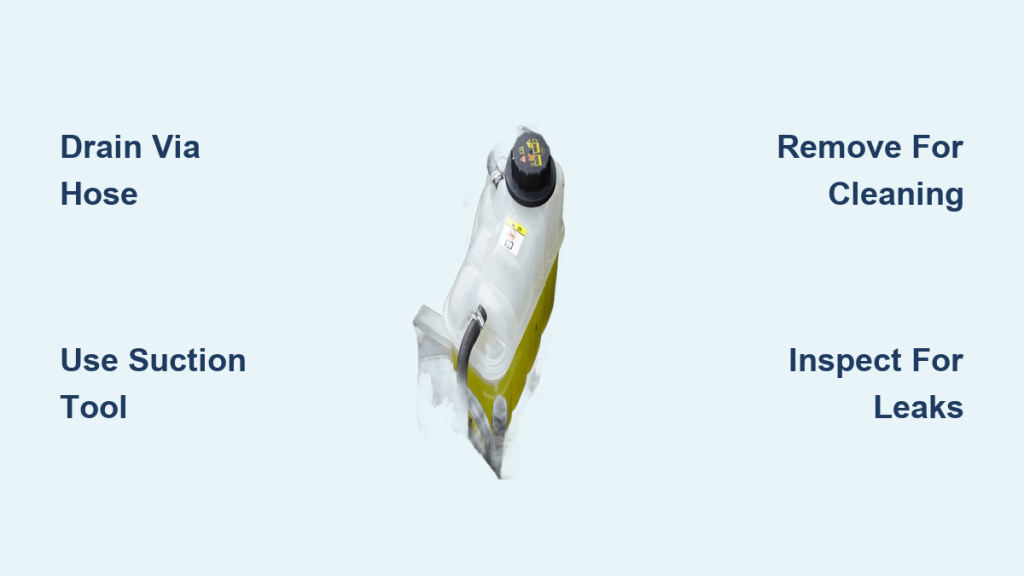
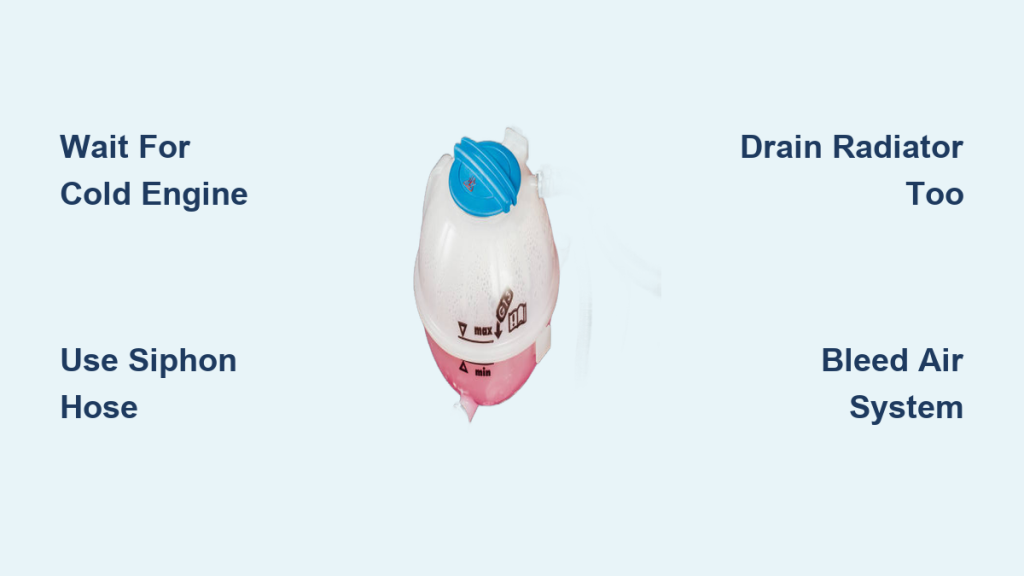
Monthly inspection should include checking the coolant reservoir level, looking for color changes, cloudiness, or sediment. Inspect hoses for cracks, bulges, soft spots, or leaks at clamps and junctions.
Flush interval is typically every 30,000 to 60,000 miles, depending on your vehicle and coolant type. Extended-life coolants like Dex-Cool or G48 may last up to 150,000 miles. Never mix coolant types, as this can form sludge and block passages.
Prestone All Vehicles coolant protects from -37°C to 129°C and prevents corrosion, frost, and boil-over.
Frequently Asked Questions About Running a Car Without Coolant
Can I start my car if it has no coolant?
You should never start a car without coolant. Even a cold engine at idle risks damage. If you must move the vehicle, fill with distilled water first. This provides minimal thermal protection and lubricates the water pump.
How long can an engine run before overheating without coolant?
A cold engine at idle may survive 30 seconds to 2 minutes. A warm engine or driving situation causes catastrophic damage in under 60 seconds. The exact time depends on engine material, load, and ambient temperature.
What happens if you drive with no coolant?
Driving without coolant causes rapid overheating. Within seconds to minutes, you risk head gasket failure, cylinder head warping, piston seizure, engine block cracking, and water pump failure. Repair costs range from $2,000 to $6,000 or more.
Can I use water instead of coolant in an emergency?
Distilled water is acceptable as a temporary emergency measure. It provides some cooling and pump lubrication. However, tap water causes mineral buildup. Plain water boils at lower temperatures and offers no corrosion protection. Use it only to reach a repair facility.
Does a car need coolant to run?
Yes, coolant is essential for engine operation. It regulates temperature, prevents overheating, inhibits corrosion, and lubricates the water pump. Running without coolant, even briefly, risks permanent engine damage.
Key Takeaways for Coolant Emergencies

Coolant is your engine’s lifeline, not an optional fluid. The cost of coolant at $10 to $20 is trivial compared to engine repair costs of $2,000 to $6,000 or more. Never intentionally run a car without coolant, regardless of circumstances.
If movement is absolutely necessary, fill with distilled water first. It prevents water pump damage and buys a little time. Monitor temperature closely and shut down immediately if the gauge climbs.
When in doubt, tow the vehicle. The risk is never worth the reward. Check your coolant monthly, fix leaks immediately, and maintain proper coolant levels to avoid these dangerous situations entirely.