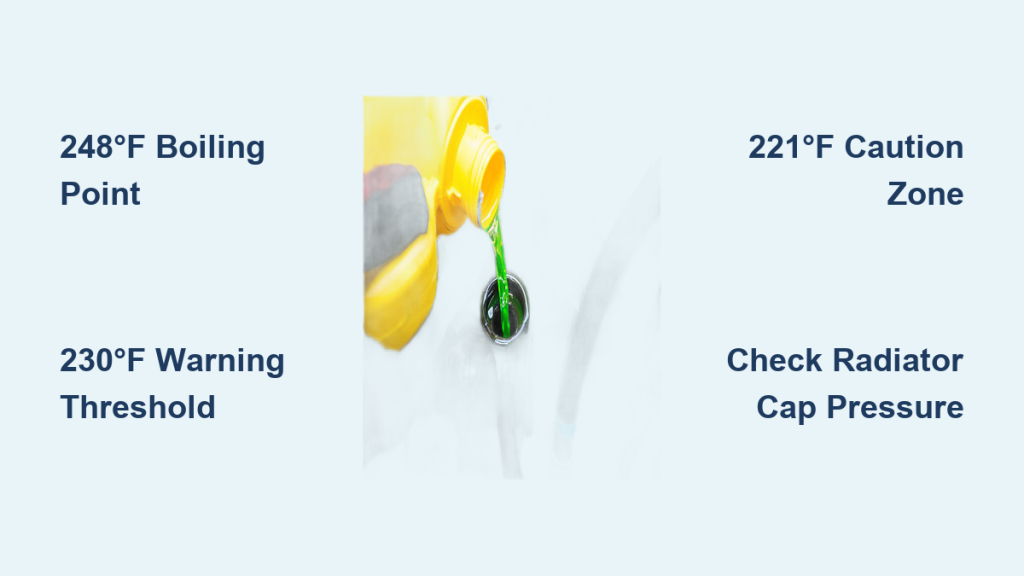
Engine coolant temperature is more than just a number on your dashboard. It’s a critical indicator of engine health, efficiency, and longevity. When you see the temperature needle creeping toward the red zone, you might wonder exactly how hot engine coolant can get before serious problems occur. The answer varies depending on your vehicle type, cooling system design, and driving conditions. Most modern engines operate efficiently between 195°F and 220°F, but under extreme conditions like towing or performance driving, coolant can push well beyond that range. This guide explains the real thermal boundaries of your cooling system, reveals when overheating becomes dangerous, and provides actionable steps to protect your engine.
Normal Operating Temperature Range for Daily Drivers
Most modern passenger vehicles are engineered to maintain coolant temperatures between 195°F and 220°F, which translates to approximately 90°C to 105°C. This range represents the sweet spot where engines run efficiently while maintaining reasonable fuel economy and keeping emissions within acceptable limits. Factory thermostats typically begin opening around 190°F, allowing coolant to circulate through the radiator once the engine reaches optimal operating temperature.
Modern engines run significantly hotter than older vehicles from the 1980s and 1990s, which commonly used thermostats set around 180°F. Today’s higher operating temperatures improve thermal efficiency, reduce internal friction, and help catalytic converters reach operating temperature faster to cut cold-start emissions. This shift toward hotter operating temperatures has been accelerated by electronically controlled thermostats that modulate flow based on engine load, ambient conditions, and emission requirements.
One critical issue with factory temperature gauges is that they often prioritize driver reassurance over accuracy. Many gauges remain centered across a wide temperature band, only indicating problems when overheating has already become severe. For true accuracy, use an OBD-II scanner or aftermarket digital gauge that reads actual coolant temperature sensor data from your vehicle’s computer.
Understanding Coolant Boiling Points Under Pressure

The maximum temperature coolant can reach before boiling depends on two primary factors: the coolant mixture and the system pressure maintained by your radiator cap. A standard 50/50 ethylene glycol and water blend boils at approximately 228°F at atmospheric pressure, but most cooling systems operate under pressure to prevent early boiling.
Radiator caps typically maintain around 15 PSIG of pressure, which raises the boiling point to approximately 248°F. High-performance radiator caps that maintain 30 PSIG can push the boiling point even higher, sometimes beyond 265°F. This relationship between pressure and boiling point is why never opening a hot radiator cap is critical. The pressurized system can violently eject scalding coolant when the pressure is released.
Waterless coolants represent an alternative for high-stress applications. These formulations, like Evans Waterless Coolant, can withstand temperatures exceeding 350°F at atmospheric pressure because they contain no water. Without water present, there is no vapor pressure buildup, eliminating boil-over risk entirely. However, waterless coolants require a fully compatible sealed system, and mixing them with water reduces effectiveness and can cause foaming or corrosion.
High-Performance Racing Temperature Limits
In extreme racing applications, coolant temperatures can reach levels that would destroy a standard street engine. NASCAR engines have been documented running at approximately 290°F during sustained high-load operation. This isn’t a failure but rather a carefully engineered design choice that provides several performance advantages.
Racing engines run hot intentionally because higher temperatures allow for smaller radiators that reduce aerodynamic drag, lower friction due to expanded clearances at temperature, and improved thermal efficiency from reduced heat loss. However, this operation requires total system integration including high-pressure cooling loops, custom thermostats, precision-machined components, and advanced materials that resist softening at extreme heat.
Running a standard passenger car at 290°F would lead to catastrophic failure. Stock aluminum heads begin to soften around 536°F to 554°F, and while coolant may reach 290°F, metal surfaces near the combustion chamber can exceed that temperature significantly. Without proper clearances, cooling, and materials, pistons seize, head gaskets blow, and connecting rods bend or break.
Critical Overheat Thresholds and Warning Signs
Understanding when heat becomes dangerous is essential for every driver. Sustained temperatures above 230°F should be treated as emergency-level events in standard vehicles. Here is a breakdown of risk levels at various temperature points.
Above 221°F represents caution territory where you should monitor closely and reduce load if possible. Above 230°F indicates high risk where you should derate power and check for blockages in the cooling system. Above 239°F presents severe risk with increased chance of detonation and head warping. At 248°F, coolant is likely boiling and engine shutdown is advised. At 266°F, material failure becomes imminent and catastrophic damage is likely.
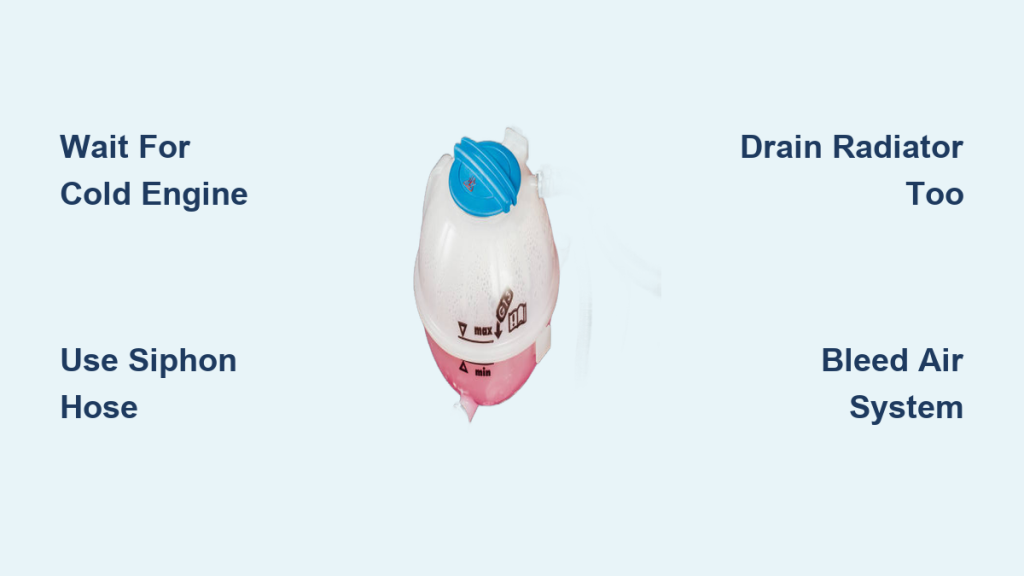
Signs that your coolant is boiling include bubbling in the overflow tank, steam billowing from under the hood, loss of pressure when opening the cap after cooling, and milky residue indicating coolant has entered the oil passages through a blown head gasket.
Mechanical Damage from Excessive Heat

When coolant runs too hot for extended periods, mechanical damage follows predictably. Pistons expand as they heat up, and if clearances are insufficient, they can seize in the cylinder bore, scoring walls or welding themselves in place. Ring lands may butt together, forcing outward expansion that cracks the piston crown. This type of damage often requires complete engine rebuild or replacement.
Aluminum cylinder heads lose strength above 500°F. Prolonged overheating causes warping that breaks the seal between head and block, leading to head gasket failure. When head gaskets fail, coolant can enter combustion chambers or oil passages, causing additional damage. A seized piston puts immense stress on the connecting rod, and if it bends or breaks, it can puncture the engine block entirely, a fatal failure known as a thrown rod.
Even if coolant stays below 130°C, metal surface temperatures can soar much higher. During detonation or lean conditions, combustion chamber surfaces can exceed 2000°F. Aluminum begins annealing and softening around 536°F, losing significant structural integrity.
Problems from Running Too Cold
While overheating gets most attention, running too cold is equally harmful. Engines operating below 176°F suffer from incomplete fuel vaporization, leading to rich mixtures and poor combustion. The engine control module activates warm-up enrichment, increasing fuel consumption significantly. Unburned fuel washes down cylinder walls and contaminates the oil, accelerating wear.
Cold engines with oversized clearances cause piston slap, a metallic rattle on startup. While common in some forged piston designs, persistent knocking after warm-up indicates excessive clearance or consistently low operating temperature. Additionally, blow-by increases when engines run cold, pushing combustion gases into the crankcase and contaminating oil faster.
System overcooling commonly results from oversized radiators, missing or failed thermostats, or using low-temperature thermostats without proper system tuning. Many drivers don’t realize their engine is running too cold because factory gauges often don’t display low temperatures accurately.
Key Cooling System Components That Control Temperature
The thermostat acts as a temperature-controlled valve, blocking coolant flow until the engine reaches operating temperature. Most open between 190°F and 195°F. Performance tuners may choose lower-temp thermostats around 160°F to 180°F for faster cooling in hot climates. Some remove the thermostat entirely, but this requires installing a restrictor plate with a three-quarter inch hole to maintain proper flow velocity.
Removing the thermostat without restriction causes coolant to flow too fast, reducing the time it spends in the radiator and actually hurting heat dissipation. The faster flow doesn’t give the radiator adequate time to remove heat.
Factory radiators are sized for typical driving, not track days or heavy towing. A 20% increase in horsepower often demands a 30% or greater increase in cooling capacity. Upgrading involves more than just getting a larger radiator; core thickness, fin density, and flow path design critically affect efficiency. Electric fans help at idle but become irrelevant above 50 mph, where ram air provides full cooling.
Comparing Coolant Types and Their Heat Limits
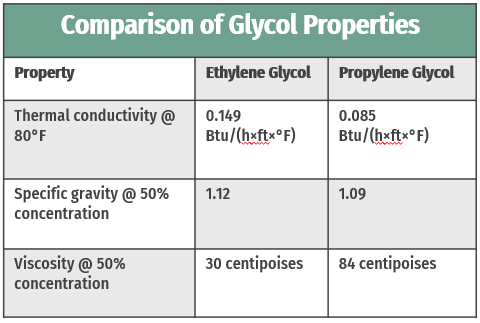
Different coolant formulations offer varying levels of heat resistance. A 50/50 ethylene glycol blend reaches approximately 248°F under 15 PSIG pressure, making it the standard for daily drivers. Pure water offers excellent heat transfer but boils at just 212°F at atmospheric pressure and provides no freeze protection. Waterless coolants can exceed 350°F at atmospheric pressure, making them ideal for racing applications.
Propylene glycol mixes run slightly cooler than ethylene blends and offer lower toxicity for use in food-safe areas. Despite reduced heat transfer compared to pure water, glycol-based coolants remain the standard choice because the trade-offs in freeze protection, boil resistance, and corrosion control are essential for street use.
Real-Time Monitoring and Protection Strategies
Don’t rely on factory gauges for accurate temperature readings. Use OBD-II scan tools for live ECU readings, install aftermarket digital gauges with wideband sensors, and use infrared thermometers to check radiator surface temperatures directly. Monitor both coolant and oil temperatures since they’re closely linked. High coolant temperature often means high oil temperature, which degrades lubrication faster.
Advanced engine management systems can protect your engine automatically when temperatures rise. At 221°F, begin reducing turbo boost. At 230°F, cut boost to 80% of normal. At 239°F, enter limp mode or cut fuel entirely. These strategies prevent detonation and allow safe driving to a stop even under thermal stress.
Preventing Overheating Through Maintenance and Upgrades
Keep your cooling system in top shape through regular maintenance. Flush coolant every two to five years depending on the type used. Inspect hoses and clamps for cracks or softness. Test radiator cap pressure with a hand pump. Clean debris from radiator fins to maintain airflow.
If you tow, race, or modify your engine, consider installing a larger high-efficiency radiator, adding an oil cooler to reduce thermal load, using a high-pressure cap if your system supports it, and potentially switching to an electric water pump for more consistent flow. Pair these upgrades with real-time monitoring and protective tuning for maximum safety under extreme conditions.
Frequently Asked Questions About Engine Coolant Temperature
Is 250°F too hot for engine coolant?
Yes, 250°F is considered a critical temperature for most standard vehicles. At this temperature, coolant is likely boiling even in a pressurized system. You should shut down the engine immediately to prevent catastrophic damage. Sustained operation above 248°F risks head gasket failure, head warping, and piston damage.
What temperature is considered an overheated engine?
Most engines are considered overheated when coolant exceeds 230°F. At this point, the risk of permanent damage increases rapidly. Between 221°F and 230°F represents a caution zone where you should monitor closely and reduce load. Above 230°F, you should activate protective measures and seek a safe stopping location.
What causes engine coolant to get too hot?
Common causes include low coolant level from leaks, a failing water pump, stuck thermostat, clogged radiator, broken cooling fan, damaged radiator hose, or head gasket failure. External factors like towing heavy loads, climbing steep grades, high ambient temperatures, or idling for extended periods can also push temperatures into danger zones.
How can I keep my engine coolant temperature down?
Perform regular maintenance including coolant flushes and hose inspections. Use the correct coolant type for your vehicle. Ensure your radiator cap maintains proper pressure. Consider upgrading to a higher-capacity radiator for high-stress applications. Install an oil cooler to reduce overall thermal load. Monitor temperatures with an OBD-II scanner or aftermarket gauge.
Key Takeaways for Managing Engine Coolant Temperature
Engine coolant can safely reach up to 248°F in a standard pressurized system and even 290°F in purpose-built race engines, but for everyday vehicles, anything above 230°F is a red flag requiring immediate attention. The key to avoiding disaster lies in understanding your system’s limits, monitoring actual temperatures with accurate tools, and acting quickly when heat builds. Regular maintenance including coolant flushes, hose inspections, and pressure testing keeps your cooling system functioning properly. For high-load use like towing or performance driving, invest in upgrades like larger radiators, oil coolers, and high-pressure caps paired with real-time monitoring. With the right maintenance, cooling upgrades, and protective strategies, you can keep your engine running strong even under extreme conditions.