
You’re driving down the highway when the temperature gauge suddenly spikes. Steam billows from under the hood. Chances are, a failing coolant reservoir played a role. The coolant reservoir isn’t not just a plastic tank. It’s a vital part of your engine’s thermal regulation system, silently managing expansion, preventing overheating, and protecting your engine from catastrophic failure. Understanding how coolant reservoirs work is essential for every driver, especially when diagnosing cooling issues or performing maintenance.
This system operates on simple physics. As coolant heats up, it expands. As it cools, it contracts. Without a reservoir, that fluctuating volume would cause leaks, air pockets, or even cracked components. The reservoir acts as a buffer, absorbing excess fluid under pressure and returning it when needed. But not all reservoirs function the same way. Depending on your vehicle, it might be an overflow tank or a fully integrated expansion tank. Two designs with very different behaviors.
In this guide, you’ll learn the science behind coolant expansion, how reservoirs manage pressure and vacuum cycles, the risks of driving with low coolant, and how to maintain or upgrade your system for long-term reliability.
Why the Coolant Reservoir Matters
The coolant reservoir’s job is to balance volume changes in the cooling system caused by heat. As the engine runs, coolant absorbs thermal energy and expands, sometimes by up to 10%. Without a place for this extra fluid to go, pressure would build until something fails. A hose bursts. The radiator cracks. A gasket blows.
Instead, the reservoir safely stores the overflow and returns it once the engine cools. This process maintains a full radiator, prevents air from entering the system, and ensures consistent heat transfer across all engine components.
It also serves as the primary fill point on most modern vehicles. Adding coolant here, when the engine is cold, eliminates the need to open a pressurized radiator cap. This reduces the risk of burns and improper filling.
How Reservoirs Prevent Overheating
Overheating often starts with a small issue. A slow leak. Evaporation. A cracked reservoir. Once coolant levels drop, the system cannot fully circulate fluid. Air pockets form, blocking coolant flow to critical areas like the cylinder head. These hot spots can warp metal, compromise head gaskets, and lead to engine seizure.
A properly functioning reservoir prevents this by:
• Allowing excess coolant to escape safely during expansion
• Sucking coolant back in during contraction
• Keeping the radiator topped off at all times
Without this cycle, even a minor coolant loss becomes a major threat.
Overflow Tank vs. Expansion Tank

Not all coolant reservoirs are created equal. Two main types exist. Overflow tanks and expansion tanks. Confusing them can lead to incorrect maintenance or misdiagnosis.
Non-Pressurized Overflow Tank
Found on many older and Japanese vehicles like the Toyota 4Runner, the overflow tank is a passive container. The radiator has the pressure cap, and when pressure builds, coolant is pushed into the reservoir. When the engine cools, vacuum pulls it back.
However, coolant in this system does not circulate continuously. It only moves during heat and cool-down cycles. If you add coolant to the reservoir, it may take several drive cycles to enter the main system.
Key identifier. The radiator cap is on the radiator.
Pressurized Expansion Tank
Used in most modern American and European vehicles, the expansion tank is part of the pressurized cooling loop. The pressure cap is on the reservoir itself, and coolant flows through it constantly while the engine runs.
This design allows immediate mixing. Any coolant added here enters the system as soon as the engine starts. It also provides better air management, reducing vapor lock and improving cooling efficiency.
Key identifier. No cap on the radiator. The cap is on the reservoir.
Can You Mix Coolant Types
Never mix incompatible coolants. OAT (orange), HOAT (yellow/green), and IAT (green) formulas have different chemical compositions. Mixing them can cause gel formation, clogs, and corrosion. Always use the type specified in your owner manual.
The 3-Step Coolant Expansion Cycle
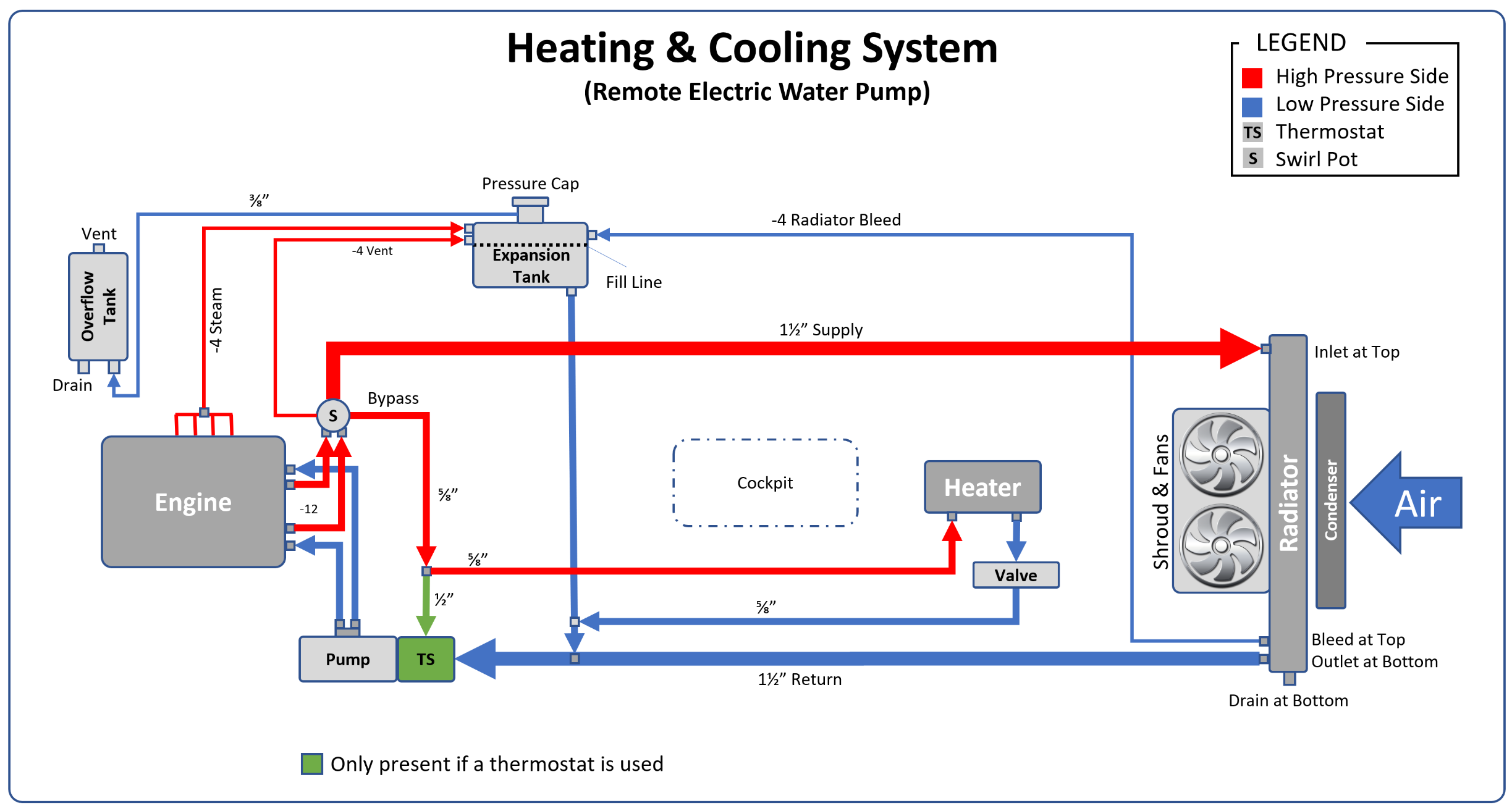
The reservoir operates through a continuous cycle driven by temperature changes. Understanding these phases helps diagnose cooling issues and avoid mistakes during maintenance.
Step 1: Coolant Expands Under Heat
As the engine warms up, coolant temperature rises to 195°F to 220°F (90°C to 104°C). The liquid expands, increasing pressure in the system. When pressure exceeds the cap’s rating, typically 13 to 18 psi, the cap’s relief valve opens.
This is normal. The system is designed to release excess fluid before damage occurs.
Step 2: Excess Coolant Flows to Reservoir
Once the cap opens, hot coolant travels through a hose into the reservoir. In overflow systems, this happens only during overpressure. In expansion systems, coolant is always present in the tank and part of the active loop.
If the reservoir is full or missing, there is nowhere for the fluid to go. This leads to leaks, hose failure, or radiator damage.
Step 3: Coolant Returns During Cool-Down
When the engine shuts off, coolant contracts. This creates a vacuum in the system. The cap’s secondary vacuum valve opens, drawing coolant back from the reservoir into the radiator.
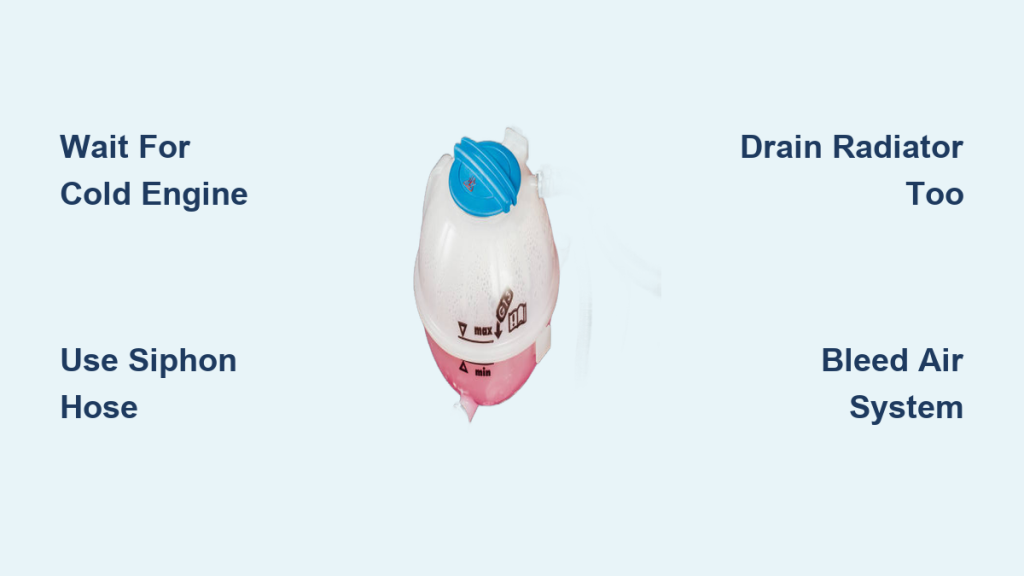
After cooling, the reservoir should sit between the MIN and MAX marks. Usually about one-third full. If it is empty, the system cannot recover fluid, increasing the risk of air ingestion and overheating.
Risks of Driving with Low Coolant
Driving with a low or empty coolant reservoir is one of the fastest ways to damage your engine. The consequences escalate quickly.
What Happens If the Reservoir Is Empty
In an overflow system, an empty reservoir means no coolant can be pulled back into the radiator. The engine starts with less fluid than needed. As it heats up, coolant evaporates or boils off. Air fills the voids, creating insulating pockets. Temperature spikes within minutes.
This leads to:
• Blown head gasket from thermal stress
• Warped cylinder head due to uneven expansion
• Engine seizure if metal components fuse together
Bottom line. Never drive with an empty reservoir. Pull over, let the engine cool, and inspect the system.
Can You Drive with Low Coolant
A level slightly below MIN may allow short trips, but it is risky. A low reservoir usually indicates a slow leak from a hose, water pump, or reservoir. It could mean internal coolant loss from a blown head gasket. Or evaporation from repeated overheating.
Symptoms include:
• Fluctuating temperature gauge
• Cold air from the heater
• Illuminated Low Coolant or Check Engine light
• Visible steam or sweet smell from the hood
If you notice these, stop driving and inspect the system immediately.
Plastic Reservoir Failure Signs
Most OEM reservoirs are made from polyethylene or ABS plastic. Inexpensive but prone to degradation over time.
Why Plastic Tanks Crack
Three main factors weaken plastic reservoirs:
-
Thermal cycling. Repeated heating and cooling make plastic brittle.
-
UV exposure. Sunlight through the engine bay accelerates aging.
-
Chemical breakdown. Ethylene glycol coolant slowly attacks plastic over years.
Common Failure Symptoms
• Hairline cracks at seams or hose connections
• Cloudy or discolored tank, a sign of material fatigue
• Leaking fluid around the base or neck
• Bulging or warping of the housing
Once a crack appears, replacement is the only safe option. Temporary fixes like epoxy may hold briefly but fail under pressure.
Upgrade to Aluminum Reservoirs
For better durability, many drivers upgrade to aluminum coolant reservoirs, especially in performance, towing, or high-heat environments.
Benefits of Aluminum Tanks
• Crack-resistant. Unlike plastic, aluminum will not become brittle with age.
• Higher pressure tolerance. Handles extreme thermal loads without failure.
• UV and chemical resistant. Will not degrade from sun or coolant exposure.
• Professional appearance. Clean, polished look under the hood.
• AN/NPT fittings. Support high-integrity hose connections for performance builds.
Popular brands like EVIL ENERGY offer universal and model-specific designs for LS swaps, off-road rigs, and daily drivers.
Who Should Upgrade
• Performance vehicles with modified engines
• Trucks used for towing in hot climates
• Off-road builds with remote reservoir mounting
• Enthusiasts wanting long-term reliability
While more expensive upfront, aluminum reservoirs eliminate repeat plastic tank replacements and reduce the risk of roadside breakdowns.
Maintenance: Refill Safely and Correctly
Proper maintenance prevents overheating and extends engine life. But one wrong move, like opening a hot reservoir, can cause serious injury.
Never Open a Hot Reservoir
The cooling system is pressurized. At operating temperature, coolant can exceed 250°F (121°C) and be under 15+ psi of pressure. Opening the cap releases boiling fluid and steam like a pressure cooker.
Safety steps:
-
Turn off the engine.
-
Wait 30 to 60 minutes for it to cool.
-
Touch the radiator hoses. Cold means safe.
-
Only then remove the cap.
How to Refill the Reservoir
-
Use a 50/50 pre-mixed coolant (distilled water plus antifreeze).
-
Never use tap water. Minerals cause scale and corrosion.
-
Check the label on the reservoir. Fill to COLD line when engine is cold.
-
Pour slowly to avoid air pockets.
-
Secure the cap tightly to maintain pressure seal.
After major coolant work, bleed air from the system using bleeder valves or by running the engine with the reservoir cap off, only when safe.
Diagnose Leaks and System Issues
A leaking reservoir compromises the entire cooling system. Early detection prevents costly repairs.
Signs of a Leak
• Puddles under the car (green, orange, pink, or yellow fluid)
• Frequent need to top off coolant
• White crust or residue around tank or hoses
• Bubbling in the reservoir while engine runs (possible head gasket failure)
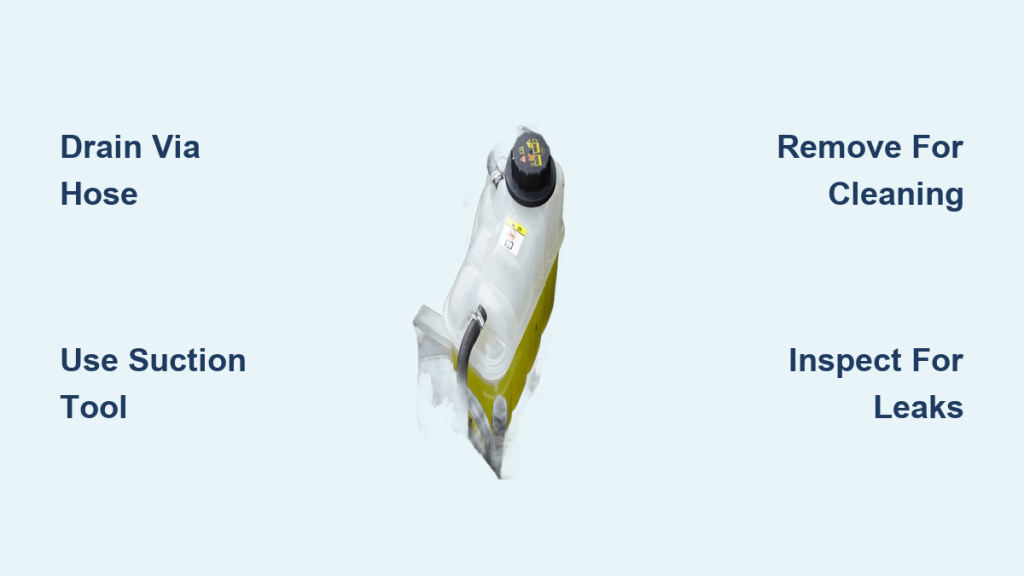
How to Inspect the Reservoir
-
Park on level ground and let engine cool.
-
Check fluid level and color (should be bright, not brown or milky).
-
Examine tank for cracks, especially at base and hose necks.
-
Inspect hose clamps for tightness and deterioration.
-
Replace reservoir if any damage is found.
Pro tip. Shine a flashlight behind the tank. Small cracks may only be visible with backlighting.
Replacement Cost and DIY Tips
Replacing a coolant reservoir is a moderate DIY task, but labor costs vary by vehicle.
Average Replacement Cost
• Parts: $30 to $150 (plastic OEM) or $120 to $300 (aluminum performance)
• Labor: $70 to $150 (depending on accessibility)
• Total: $100 to $300
DIY Steps
-
Drain coolant from the radiator drain plug.
-
Disconnect reservoir hoses (use a pick tool if clamps are tight).
-
Remove mounting bracket screws.
-
Install new reservoir and reconnect hoses.
-
Refill with correct coolant mix and bleed air.
Time required. 1 to 2 hours for most vehicles.
Upgrading to aluminum may cost more but pays off in reliability and longevity.
Key Takeaways for Maintaining Your Coolant Reservoir
The coolant reservoir does more than store fluid. It protects your engine from thermal stress and mechanical failure. By managing expansion and contraction, it prevents overheating, eliminates air pockets, maintains system pressure, and enables safe coolant maintenance.
Ignoring reservoir health risks blown head gaskets, a repair costing $1,500 to $3,000. It risks warped engine components and complete engine replacement, which can exceed $4,000. Regular checks, monthly or during oil changes, can prevent these disasters.
Check levels when cold. Replace cracked tanks immediately. Consider upgrading to aluminum for lasting performance. A well-maintained reservoir keeps your engine running cool, no matter the conditions.
Frequently Asked Questions About Coolant Reservoirs
What is a coolant reservoir?
A coolant reservoir is a storage container that manages the expansion and contraction of engine coolant, preventing over-pressurization and maintaining optimal fluid levels.
Can you drive with low coolant in the reservoir?
Short distances may be possible, but driving with coolant below the MIN line risks overheating and engine damage. It usually indicates a leak that needs immediate attention.
What happens if the coolant reservoir is empty?
The system cannot recover fluid during cooldown, leading to air pockets, overheating, blown head gaskets, or engine seizure within minutes.
Can you refill the coolant reservoir yourself?
Yes, but only when the engine is cold. Use a 50/50 mix of distilled water and correct antifreeze. Never open a hot system.
Does coolant circulate through the reservoir?
In expansion tanks, yes. Coolant circulates continuously. In overflow tanks, no. Coolant only moves during pressure relief and vacuum recovery cycles.
How much does it cost to replace a coolant reservoir?
$100 to $300 on average, including parts and labor. Upgraded aluminum tanks cost more but offer superior durability.