
You’re driving normally when the temperature gauge creeps into the red or your dashboard coolant warning light flashes. You pop the hood and find the coolant reservoir is empty, even though you topped it off just a few weeks ago. How does coolant get low without a dramatic leak or obvious damage? The answer is that coolant doesn’t simply evaporate or disappear. When levels drop, something is wrong with your sealed cooling system, whether it’s a slow drip you cannot see, an internal failure, or a maintenance issue. Ignoring low coolant risks overheating, engine warping, blown head gaskets, or total engine failure.
In this guide, you’ll learn exactly how coolant gets low, how to spot the warning signs early, and what steps to take next. From external leaks to internal failures and misleading air pockets, we’ll break down every cause, symptom, and solution with actionable steps you can use right now.
Common Causes of Coolant Loss Through External Leaks
External leaks are the most frequent reason for low coolant levels. These leaks occur when coolant escapes from visible components of the cooling system, often leaving telltale signs that careful inspection can reveal.
Radiator and Heater Hose Degradation
Rubber hoses carry coolant between the engine, radiator, and heater core. Over time, heat cycles and age weaken them, leading to cracks, bulges, or soft spots. Even a pinhole leak can cause noticeable loss over weeks.
• Radiator hoses (upper and lower) are prone to swelling near clamps
• Heater hoses under the dash may leak without dripping outside
• Loose or corroded clamps accelerate leaks
• Look for green, orange, or red residue on hoses, dried crust, or puddles under the car
Pro Tip: Shine a flashlight along hose routes after warming the engine. Steam or wetness indicates active leakage.
Radiator Damage and Corrosion
The radiator dissipates heat but is vulnerable to corrosion, impact, and pressure stress. End tanks (plastic) crack due to thermal cycling, aluminum fins get damaged by road debris, and internal corrosion eats through tubes, especially if old coolant wasn’t flushed.
Signs include coolant stains on the radiator, a sweet smell, and low levels despite no visible undercarriage leaks. Even small leaks worsen when the system pressurizes, meaning they may only appear when the engine is hot.
Water Pump Seal Failure

The water pump circulates coolant through the engine. A failing seal allows fluid to escape near the front of the engine, often leaving pastel-colored streaks on the engine block near the timing cover. A weep hole beneath the pump drips coolant when the seal fails, and bearing noise (whining or grinding) may accompany the leak. If ignored, total pump failure stops circulation, leading to rapid overheating.
Internal Coolant Loss: Head Gasket Failure
Internal coolant loss occurs when coolant enters areas outside the cooling system without leaving visible traces. The most serious cause is a blown or failing head gasket.
Coolant Enters the Combustion Chamber
A compromised head gasket allows coolant to seep into the cylinders. When burned, it creates thick, sweet-smelling white smoke from the exhaust. This smoke is constant, not just at startup (unlike normal condensation), and the engine may misfire or run rough due to hydrolock or compression loss. This is a serious failure. Continued driving can warp the cylinder head or crack the engine block.
Coolant Mixing with Engine Oil
When coolant seeps into oil passages, it creates a milky emulsion often described as looking like mayonnaise. Check the dipstick for frothy, tan, or chocolate-mousse-like residue, and inspect the oil cap for creamy buildup. This mixture reduces lubrication and leads to accelerated engine wear or seizure. Do not drive the vehicle if this occurs.
How to Confirm Head Gasket Failure
You can perform two tests at home to confirm internal leakage.
Block Test (Combustion Leak Test): Remove the radiator cap on a cold engine and use a block tester with chemical fluid (typically blue dye). If exhaust gases are present in the coolant, the fluid changes color from blue to yellow. A positive result confirms an internal leak.
Pressure Test the Cooling System: Attach a hand pump to the radiator neck and pressurize to 15 psi (or your vehicle’s specification). Watch the gauge. Pressure drop indicates a leak. Combine this with visual inspection to locate external leaks.
Evaporation and System Venting Issues
While the cooling system is designed to be sealed, minor coolant loss through evaporation or venting can occur under certain conditions.
Normal Versus Abnormal Coolant Loss
Some coolant loss over time is expected due to thermal expansion (hot coolant pushes into the overflow tank), venting (small amounts release through the cap under pressure), and evaporation (especially in hot climates or short-trip driving). However, needing to refill every few weeks is not normal and indicates a problem.
Faulty Radiator Pressure Cap
The cap maintains system pressure, which raises the boiling point from 212°F to 250°F or higher. A weak or damaged cap fails to seal properly and releases coolant too early, causing boil-over and loss through the overflow tube. Test the cap first if no external leaks are found. It is inexpensive and often the culprit.
Incorrect Coolant Mixture
Using plain water or an improper antifreeze ratio lowers the boiling point and increases evaporation. It also raises freezing risk and promotes corrosion. Always use a 50/50 pre-mixed coolant or mix concentrate with distilled water.
Air Pockets and Improper Bleeding
After flushing or refilling coolant, trapped air can cause false low readings that make it seem like coolant is disappearing.
Why Coolant Seems to Disappear After Service
When air is trapped in the system, it expands when hot and pushes coolant into the overflow. When the engine cools, the air contracts, pulling fluid back but not always fully. The result is a reservoir that appears low even though coolant hasn’t actually been lost. This is common in vehicles with high-mounted thermostats or complex cooling routing.
How to Properly Bleed the Cooling System
Many modern cars require specific procedures to remove trapped air.
- Elevate the front of the vehicle (this helps air rise toward the radiator)
- Open the bleed valve if equipped (common on European models)
- Run the engine with the radiator cap off until the thermostat opens and air bubbles stop
- Top off and recheck after several heat-cool cycles
Skipping this step leads to false low readings and potential overheating.
Age-Related Degradation of Cooling Components
As vehicles age, cooling system components naturally degrade, increasing susceptibility to slow, undetectable coolant loss.
Cracked Coolant Reservoir
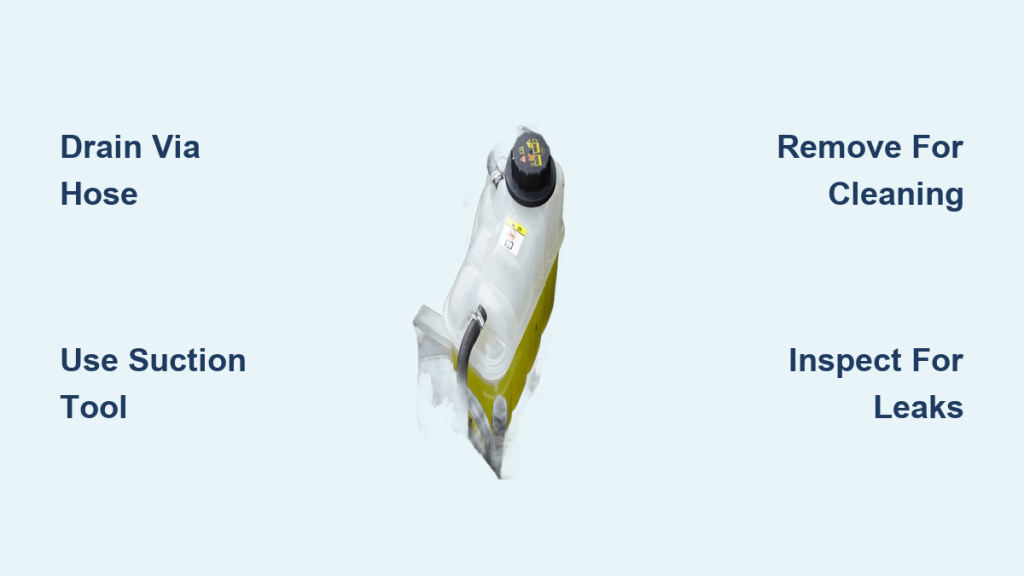
Plastic reservoirs become brittle over time. Hairline cracks may only leak under pressure, meaning they only show up when the engine is hot. Check the tank seams and cap area when the engine is warm. Replace the reservoir if it appears cloudy or cracked.
Failing Seals and Gaskets
Thousands of heat cycles degrade rubber components. The thermostat housing gasket, intake manifold gasket (especially on V6 and V8 engines), and heater control valve seals often leak slowly, dripping only when hot or after long drives.
Corrosion and Scale Buildup
Old coolant loses its inhibitors, leading to rust in the radiator and engine block, a clogged heater core, and pitting in aluminum components. This weakens metal and promotes micro-leaks. Flush coolant every 30,000 to 100,000 miles (check your manual for your specific interval).
Recognizing Symptoms of Low Coolant
Dashboard Warning Lights
Modern vehicles have a coolant level sensor that triggers when the reservoir drops below minimum, a temperature gauge that rises into the red zone, and engine protection mode (some cars reduce power to prevent damage). Do not ignore intermittent lights, as intermittent leaks are common.
Engine Overheating
Low coolant means less heat absorption capacity. Gradual overheating indicates a slow leak, while sudden overheating suggests a major rupture or pump failure. Steam from the hood means immediate danger. Shut off the engine immediately if this occurs.
Sweet Smell Inside or Outside
Ethylene glycol has a syrup-like odor. Outside the vehicle, it indicates a leak from a hose, radiator, or pump. Inside the cabin, it suggests a heater core leak (often with damp floor mats and foggy windows). From the exhaust, it indicates an internal leak (coolant burning in the cylinder).
White Smoke from Exhaust
Normal condensation produces thin, brief vapor at startup. Thick, continuous white smoke with a sweet smell means coolant is burning in the cylinder, likely from a blown head gasket, cracked head, or warped block.
Frequent Top-Offs Needed
If you add coolant more than once a year, find the cause. Every few weeks indicates a serious leak or internal failure. Every three to six months suggests a small external leak or cap issue.
How to Check Coolant Level Safely
Wait for a Cold Engine
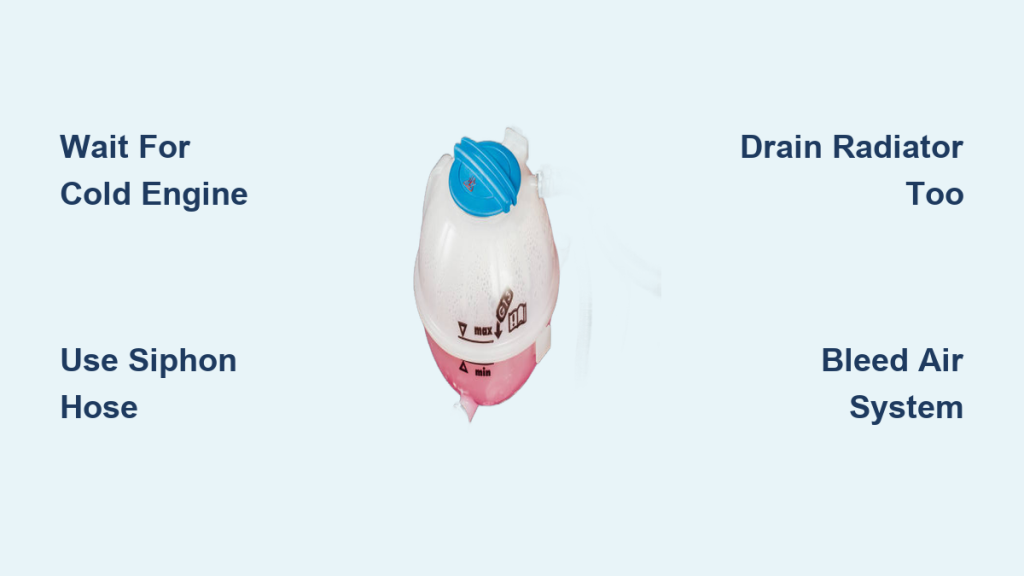
Never open the radiator cap when hot. The risk of scalding is severe. Wait two to three hours after shutdown, or check first thing in the morning.
Inspect the Reservoir
Locate the translucent overflow tank and check the fluid level between the MIN and MAX lines. If below MIN, top off with the correct coolant type. Wipe the cap and neck clean before closing.
What If the Reservoir Is Empty
Do not assume the radiator is empty. It may still have fluid, but the system is unbalanced. Add coolant to the reservoir first, then bleed air as needed.
Diagnostic Steps to Find Coolant Loss
Visual Inspection
Park on a clean pavement overnight. Look for colored puddles or stains. Shine a light on the water pump, hoses, radiator, and heater core area. Check for crusty deposits (dried coolant).
Pressure Test the System
Best done by a shop, but DIY kits are available. Cap off the radiator, pump to 15 psi, and monitor for 10 to 15 minutes. Pressure drop indicates a leak. Use soapy water on joints to spot bubbles.
Check Oil for Contamination
Pull the dipstick and look for milky residue. Remove the oil filler cap and check for foamy buildup. If found, stop driving immediately. Internal engine damage is likely.
Test the Radiator Cap
Use a cap tester (auto parts stores often loan them). Verify it holds rated pressure (for example, 16 psi). Replace if faulty. This costs under $20 and could solve your problem.
Immediate Actions When Coolant Is Low
Stop Driving If Overheating
Pull over safely, turn off the A/C, and turn on the heater (this helps dissipate heat). Let the engine cool completely. Do not open the radiator cap until cold.
Top Off with Correct Coolant
Use premixed 50/50 if you are unsure of the correct type. Never use plain water long-term. Add to the reservoir, not the radiator (unless the system is fully drained).
Monitor Daily for 3 to 5 Days
Check the level each morning before starting. Track the loss rate. If dropping daily, seek professional help.
When to See a Mechanic
Seek professional help if white exhaust smoke persists, the oil is milky, coolant loss continues after refill, a head gasket is suspected, or the pressure test fails. Internal repairs (head gasket, heater core) require disassembly and specialized tools.
Preventing Coolant Loss: Maintenance Tips
Check Coolant Monthly
A quick two-minute check can prevent major problems. Look at the color and level. Top off if needed. The best time is before extreme seasons (summer and winter).
Flush Coolant on Schedule
IAT (green) coolant needs changing every 30,000 miles. OAT (orange or red) lasts 50,000 to 100,000 miles. HOAT (yellow or blue) varies from 30,000 to 100,000 miles. Always use the type specified in your owner’s manual.
Replace Aging Components
On high-mileage or older vehicles, replace hoses and clamps every five to seven years. Inspect the radiator and reservoir. Test or replace the thermostat. Consider a full cooling system refresh. Preventive replacement is cheaper than engine repair.
Frequently Asked Questions About Coolant Loss
Why does my coolant keep getting low without any visible leaks?
Coolant can be leaking internally (into the engine or combustion chamber), evaporating due to a faulty pressure cap, or disappearing into the overflow from a poorly sealed system. A pressure test and block test can identify internal leaks that leave no external traces.
Can low coolant cause my engine to overheat?
Yes. Coolant absorbs and transfers heat away from the engine. When levels drop, the system cannot absorb enough heat, causing the temperature to rise rapidly. Driving while overheating even briefly can warp the cylinder head.
Is it okay to add water to my coolant temporarily?
In an emergency, water is better than driving with no coolant at all. However, water lowers the boiling point, raises the freezing point, and promotes corrosion. Always use the correct coolant type as soon as possible.
How do I know if my head gasket is blown?
Signs include white smoke from the exhaust with a sweet smell, milky oil on the dipstick, coolant loss without external leaks, and engine misfires. A block test can confirm combustion gases in the cooling system.
How often should I check my coolant level?
Check coolant at least once a month, especially before summer and winter. Also check before long trips. Regular monitoring catches small problems before they become major repairs.
Can a bad radiator cap cause coolant loss?
Yes. A weak cap fails to maintain system pressure, lowering the boiling point and allowing coolant to escape through the overflow. This is a common cause of unexplained coolant loss and is inexpensive to replace.
Key Takeaways for Preventing Coolant Loss
Coolant doesn’t simply evaporate or disappear. Low levels always indicate a problem, whether it’s a cracked hose, a failing water pump seal, a blown head gasket, or a faulty pressure cap. The cooling system is designed to be sealed, so any drop in coolant level warrants investigation. Ignoring the warning signs leads to expensive repairs like head gasket replacement or even complete engine failure. Check your coolant monthly, address leaks promptly, and follow your manufacturer’s maintenance schedule for coolant flushes and component replacements. A few minutes of preventive care can save thousands of dollars and keep your engine running reliably for years.