You’ve just had your car’s oil changed and now you’re noticing the coolant reservoir is low, or even empty. You’re asking yourself: could the oil change have caused this? The short answer is no, a standard oil change does not directly affect coolant levels. But the timing of an oil change can reveal, coincide with, or mask underlying coolant system issues. Understanding this distinction is crucial to diagnosing problems early and avoiding costly engine damage.
During an oil change, the engine is typically warmed up, then drained and refilled. This heating and cooling cycle triggers expansion and contraction in the cooling system, making coolant level fluctuations more noticeable. Technicians also often perform multi-point inspections during oil changes, which may include checking coolant levels. If coolant was low before the service, it might only become apparent afterward.
Normal Coolant Behavior After Oil Change
Coolant Contracts When Engine Cools
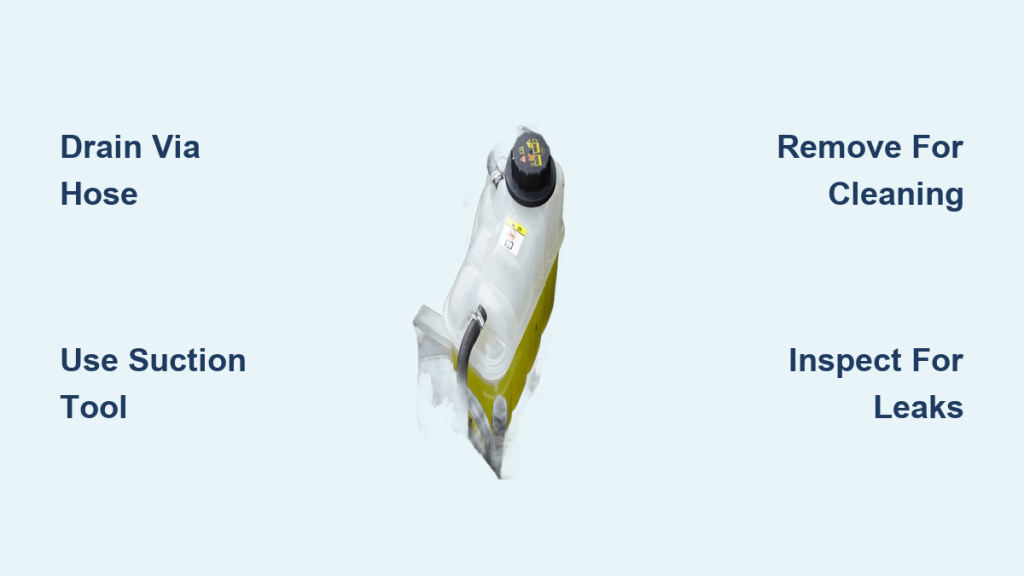
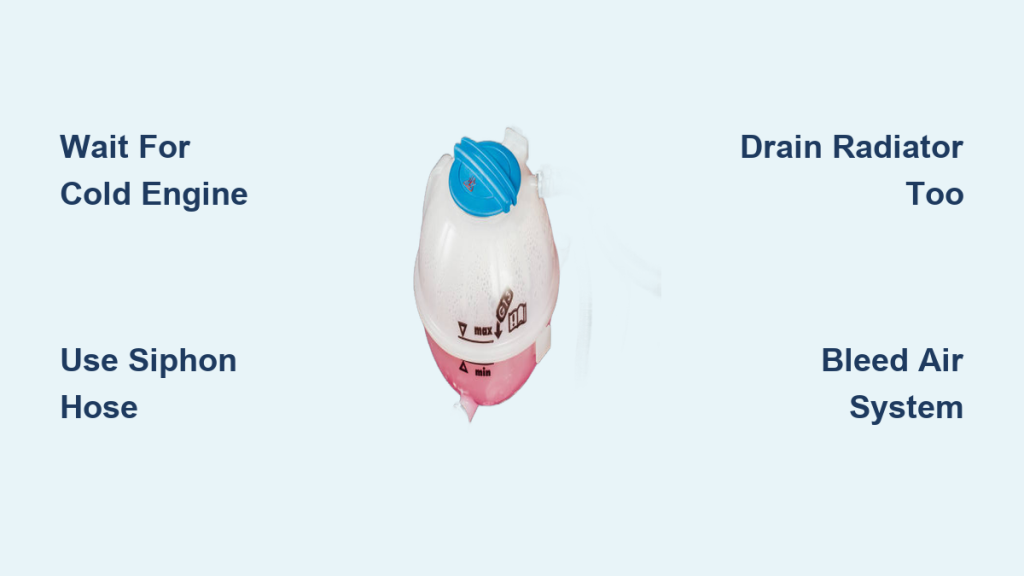
After an oil change, your engine goes through a full thermal cycle. It is warmed up for the service, then shut off and left to cool. As the engine cools, the coolant contracts and is drawn back from the overflow reservoir into the radiator. This can leave the reservoir looking empty, even if the system is functioning correctly.
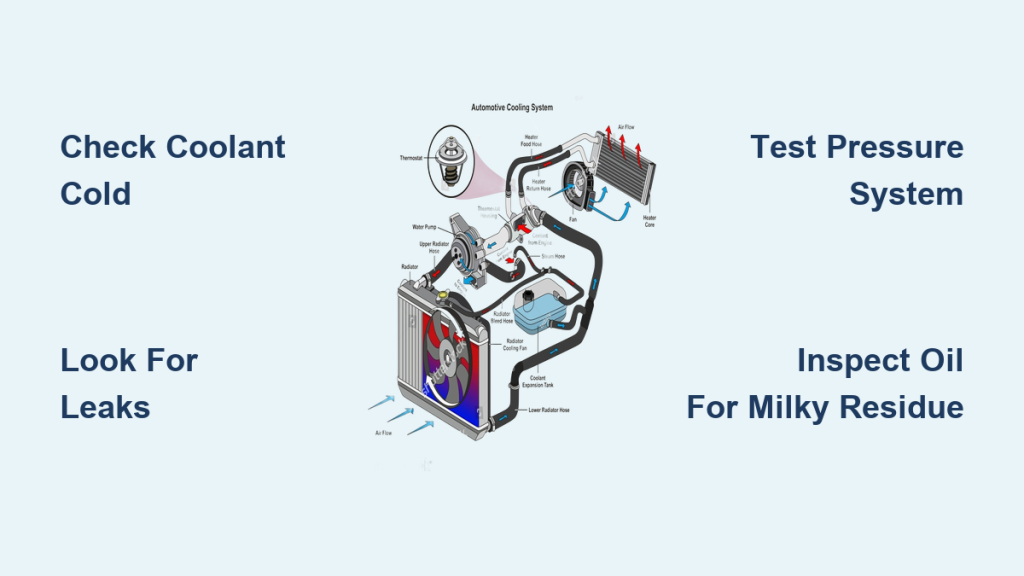
What to look for: A cold engine should have coolant at or near the cold fill line in the reservoir. If it is below minimum, that is a red flag. If the reservoir is empty but the radiator is full, the system may not be pulling coolant back, often due to a faulty radiator cap.
Reservoir Levels Fluctuate Naturally
It is normal for coolant levels to rise when hot and fall when cold. But if the level keeps dropping over time, even after topping off, you likely have a leak, either internal or external.
Pro tip: Always check coolant when the engine is cold. Checking it hot can give a false sense of security, as expansion masks low volume.
Indirect Links Between Oil Change and Coolant Issues
Thermal Cycling Reveals Hidden Problems
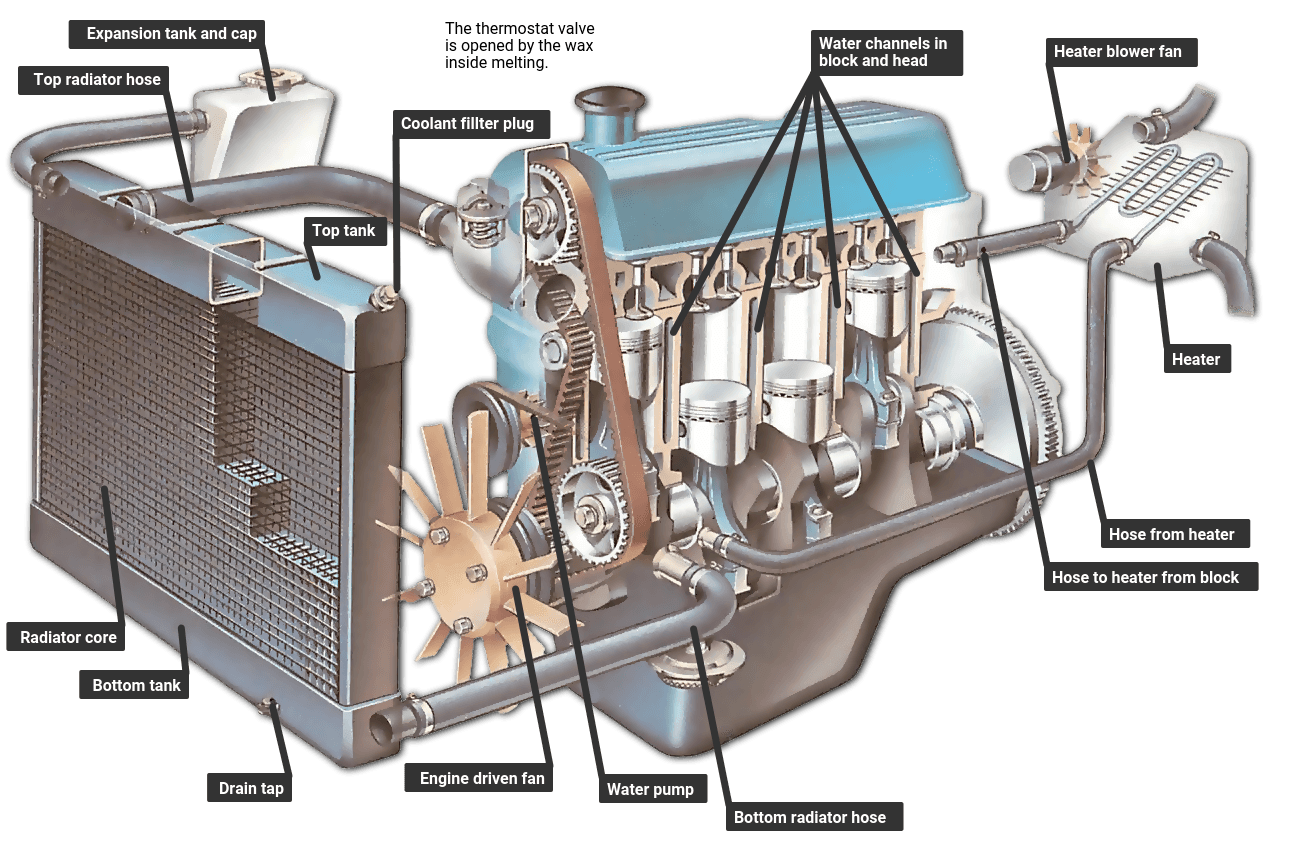
The process of warming and cooling the engine during an oil change can expose weaknesses in the cooling system. Micro-cracks in the radiator may only leak under heat and pressure. A failing water pump seal might seep when hot, then stop when cooled. Head gasket issues can cause air pockets that disrupt coolant flow, becoming evident after a cycle.
Expert note: Just because coolant loss happens after an oil change does not mean it was caused by it. Correlation is not causation, but it is a valuable diagnostic clue.
Technician Inspection May Detect Low Coolant
Most shops include a fluid check during oil changes. If your coolant was low, the technician may have topped it off as part of the service, failed to mention it assuming you would follow up, or missed it entirely during a rushed inspection.
User example: One driver reported that the shop put coolant in during the oil change and did not charge them. This suggests the issue existed before the service and was simply addressed during routine checks.
When an Oil Change Might Coincide With Coolant Loss
Water Pump Replacement Requires Oil Drain
In some engines, particularly many front-wheel-drive models, the water pump is located behind the timing cover and shares space with oil system components. Replacing it often requires removing the timing belt or chain, draining engine oil, and accessing the pump through the oil pan or front cover.
If your oil change was part of a larger repair involving the water pump, coolant loss could be related, but not because of the oil change itself.
Warning sign: If you had a water pump replaced and now see coolant loss, check for wetness at the weep hole indicating seal failure, steam from the engine bay, or overheating within a few days.
Shared Service Timing Masks Real Cause
Because oil changes happen every 3,000 to 10,000 miles, they often coincide with other wear-related failures. A failing radiator, degraded hoses, or a worn head gasket may reach critical failure around the same time as an oil change, creating a false impression of connection.
Fact: Radiators in older vehicles, like fourth and fifth generation Nissan Maximas, are prone to cracking at the plastic-to-aluminum joints. These leaks may go unnoticed until a thermal cycle stresses the system.
Common Causes of Coolant Loss Unrelated to Oil Change

Failing Radiator
Radiators with plastic end tanks bonded to aluminum cores are vulnerable to thermal fatigue. Over time, the crimped seams weaken, allowing slow leaks that may not leave puddles.
Diagnosis: Pressure test the cooling system. A drop in pressure indicates a leak. Look for white crust near seams or use UV dye to trace invisible seepage.
Bad Radiator Cap
The radiator cap maintains system pressure and enables vacuum draw-back during cool-down. A weak or damaged cap can fail to hold pressure, causing the boiling point to drop and coolant to boil off. It can also fail to create vacuum, causing coolant to stay in the reservoir while the engine runs low.
Fix: Replace with OEM-spec cap. Do not assume it is fine just because it looks intact.
Leaking Water Pump
A failing water pump often leaks internally first. Coolant may mix with bearing grease or escape through the weep hole, only visible under certain conditions.
User report: One driver drove from New York to Connecticut with their radiator half empty and saw no puddle. This highlights how internal or slow leaks can go undetected until major loss occurs.
Head Gasket Failure
This is the most serious cause. A blown head gasket can allow combustion gases into the cooling system, causing bubbling in the reservoir. Coolant can enter the cylinders, producing white exhaust smoke. Oil and coolant can mix, creating a milky chocolate milk appearance in the oil.
Critical: If you see milky oil or bubbling coolant, stop driving immediately. Continued operation risks warped heads, cracked blocks, or total engine failure.
Can Low Coolant Damage the Engine?

Yes, Even Brief Overheating Is Dangerous
Running an engine low on coolant, even for a few minutes, can cause irreversible damage. Warped cylinder heads result in loss of compression and head gasket failure. A blown head gasket causes coolant and oil mixing, overheating, and power loss. Piston scuffing creates metal-to-metal contact and reduces engine life. A cracked engine block requires total engine replacement.
Expert warning: Aluminum does not like overheating. Warped heads are just one thing that can happen. Even if you pull over quickly, thermal shock can still cause micro-fractures.
What to Do If Coolant Drops After Oil Change
Step 1: Rule Out Normal Draw-Down
Wait until the engine is completely cold, then check the reservoir. If it is below the cold line, top it off with the correct coolant type and monitor over the next few days.
Note: Never open the radiator cap on a hot engine. Pressure can cause boiling coolant to erupt.
Step 2: Look for Leaks
Inspect the radiator and hoses for cracks or dampness. Check the water pump weep hole if accessible. Examine the heater core for sweet smell inside the cabin. Look at the oil cap for milky residue.
Step 3: Perform a Pressure Test
A cooling system pressure tester simulates operating pressure. If pressure drops without visible leaks, you may have an internal head gasket leak, a cracked head or block, or a faulty radiator cap.
Step 4: Test for Combustion Gases
Use a block tester or exhaust gas analyzer to detect hydrocarbons in the coolant. This indicates head gasket failure.
Is the Mechanic Responsible?
Only If Negligence or Omission Occurred
Mechanics are not automatically liable for coolant loss after an oil change, but they are expected to follow industry standards.
Mechanic may be liable if they failed to report severely low coolant during inspection, disconnected a coolant hose and did not refill, used improper procedures causing contamination, or worked on the cooling system and left it compromised.
Mechanic is not liable if coolant loss was due to an undetectable internal leak, the issue developed days later from pre-existing wear, or the vehicle had no visible signs during service.
Real scenario: A shop performs an oil change, sees coolant at minimum line, says nothing. Car overheats two days later. This could be considered failure to warn, a breach of duty.
Best practice: Ask for a copy of the multi-point inspection sheet. It should list all fluid levels and conditions noted.
Best Practices for Preventing Coolant Issues
1. Regular Coolant System Checks
During every oil change, check coolant level on a cold engine. Inspect color and clarity. Rust or sludge indicates a problem. Examine hoses and connections. Verify radiator cap seal and spring tension.
2. Replace Coolant on Schedule
Conventional green coolant should be replaced every two to three years. OAT or HOAT coolants last five to seven years. Never just top off indefinitely. Old coolant loses corrosion protection.
Warning: Mixing incompatible coolants can form gel-like sludge, blocking passages.
3. Use Correct Coolant Type
Always use the manufacturer-recommended coolant. Honda uses blue or dark green. GM uses Dex-Cool. Toyota uses red. Check your owner’s manual or reservoir cap for specifications.
Frequently Asked Questions About Does Oil Change Affect Coolant
Can an oil change cause coolant loss?
No, a standard oil change does not directly cause coolant loss. The procedures do not interact with the cooling system. However, warming and cooling the engine during service can make existing leaks more noticeable.
Why does my coolant reservoir look empty after an oil change?
This is usually normal thermal contraction. When the engine cools after the service, coolant contracts and is drawn back into the radiator. Check the level when the engine is cold to confirm.
Should I hold my mechanic accountable for coolant loss after service?
Only if they failed to report obviously low coolant during inspection, caused damage during service, or omitted known issues. Pre-existing leaks that were undetectable are not the mechanic’s responsibility.
How do I know if my coolant loss is serious?
Frequent top-offs indicate a leak. Overheating, white exhaust smoke, bubbling in the reservoir, or milky oil are serious signs. Stop driving immediately if these occur.
What is the most serious cause of coolant loss?
Head gasket failure is the most serious. It can allow combustion gases into the cooling system, coolant into the oil, or both. This requires immediate professional repair.
Key Takeaways for Understanding Coolant and Oil Change Relationship

An oil change does not cause coolant loss, but it can act as a diagnostic trigger, revealing issues through thermal cycling, technician inspection, or coincidental timing of component failure. The key is knowing what is normal and what is not.
If your coolant drops after an oil change, do not panic. First rule out normal contraction. Then investigate persistent low coolant by performing a pressure test and block test. Get professional diagnosis if the cause is unclear. Hold mechanics accountable only if they missed obvious signs during inspection.
Ignoring coolant loss risks catastrophic engine damage. But with timely action, most issues can be caught early, saving you thousands in repairs. The oil change did not hurt your coolant, but it might have just saved your engine by revealing a problem before it was too late.