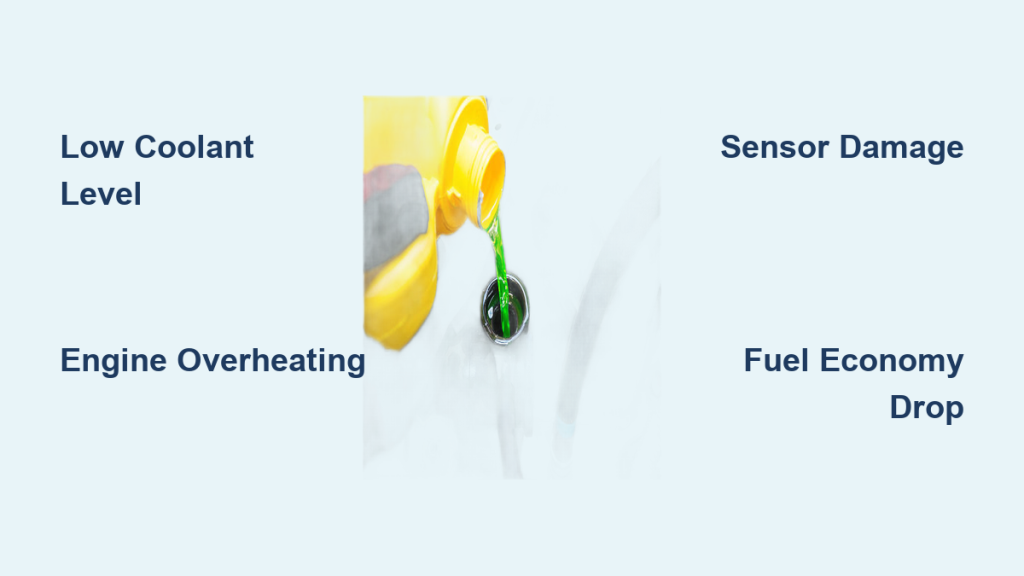
Yes—low coolant can significantly hurt your gas mileage. While coolant doesn’t directly burn fuel, it’s essential for keeping your engine at the right temperature. When coolant levels drop, the engine struggles to maintain optimal heat, throwing off the precise fuel-air balance the engine control unit relies on. This leads to inefficient combustion and higher fuel consumption, sometimes by as much as 25%. Real-world cases show drivers suddenly losing 5-8 mpg due to undetected coolant leaks affecting sensors and engine timing. If your fuel economy has dropped without explanation, low coolant could be the hidden culprit.
Ignoring the issue risks more than just fuel costs. Overheating, sensor damage, and long-term engine wear follow. The good news? Most problems are preventable with simple checks and timely repairs. This guide breaks down exactly how low coolant impacts fuel efficiency, the warning signs to watch for, and what to do step by step to fix it and restore your mileage.
How Engine Temperature Controls Fuel Efficiency
Coolant’s Role in Optimal Combustion
Your engine runs best between 195°F and 220°F. Within this range, fuel vaporizes completely, ignition timing is precise, and emissions stay low. Coolant ensures the engine stays in this sweet spot. When levels drop, temperature control fails, and the engine runs either too hot or too cold. Both extremes disrupt combustion in different ways.
When overheating occurs, pre-ignition (knocking) becomes a risk. The engine control unit detects this and delays spark timing to protect the engine. This protective response reduces power and efficiency. Conversely, when the engine runs too cold, it cannot switch to closed loop mode, which is the stage where real-time sensor data fine-tunes fuel delivery. Without proper coolant, your engine cannot reach or maintain the conditions needed for peak efficiency.
Open Loop vs Closed Loop Fuel Control

When you start a cold engine, it runs in open loop mode. The engine control unit uses preset fuel maps instead of live sensor feedback. These maps assume a cold engine and deliver a richer mixture to ensure smooth starts. This mode is inefficient by design, using more fuel than necessary.
Once the coolant reaches approximately 160-180°F, the coolant temperature sensor signals the engine control unit to switch to closed loop mode. Now the system uses data from oxygen sensors and the coolant temperature sensor to adjust fuel trim in real time, aiming for the ideal 14.7:1 air-fuel ratio. Low coolant prevents this switch from happening. Even if the engine is warm, air pockets or faulty sensor readings keep the system in open loop, wasting fuel unnecessarily.
CTS Failure from Air in the System
A low coolant level often means air pockets have entered the cooling system. If air surrounds the coolant temperature sensor, it reads cooler than the actual engine temperature. The engine control unit believes the engine is still cold and continues fueling rich.
This is not just theoretical. Users report sudden drops in fuel economy after small leaks. One 2001 Audi A6 owner saw a 25% drop in mileage, going from 400 to 290 miles per tank, due to an intermittent leak causing air in the system. The coolant temperature sensor likely misread the situation, delaying closed loop entry and burning excess fuel as a result.
Coolant Leaks That Damage Sensors
Radiator Leaks and O₂ Sensor Failure
A pinhole leak in the radiator may seem minor, but if it drips onto oxygen sensor wiring, it can cause major fuel economy problems. Coolant is corrosive to electrical connections. When it seeps into oxygen sensor connectors, the sensor stops cycling properly.
When the oxygen sensor cannot cycle, the engine control unit cannot get accurate exhaust feedback. This forces open loop operation, which means the engine runs less efficiently. User “Cool Mr Steve” reported a drop from 25-27 mpg to 19-20 mpg after a hairline radiator crack sprayed coolant on his oxygen sensor wiring. Even after fixing the leak, the sensor remained faulty and required replacement.
Diagnosing Coolant-Induced Sensor Damage

If you have fixed a leak but fuel economy has not improved, sensor damage is likely the culprit. Use an OBD-II scanner to check three key things.
First, check oxygen sensor voltage cycling. It should fluctuate between 0.1V and 0.9V every few seconds in closed loop mode. Second, check long-term fuel trim. Values above +10% indicate a consistently rich mixture. Third, check coolant temperature reading. Compare it to actual engine heat to see if it matches.
If the oxygen sensor is not cycling or the coolant temperature sensor reads abnormally low, replacement is likely needed, especially if coolant exposure occurred.
Warning Signs of Coolant-Related Fuel Loss
Poor Fuel Economy Without Obvious Cause
A sudden, unexplained drop in mpg is one of the first red flags. If you have not changed driving habits, tire pressure, or oil type, but your tank does not last as long, investigate the cooling system. Drops of 5-8 mpg are common with coolant issues.
Do not blame seasonal fuel blends alone. Winter gasoline is only about 2-3% less efficient. A 25% drop points to mechanical failure, not fuel quality.
Fluctuating Temperature Gauge
If your temperature gauge swings or creeps into the red zone, coolant is likely low or air is trapped. Overheating disrupts combustion and triggers protective responses from the engine control unit, like retarding timing, which hurts efficiency.
Heater Blows Cold or Erratic
The heater core uses hot coolant to warm the cabin. Low coolant or air pockets reduce heat output. If your heater alternates between hot and cold, it is a strong sign of a low coolant level or incomplete system bleed.
Sweet Smell or Visible Leaks
A syrupy, sweet odor under the hood or on the garage floor means antifreeze is leaking. Check these common leak locations.
• Radiator (top and bottom tanks)
• Hoses and clamps
• Water pump weep hole
• Around the thermostat housing
Even small drips add up, and air entering the system worsens sensor accuracy.
Check Engine Light with Key Codes
Scan for these common trouble codes linked to low coolant and poor fuel economy.
• P0125: Insufficient Coolant Temperature to Enter Closed Loop
• P0128: Coolant Thermostat Below Regulating Temperature
• P0117/P0118: Coolant Temperature Sensor Circuit Low/High Input
These codes confirm the engine control unit is not getting reliable temperature data, which keeps fueling inefficient.
Root Causes of Coolant Loss
External Cooling System Leaks
Most coolant loss comes from external leaks. Common sources include radiator cracks, especially in plastic end tanks. Hose failures from cracks, soft spots, or loose clamps also cause leaks. Water pump seal leaks from the weep hole indicate internal failure. Heater core leaks often show as damp carpets or fogged windows.
Pinhole leaks may only drip when hot, making them hard to spot. Pressure-test the system to find hidden leaks that are not visible to the eye.
Internal Leaks (Head Gasket Failure)
If coolant disappears with no visible leak, suspect a blown head gasket. Watch for these symptoms.
• White smoke from exhaust
• Bubbles in the radiator when engine runs
• Milky oil (rare, only if oil and coolant mix)
Internal leaks are serious and require immediate repair to prevent engine damage.
Poor Maintenance and Top-Off Neglect
Failing to check coolant levels during oil changes leads to gradual loss. Over time, this causes chronic underheating, poor fuel economy, and increased wear. Use the correct 50/50 mix. Never use pure water or straight coolant.
Step-by-Step Diagnosis and Repair
Check Coolant Level and Condition
Follow these steps to check your coolant properly.
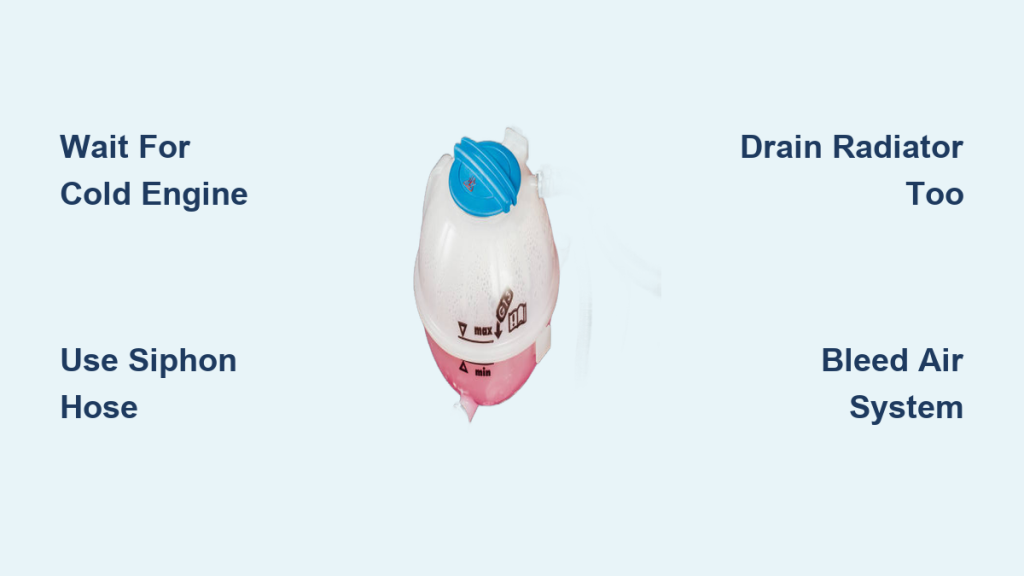
- Wait until the engine is cool before opening any caps.
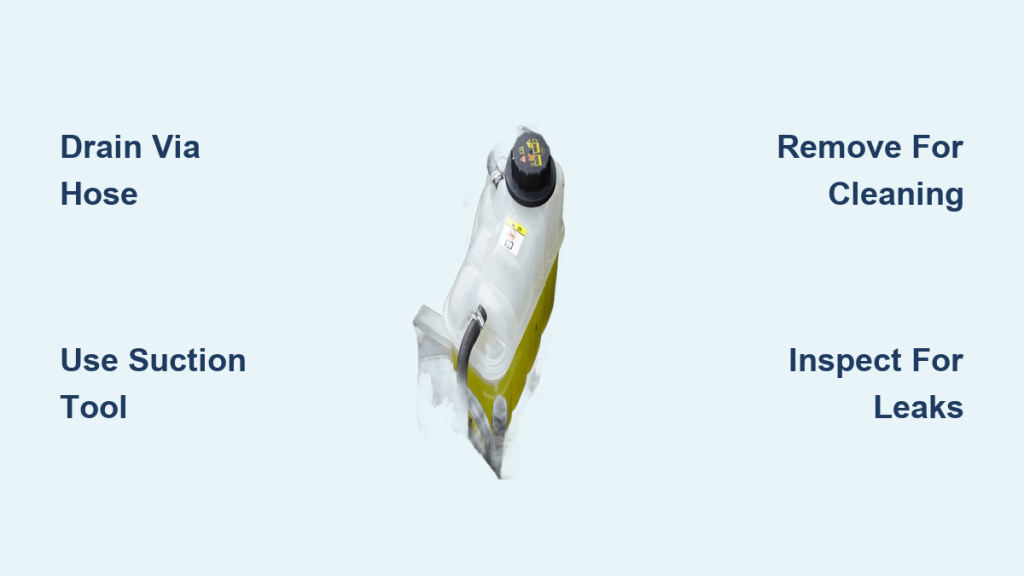
- Remove the radiator cap or reservoir cap carefully.
- Check that fluid level is between min and max marks.
- Inspect the color. It should be bright green, orange, or red depending on type. Murky or rusty fluid needs flushing.
Top off with the correct coolant type if the level is low.
Perform a Visual Leak Inspection
- Shine a flashlight under the vehicle.
- Look for dried or wet streaks on radiator fins, hose connections, water pump, and thermostat housing.
- Check the garage floor for puddles after overnight parking.
Use UV dye and a black light for stubborn leaks that are difficult to find.
Pressure Test the Cooling System
- Install a cooling system pressure tester on the radiator neck.
- Pump to the specified pressure, usually 13-18 psi.
- Hold for 10-15 minutes.
- If pressure drops, there is a leak somewhere in the system.
This test finds leaks that are invisible to the eye.
Scan for Trouble Codes
Use an OBD-II scanner to read stored codes and monitor live data. Pay attention to coolant temperature, oxygen sensor voltage, and short-term and long-term fuel trim values. If coolant temperature reads low while the engine is warm, suspect the coolant temperature sensor or air in the system.
Repair and Prevention Plan
Fix Leaks Before Replacing Sensors
Never replace the coolant temperature sensor or oxygen sensor first. If the leak is not fixed, new sensors will be exposed to coolant and air pockets will persist. The result? Fuel economy will not improve. Repair or replace the leaking component, whether radiator, hose, water pump, or other part, before moving on to sensors.
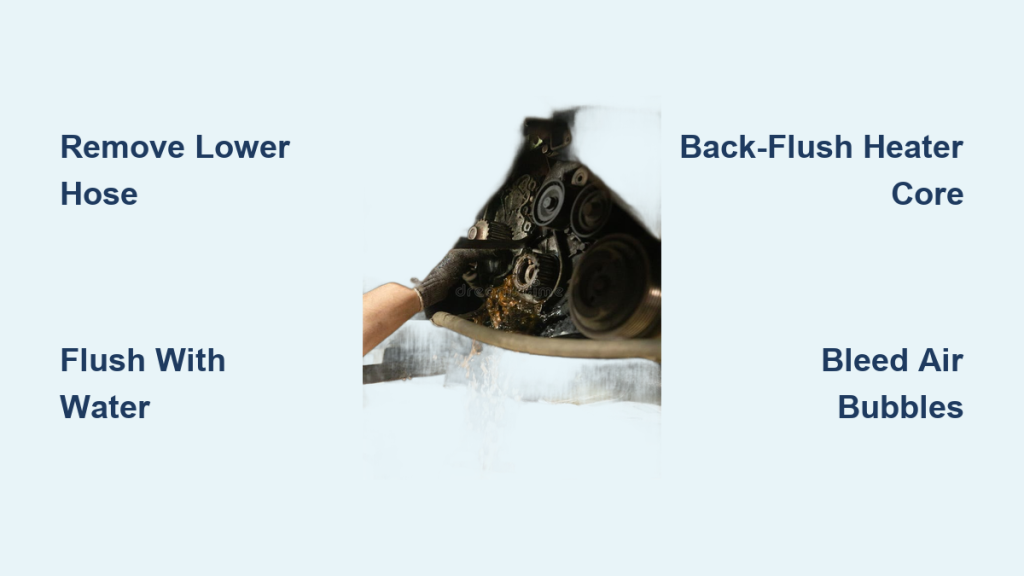
Bleed the Cooling System Thoroughly
Air pockets cause false sensor readings. After repairs, follow these steps.
- Fill the radiator completely.
- Run the engine with the radiator cap off until the thermostat opens (upper hose gets hot).
- Squeeze hoses to release trapped air.
- Top off coolant as air escapes.
- Repeat until no bubbles appear.
Some vehicles have bleed screws. Use them according to manufacturer instructions.
Replace Thermostat and CTS as Needed
Replace the thermostat every 60,000-100,000 miles or if it is stuck open (engine runs cold) or closed (overheats). Replace the coolant temperature sensor if readings are inconsistent or code P0117/P0118 appears. Use OEM-quality parts for reliability.
Replace Damaged O₂ Sensors
If an oxygen sensor was exposed to coolant, it may not fail immediately but will degrade over time. Replace with an OEM-style sensor that includes factory connectors and seals. Avoid universal sensors unless properly crimped and sealed.
Prevent Fuel Loss with Routine Care
Maintain Proper Coolant Levels
Check coolant every oil change. Top off with the correct 50/50 mix. Never mix coolant types, as this can cause gelling and corrosion.
Flush the System Regularly
Every 30,000-60,000 miles, perform these steps.
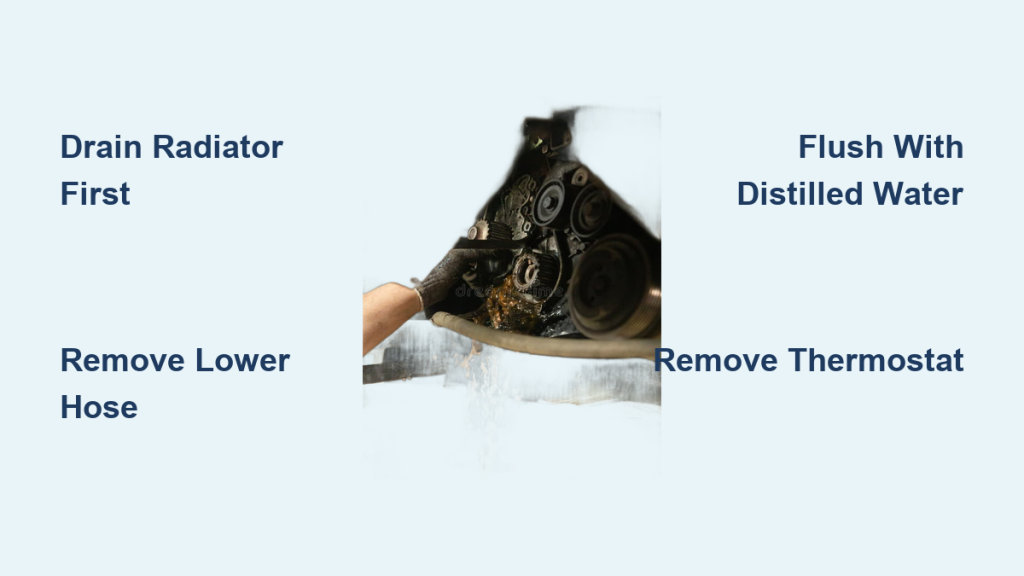
• Drain old coolant
• Flush with water or cleaning solution
• Refill with fresh 50/50 mix
This prevents rust, scale, and thermostat failure.
Monitor Tire Pressure
Low tire pressure increases rolling resistance and reduces mpg. Check monthly. Use the psi listed in the door jamb, not the tire sidewall.
Use Seasonal Fuel Wisely
Winter gasoline has lower energy content but should not cause drastic mpg drops. If your mileage falls more than 3-5%, look for mechanical issues rather than fuel quality.
Frequently Asked Questions About Low Coolant and Gas Mileage
Can low coolant cause a drop in fuel economy?
Yes. Low coolant prevents the engine from reaching optimal operating temperature, which delays or prevents the transition to closed loop fuel control. This forces the engine control unit to run a richer fuel mixture, increasing fuel consumption by up to 25% in documented cases.
How do I know if low coolant is affecting my gas mileage?
Watch for a sudden, unexplained drop of 5-8 mpg or more. This often coincides with other symptoms like a fluctuating temperature gauge, heater blowing cold or erratic, sweet antifreeze odor, or check engine light with specific trouble codes like P0125 or P0128.
Can a coolant leak damage oxygen sensors?
Yes. Coolant can drip onto oxygen sensor wiring and connectors, causing electrical faults. This prevents the sensor from cycling properly, which means the engine cannot enter closed loop mode. In one case, fuel economy dropped from 25-27 mpg to 19-20 mpg due to this exact issue.
Should I replace sensors after fixing a coolant leak?
Not immediately. Fix the leak first, then bleed the cooling system thoroughly. Only replace sensors if fuel economy does not improve or if diagnostic scans show faulty readings. Coolant exposure may have damaged sensors, but address the root cause first.
How often should I check coolant levels?
Check coolant every time you change your oil, which is typically every 3,000-5,000 miles. Regular checks catch small leaks before they cause sensor damage or major engine problems.
What is the 50/50 coolant mix and why does it matter?
A 50/50 mix is half coolant and half water. This ratio provides optimal heat transfer and freeze protection. Using pure coolant or pure water can cause overheating, freezing, or corrosion. Always use the type specified in your owner’s manual.
Key Takeaways for Protecting Your Gas Mileage

Low coolant does not just risk overheating. It directly undermines fuel economy by disrupting engine temperature control and sensor operation. The path to restoring mileage starts with checking coolant levels, fixing leaks, bleeding the system, and replacing damaged sensors. Real-world cases show drops of up to 25% from coolant-related issues, making this a more significant factor than most drivers realize.
Regular maintenance prevents these problems. Check coolant levels at every oil change. Address any leaks immediately, no matter how small. Bleed the system thoroughly after repairs to eliminate air pockets that cause sensor errors. Replace the thermostat and coolant temperature sensor if readings are inconsistent or if trouble codes appear.
Do not wait for the check engine light. Stay ahead of cooling system problems to protect both your engine and your wallet. A few minutes of preventive care can save hundreds in fuel costs and expensive repairs down the road.