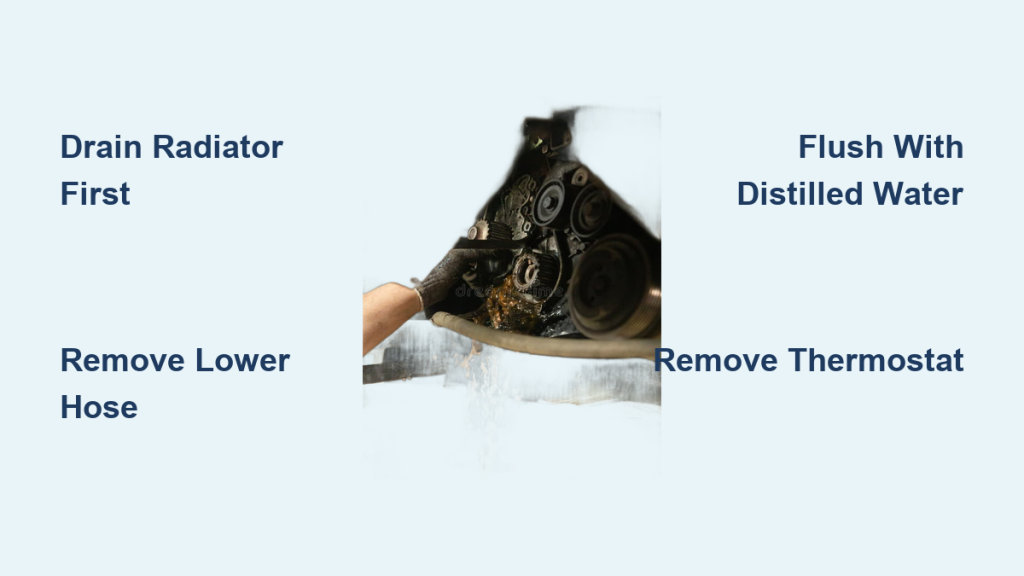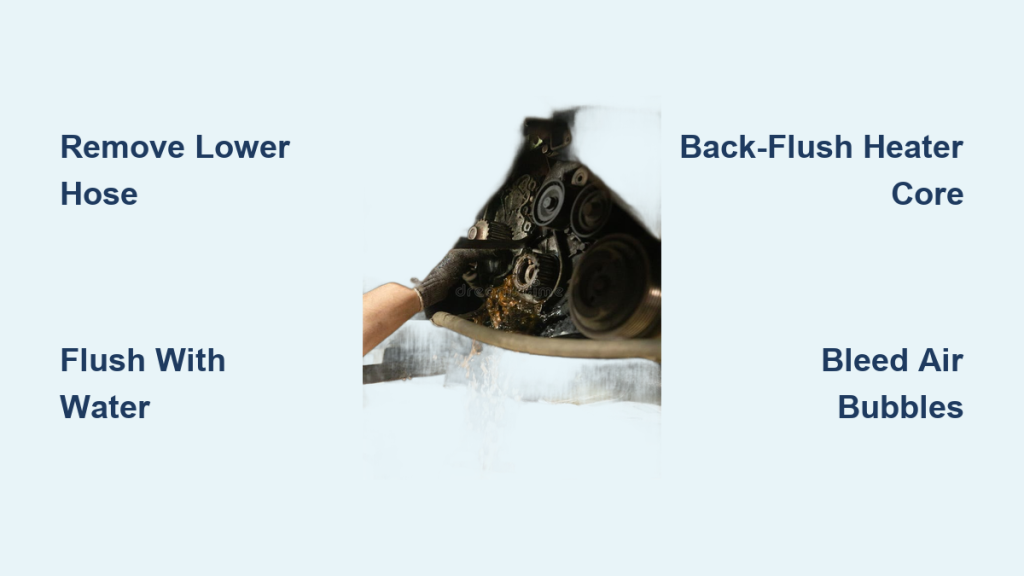

Yes, coolant does expand when heated, and this expansion is not a minor detail but a fundamental principle that keeps your engine from overheating. Many drivers misunderstand this concept because home experiments with a plastic bottle in boiling water fail to replicate the real-world conditions inside a sealed, pressurized cooling system. The confusion leads to misdiagnosis of coolant leaks and unnecessary repairs.
This article cuts through the myths with clear science, practical diagnostics, and maintenance steps. You will learn how expansion tanks manage thermal changes, why coolant levels fluctuate normally, and how to distinguish harmless behavior from serious problems that require immediate attention.
Why Coolant Expands: The Science Behind Thermal Dynamics
All liquids expand when heated due to increased molecular motion, and coolant is no exception. While liquids do not expand as dramatically as gases, the thermal expansion in coolant is measurable and critical for engine operation.
Key Expansion Facts
A 50/50 mix of ethylene glycol and water expands by approximately 3–5% from cold start to full operating temperature, which typically reaches 90–105°C. This percentage might seem small, but in a 7-liter cooling system, that represents over 300 ml of extra volume. Without proper accommodation, this expansion would flood engine compartments or rupture hoses.
Water expands about 4% from 0°C to 100°C, while ethylene glycol expands slightly less. The 50/50 mixture falls between these values, but the expansion is significant enough to require engineered management through expansion tanks and pressure control systems.
Why Home Experiments Fail
A small container at atmospheric pressure will not show visible bulging because the test lacks two critical factors present in actual engines. First, real systems operate under 15–18 psi pressure, which raises the boiling point from 106°C to 129°C or higher. Second, the total volume of coolant circulating through the engine block, radiator, heater core, and hoses typically ranges from 5 to 15 liters, creating substantial force during thermal cycling.
How Expansion Tanks Manage Coolant Volume

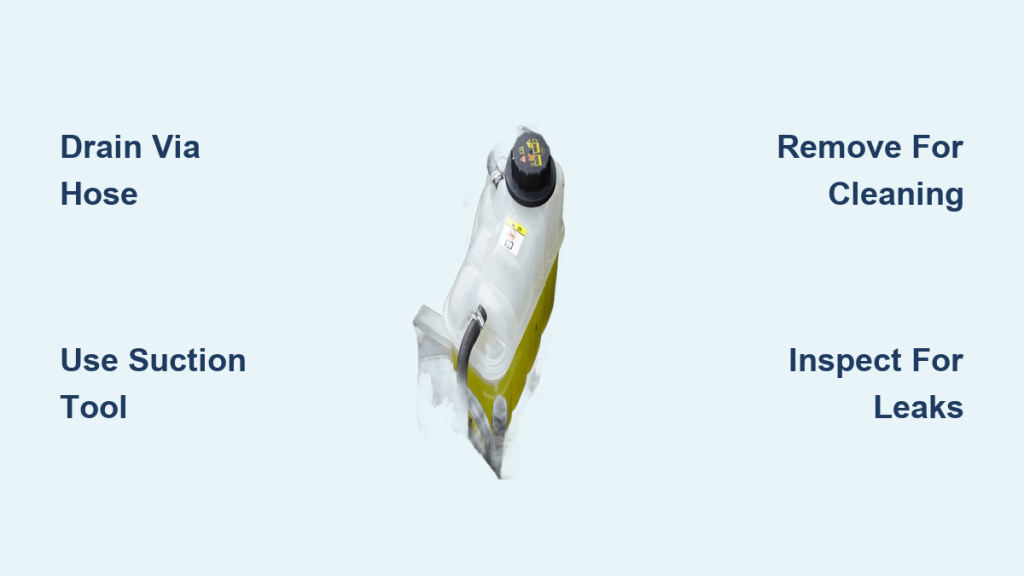
The expansion tank is not merely an overflow container but a dynamic reservoir that performs four essential functions for your cooling system.
Primary Functions of the Expansion Tank
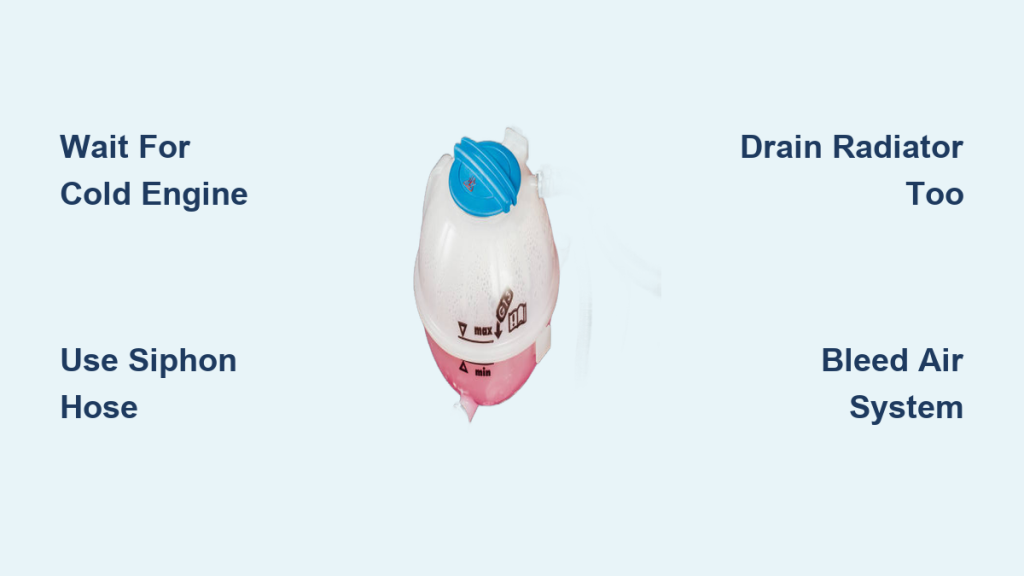
The tank stores excess coolant during thermal expansion and returns it during contraction, maintaining a sealed system that prevents air from entering. It also allows trapped air to escape gradually during warm-up cycles. Without this reservoir, pressure would build uncontrollably, leading to hose bursts or warped engine components.
The common name “overflow tank” undersells its functional importance. It is an integral part of the pressurized cooling circuit, not just a waste bin for excess fluid.
Two Types of Expansion Systems Explained

Modern vehicles use one of two primary designs, each with distinct operational characteristics and maintenance requirements.
Pressurized Radiator Cap with Unpressurized Tank
This traditional design appears in many Honda, Toyota, older BMW, and most American vehicles. The radiator cap is pressurized, typically holding 15–18 psi, while the expansion tank has a vented, soft cap with small vent holes.
When the engine heats up, coolant expands and pushes into the tank. As the engine cools, vacuum pulls coolant back into the radiator, but only if no air is trapped in the system. The vented cap allows slow evaporation over time, which explains why coolant levels often drop from “max” to “min” within weeks in these vehicles, even without any leaks.
Pressurized Expansion Tank Design
This modern approach appears in newer BMW models (E60+), second-generation Toyota Fortuner, and many European vehicles. The key difference is that there is no radiator cap. Instead, pressure regulation occurs at the expansion tank itself, which remains sealed and pressurized.
The tank features a built-in pressure-relief valve that opens only when system pressure exceeds safe limits. This design minimizes evaporation and coolant loss while making the tank the weakest point in the system, protecting hoses, seals, and plastic housings from rupture. Never open this type of reservoir when the engine is hot, as pressure can cause violent coolant ejection.
Normal vs. Abnormal Coolant Level Changes
Understanding what constitutes normal behavior helps you catch real problems early and avoid unnecessary concern.
Expected Behavior
Coolant level rises when the engine is hot and falls when cold. Always check the level when the engine is cold and the vehicle is parked on level ground. A slight drop over months may indicate normal evaporation, especially in vented tank systems. The key is consistency: coolant should move between the radiator and tank during daily driving cycles without persistent loss.
Warning Signs of Trouble
Coolant that disappears monthly indicates a problem requiring investigation. Watch for external leaks, internal leaks from head gasket failure, a faulty pressure cap, or trapped air pockets after coolant service. Any consistent drop in cold-level coolant warrants diagnosis because coolant, unlike fuel, is not consumed during normal operation.
Common Causes of Coolant Loss
When coolant disappears, the cause usually falls into one of several categories. Understanding these helps you diagnose the problem efficiently.
External Leaks
External leaks often appear at high-stress points throughout the engine bay. The water pump weep hole shows wetness below the pulley. The thermostat housing is a common failure point. Radiator seams and plastic tanks crack with age. Hose connections, especially heater hoses in tight spaces, deteriorate over time. Coolant elbows and Y-pipes made of brittle plastic fail under repeated heat cycles.
Look for white or pink crusty residue near fittings, which indicates dried coolant. Even tiny leaks can cause significant issues over time, and coolant can evaporate on hot surfaces or be blown off by airflow, leaving no visible puddles.
Internal Leaks
Internal leaks represent serious engine damage. Coolant entering combustion chambers or oil passages causes symptoms distinct from external leaks. Watch for white exhaust smoke that persists after the engine warms up, a milky appearance on the engine oil dipstick or valve cover, bubbles in the expansion tank while the engine runs, or overheating despite a full coolant reservoir.
The root causes include a blown head gasket, cracked cylinder head, or warped engine block. A hard upper radiator hose when the engine is cold indicates combustion gas intrusion into the cooling system.
Failing Radiator Cap
The radiator cap is a precision pressure regulator, not merely a cover. A weak cap causes the boiling point to drop, leading to early coolant boiling and vapor escape. This creates a false impression of coolant loss when no actual leak exists. Replace caps every five years or after any overheating event. Use a cap pressure tester to verify proper function.
Air Pockets After Service
Improper bleeding leaves trapped air in the system. Air expands more than liquid when heated, causing erratic reservoir levels, overheating in specific engine zones, poor heater performance, and false high-pressure readings. Always use bleed screws while warming the engine or employ a vacuum fill tool for complete air removal after any coolant service.
Step-by-Step Diagnosis for Coolant Disappearance
Follow this diagnostic sequence to pinpoint the cause without guesswork.
Step 1: Verify Check Conditions
Ensure the engine is cold, the vehicle is on level ground, and wait at least three hours after shutdown before checking. The correct fill range is between the “min” and “max” cold marks on the reservoir. Checking when hot or on an incline produces misleading results.
Step 2: Visual Inspection
Use a flashlight and mirror to inspect hard-to-see areas. Look for wetness, stains, or crusty deposits around the radiator base and seams, water pump weep hole, thermostat housing, heater hoses, and plastic coolant pipes. Inspect the undercarriage for dried coolant trails.
Step 3: Pressure Test the System
Attach a cooling system pressure tester to the radiator neck (or expansion tank on newer models). Pressurize to the cap rating, typically 15 psi, and hold for 10–15 minutes. Any pressure drop indicates a leak requiring further investigation. Add UV dye if the leak is not immediately visible.
Step 4: Test the Cap
Use a radiator cap pressure tester to verify the cap holds its rated pressure. Pump to the specified pressure and hold for at least one minute. Replace the cap if it fails to maintain pressure. A faulty cap is often the culprit in “coolant loss” cases, and a $15 replacement fixes the issue.
Step 5: Check for Combustion Gases
Use a block tester kit with blue fluid. Fill the radiator neck with the test fluid and run the engine at 2,500 RPM. If the fluid turns yellow or green, hydrocarbons are present, confirming combustion gas intrusion from a head gasket failure or crack.
Step 6: Evaluate Refill Pattern
Monitor how fast coolant drops, whether the heater works properly, and if overheating occurs. Gradual loss suggests evaporation. Rapid loss indicates a leak or internal consumption. No visible leak with clean oil and normal exhaust suggests evaporation, while rapid loss with oil contamination points to internal damage.
Best Practices for Coolant Maintenance
Recommended Actions
Check coolant level every three to four weeks, always when the engine is cold. Use only the manufacturer-specified coolant type, whether OAT, HOAT, G12++, or another formulation, and never mix different chemistries. Replace coolant per the owner’s manual, typically every five years or 100,000 miles. Burp the system after any coolant work by running the engine with bleed screws open or using a vacuum fill tool. Inspect the tank and hoses regularly, replacing cracked or swollen parts promptly.
Mark the reservoir with tape when full to track slow drops over time.
Mistakes to Avoid
Never overfill the reservoir, as this leaves no room for expansion and can cause hose bursts or tank cracks. Avoid topping off with plain water regularly, as this dilutes corrosion inhibitors and raises the freezing point. Do not ignore slow drops, as early detection prevents expensive engine repairs. Remember that the reservoir only shows reserve capacity, not the total system level.
Real-World Scenarios Decoded
Scenario: Coolant Drops Slowly Over Months
This pattern indicates likely evaporation in a vented overflow tank. No external leaks exist, the cap holds pressure, and oil and exhaust appear normal. Top up annually and consider upgrading to a sealed system if available for your vehicle.
Scenario: Level Drops Daily, Rises When Cap Opened
This behavior suggests air lock or a blocked return hose. When hot, coolant pushes into the tank, but the vacuum cannot pull it back when cooling because trapped air or a kinked hose blocks the return path. Opening the cap releases the vacuum, allowing atmospheric pressure to push coolant back into view. Check the return hose for kinks and clean or replace the reservoir cap vent.
Scenario: Topping Off After Bleeding
For vented tanks, fill to the cold mark when the engine is cold. For pressurized tanks, filling may require the engine running at operating temperature, so consult your service manual. Never fill to the brim after bleeding, as expansion needs space.
Technical Specifications at a Glance
| Parameter | Value | Notes |
|---|---|---|
| Coolant expansion | 3–5% | From cold to operating temperature |
| System pressure | 15–18 psi (1.0–1.2 bar) | Raises boiling point by approximately 25°C |
| Boiling point (pressurized) | Up to 129°C | Versus 106°C unpressurized |
| Reservoir fill range | Min to max (cold) | Never exceed maximum |
| Common cap ratings | 1.1 bar, 1.4 bar, 18 psi | Must match OEM exactly |
Frequently Asked Questions About Coolant Expansion
Does coolant actually expand when the engine heats up?
Yes, coolant expands by approximately 3–5% when heated from cold to operating temperature. This thermal expansion is a fundamental physical property that cooling systems are designed to accommodate through expansion tanks and pressure control.
Why did my home test show coolant not expanding?
Home experiments with loosely capped bottles fail because they lack system pressure and the large total volume present in actual engine cooling systems. Real systems operate at 15–18 psi, which affects how fluids behave when heated.
Is it normal for coolant level to drop over time?
In vented expansion tank systems, gradual drops due to evaporation are normal. However, rapid or consistent drops indicate a leak, faulty cap, or internal problem. Coolant is not consumed like fuel, so any persistent loss requires investigation.
How does the expansion tank prevent engine damage?
The expansion tank stores excess coolant during thermal expansion and returns it during contraction. This maintains proper fill levels, prevents air from entering the system, and allows trapped air to escape, protecting the engine from overheating and pressure damage.
Can a bad radiator cap cause coolant loss?
Yes, a failing radiator cap cannot maintain proper system pressure, lowering the coolant’s boiling point. This causes coolant to boil and vent as vapor, creating the appearance of coolant loss even when no actual leak exists.
Should I ever fill the expansion tank to the brim?
No, never overfill the reservoir. Always leave room for thermal expansion. For vented tanks, fill to the cold mark when the engine is cold. For pressurized tanks, follow the manufacturer’s specific procedure, which may require filling while the engine runs.
Final Takeaways on Does Coolant Expand
Yes, coolant expands when heated, and your vehicle’s cooling system depends on this fundamental physical principle. The expansion tank exists specifically to manage this natural behavior safely and efficiently.
Remember that coolant is not fuel. It does not get consumed during normal operation. Any consistent drop in cold-level coolant means something is escaping through a leak, evaporation, or internal damage. A faulty radiator cap is often the culprit in mysterious coolant loss cases, and replacing this inexpensive component solves many supposed “leak” problems.
Stay proactive by checking coolant monthly, respecting system pressure, and addressing any persistent level drops promptly. Understanding the science of thermal expansion helps you avoid misdiagnosis, prevent overheating, and protect your engine from catastrophic failure.