If you find yourself topping off your coolant more often during summer, you might ask yourself: does coolant evaporate in hot weather? The short answer is not really, at least not the way most people think. While it may seem like coolant disappears on its own in high temperatures, true evaporation from a properly sealed cooling system is minimal. What you are likely seeing is small, pressure-driven losses through the overflow tank, especially when the engine heats up and the system vents excess pressure.
Coolant operates in a closed, pressurized loop designed to retain fluid under all normal conditions. However, in hot climates or after repeated thermal cycling, minor fluid loss can occur due to vapor escape during venting, micro-leaks, or component wear. This article breaks down exactly how and why coolant levels drop, what is normal versus dangerous, and how to tell if your vehicle has a real problem.
Normal Coolant Loss in Hot Weather
It is normal to lose 100 to 500 milliliters of coolant every three to six months, especially in hot weather or stop-and-go driving. This small loss is not due to bulk evaporation but results from system breathing, a natural process where pressure buildup forces coolant into the overflow tank, and some vapor escapes through the cap.
In a typical six to twelve liter cooling system, losing 300 milliliters represents just 2.5 to five percent of total volume, well within acceptable limits. If your car does not overheat, shows no warning lights, and only needs topping off occasionally, the loss is likely benign, especially in older vehicles with aging seals or plastic components.
What Causes Minor Non-Leak Loss
Even without leaks, coolant levels can drop slightly due to several normal factors.
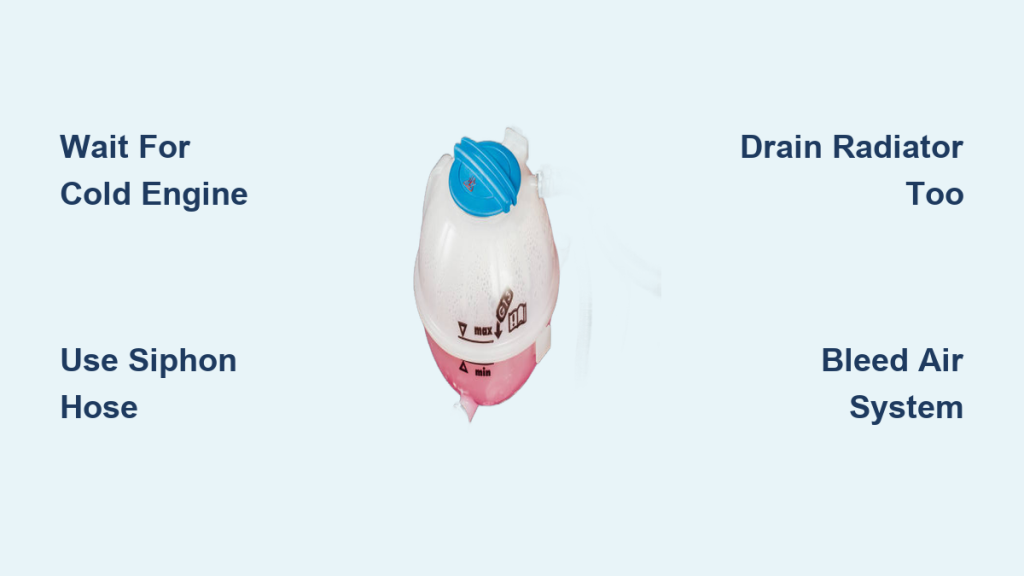
Overflow tank venting occurs when the engine heats up, coolant expands and flows into the reservoir. When pressure exceeds the cap is rating, typically 13 to 18 psi, vapor and small amounts of liquid are released.
Air pocket purging happens after a coolant refill. Trapped air compresses and gradually escapes, causing the level to drop once the engine cools. This mimics fluid loss but resolves after proper bleeding.
Micro-seepage means tiny amounts of coolant may weep from hose connections or gaskets without forming puddles, often leaving behind white or crusty residue.
Surface drying occurs when spilled or overflowed coolant wicks into nearby materials and evaporates without visible pooling.
How Heat Affects the Cooling System
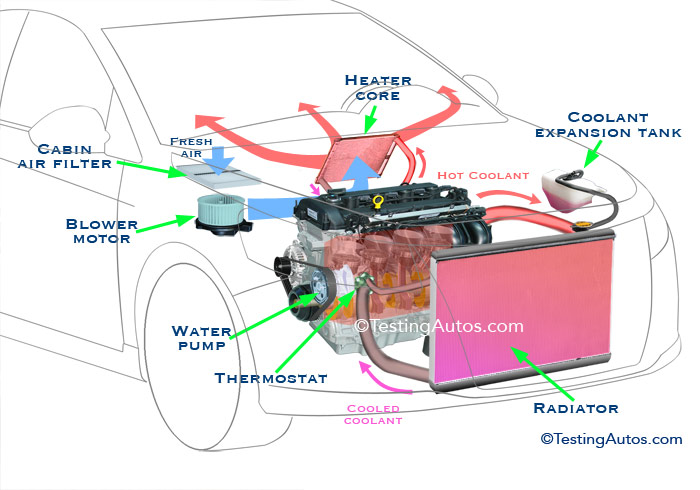
When your engine runs, coolant absorbs heat and expands, sometimes by up to 20 percent in volume. The pressurized system raises the boiling point, typically to 250 to 270 degrees Fahrenheit, to prevent boiling under load. But when pressure exceeds the radiator cap is limit, the system vents excess fluid and vapor into the expansion tank.
In hot weather, ambient heat increases baseline coolant temperature, engines reach peak temps faster, and more frequent heating and cooling cycles cause repeated venting. Older caps or degraded hoses are more prone to seepage. This cycle explains why some vehicles lose coolant faster in summer, even without mechanical failure.
Radiator Cap Function in High Heat
The radiator cap is a critical component that maintains system pressure. A weak or aged cap may not seal properly, causing premature venting at lower pressures, reduced boiling point, and increased vapor loss.
A faulty cap is one of the most common causes of slow coolant loss and one of the cheapest to fix. Caps should be replaced every three to five years or during coolant flushes to ensure reliable sealing.
Pro Tip: If you are losing coolant but see no leaks, test or replace the radiator cap first. It solves up to 20 percent of minor loss cases.
Signs of Abnormal Coolant Loss

Occasional topping off is expected over time. But if you are adding coolant every few weeks or monthly, that is a warning sign. Abnormal loss includes more than 500 milliliters lost per month, needing to add coolant weekly, or losing over one liter in days. These levels indicate a leak, internal failure, or system defect, not normal evaporation.
Key Warning Symptoms to Watch For
Watch for these red flags that indicate a serious problem.
Sweet smell from exhaust or cabin means burning coolant is present.
White steam from the tailpipe, especially at startup, signals coolant is entering the combustion chamber.
Milky oil or chocolate-mousse-like residue under the oil cap indicates coolant is mixing with engine oil.
Overheating gauge spikes or frequent fans-on alerts mean the system is struggling to regulate temperature.
Foggy windows or damp floor mats suggest a leaking heater core.
Rough idle or misfires occur when coolant enters the combustion chamber.
Any of these symptoms require immediate diagnosis. Delaying repair risks engine warping, head gasket failure, or total breakdown.
Common Causes of Coolant Disappearance
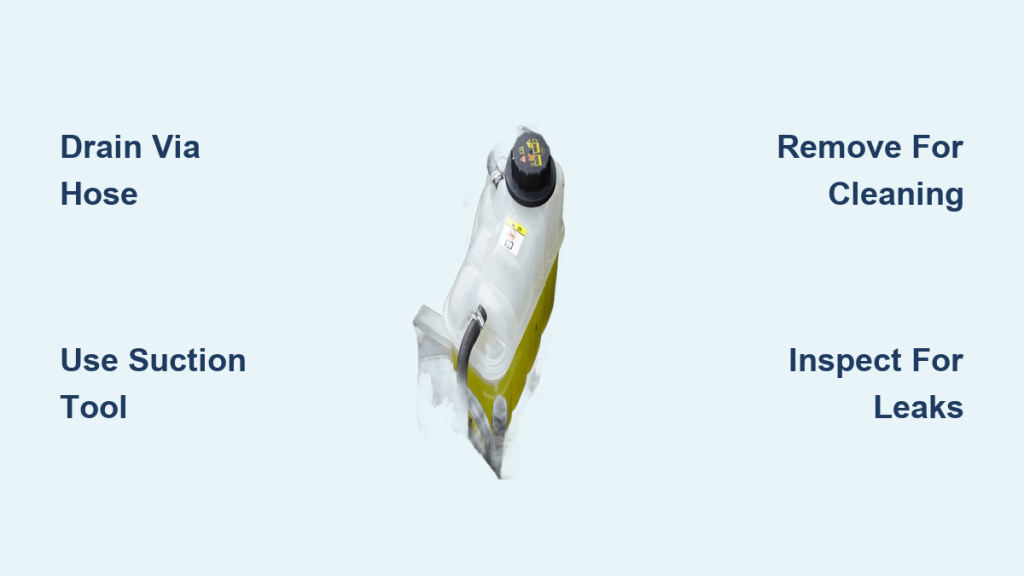
Even small external leaks can cause steady fluid loss. Common failure points include the radiator with cracks in tanks or pinholes, hoses and clamps that are swelling or cracking, the water pump with drips from the weep hole, the expansion tank with hairline cracks, and the radiator cap with coolant on threads or poor seal.
A pressure test, available as a DIY kit or shop service, can confirm external leaks by pressurizing the cold system and monitoring for drops or seepage.
Internal Leaks: No Puddles, Big Problems
Internal leaks are stealthier and more dangerous. Coolant escapes into areas where it should not be, often getting burned off or mixing with oil.
Blown head gasket is one of the most common internal failures. Combustion gases enter the cooling system, pushing coolant out through the overflow. Symptoms include white exhaust smoke, bubbling in the reservoir when the engine runs, overheating after short drives, and a positive combustion leak test.
Cracked engine block or head is less common but more severe. Hairline fractures allow coolant into cylinders or oil passages, often triggered by chronic overheating. Diagnosis requires pressure testing, cylinder leak-down test, or borescope inspection.
Leaking heater core causes coolant to seep into the cabin HVAC system, leading to sweet odor inside the car, fogged windshield, and wet floor mats. This is often mistaken for AC condensation, but the smell is a dead giveaway.
Diagnosing Coolant Loss: Step-by-Step
You do not need a mechanic to start diagnosing. Follow these steps to identify the problem yourself.
Visual Inspection
Check the engine bay for wet spots, dried residue, or crust near hoses, radiator, and cap. Inspect the underside of the hood for splashed coolant. Look at the oil dipstick. Milky appearance means coolant is in the oil.
Check Radiator Cap Seal
Remove the cap when cold and inspect the rubber gasket for cracks or warping. Replace if over three years old or suspect.
Monitor Reservoir Behavior
Fill to the cold line, run the engine until hot, then let it cool completely. Recheck the level. A small drop is normal. A large drop suggests air pockets or leaks.
Use UV Dye
Add fluorescent coolant dye, run the engine, then scan with a black light to detect invisible leaks.
Perform a Pressure Test
Attach a hand-pump pressure tester to the radiator neck, pressurize to spec, and watch for pressure drop or leaks. A stable reading for 15 minutes or more means no major external leaks.
Expert Note: Professional mechanics also use combustion leak testers to detect hydrocarbons in coolant, thermal imaging to find blockages or uneven cooling, and borescope inspection to check for internal cracks.
Preventing Unnecessary Coolant Loss
The ideal coolant mix is 50 percent ethylene glycol and 50 percent water unless your manual specifies otherwise. Using too much water lowers the boiling point and increases corrosion. Using too much glycol reduces heat transfer efficiency and thickens the fluid. Use a coolant tester to check freeze and boil protection annually.
Replace Worn Components Early
Prevent small issues from becoming big repairs by replacing parts at these intervals.
Radiator cap should be replaced every three to five years.
Coolant hoses should be replaced every five to ten years or if cracked.
Thermostat should be replaced with coolant flush or if sticking.
Coolant itself should be replaced every two to five years, checking your owner’s manual.
Flushing the system removes rust, scale, and old inhibitors that degrade protection.
Avoid Mixing Coolant Types
Coolant formulations like OAT, HOAT, and IAT are not always compatible. Mixing them can form gel-like sludge, clog passages, and reduce corrosion protection. Always use the manufacturer-recommended type, usually listed on the reservoir cap or in the manual.
Hot Weather Driving Tips
High temperatures increase strain on the cooling system. Protect your engine with these habits.
Avoid short trips in extreme heat. The engine does not stabilize, promoting air pockets.
Limit idling with AC on. This increases heat load on the engine.
Park in shade or use a sunshade to reduce soak temperature.
Monitor More Frequently in Summer
Check coolant levels monthly during hot seasons, especially if you drive in traffic-heavy areas, your vehicle is over seven years old, or you have had past overheating issues. Early detection prevents costly repairs.
When to Seek Professional Help
You need immediate professional service if coolant loss requires weekly top-offs, you notice white exhaust smoke, the temperature gauge spikes, there is milky oil or engine misfires, or a combustion leak test is positive. These indicate active internal failure, and delaying repair risks engine replacement.
Cost of Waiting
A 20 dollar radiator cap or 150 dollar coolant flush can prevent a 1,500 dollar head gasket repair, a 3,000 dollar engine rebuild, or catastrophic hydrolock or warped block. Fix small problems early. They rarely fix themselves.
Frequently Asked Questions About Coolant Evaporation in Hot Weather
Does coolant actually evaporate like water in hot weather?
No, true evaporation inside a sealed cooling system is negligible. Coolant is contained in a pressurized, closed-loop system. Apparent loss in hot weather comes primarily from pressure relief venting through the expansion tank, not from evaporation like water in an open container.
How much coolant loss is normal in summer?
Losing 100 to 500 milliliters over three to six months is typically normal. This represents just a few percent of total system volume. Anything requiring weekly additions or losing over 500 milliliters per month indicates a problem.
Why do I need to top off coolant more often in summer?
Hot weather increases thermal expansion and pressure buildup, causing the system to vent more frequently through the overflow tank. Older vehicles, worn caps, and frequent short trips all accelerate this minor loss. It is not evaporation but pressure-induced vapor release.
Can a bad radiator cap cause coolant loss in hot weather?
Yes. A faulty radiator cap fails to maintain proper system pressure, lowering the coolant boiling point and allowing premature venting. This is one of the most common causes of slow coolant loss and one of the cheapest fixes.
What are the signs of a serious coolant leak versus normal loss?
Normal loss has no symptoms besides occasional topping off. Serious leaks cause sweet smells, white exhaust smoke, milky oil, overheating, foggy windows, or visible puddles. If you notice any of these, diagnose immediately.
How do I know if my coolant loss is internal rather than external?
Internal leaks often show no external puddles. Check for white exhaust smoke, sweet cabin odor, milky oil, or bubbling in the reservoir. A combustion leak test or pressure test can confirm internal failures like a blown head gasket.
Key Takeaways for Managing Coolant in Hot Weather
Coolant does not evaporate like water in open air. In hot weather, minor loss occurs due to system venting and vapor escape, not passive drying. Losses under 500 milliliters every three to six months are usually normal. But frequent top-offs, overheating, or sweet smells mean trouble. Monitor your levels regularly, replace aging parts like the radiator cap every few years, and act fast when symptoms appear. Your engine depends on a properly functioning cooling system, and addressing small problems early prevents expensive repairs down the road.