
You notice the coolant level in your reservoir is lower than before, again. You haven’t seen any leaks, yet the fluid keeps disappearing. Is it evaporating? After all, it’s under the hood in scorching summer heat. But coolant systems are sealed for a reason. The truth is, coolant does not evaporate like water, but some fluid loss is normal, and significant drops signal trouble.
Coolant is typically a 50/50 blend of ethylene glycol and water. While the ethylene glycol component doesn’t evaporate under normal conditions due to its high boiling point (387°F), the water portion can vaporize, especially under high heat or pressure. What looks like evaporation is often minor water loss, micro-leaks, or early signs of system failure. Ignoring it risks overheating, head gasket damage, or engine warping.
In this guide, you’ll learn the real causes of coolant loss, how to tell normal from dangerous drops, and what to do next before your engine pays the price.
Normal Coolant Loss: What to Expect
Small Drops Are Expected
All cooling systems lose a tiny amount of coolant over time. Losing up to 2-3 ounces (60-90 mL) per year is considered normal. This minor loss comes from:
- Micro-permeation through rubber hoses (coolant seeps slowly through aging material)
- Trace vapor escape during pressure relief (when the cap vents excess pressure)
- Thermal expansion and contraction cycles (especially in extreme climates)
This level of loss does not require repair. Just routine checks and topping off during oil changes.
When Loss Is Not Normal
If you are refilling coolant monthly or more often, the system has a problem. Abnormal loss points to leaks, cap failure, or internal engine issues. Do not dismiss it as evaporation. Your engine could be at risk.
Why Coolant Loss Looks Like Evaporation
The Water Fraction Vaporizes
Pure ethylene glycol has a boiling point of 387°F, far higher than normal operating temperatures. The water in your coolant mixture boils at 212°F. Under high heat or pressure, the water portion can gradually vaporize while the antifreeze remains.
This is why what appears to be evaporation is actually water loss. The system is sealed, but tiny amounts of steam can escape through degraded seals or during pressure venting.
Heat Accelerates Fluid Loss
High underhood temperatures, common in summer or heavy traffic, raise internal pressure and stress system components. When temperatures exceed 200°F, even properly sealed systems experience increased vaporization of the water fraction.
Park in direct sunlight? Underhood temps can climb even higher, increasing stress on hoses, seals, and the reservoir itself.
Hot Weather Impact on Your Cooling System
Heat Increases System Stress
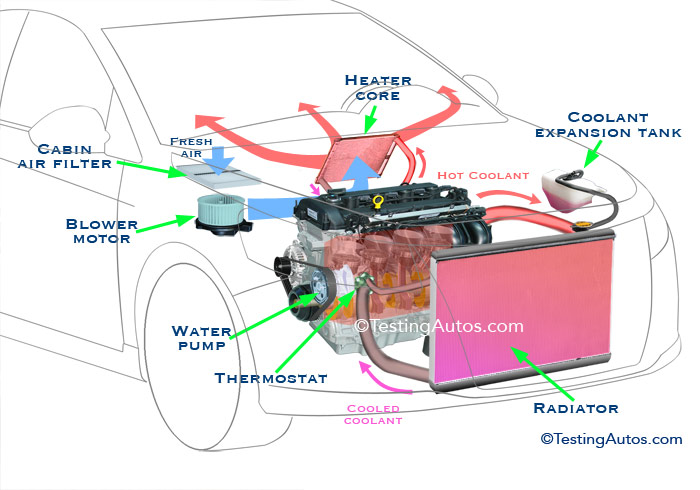
Summer conditions expose weaknesses in aging cooling systems. The heat causes:
- Degraded radiator caps to lose pressure-holding ability
- Rubber hoses to expand, contract, and eventually crack
- Plastic reservoirs to become brittle and crack at seams
This thermal cycling accelerates wear and can turn minor issues into major leaks.
Sun Exposure Consequences
UV rays degrade plastic reservoirs and rubber hoses over time. Even brief daily exposure adds up, leading to:
- Brittle, cracked reservoir tanks
- Loose hose connections
- Cap seal failure
Pro tip: Use a sunshade or park in shade to reduce underhood temps by 20-30°F and extend component life.
Reservoir Cap and Pressure Role
The Cap Maintains Boiling Point
The radiator or reservoir cap is not just a cover. It is a pressure regulator. Most caps hold 13-18 psi, which raises the coolant’s boiling point and prevents vaporization.
If the cap fails:
– Coolant boils at lower temperatures
– Excess fluid pushes into the overflow and may spill out
– Repeated venting causes gradual loss
The result looks like evaporation, but it is pressure failure causing fluid ejection.
Test the Cap Yourself
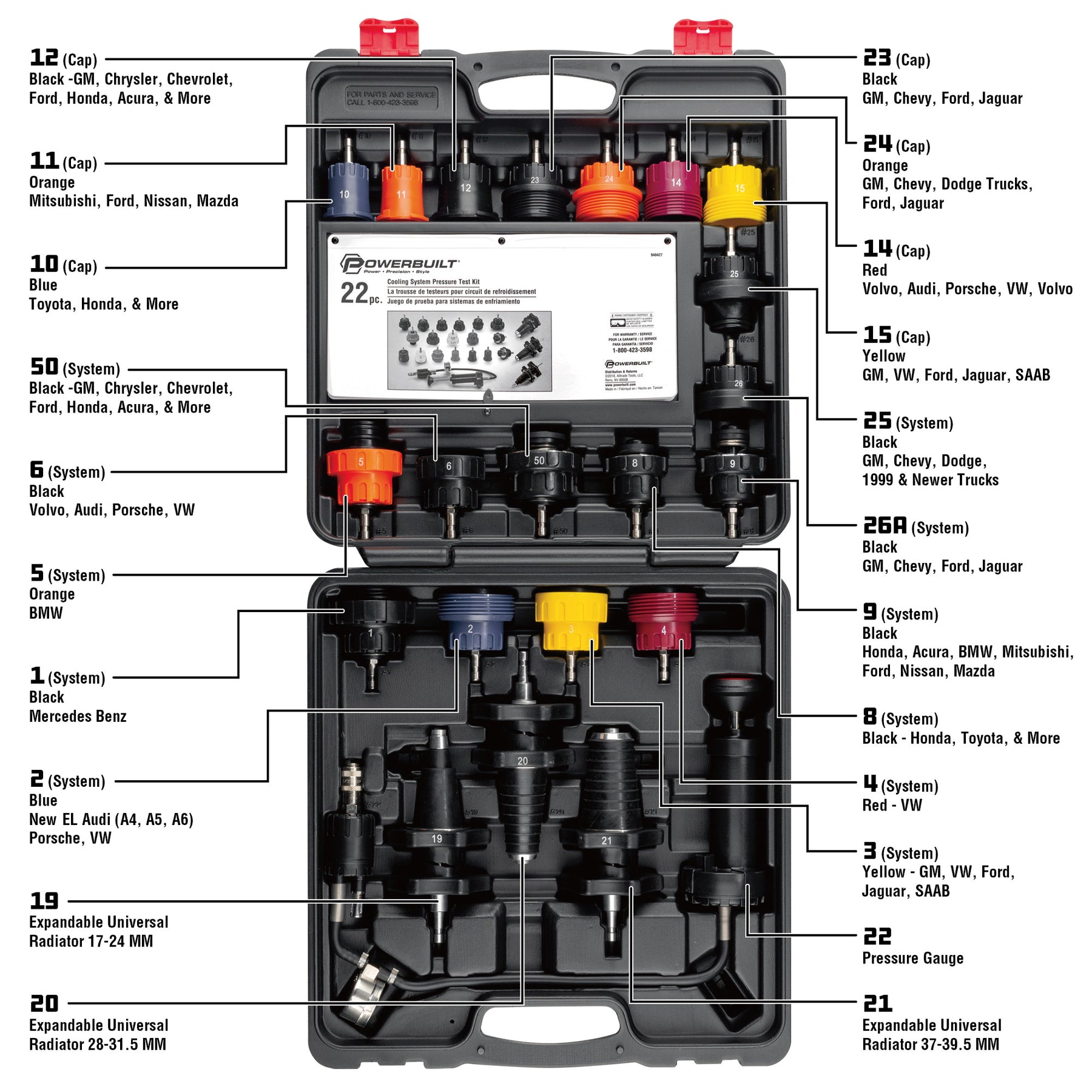
Use a pressure tester to verify cap function. Follow these steps:
- Cool the engine completely
- Remove the cap and attach the tester
- Pump to rated pressure (marked on the cap)
- Hold for 1-2 minutes
If pressure drops, replace the cap. A $15 part can prevent costly engine damage.
Detecting External Coolant Leaks
Common Leak Points
Most coolant loss comes from visible or hidden external leaks. Check these areas regularly:
- Radiator (corrosion, impact damage, or cracked seams)
- Upper and lower radiator hoses (look for cracks, bulges, soft spots)
- Heater hoses and connections
- Water pump (weep hole leakage or seal failure)
- Reservoir tank (cracks at seams or base)
- Heater core (may leave sweet smell or foggy windows)
Find Leaks with a Simple Test
Place clean cardboard or paper under the engine overnight. Colored stains (green, orange, pink, blue) reveal drip locations. UV dye and black light kits make hidden leaks visible.
Warning: Even slow drips add up. A pinhole leak can lose a quart in weeks.
Signs of Internal Coolant Leaks
Head Gasket Failure Risks
A blown head gasket lets combustion gases enter the cooling system or coolant leak into cylinders. This is not evaporation. It is engine-threatening damage.
Key symptoms include:
– Bubbling in the reservoir when the engine runs (after warm-up)
– White, sweet-smelling exhaust smoke
– Milky residue on the oil dipstick or valve cover
– Overheating with no external leak
These signs mean coolant is entering combustion chambers or oil passages.
Confirm with a Block Test
Use a combustion leak tester (block tester):
- Cool the engine and remove the reservoir cap
- Attach the tester with chemical fluid
- Run the engine at idle
- Watch for color change in the fluid (indicates exhaust gases in the coolant)
A positive result means head gasket repair is urgent. Delay risks a cracked block or warped cylinder head.
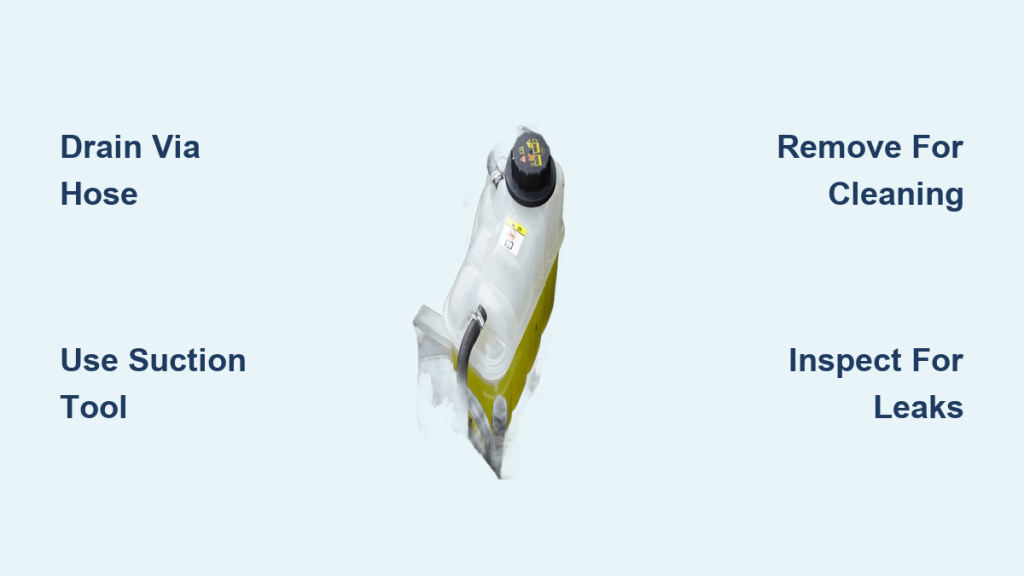
Reservoir Tank Problems
Overfilling Causes Spills
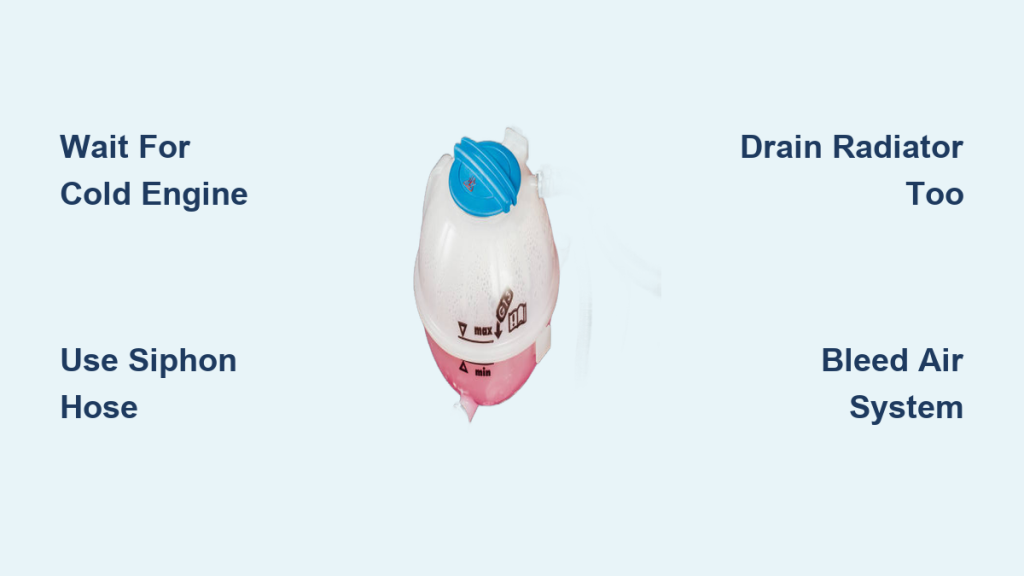
The overflow tank collects excess coolant during thermal expansion. If overfilled, hot coolant has nowhere to go. It spills out.
Always fill to the “MIN” mark when the engine is cold. Never top past “MAX.”
Cracked or Loose Reservoir
Plastic tanks crack from age, impact, or overpressure. Inspect for:
- Hairline fractures
- Warped or split seams
- Loose hose connections to the radiator
Even a small crack lets coolant seep out or vapor escape.
Fix: Replace the reservoir if damaged. Most are affordable and easy to swap.
Coolant Mixture Matters
Use 50/50 Ethylene Glycol and Water
Deviating from the standard mix affects performance. Too much water lowers the boiling point and increases evaporation risk. Too much antifreeze reduces heat transfer and raises the freezing point.
Use pre-mixed coolant or distilled water to avoid mineral buildup.
Do Not Mix Coolant Types
OAT (organic acid), IAT (inorganic), and HOAT (hybrid) coolants have different chemistries. Mixing them can:
- Form sludge
- Reduce corrosion protection
- Accelerate hose degradation
Check your owner’s manual for the correct type.
Maintenance That Prevents Coolant Loss
Monthly Coolant Checks
Check coolant level when the engine is cold. Low fluid when cold means real loss, not just thermal contraction.
Also inspect:
– Hose condition (cracks, softness)
– Clamp tightness
– Reservoir for cracks
– Radiator cap seal
Time required: 5 minutes. Could save thousands in repairs.
Replace Coolant on Schedule
Old coolant loses corrosion inhibitors and pH stability. Most manufacturers recommend:
- Every 30,000 miles for conventional (green) coolant
- Every 100,000 miles for long-life (orange, red, blue) types
Use test strips to check freeze point and acidity during service.
Temporary Fixes: When to Use Sealants
Sealants for Minor Leaks
Products like Bar’s Leaks or AlumASeal can temporarily seal hairline cracks in radiators or heater cores.
Application steps:
1. Add the entire bottle to the radiator or reservoir
2. Top off coolant if needed
3. Run the engine for 10-15 minutes
4. Let it sit overnight
This works best on small, slow leaks.
Limitations of Sealants
- Not permanent. Repair is still needed.
- Can clog heater core or radiator tubes.
- Useless for head gasket or large leaks.
Only use to get to a shop, not as a long-term solution.
When to See a Mechanic
Red Flags Needing Immediate Help
Seek professional diagnosis if you see:
- Coolant loss exceeding 3 oz per year
- Bubbling in the reservoir
- White exhaust smoke
- Milky oil residue
- Repeated overheating
These indicate serious issues beyond simple maintenance.
Diagnostic Tools Mechanics Use
Professionals use:
– Pressure testers to find leaks
– UV dye with black light for invisible drips
– Combustion gas analyzers for head gasket issues
– Borescopes to inspect internal components
Diagnosis usually takes 1-2 hours. Repair costs vary:
– Hose replacement: $100-$300
– Radiator replacement: $300-$900
– Head gasket repair: $1,000-$2,500
Early detection saves money and engine life.
Long-Term Prevention Tips
Park in Shade or Use Sunshades
Simple but effective. Reduces underhood heat, slowing degradation of hoses, caps, and reservoirs. Extends system life by years.
Follow Manufacturer Maintenance
Stick to coolant change intervals. Old fluid becomes acidic, corroding metal and rubber parts. Fresh coolant protects and performs.
Monitor After Repairs
After fixing a leak or replacing parts, check coolant weekly for a month. Ensures the repair held and no new issues emerged.
Frequently Asked Questions About Coolant Evaporation
Does coolant actually evaporate from the reservoir?
No. Coolant (ethylene glycol) does not evaporate under normal conditions. Only the water portion of the coolant mixture can vaporize, and this happens at much higher temperatures than normal engine operation. What appears to be evaporation is usually a small leak or pressure-related fluid loss.
How much coolant loss is normal per year?
Up to 2-3 ounces (60-90 mL) per year is considered normal. This minor loss comes from micro-permeation through hoses and trace vapor during pressure relief. Any loss greater than this indicates a leak that needs investigation.
Why does my coolant level drop but no leak is visible?
Hidden leaks can occur in the heater core, internal engine gaskets, or small cracks that only leak under pressure. Place cardboard under the vehicle overnight to check for drips. Consider a pressure test or UV dye test to find invisible leaks.
Can hot weather cause coolant to disappear faster?
Yes. High temperatures increase internal pressure and stress system components. The water fraction of coolant can vaporize more easily, and heat accelerates wear on hoses, seals, and the reservoir. Parking in shade helps reduce this stress.
Is white smoke from the exhaust a sign of coolant loss?
Yes. White, sweet-smelling exhaust smoke often indicates coolant is burning in the combustion chamber, usually from a head gasket leak. This is serious and requires immediate attention.
Key Takeaways for Preventing Coolant Loss
Coolant does not evaporate like water, but the water in it can vaporize under high heat. Real loss always points to a leak. Normal loss is under 3 oz per year. Anything more than that requires investigation.
Catching problems early prevents overheating, engine damage, and costly repairs. Check your coolant monthly, use the right 50/50 mixture, replace coolant on schedule, and act fast when levels drop. Your engine’s life depends on it. Park in shade when possible, test your radiator cap annually, and never ignore bubbles in the reservoir or white exhaust smoke. A few minutes of prevention saves thousands in repairs.