You’ve just poured fresh coolant into your radiator, only to discover a leak days later. The mechanic says, “The coolant caused the freeze plugs to corrode.” But is that really true? If coolant is designed to protect your engine, how could it suddenly become the enemy?
The short answer: coolant does not cause corrosion when used properly. In fact, its primary job is to prevent it. Yet, confusion persists, especially when leaks appear shortly after a coolant change. This article cuts through the myths and explains exactly how coolant interacts with your cooling system, why corrosion happens, and when coolant might seem to cause rust when it’s actually revealing damage that’s been building for years.
Coolant’s Real Job: Preventing Engine Rust
Coolant, also known as antifreeze, is a carefully engineered fluid designed to protect your engine from heat, cold, and rust. It circulates through the engine block, radiator, and heater core, absorbing heat and carrying it away before it damages vital components.
Beyond temperature control, coolant contains corrosion inhibitors that form a protective layer on metal surfaces. These additives shield iron, aluminum, copper, solder, and steel from reacting with water and oxygen, two key ingredients in rust formation.
What Makes Coolant Corrosion-Resistant
Coolant works through a combination of specific ingredients that create a protective barrier:
Ethylene glycol or propylene glycol base prevents freezing and raises the boiling point
Distilled water in a 50/50 mix minimizes mineral content that promotes scale and galvanic corrosion
Additive packages include silicates, phosphates, molybdates, or organic acids depending on type to inhibit rust and pitting
When fresh and correctly mixed, coolant is alkaline with a pH of 8.5 to 10.5, creating an environment hostile to oxidation. Over time, however, these protections can break down, leading to problems that look like coolant failure but are actually due to neglect.
Why Coolant Gets Blamed for Corrosion
Fresh Coolant Reveals Hidden Damage
One of the most common reasons coolant gets blamed for corrosion is its cleaning effect. Consider this real-world scenario.
An older car runs for years on tap water only with no coolant. Minerals in the water cause slow, internal rusting of the engine block and freeze plugs. Rust builds up over time, sometimes plugging tiny holes or weak spots like a scab over a wound.
Then, fresh coolant is added. Unlike plain water, modern coolant contains detergents and stabilizers that dissolve loose deposits and flush out debris. As the system cleans itself, rust layers are stripped away, exposing the damage underneath.
Suddenly, a freeze plug starts leaking. It seems like the coolant caused the leak. But in reality, the damage was already there. The coolant simply removed the temporary seal that was masking the problem.
When Coolant Stops Preventing Corrosion
Even though coolant is designed to stop rust, several conditions can disable its protective abilities. In these cases, corrosion occurs, not because coolant causes it, but because it’s no longer doing its job.
Degraded Coolant Becomes Acidic
Coolant doesn’t last forever. Over time, its inhibitors deplete and the pH drops. Once it falls below 7.0, the fluid becomes acidic, accelerating metal corrosion instead of preventing it.
Signs of degraded coolant include brown or orange color instead of bright green, red, or pink, sludge or particles in the reservoir, low pH testable with strips or refractometer, and overheating or poor heat transfer.
Wrong Coolant Mix Ratio Weakens Protection
The ideal coolant mix is 50% concentrate to 50% distilled water. Stray from this and protection drops fast.
Too much water dilutes inhibitors and increases rust risk
Too much concentrate causes poor heat transfer, gel formation, and deposits
Repeated top-offs with tap water introduces calcium, magnesium, and chlorine leading to scale and galvanic corrosion
Always use distilled water, never tap water. Minerals in tap water are silent killers of cooling systems.
Using the Wrong Coolant Type
Not all coolants are interchangeable. Using the wrong type can lead to incompatibility, additive drop-out, or inadequate protection for specific metals.
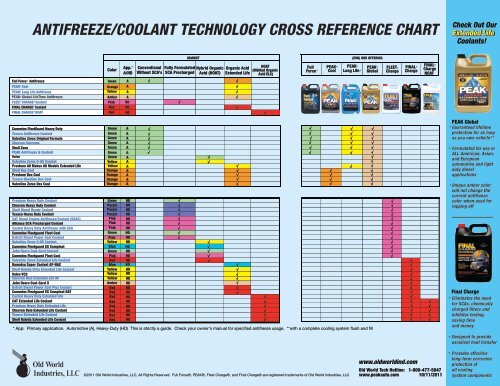
Common coolant types include IAT (Inorganic Additive Technology), a green older formula that’s silicate-based, OAT (Organic Acid Technology), a long-life formula often orange or red, HOAT (Hybrid OAT) that combines silicates and organic acids and is often yellow or turquoise, and Si-OAT or NOAT specialized for European or Asian engines.
Mixing incompatible types can cause gel formation, precipitate sludge, rapid inhibitor depletion, and increased aluminum corrosion. Always check your owner’s manual for approved coolant specs.
Air in the System Fuels Oxidation
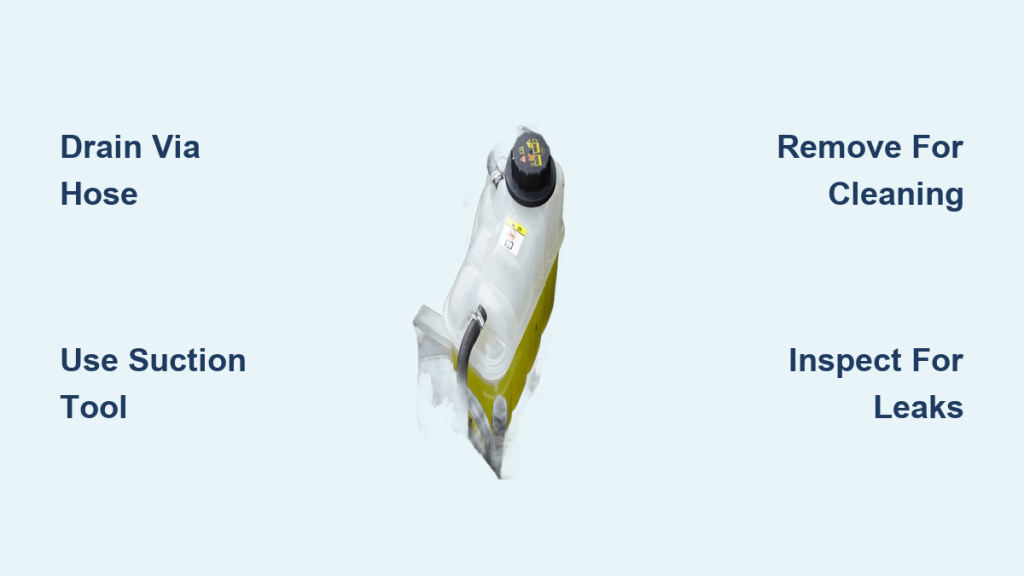
A cooling system should be sealed and free of air pockets. But if air gets trapped due to improper bleeding, a weak radiator cap, or a cracked overflow tank, it introduces oxygen into the loop.
Oxygen reacts with ferrous metals like cast iron engine blocks to form iron oxide (rust). It also contributes to cavitation erosion at the water pump impeller where tiny bubbles collapse and eat away at metal.
Symptoms of air in the system include bubbling in the reservoir, overheating after coolant change, pitting on water pump shaft, and rust-colored coolant.
Contamination Destroys Coolant Chemistry
Foreign substances can ruin coolant’s stability. Common contaminants include engine oil from head gasket failure, fuel from injector or cylinder issues, and brake fluid or transmission fluid from accidental mixing.
Oil contamination creates a milky sludgy emulsion that coats surfaces and blocks heat transfer. It also neutralizes corrosion inhibitors.
How to Identify Corrosion in Your Cooling System
Use these visual and diagnostic clues to identify corrosion early.
Rusty brown coolant indicates advanced iron corrosion and degraded fluid
Sludge in radiator or reservoir means failed additives or coolant mixing error
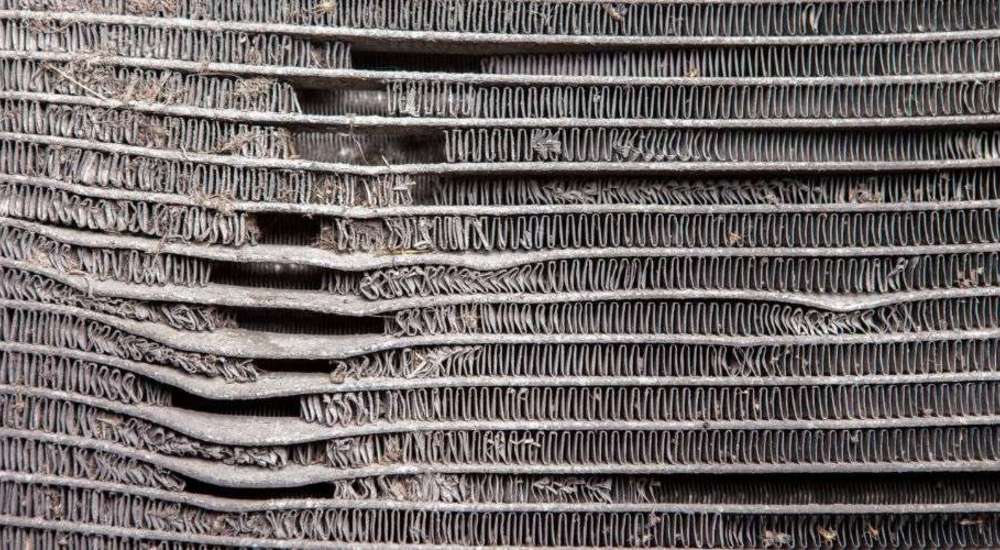
Pitting inside radiator tubes suggests hard water use or electrolytic corrosion
Leaking freeze plugs or water pump results from long-term rust exposure or aged coolant
Overheating with clean-looking coolant indicates hidden scale or micro-clogging from past corrosion
Preventing Corrosion: Complete Protocol
Don’t wait for a leak to act. Follow this plan to keep your cooling system clean and corrosion-free.
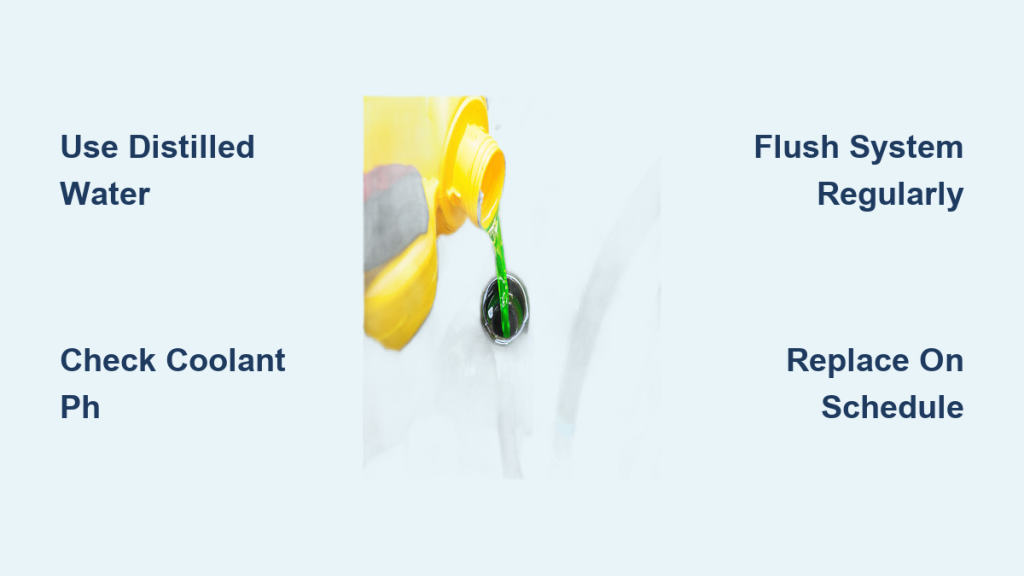
Test Coolant Condition Regularly
Check every 3 to 6 months. Coolant should be bright and clear. Top off only with pre-mixed 50/50 coolant. Use test strips or a refractometer to check pH and freeze point.
If coolant is brown, murky, or smells sour, flush it immediately.
Flush the System If Rust Is Found
If you see sludge or rust, do not just top off. A full flush is required.
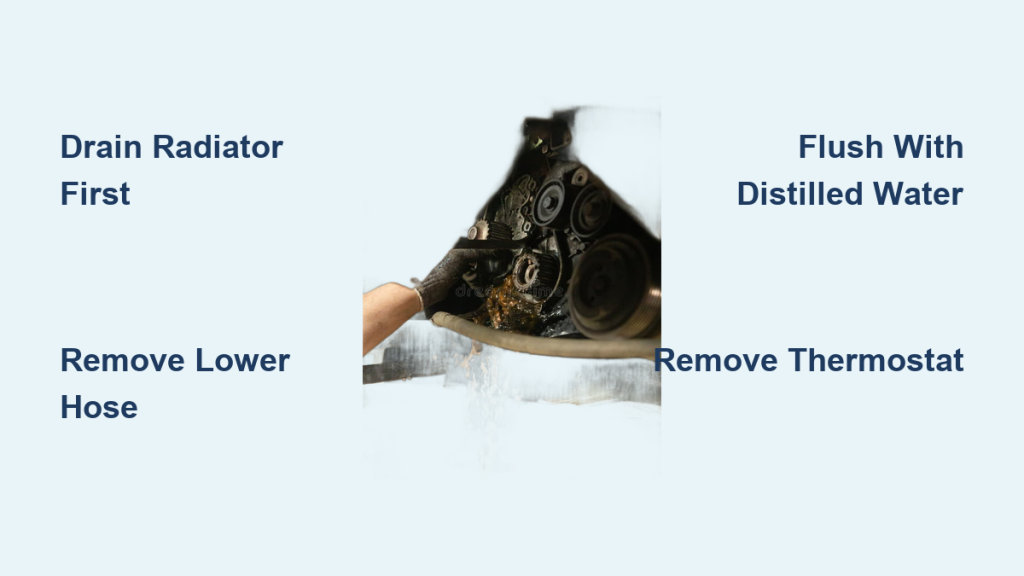
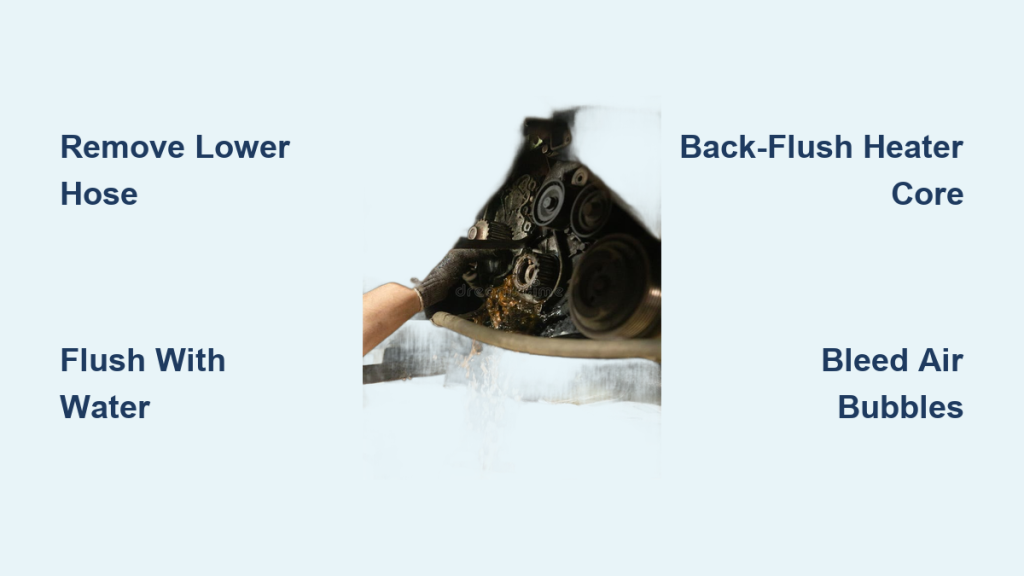
Drain old coolant and flush with cooling system cleaner if heavily contaminated. Rinse with distilled water until outflow is clear. Pressure-flush the engine block and heater core if possible. Then reassemble and refill with correct coolant.
Never use tap water for flushing. Minerals will remain and restart corrosion.
Refill With Correct Coolant Type
Always use OEM-specified coolant checked against your owner’s manual. Use 50/50 mix with distilled water. Use fresh, unopened coolant since old bottles may degrade.
Bleed Air From the System
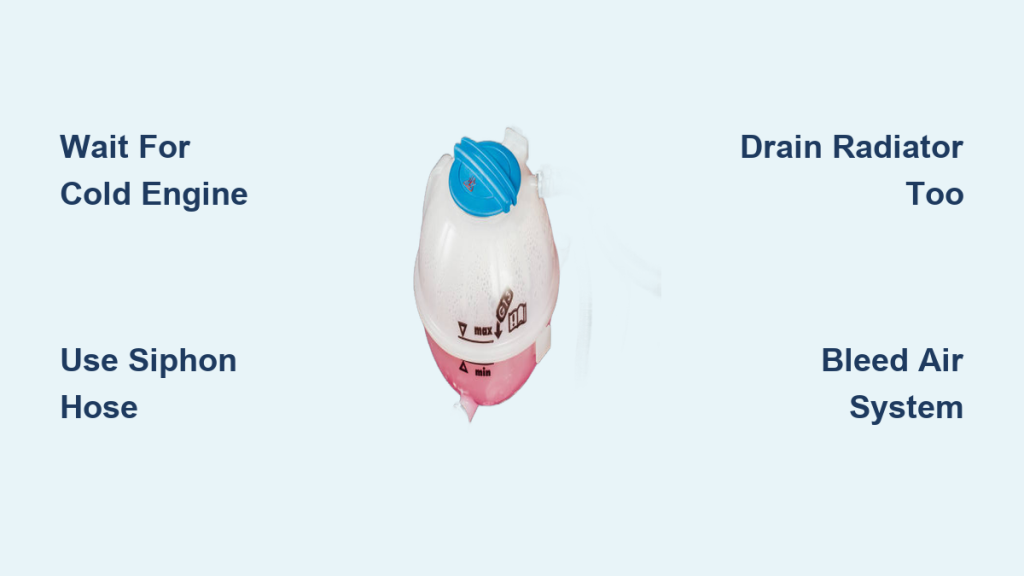
After refill, eliminate air pockets. Run the engine with the radiator cap off if safe. Squeeze the upper radiator hose to release bubbles. Cycle the heater between hot and cold. Top off the reservoir after several heat and cool cycles.
Some vehicles like BMW and Subaru require vacuum fill or special bleed screws. Consult your service manual.
Replace Damaged Components
If freeze plugs, water pump, or radiator are corroded, replace them before refill. Inspect the engine block for pitting. Consider an electrolysis test if corrosion is severe since stray voltage can accelerate rust.
Follow Replacement Schedule
Even if coolant looks fine, replace it on time. Conventional IAT coolant needs replacement every 2 years or 30,000 miles. Extended-life OAT or HOAT coolant lasts 5 years or 100,000 to 150,000 miles.
The myth that green coolant is still good is false. Inhibitors deplete before color fades.
Coolant Performance Specifications
| Parameter | Ideal Value | Notes |
|---|---|---|
| Base Fluid | Ethylene glycol or propylene glycol | Propylene is less toxic and used in eco-formulas |
| Mix Ratio | 50% coolant to 50% distilled water | Critical for protection and heat transfer |
| Freeze Protection | -34°F at 50/50 mix | Varies by brand and concentration |
| Boil Protection | Up to 265°F with 15 psi cap | Higher pressure raises boiling point |
| pH (Fresh) | 8.5 to 10.5 | Below 7.0 means acidic and corrosive |
| Service Life | 2 to 5 years | Depends on technology and driving conditions |
| Standards | ASTM D3306, D4985, OEM specs | Ensures corrosion protection |
Real Cases: What Actually Happens
Case One: Freeze Plugs Leak After Coolant Change
A 1998 Ford Falcon with 200,000 miles ran on tap water for 12 years. The owner added fresh 50/50 coolant. Two freeze plugs leaked within 3 weeks. Post-disassembly revealed severe pitting under rust layers. The coolant didn’t cause corrosion. It revealed it.
Case Two: Sludge and Overheating in Honda Civic
A 2010 Honda Civic with 6 years and no coolant change showed overheating and brown coolant. Testing revealed pH of 5.2, highly acidic with high iron and copper ions. A full flush with new radiator, water pump, and OEM coolant restored normal temperatures. The degraded coolant failed to prevent corrosion.
Mechanic Insight
About 30% of older cars serviced for the first time develop leaks after a coolant flush. But it’s never the coolant’s fault. It’s the years of tap water and neglect catching up. The coolant just tells the truth.
Frequently Asked Questions About Coolant and Corrosion
Does coolant cause rust in radiators?
No, coolant is specifically formulated to prevent rust in radiators and all metal cooling system components. However, degraded or incorrect coolant can fail to provide this protection, leading to corrosion that appears to be caused by the coolant itself.
Why do freeze plugs leak after adding fresh coolant?
Freeze plugs often leak after a coolant change because fresh coolant cleans away rust deposits that were temporarily sealing small holes. The damage was already present from years of running plain water or neglected coolant. The new coolant reveals pre-existing problems rather than causing them.
How often should I replace my coolant?
Replace conventional IAT coolant every 2 years or 30,000 miles. Replace extended-life OAT or HOAT coolant every 5 years or 100,000 to 150,000 miles. Always follow your vehicle manufacturer’s specific recommendations.
Can mixing different coolants cause corrosion?
Yes, mixing incompatible coolant types can cause additive drop-out, gel formation, and rapid loss of corrosion protection. Always use the coolant type specified in your owner’s manual and avoid mixing different technologies.
Does tap water cause cooling system corrosion?
Yes, tap water contains minerals like calcium and magnesium that promote scale buildup and galvanic corrosion. Always use distilled water when mixing coolant concentrate, and never run plain tap water in your cooling system.
Key Takeaways: Protecting Your Engine From Coolant-Related Issues
Coolant does not cause corrosion when used correctly. In fact, it’s engineered specifically to prevent it. The real culprits behind cooling system rust are running plain water long-term, skipping coolant changes, using tap water or wrong mix ratios, choosing incompatible or low-quality coolant, and failing to bleed air after service.
To protect your engine, never use tap water and always use distilled. Follow OEM coolant specs with no guessing. Replace coolant on schedule even if it looks fine. Flush at the first sign of rust or sludge. Bleed air thoroughly after any cooling system work.
Do this and your cooling system will stay clean, efficient, and corrosion-free for the life of your engine.