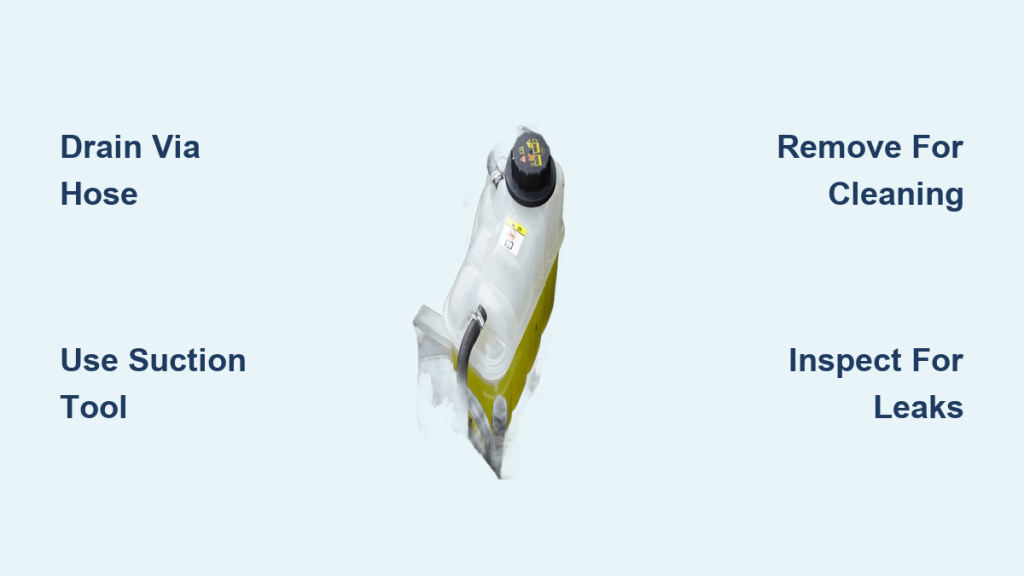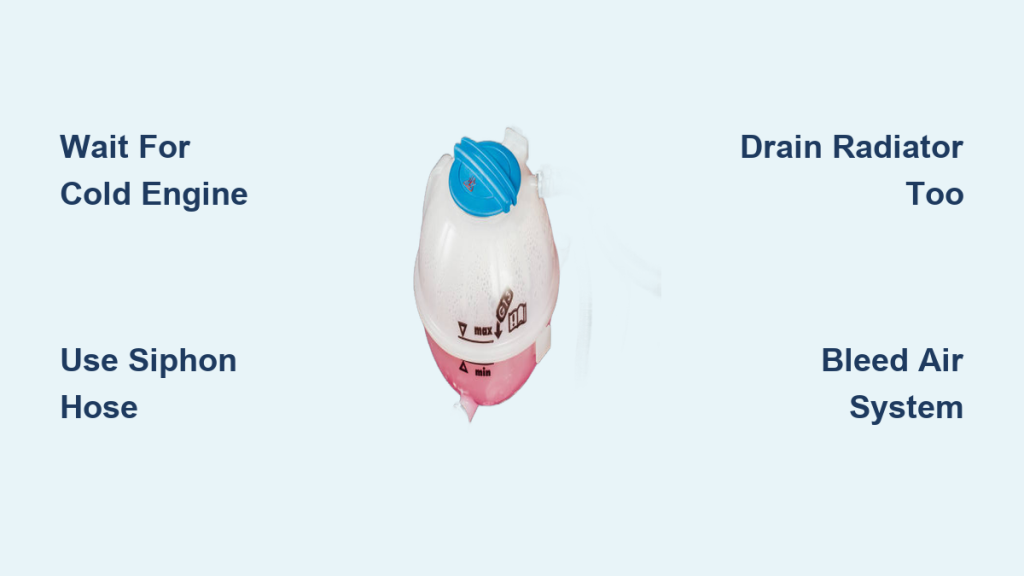

You’ve checked your coolant reservoir, and despite overheating symptoms like a rising temperature gauge or an overactive cooling fan, the fluid level hasn’t dropped. That can be confusing. If the engine is running hot, shouldn’t coolant be burning off or leaking out? Not necessarily. A steady coolant level with heat-related issues often points to trapped air or a stuck thermostat, not a leak. This is a common but misunderstood problem, especially when your car shows signs of overheating but the coolant tank looks full. In this guide, you’ll learn the real reasons why coolant levels stay high even when something’s wrong and how to fix it safely and effectively.
Stuck Thermostat Diagnosis
A stuck thermostat is one of the most common reasons your coolant level isn’t going down even though the engine is overheating. The thermostat serves as a gatekeeper between the engine and the radiator. When it works properly, it stays closed until the engine reaches operating temperature, then opens to allow coolant to flow through the radiator for cooling. However, when the thermostat sticks in the closed position, coolant cannot circulate properly.
Closed Thermostat Blocking Flow
A thermostat stuck in the closed position prevents coolant from circulating through the radiator. The engine heats up, but the coolant cannot exit the engine block to cool down. Since the fluid is not moving, it does not expand, evaporate, or get pushed into the overflow tank. That is why the level stays the same, even as temperatures spike. You may notice the upper radiator hose stays cool while the engine overheats, which is a classic sign of flow blockage.
Test for Thermostat Failure
Start the engine cold and monitor the temperature gauge. If the needle climbs rapidly past the midpoint before the heater delivers warm air, the thermostat likely is not opening. Use an infrared thermometer to check the thermostat housing and upper radiator hose. If there is more than a 20-degree Fahrenheit difference after ten minutes of running, replace the thermostat immediately. This simple test can save you from more serious engine damage down the road.
Air Lock in Cooling System
Air pockets can form during coolant refills or after draining the system. These pockets get trapped in the highest points of the engine, often around the thermostat or heater core. Air does not transfer heat like liquid, so sensors may read high temperatures while the actual coolant volume remains unchanged. Since no fluid is lost, the level stays constant, misleading drivers into thinking the system is fine.
How Air Traps Cause False Symptoms
When air becomes trapped in the cooling system, it creates a barrier that prevents proper heat transfer. The engine temperature climbs because the coolant cannot circulate effectively, yet the reservoir shows no change in fluid level. This happens because the air is occupying space that should be filled with coolant, but the total volume of liquid in the system remains unchanged. Drivers often mistake this for a healthy cooling system because the visual cue of a dropping coolant level is absent.
Bleeding Air: Step-by-Step

Bleeding the air from your cooling system is often the fastest fix for this problem. Follow these steps carefully.
• Ensure the engine is completely cool before starting.
• Remove the radiator or coolant reservoir cap.
• Start the engine and let it idle with the heater on maximum.
• Squeeze the upper radiator hose repeatedly to dislodge air bubbles.
• Top off coolant as the level drops during bleeding.
• Run until the heater blows consistently hot and no more bubbles appear.
• Turn off the engine, let it cool, recheck the level, and securely replace the cap.
Pro Tip: Park the vehicle on a slight incline with the front end up to help air rise toward the radiator cap for easier removal.
Overheating Without Coolant Loss
An overactive cooling fan running nonstop even at idle can signal poor heat exchange due to trapped air or blocked flow. Since the coolant is not circulating, the engine control unit keeps the fan on to compensate. But without fluid movement, the fan cannot fix the core issue. This matches reports from drivers who see fan activity and high temperatures but no drop in coolant level.
Temperature Spikes Despite Full Reservoir
Sudden temperature surges, especially in traffic or under load, often point to air pockets disrupting coolant circulation. The system may still be full, but pockets prevent even distribution. As a result, the engine overheats locally while the reservoir shows no loss. Bleeding the system typically resolves this with no parts needed. The key is recognizing that a full reservoir does not guarantee proper cooling system function.
Fan Running Constantly? Check Coolant Flow
When your cooling fan runs more frequently than normal, it often indicates the system is struggling to maintain temperature. This symptom frequently accompanies air locks in the cooling system. The fan is working harder because the coolant is not absorbing and releasing heat effectively. If you notice your fan staying on longer than usual, especially at idle, consider bleeding the system before assuming a more serious problem exists.
Real-World Fix: User Success Story
One driver reported consistent overheating at the same stretch of road with the gauge climbing into the red. Despite this, coolant levels remained unchanged. After learning about air locks, they bled the cooling system. The problem resolved immediately. On a follow-up drive, the temperature stayed normal even under the same conditions. The fan returned to normal cycling, confirming the fix.
Thermostat as Backup Plan
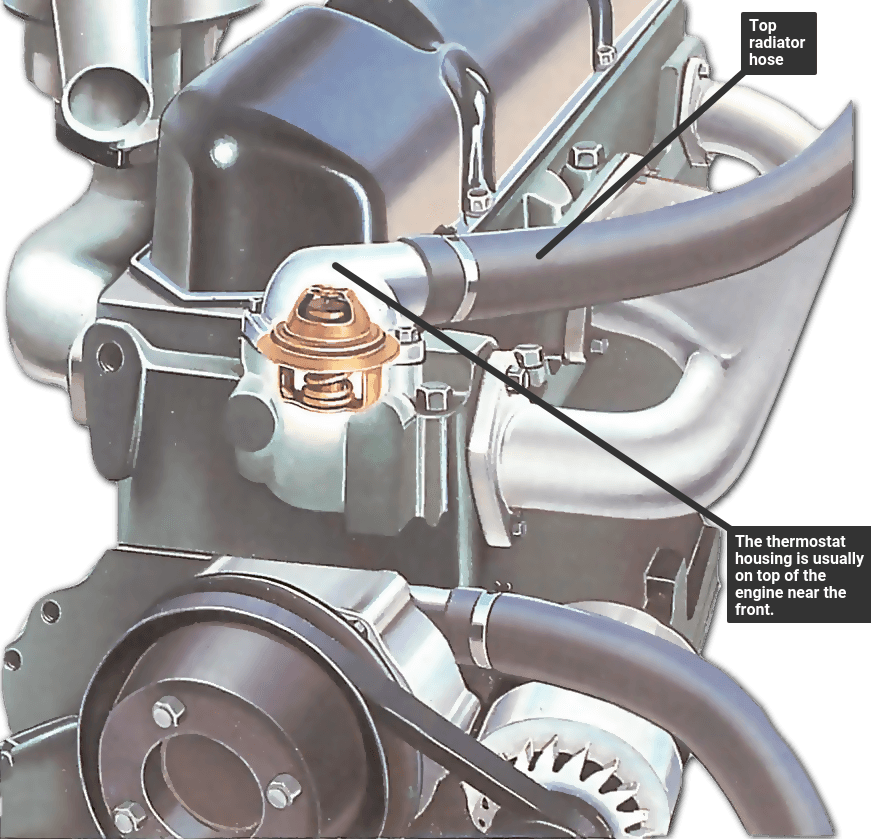
While bleeding worked in this case, the user noted they would keep a replacement thermostat on hand. If bleeding fails, a faulty thermostat is the next most likely cause. Replacing it proactively, especially in older vehicles, can prevent future breakdowns. This two-step approach, starting with the simpler fix first, saves time and money.
When to Replace the Thermostat
Sometimes bleeding the system is not enough. If your cooling issues persist after removing trapped air, the thermostat may be the culprit. Most thermostats last 60,000 to 100,000 miles. If your car is nearing or past that range, replacement is a low-cost, high-reward preventive step.
Signs It Is Time for a New One
• Temperature gauge climbs quickly on cold start
• Heater blows cold air despite warm engine
• Coolant does not circulate after thermostat should open (180 to 195 degrees Fahrenheit)
• Repeated overheating after successful bleeding
How to Replace It
• Drain coolant to below the thermostat housing.
• Remove the housing bolts and take off the cover.
• Pull out the old thermostat and inspect for corrosion or warping.
• Install the new thermostat with a fresh gasket, ensuring correct orientation.
• Reassemble, refill, and bleed the system completely.
Warning: Never reuse the old gasket because it can cause leaks.
Prevent Future Cooling Issues
Regular maintenance prevents most cooling system problems before they start. By staying proactive, you can avoid the frustration of overheating symptoms and costly repairs.
Regular System Maintenance
Flush and refill your coolant every 30,000 to 50,000 miles or per manufacturer schedule. Old coolant loses corrosion inhibitors, increasing the risk of debris and thermostat failure. Use the correct coolant type because mixing incompatible fluids can form sludge that blocks passages and damages components.
Proper Refill Technique
Always refill with the engine cold. Pour slowly while gently revving the engine to help displace air. Keep the radiator cap off until the system reaches operating temperature and coolant circulates fully. This reduces the chance of air locks forming in the first place.
Monitor After Repairs
After bleeding or thermostat replacement, take short test drives. Watch the temperature gauge and heater output. If the needle stays steady and heat remains consistent, the system is working. Schedule a second check after 50 to 100 miles to confirm stability.
Frequently Asked Questions About Coolant Level Not Going Down
Why is my engine overheating but coolant level is not dropping?
This typically indicates trapped air in the cooling system or a stuck thermostat. Both problems prevent proper coolant circulation without causing fluid loss. Bleeding the system often resolves air-related issues.
Can a stuck thermostat cause overheating without coolant loss?
Yes. A thermostat stuck closed prevents coolant from reaching the radiator. The engine overheats, but the coolant stays in the engine block since it is not circulating. The reservoir level remains unchanged.
How do I know if air is trapped in my cooling system?
Signs include overheating during idle or low-speed driving, a heater that blows cold, and a cooling fan that runs constantly. The temperature gauge may spike suddenly even though the coolant reservoir looks full.
Is bleeding the cooling system safe to do at home?
Yes, it is a straightforward process that most car owners can perform. Just ensure the engine is completely cool before starting, and follow proper bleeding steps carefully to avoid injury from hot coolant.
How often should I replace my thermostat?
Most thermostats last 60,000 to 100,000 miles. Replace it if you notice overheating symptoms, especially if the car is within this mileage range or has not had the thermostat replaced recently.
Key Takeaways for Fixing Coolant Level Issues
A coolant level that is not going down does not rule out overheating issues. Trapped air or a stuck thermostat can cause serious heat problems without any fluid loss. Bleeding the system is often the fastest fix, simple, free, and effective. If that does not help, replace the thermostat. Both steps are essential for maintaining proper engine temperature and avoiding costly damage. Monitor your cooling system regularly, and address temperature gauge warnings promptly to keep your engine running smoothly.