You pop the hood for a quick check and spot something alarming: the radiator fins are bent, crushed, or folded out of shape. Before you panic about an overheating engine or rush to replace the whole radiator, take a breath. Bent radiator fins are extremely common and often far less serious than they appear. Modern radiators come with built-in cooling redundancy, so minor damage rarely causes immediate performance problems. Still, ignoring severe bending can hurt efficiency under heavy load or extreme heat. This guide shows you exactly when to act, how to repair without causing leaks, and which mistakes to avoid.
You will learn how to judge damage severity, choose safe tools, decide whether repair is worth the effort, and rule out deeper cooling system issues. Whether you drive a daily commuter or a show car, these steps help you restore airflow without risking costly tube damage.
Assess Bent Radiator Fin Damage Severity

Not every bent fin demands your attention. The real question is how much airflow is blocked and whether your vehicle shows any signs of cooling strain.
Inspect the Leading Edge First
Start by looking at the front face of the radiator. Damage typically appears along the leading edge, often in the lower corners or near the center where debris strikes first. Watch for these patterns:
- Minor bending: Fins angled slightly but still letting air pass through.
- Crushed sections: Areas where fins lie flat and visibly restrict airflow.
- Folded rows: Entire groups pressed together, blocking internal tubes.
If only a few isolated rows show damage, the cooling impact is usually negligible. But when more than 15 to 20 percent of the core is compressed, airflow loss becomes significant, especially in stop-and-go traffic or hot climates.
Spot the Difference Between Cosmetic and Critical
Some bending is purely visual. A handful of bent fins on an otherwise clean core rarely affects performance. However, large crushed zones can trap heat and force your cooling fans to work harder. Compare the damaged area to the total core size to decide if repair is worth pursuing.
Use the Water Hose Test to Confirm the Problem
Before touching any tools, rule out internal blockages that cause similar symptoms. The water hose test is a quick way to verify whether bent radiator fins are the real issue.
Run the Test in Three Steps
- Start the engine and let it reach normal operating temperature.
- Spray water evenly across the front of the radiator.
- Watch how the moisture evaporates.
- Even drying: Heat transfer is working well, even if fins look bent.
- Wet streaks or slow-drying zones: Suggests clogged internal tubes, which means the problem lies deeper inside the cooling system.
This simple test saves you from wasting time on fin repair when the actual culprit is sludge, a failing water pump, or trapped air.
Pick the Right Tool for Bent Radiator Fins Repair
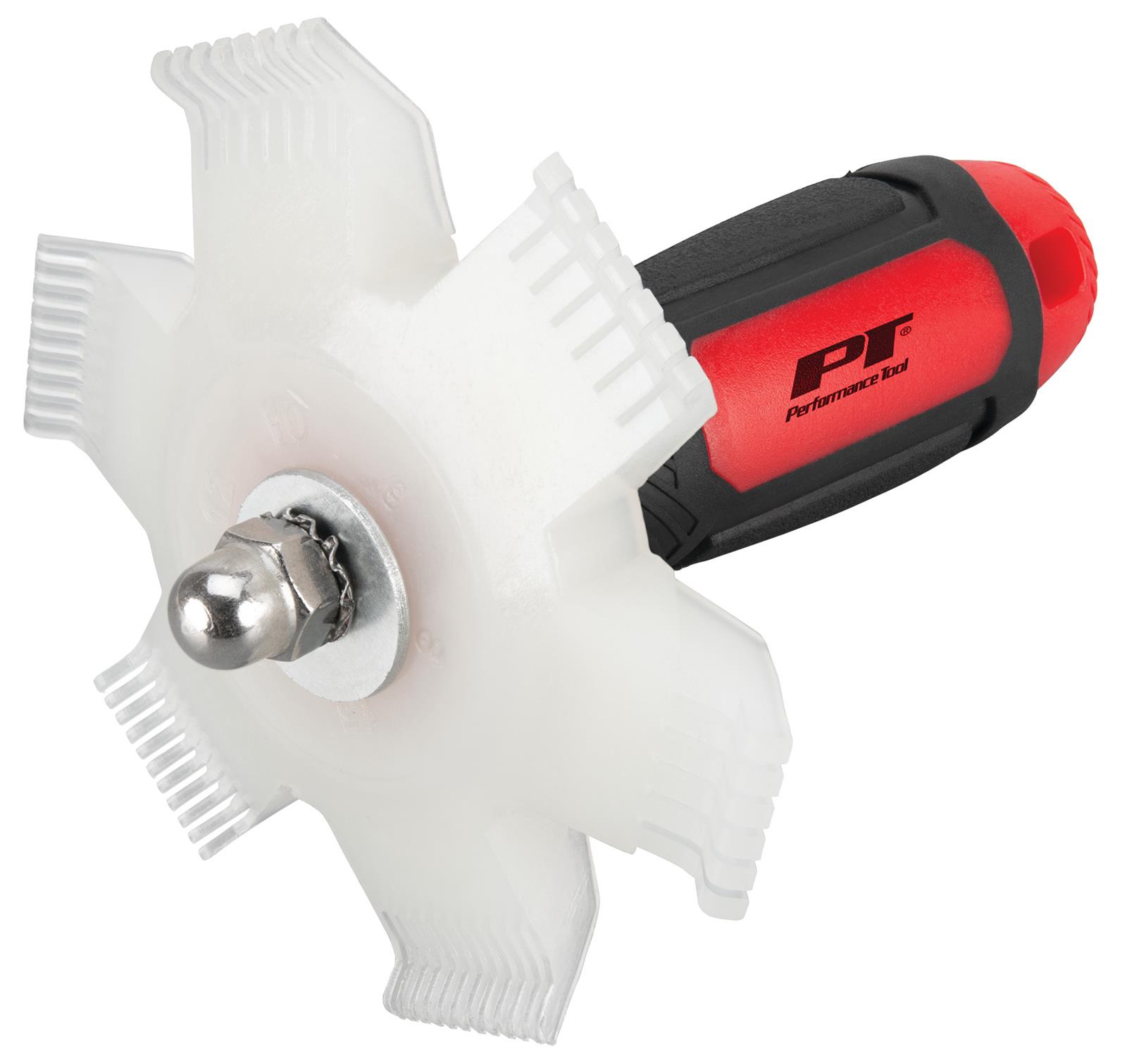
Fixing bent radiator fins is precision work, not brute force. The wrong tool can puncture thin coolant tubes and create leaks that are difficult to detect and expensive to fix.
Start with a Plastic Fin Comb for Light Damage
A plastic radiator fin comb is the safest option for minor bending. These tools come in various tooth spacings to match different fin densities.
Steps for using a fin comb:
1. Match the comb teeth to your radiator fin pitch.
2. Align the comb with a straight section of fins.
3. Pull the comb gently and straight through the bent area.
This method works best for uniform, widespread minor bending. Avoid metal combs, since they can scratch aluminum and puncture thin-walled tubes. Some manufacturers advise against combs entirely due to micro-leak risks, so proceed with caution.
Use an Ice Pick for Crushed Fins
When fins lie smashed flat or folded over, an ice pick or fine screwdriver gives you targeted control.
Steps for the ice pick method:
1. Slide the tip between two adjacent fins at the edge of the damaged zone.
2. Use a light brushing motion to lift and separate bent sections.
3. Work row by row with minimal pressure.
The ice pick method takes time but reduces the risk of tube damage. It is ideal for restoring airflow channels without over-stressing the metal.
Flatten Fins with Duck-Bill Pliers
After lifting crushed fins, flat-jawed duck-bill pliers help smooth and align them.
Steps for using duck-bill pliers:
1. Grip a single bent fin gently.
2. Apply slight pressure to straighten it flush with neighboring fins.
3. Move slowly and never squeeze too hard.
This step is optional but improves airflow and appearance, especially on show vehicles or custom aluminum radiators.
Combine Repair Methods for Best Results

For maximum effectiveness, especially on high-performance or visible radiators, use a three-step hybrid approach:
- Lift collapsed fins with an ice pick.
- Straighten with a plastic fin comb if the pitch matches.
- Flatten and align with duck-bill pliers.
This sequence mimics professional restoration techniques and delivers near-factory results. It takes time, but the outcome ensures structural integrity and optimal airflow recovery.
Know When to Skip Bent Radiator Fins Repair
Repairing bent radiator fins is not always worth the effort. Consider these factors before starting.
Leave the Damage Alone If:
- Only a few fins are bent.
- No overheating or temperature fluctuations occur.
- Access requires removing the bumper or headlights.
- The damage is purely cosmetic.
Many drivers log years of trouble-free service with bent fins, thanks to the radiator’s built-in 10 to 15 percent excess capacity.
Repair Only If:
- A large section of the core is blocked.
- Overheating happens under load, such as highway driving or towing.
- You are restoring a show car or performance vehicle.
- Easy access is available without major disassembly.
Avoid Common Mistakes When Fixing Bent Radiator Fins
Even small errors can turn a simple fix into a major repair. Stay clear of these pitfalls.
Never Use High-Pressure Water
Washing the radiator with a pressure washer, even from a distance, can worsen fin damage. Always use low-pressure water or compressed air when clearing debris.
Do Not Force the Comb
If the fin comb does not slide smoothly, stop. Forcing it means the spacing is wrong or the fins are too damaged. You risk tearing fins or gouging tubes.
Skip Hard Brushes and Abrasive Cloths
Cleaning with stiff brushes or rough materials can bend new fins. Use a soft brush or microfiber cloth instead.
Test Cooling Performance After Repair

Once fins are straightened, verify that cooling efficiency has actually improved.
Monitor the Temperature Gauge
Drive under normal conditions, then under stress such as city traffic or uphill climbs. If the needle stays steady near the midpoint, your repair worked.
Repeat the Water Hose Test
Run the test again after repair:
- Faster, more even drying means improved heat dissipation.
- Persistent wet spots suggest internal blockage, so flush the system.
If overheating continues, investigate other causes like coolant mix, air pockets, or a failing thermostat.
Check Root Causes Before Blaming Bent Radiator Fins
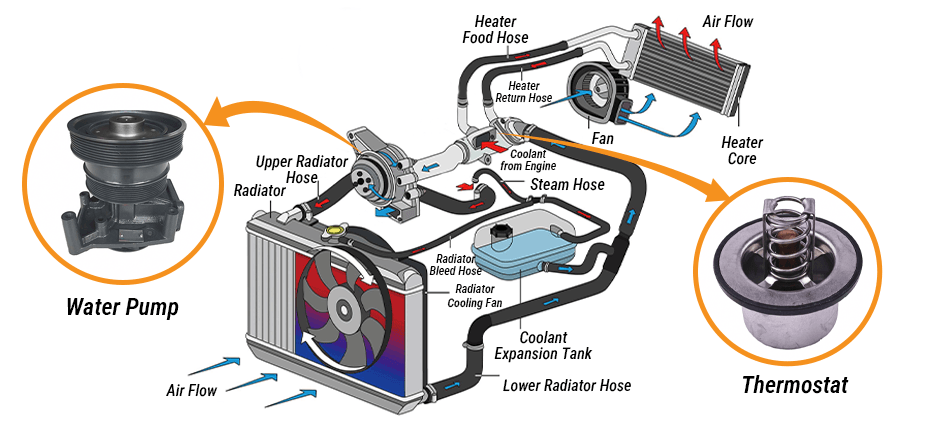
Bent fins rarely cause overheating on their own. If your engine runs hot, check these more likely culprits first.
Verify the Coolant Mixture
Pure antifreeze transfers heat poorly. Use a 50/50 mix of antifreeze and distilled water. A refractometer or hydrometer can confirm the ratio.
Flush the System Internally
Old coolant leaves behind sludge that clogs internal tubes. Draining the overflow tank is not enough. Perform a full radiator flush with a cleaning solution, then refill properly.
Inspect Mechanical Components
- Water pump: Listen for whining sounds or check for leaks.
- Thermostat: A stuck-closed unit blocks coolant flow.
- Air pockets: Burp the system after refilling to remove trapped air.
These issues cause far more overheating than bent radiator fins ever will.
Prevent Future Bent Radiator Fins Damage
Once repaired, protect your radiator from repeat damage.
Clean Gently and Regularly
Remove bugs, leaves, and grime before they pack into the core. Use compressed air from the backside (engine side) to blow debris forward. This avoids pushing material deeper into the fins.
Handle with Care During Maintenance
When working near the radiator, avoid leaning tools or hands against the core. Even slight pressure can bend aluminum fins, especially on performance radiators.
Consider Upgrades for Marginal Cooling Systems
Some vehicles ship with underpowered factory cooling. In hot climates or heavy traffic, consider:
- A high-flow radiator
- Upgraded electric fans
- A performance thermostat that opens earlier
These upgrades often do more for cooling than fin repair alone.
Frequently Asked Questions About Bent Radiator Fins
Can bent radiator fins cause overheating?
Bent radiator fins alone rarely cause overheating because most radiators include 10 to 15 percent excess cooling capacity. Overheating usually points to internal blockages, coolant mix problems, or mechanical failures like a bad water pump or thermostat.
How much does it cost to fix bent radiator fins?
DIY repair costs almost nothing if you already own basic tools like an ice pick and pliers. Professional fin straightening varies by shop, but radiator replacement runs much higher. For minor cosmetic damage, leaving the fins alone is often the most economical choice.
Is it safe to use a metal fin comb on aluminum radiators?
Metal fin combs carry a high risk of scratching aluminum and puncturing thin cooling tubes. Plastic combs are safer but still require gentle handling. Many manufacturers advise against any comb, citing micro-leak risks.
How do I know if bent fins are cosmetic or serious?
Check the percentage of the core that is blocked. If less than 15 to 20 percent shows damage and your temperature gauge stays normal, the issue is likely cosmetic. If a large section is crushed or you notice overheating under load, repair becomes more important.
Can I straighten bent fins without removing the radiator?
Yes, minor repairs often work in place if there is enough clearance between the core and the front grille. Extensive damage or obstructed access may require bumper or headlight removal, depending on your vehicle.
What household tools work for bent fin repair?
In a pinch, a stiff hair comb, tweezers, or kitchen tongs can handle small corrections. The key is patience and gentle pressure. Avoid any tool that could puncture the tubes or crush neighboring fins.
Key Takeaways for Fixing Bent Radiator Fins Safely
Bent radiator fins are common and often overestimated as a cause of overheating. In most cases, minor damage does not require action, especially if your engine runs cool and the temperature gauge stays steady. When fins are severely crushed or cover a large area, careful repair with the right tools can restore airflow and prevent future issues.
The safest methods, like the ice pick lift followed by duck-bill plier flattening, offer precision without risking tube leaks. Always test performance afterward and rule out internal problems before assuming bent fins are to blame. With patience and the right approach, you can fix bent radiator fins safely, effectively, and without spending a dime on replacements.
Your next step: Grab a flashlight and inspect your radiator today. Note the location and extent of any damage, then decide whether repair is worth your time based on the guidelines above.