
If your Audi needs frequent coolant top-ups, don’t ignore it. Audi coolant problems are widespread, especially in models with 2.0L TFSI engines (EA888), and often stem from plastic component failures that leak only when hot. These issues can go undetected for months because they don’t always trigger overheating or leave visible puddles. But make no mistake—coolant loss is never normal. What starts as a minor drip can lead to warped cylinder heads, blown head gaskets, or complete engine failure.
This guide breaks down exactly where and why leaks happen, how to diagnose them correctly, and what repairs actually last. You’ll learn which parts fail first, how to catch internal leaks before damage occurs, and why skipping proper bleeding after service can mimic a leak. We’ll also cover real repair costs, class-action eligibility, and proven prevention steps.
Decode Coolant Warning Signs Early
Spot Hidden Leaks Before Damage
Watch for subtle clues that indicate your Audi has a coolant problem. A pink crust on engine parts, a sweet odor from the exhaust, or needing to add coolant every few weeks despite no puddle under the car are all early red flags. Many Audi owners report the “Check coolant level” warning appearing intermittently, often dismissed by dealerships. But if your reservoir drops below “min” over time, you have a leak.
Some leaks only show up after the engine cools down, when metal contraction opens tiny cracks in plastic components. That’s why checking under the hood 30 to 60 minutes after shutting off the car can reveal fresh drips dealers miss during cold tests. Also inspect the undertray—coolant often pools there instead of dripping to the ground.
Recognize Internal Leak Symptoms
Not all coolant loss is visible. If coolant enters the combustion chamber or exhaust stream, you might see white smoke with a syrupy smell at startup, rough idle or misfire codes, and no milky oil, which tricks some into thinking the engine is fine. This type of leak typically comes from a failing EGR cooler or head gasket and won’t show up on a pressure test unless done hot. Early detection here prevents catastrophic engine damage.
Identify At-Risk Audi Models

2.0T EA888 Engines Most Affected
The 2.0L TFSI (EA888 Gen 3 and Gen 4) engines found in A4, A5, Q5, and others from 2017 to 2021 are ground zero for coolant issues. These models use plastic water pump housings and coolant flanges that degrade under heat cycling. Failures start as early as 30,000 miles, though most occur between 40,000 and 60,000 miles. Earlier 1.8T engines (2001 to 2008 B6/B7 A4s) also suffer, but the newer TFSI generation has more systemic design flaws due to increased thermal stress from turbocharging and stop-start systems.
Other Vulnerable Models
While less common, these models also experience coolant problems:
• A3
• A6
• Q3
• Q7
• TT
All share Audi’s MQB or MLB platform architecture, which relies heavily on plastic coolant components near hot exhaust parts. Even 3.0L V6 TFSI and some TDI diesel engines show similar failure patterns.
Fix Plastic Water Pump Failures
Replace Before Catastrophe Strikes
The integrated water pump and thermostat housing—often called the coolant regulator—is made mostly of plastic and mounted near the exhaust manifold. Heat cycles cause it to warp, crack, or loosen seals. Leaks usually appear at the housing-to-block junction or through the pump’s weep hole. A damp spot or drip below the weep hole means the internal shaft seal is failing. Once active, the leak worsens quickly. Some units fail only during cool-down, making diagnosis tricky.
Despite part revisions (like “revision P”), many replacement units still fail within a year—proof the core design remains flawed.
Upgrade During Replacement
When replacing, consider high-quality aftermarket units (Meyle, Febi) or stick with OEM. Avoid cheap brands. Since labor requires timing belt access on interference engines, replace nearby plastic lines and connectors at the same time to prevent follow-up leaks.
Stop Coolant Flange Leaks for Good
Swap Plastic for Aluminum
The coolant diverter tee (Y-pipe or flange) near the oil pan is another weak point. Made of brittle plastic, it cracks from heat stress, often leaking above the pan but leaving residue lower down. Look for pink or white crust on the block or undertray.
Many owners report replacing this part multiple times with OEM plastic versions, only to have it fail again. The fix is to install an aftermarket aluminum flange (e.g., URO Tuning). It resists heat far better and stops repeat repairs. Labor takes just 1 to 2 hours, making it a smart preventive upgrade, even if you haven’t leaked yet.
Diagnose EGR Cooler Failures
.jpg.45485fa48c751a2220433ac38118345b.jpg)
Find Invisible Internal Leaks
The EGR cooler reduces exhaust gas temps using coolant. When it develops internal cracks, coolant leaks into the exhaust or cylinders—no external sign, no puddle. This is one of the most misdiagnosed Audi coolant problems.
Key clues include sweet white smoke from the exhaust, lean fuel codes or misfires, trace coolant in oil without full emulsification, and combustion gases in coolant detected via block test. Because oil may look normal, this issue slips past routine checks. A block test is essential—if the fluid turns yellow or green, exhaust gases are entering the cooling system, confirming EGR or head gasket failure.
Confirm with Physical Inspection
For a definitive diagnosis, remove the EGR cooler and submerge it in water while applying air pressure to check for bubbling. Inspect for white scaling or cracks in coolant passages, and clean and examine both ends for erosion. If damaged, replace with a metal-core unit to prevent recurrence.
Test for Oil Cooler Leaks
Prevent Coolant-Oil Mixing
A failing oil cooler can allow coolant to enter the oil circuit. Signs include milky or frothy oil on the dipstick or filler cap, oil contamination in the coolant reservoir, and coolant loss with no external leak. This cross-contamination reduces lubrication and cooling efficiency, risking engine seizure. One 2019 Q5 owner avoided major damage after a technician found oil in the coolant and recommended immediate replacement. Repair is labor-intensive due to the cooler’s location but necessary to stop ongoing damage.
Seal Quick-Connect Fitting Leaks
Replace Aging Plastic Fittings
Audi uses plastic quick-connect fittings throughout the cooling system for assembly speed. Over time, rubber seals harden and snap rings lose tension, causing micro-leaks. Drips often land on hot turbochargers or manifolds and evaporate instantly, leaving only a sweet smell.
Though minor (some lose a cup per year), these leaks add up and contribute to “mystery” coolant loss. Replace aging connectors and hoses, especially those near heat sources, with reinforced or upgraded versions.
Pressure Test the Cooling System
Verify Leaks Under Real Conditions
A cooling system pressure test per Audi TSB 252103 is the standard diagnostic. It involves filling and bleeding the system, attaching a tester to the expansion tank, pressurizing to 1.2 to 1.5 bar (17 to 22 psi), and monitoring for pressure drop over 20 to 30 minutes.
But here’s the catch: many leaks only occur when hot. A cold test may show no loss, giving false confidence. For accuracy, run the engine to operating temp (about 90°C) before testing. Also, post-shutdown monitoring helps—some leaks appear only during cool-down as seals contract.
Use UV Dye to Find Trace Leaks
Detect What the Eye Can’t See
When visual inspection fails, a UV dye test is highly effective. Add fluorescent dye to the coolant, drive the car under load (AC on, highway speeds), then scan with a UV light. Focus on the water pump housing, thermostat area, EGR cooler, and hose connections. Even tiny seeps glow under UV, revealing otherwise invisible leaks. Cost is $20 to $30, a bargain compared to guesswork repairs. Limitation: won’t detect internal leaks into exhaust or cylinders.
Bleed Air Locks Properly
Avoid False Leak Diagnoses
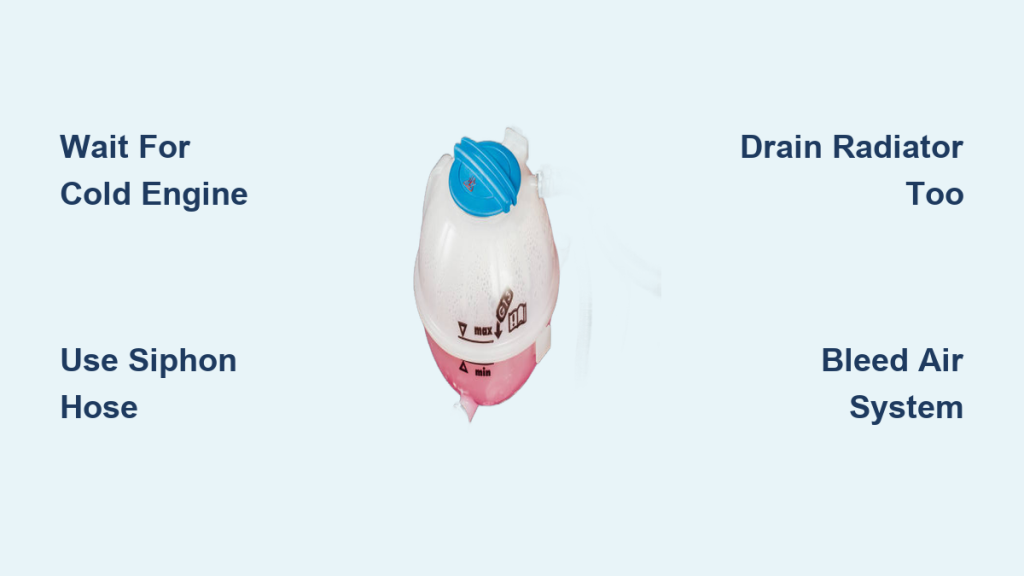
After coolant service, air pockets can get trapped. When heated, air expands and forces coolant out of the overflow, mimicking a leak. This is often called “air lock expulsion.”
Symptoms include coolant loss mainly after topping up, inconsistent cabin heat, and pressure test shows no leak yet fluid disappears. Fix it with proper bleeding using VCDS or OBDeleven to activate Audi’s built-in bleed mode. Or use the manual hill-start method: park nose-up, heater on max, idle with coolant cap off until flow stabilizes. Skipping this step leads to unnecessary disassembly and repeat visits.
Inspect for Pseudo-Leaks
Don’t Replace Parts Prematurely
Not all pink residue means a leak. High-pressure vapor from the expansion tank can spray coolant mist onto hot surfaces, drying into a pink crust that looks like a drip. Similarly, factory lubricants on hoses may weep slightly and mimic dried coolant.
To confirm, clean the area thoroughly, drive the car, and reinspect. True leaks leave fresh wetness or new crust. Pseudo-leaks remain static. Misreading these signs leads to premature water pump or housing replacement, costing hundreds for no reason.
Monitor Oil for Contamination
Catch Internal Leaks Early
Check the oil filler cap and dipstick monthly. Look for milky residue (“chocolate milk” oil), foam, or water droplets. But absence of these doesn’t rule out coolant ingress. Small or intermittent leaks, especially into combustion chambers, may not emulsify oil at all. If you smell sweet exhaust or see white smoke, suspect internal leakage even with clean oil.
Prevent Recurring Coolant Issues
Replace Ancillary Parts Early
When fixing one plastic component like the water pump, inspect and replace nearby parts including the coolant flange (Y-pipe), union pipe, hoses, and connectors. These often fail in sequence like dominos. Doing them all at once saves labor and prevents repeat visits. Experts recommend full inspection at 6 to 8 years or 60,000+ miles, regardless of symptoms.
Use Correct Coolant and Flush Schedule
Protect Against Corrosion
Always use Audi-approved G13 or G12++ coolant (Pentosin or equivalent). Never mix types—this causes gel formation and blockages. Flush and replace coolant every 4 to 5 years or 60,000 miles to prevent scale buildup, which increases operating temps and stresses plastic parts. A clogged radiator can’t cool efficiently, accelerating seal and hose wear.
Know Real Repair Costs
Compare Shop vs Dealership Pricing
| Repair | Independent Shop | Dealership |
|---|---|---|
| Water Pump + Housing | $850–$1,150 | $1,250–$1,650 |
| EGR Cooler Replacement | $900–$1,400 | $1,300–$1,800 |
| Oil Cooler Replacement | $800–$1,300 | $1,100–$1,600 |
| Pressure Test | $75–$125 | $100–$175 |
| UV Dye Test | $100–$150 | $150–$200 |
Dealerships charge $145+ per hour and use pricier OEM parts. An independent shop with VCDS access offers better value, especially for bleeding and diagnostics.
Claim Class Action Reimbursement
Get Money Back for Past Repairs
A class-action settlement in the U.S. covers premature water pump failures on 2.0L TFSI engines. Eligible owners may receive reimbursement for out-of-pocket repairs. Check the official settlement website or contact your dealer with proof of repair. While extended warranties exist in some regions, they’re often limited by mileage and model year. Don’t accept “normal consumption” as an excuse—this issue is recognized and compensable.
Key Takeaways for Fixing Your Audi Coolant Problems
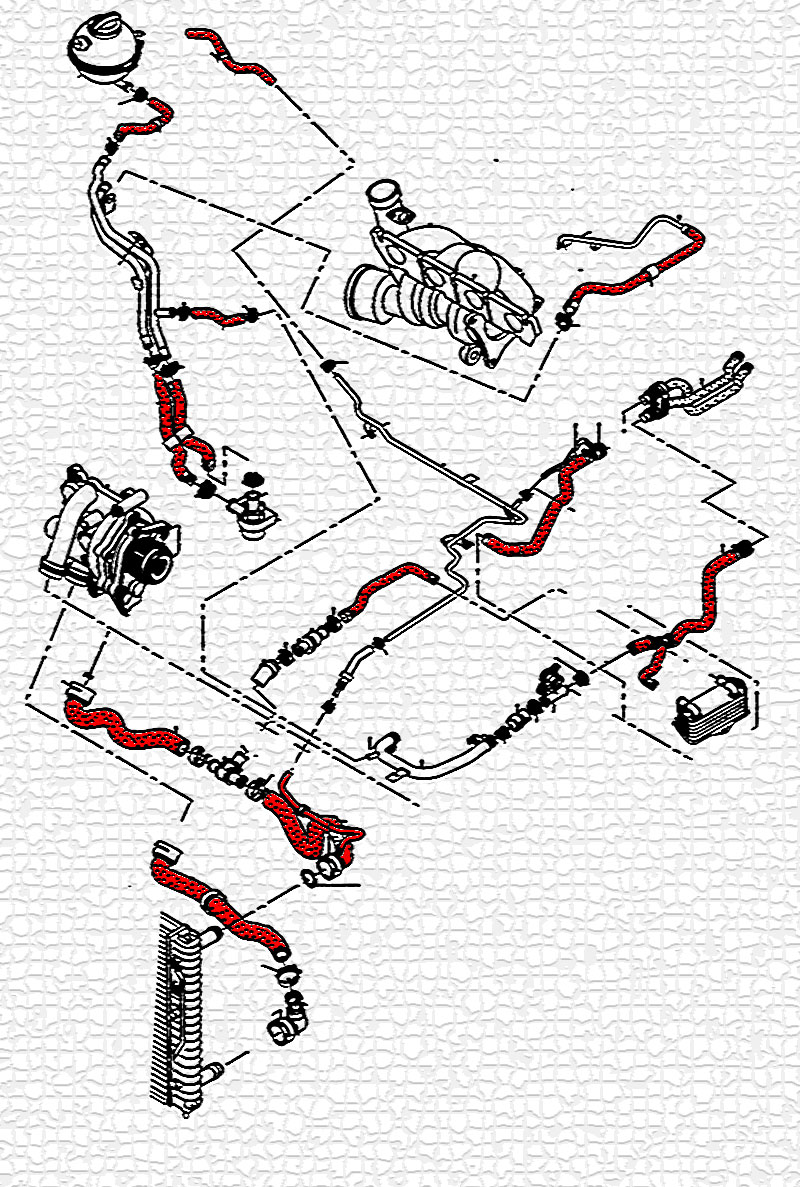
Audi coolant problems are not random—they’re systemic, driven by plastic parts in high-heat zones. The 2.0T EA888 engine is most at risk, but A3, A4, A5, A6, Q5, and others are affected. Leaks often hide until major damage occurs, so monthly coolant checks and early pressure testing are critical.
Key actions to take:
• Never ignore coolant top-ups
• Inspect for pink crust and sweet smells
• Use UV dye and block tests when leaks are hidden
• Replace plastic flanges with aluminum
• Bleed the system properly after service
• Replace all aging connectors during major repairs
Prevention beats a $3,000 engine rebuild. Stay vigilant, demand proper diagnostics, and fix the root cause, not just the symptom.
Frequently Asked Questions About Audi Coolant Problems
Why does my Audi lose coolant without overheating?
Many Audi coolant leaks occur only when the engine is hot or during cool-down, so the temperature gauge may stay normal while coolant escapes. Plastic components like the water pump housing and coolant flange develop tiny cracks that seal when cold but leak when heated. This is why you may need frequent top-ups without seeing an overheating warning.
Which Audi models have the most coolant problems?
The 2.0L TFSI (EA888) engines in 2017 to 2021 model A4, A5, and Q5 vehicles are most affected. However, A3, A6, Q3, Q7, and TT models also experience similar issues due to plastic coolant components in high-heat areas. The 1.8T engines in earlier B6/B7 A4s (2001 to 2008) are also vulnerable.
Can I drive my Audi with a coolant leak?
Driving with any coolant leak is risky. Even small leaks can lead to catastrophic engine damage if left unrepaired. Internal leaks (into the combustion chamber or exhaust) may not show visible puddles but can still cause head gasket failure or engine seizure. If your coolant warning light appears or levels drop consistently, address it immediately.
How do I find a hidden coolant leak in my Audi?
Start with a cooling system pressure test performed on a hot engine. Use UV dye added to the coolant and scan with a UV light to spot trace leaks. For internal leaks, use a block test to detect exhaust gases in the coolant. Inspect the engine bay 30 to 60 minutes after shutdown to catch heat-dependent leaks that cold tests miss.
Are Audi coolant leaks covered under warranty?
Audi extended warranties in some regions cover water pump failures on affected models, but coverage is often limited by mileage and model year. A U.S. class-action settlement provides reimbursement for some owners of 2.0L TFSI engines. Check with your dealer using your vehicle identification number (VIN) to confirm eligibility.
What’s the difference between G12++ and G13 coolant?
Both are Audi-approved coolants, but G13 is the newer formula with improved corrosion protection and longer service life. G12++ is still acceptable but is an older specification. Never mix G13 with G12++ or other coolant types, as this can cause gel formation and system blockages.