
If your car has ever pushed steam from under the hood or left a puddle of bright fluid, you know the panic of a failing cooling system. The overflow tank prevents this disaster by managing pressure and storing extra coolant when your engine gets hot.
This guide explains exactly how does an overflow tank work to keep your engine safe from overheating and corrosion. You will learn the difference between old and new designs, how pressure raises boiling points, and what to check during your next maintenance routine.
Why Coolant Expands and Needs Storage Space
Engine coolant expands significantly as it heats up during operation. Without a place to go, this extra volume would burst hoses or crack your radiator.
The Physics of Thermal Expansion
Coolant is typically a mix of water and ethylene glycol that grows in volume as temperatures rise. As your engine reaches operating temperature, the fluid pushes against the system walls with increasing force. The overflow tank provides a necessary buffer zone for this expanding liquid.
How Pressure Raises the Boiling Point
Pressurizing the system allows your engine to run hotter without boiling the coolant. While water boils at 212°F at sea level, a 15 psi system raises this limit to roughly 265°F. This higher threshold improves efficiency and prevents vapor lock inside the engine block.
Preventing Dangerous Over-Pressurization
The system relies on a spring-loaded valve to release excess pressure safely. Once pressure exceeds the cap rating, usually between 13 and 16 psi, the valve opens. This action diverts hot fluid into the storage tank rather than letting it escape into the engine bay.
How the Vacuum Return Cycle Functions
The magic of a closed-loop system happens when the engine cools down after you turn it off. This phase is critical for maintaining proper fluid levels without manual intervention.
Creating a Vacuum During Cool Down
As the engine stops generating heat, the coolant inside begins to contract. This reduction in volume creates a vacuum or negative pressure within the cooling circuit. A healthy system uses this vacuum to its advantage.
Drawing Coolant Back Automatically
The negative pressure pulls the stored coolant from the tank back into the radiator. This return flow happens through the same hose or a dedicated line depending on your vehicle design. The process ensures the radiator stays full and ready for the next drive.
Keeping Air Out of the System
Returning liquid coolant prevents air from entering the radiator or engine block. Air contains oxygen that accelerates metal corrosion inside your cooling components. A functioning return cycle keeps the system sealed and free of destructive air pockets.
Overflow Tank vs Expansion Tank Differences
Many people use these terms interchangeably, but they describe two distinct system architectures with different pressure characteristics.
Traditional Overflow System Design
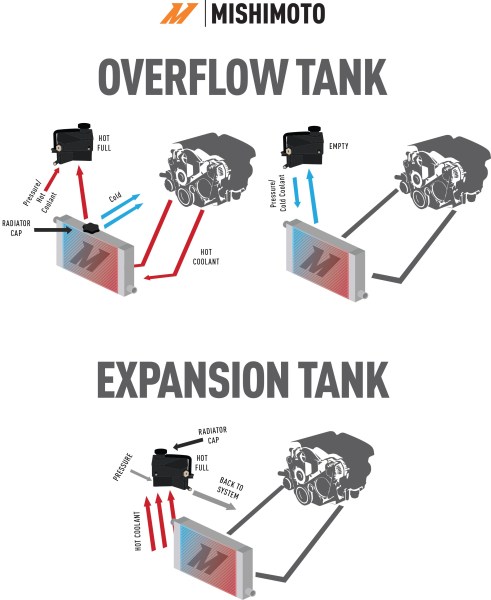
Older vehicles often use a radiator cap to control system pressure. The tank itself remains unpressurized and features a simple vented cap. Coolant flows in when hot and gets pushed back by atmospheric pressure when cool.
Modern Expansion Tank Architecture
Newer cars place the pressure cap directly on the plastic tank. This design makes the entire tank part of the high-pressure circuit. It often sits at the highest point of the cooling loop to aid in air separation.
Comparing Reliability and Performance
Modern expansion tanks generally offer better protection against air ingestion. They maintain a fully sealed environment that reduces evaporation and contamination. Traditional systems work well but allow more air exchange over time.
Critical Components Inside the Cooling System

Several specific parts work together to manage the flow and pressure of your engine coolant.
The Radiator Cap Valve Mechanism
This small component acts as the gatekeeper for your entire cooling system. It contains two valves: one for releasing high pressure and another for admitting fluid during vacuum conditions. Using the wrong pressure rating can cause premature failure.
Hose Routing and Connection Points
Proper hose installation ensures fluid moves in the right direction at the right time. Traditional setups may use a single hose for both outflow and return. Modern systems might employ separate lines to optimize flow dynamics.
Air Separation Features
The tank design helps separate air bubbles from the liquid coolant. Bubbles rise to the top while the system draws liquid from the bottom. This natural separation prevents hot spots that could warp cylinder heads.
Visual Design and Maintenance Indicators
Manufacturers design these tanks with specific materials and markings to help you monitor engine health easily.
Why Tanks Use Opaque White Plastic
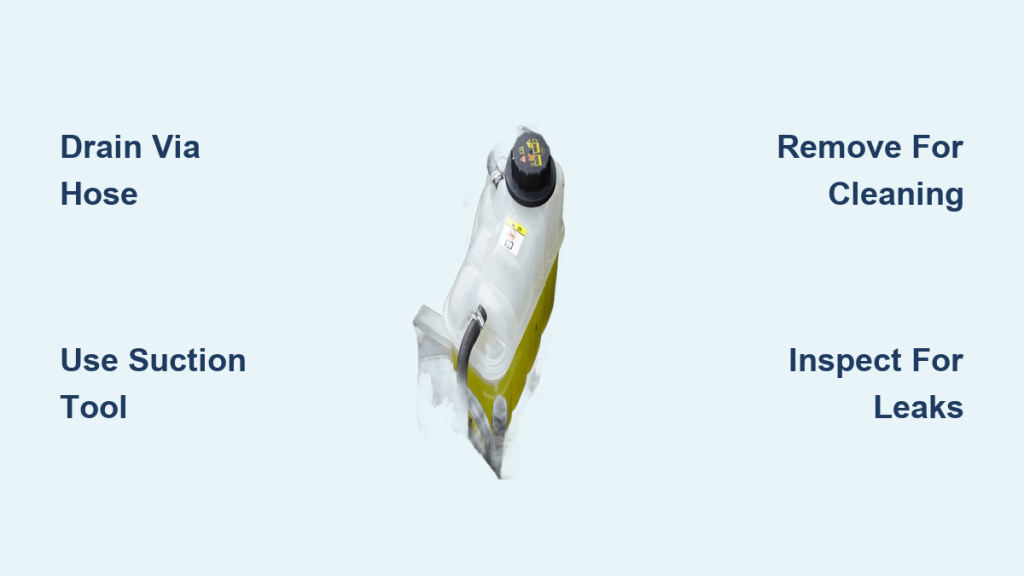
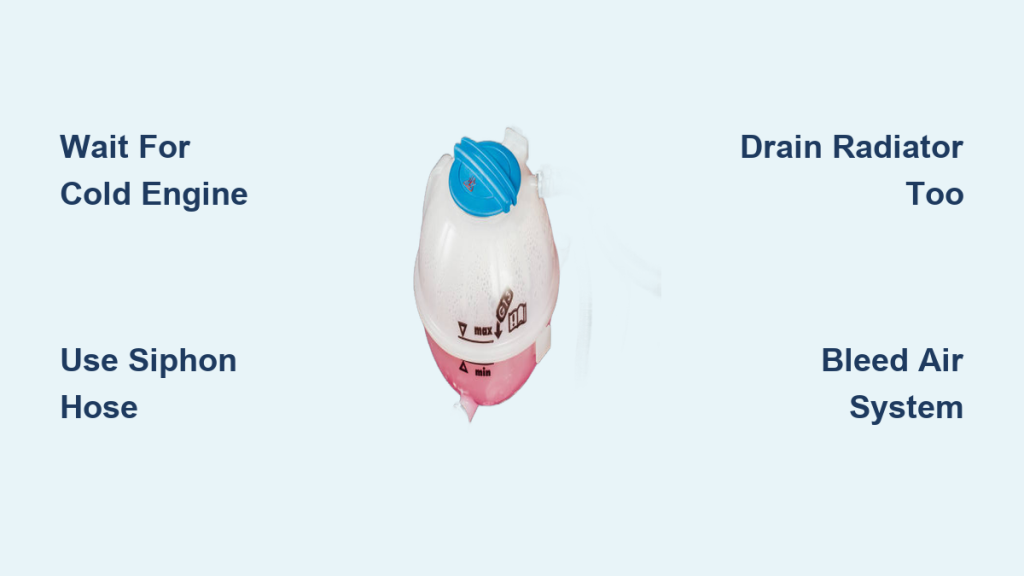
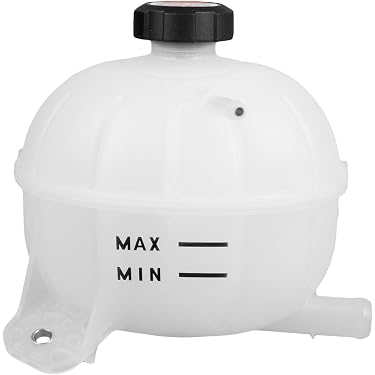
Most tanks are made from opaque white plastic rather than clear material. This choice improves resistance to UV radiation and engine heat. It also allows you to see the fluid color without letting light degrade the coolant.
Reading MIN and MAX Fill Lines
Molded markings on the side indicate proper fluid levels. You should always check these when the engine is cold. Fluid sitting between the lines ensures enough room for expansion and sufficient volume for operation.
Mounting Brackets and Vibration Resistance
Secure mounting prevents stress on hoses and connections. Engine vibration can crack a loose tank or wear through rubber lines quickly. Inspect brackets regularly to ensure the tank remains stable.
Troubleshooting Common Coolant Problems
Identifying issues early can save you from expensive engine repairs or total failure.
Coolant Fails to Return to Radiator
If the tank stays full while the radiator runs low, the return cycle is broken. Check for a stuck cap valve, a kinked hose, or a crack in the tank itself. Air leaks will prevent the vacuum from pulling fluid back.
Persistent Low Coolant Levels
Dropping fluid levels without visible puddles suggest internal leaks. A blown head gasket might be burning coolant or pushing it into the oil. Look for white exhaust smoke or milky oil as confirmation.
Overheating Despite Full Tank
A full tank does not guarantee proper cooling if air pockets exist. Air blocks heat transfer and causes localized boiling. Bleed the system according to manufacturer instructions to remove trapped air.
Maintenance Best Practices for Long Life
Regular checks keep your cooling system efficient and your engine protected from thermal damage.
When to Check Coolant Levels
Always inspect the tank after the engine has cooled completely. Opening a hot system can cause severe burns from erupting steam. Wait until the morning or several hours after driving.
Replacing Cracked or Brittle Tanks
Plastic degrades over years of heat exposure and vibration. Replace any tank showing signs of cracking or discoloration immediately. A small crack can break the vacuum seal and ruin the return function.
Testing and Replacing Caps
Caps lose their ability to hold pressure as springs wear out. Test your cap with a pressure tool every few years. Replace it if it does not hold the specific psi rating required by your vehicle.
Frequently Asked Questions About Overflow Tanks
Can I drive with a cracked overflow tank?
No, you should not drive with a cracked tank. The crack allows air to enter, breaking the vacuum seal needed to return coolant. This leads to overheating and potential engine damage.
Why is my overflow tank empty when cold?
An empty tank usually means the system failed to pull coolant back after the last drive. Check for a blocked hose, a faulty cap, or a leak that prevented vacuum formation.
How often should I replace my coolant?
Most manufacturers recommend replacing coolant every 30,000 to 50,000 miles. Old coolant loses its anti-corrosion properties and can damage internal components over time.
What causes coolant to bubble in the tank?
Bubbling often indicates combustion gases leaking into the cooling system. This suggests a blown head gasket or cracked cylinder head requiring immediate professional attention.
Is it normal for the overflow tank to be hot?
Yes, the tank will be warm or hot after driving since it holds coolant from the engine. However, steam or boiling fluid indicates excessive pressure or a thermostat failure.
Key Takeaways for Understanding How Overflow Tanks Work
Understanding how does an overflow tank work helps you maintain a healthy engine and avoid costly repairs. The system manages thermal expansion, maintains pressure to raise boiling points, and automatically returns coolant to prevent air ingestion. Regular inspection of hoses, caps, and fluid levels ensures this critical component protects your engine for years to come. Check your coolant levels when the engine is cold today to ensure your system is ready for the road.