Neglecting your vehicle’s cooling system can lead to catastrophic engine failure, often without warning. One of the most critical yet overlooked maintenance tasks is knowing how often to flush radiator fluid. Over time, coolant breaks down, loses its protective properties, and turns into corrosive sludge that damages internal components. While some drivers wait until the engine overheats, proactive flushing prevents expensive repairs like blown head gaskets or cracked engine blocks.
The truth is, there is no universal timeline. The ideal radiator flush interval depends on your vehicle’s age, coolant type, driving conditions, and manufacturer recommendations. Modern cars with extended-life coolant may go up to 100,000 miles between services, while older models might need flushing every 30,000 miles. This guide breaks down exactly when and why to flush your radiator, how to spot trouble early, and what happens if you wait too long.
Coolant Type Determines How Often to Flush Radiator
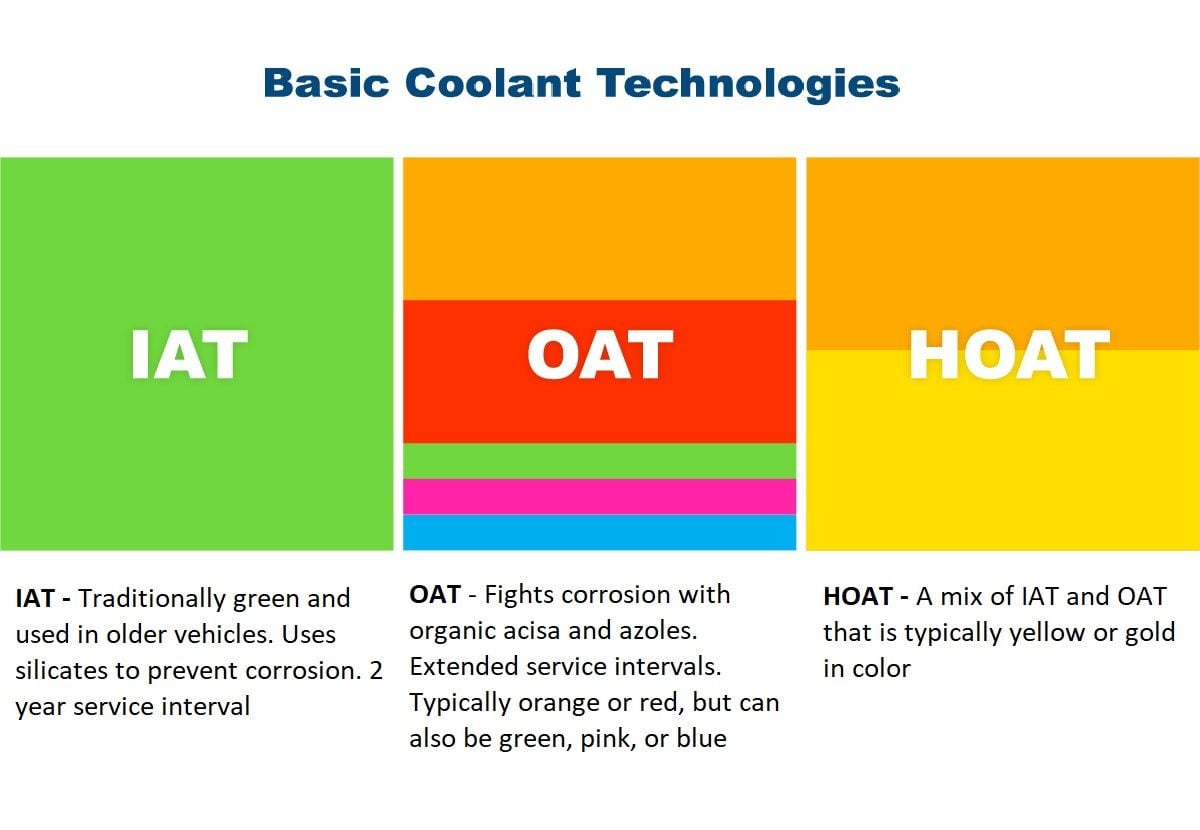
Your vehicle’s antifreeze chemistry is the number one factor in determining how often to flush radiator fluid. Different formulations degrade at different rates, so identifying your coolant type is essential for accurate maintenance scheduling.
Green Silicated Coolant: Every 2 Years
Vehicles using traditional green antifreeze require more frequent servicing. This silicate-based formula protects aluminum components but breaks down quickly, usually within two years. Once the additives deplete, the fluid becomes acidic and begins corroding the water pump, radiator, and heater core.
If your coolant is bright green and your owner’s manual does not specify otherwise, plan to flush it every 2 years or 30,000 miles, whichever comes first. Even if the fluid looks clean, its protective properties are likely gone after this point.
Pro Tip: Never mix green coolant with newer types. Doing so can form a gel-like substance that clogs passages and causes instant overheating.
Orange and Gold Extended Life Coolant: Up to 5 Years
Modern vehicles typically use orange, yellow, or gold extended-life coolants, often labeled OAT (Organic Acid Technology). These formulations last significantly longer because they do not rely on silicates for protection.
Most manufacturers recommend flushing every 5 years or 100,000 miles with these coolants. They are commonly found in newer Jeeps, RAM trucks, GM vehicles, and many import models. Always verify the correct type in your owner’s manual. Using the wrong coolant can void warranties or damage the system.
Visual Check: If your coolant is still vibrant after 60,000 miles, it is likely holding up. But if it is turning brown or murky, flush it immediately regardless of mileage.
Universal Baseline: 3 Years or 30K Miles
When in doubt, use the 3-year or 30,000-mile rule as a safe default. This middle-ground interval protects older systems and accounts for variables like short-trip driving, extreme temperatures, or unknown service history.
This schedule works well for:
– Vehicles with mixed or unknown coolant types
– High-mileage cars without recent service records
– Drivers in hot climates or stop-and-go traffic
Sticking to this rhythm ensures corrosion inhibitors remain effective and prevents sludge buildup before it starts.
Older Vehicles Need More Frequent Flushing
Cars over 10 years old face greater cooling system risks due to aging components and cumulative wear. Even with long-life coolant, older radiators, hoses, and gaskets are more vulnerable to damage from degraded fluid.
Flush Every 2 to 3 Years After 10 Years
Once your vehicle hits the decade mark, shorten the flush interval to every 2 to 3 years or 30,000 to 50,000 miles. Older systems often have micro-scale rust and minor deposits that accelerate additive breakdown in coolant.
The longer contaminated fluid circulates, the more it attacks weak points:
– Brittle hoses may crack under chemical stress
– Water pump seals dry out without proper lubrication
– Thermostats stick due to mineral buildup
Expert Note: If your older car has ever overheated or had a coolant leak repaired, consider annual flushes. Past trauma increases future risk.
Why Annual Flushes May Be Needed
Certain conditions justify yearly radiator flushes:
– Frequent towing or hauling
– Stop-and-go city driving
– History of overheating
– Visible rust in the overflow tank
While not every older car needs this level of attention, monitoring fluid condition closely allows you to adjust based on actual system health.
New Cars: Follow the Manufacturer Schedule
Brand-new vehicles come with factory-fill coolant designed to last. There is no need to flush a new radiator prematurely. Doing so wastes money and offers zero benefit.
No Flush Needed Under 10,000 Miles
For new cars with less than 10,000 miles, trust the factory fill. Modern manufacturing ensures precise coolant mixtures and air-free systems. Unless you notice contamination like milky fluid or debris, leave it alone.
Instead, focus on regular visual inspections:
– Check coolant level monthly
– Look for leaks under the car
– Monitor temperature gauge behavior
These habits help catch issues early without unnecessary service.
Stick to the Owner’s Manual Interval
Most new vehicles specify the first coolant change between 50,000 and 100,000 miles. Some luxury brands go even longer. Always follow your manual’s guidance over generic advice.
Deviating from the recommended schedule could impact warranty coverage. If you are unsure, consult your dealership service department. They can confirm the correct coolant type and interval.
What Coolant Actually Does
Understanding coolant’s role makes it easier to appreciate why flushing matters. It is not just radiator water. It is a precision-engineered fluid critical to engine survival.
Prevents Overheating and Freezing
Engines produce combustion temperatures up to 4,500°F. Without coolant, aluminum parts, which melt around 1,225°F, would fail rapidly. Coolant absorbs heat from the engine block and carries it to the radiator, where airflow dissipates it.
It also prevents freezing in winter. A 50/50 mix of antifreeze and water lowers the freezing point to -34°F and raises the boiling point to 265°F, essential for year-round protection.
Inhibits Corrosion and Lubricates Components
Coolant contains additives that prevent rust and scale in iron, aluminum, and copper components. Without them, metal particles break loose and clog narrow passages.
It also lubricates the water pump’s seals and bearings. Old coolant loses this property, leading to premature pump failure, a common issue in neglected systems.
Why Water Alone Fails
Using plain water is dangerous:
– Boils at 212°F (too low for engine temps)
– Freezes in cold weather, risking cracked blocks
– Causes rapid rust formation
– Offers zero lubrication
Even distilled water lacks the necessary additives. Always use proper coolant mixed correctly.
Signs You Need a Radiator Flush Now
Do not wait for the next scheduled service if you notice these red flags. Immediate flushing can prevent major damage.
Sweet Smell Under the Hood
A syrup-like odor means ethylene glycol is leaking or burning off. This sweet-smelling chemical is highly toxic to pets and wildlife. It often escapes through cracked hoses, leaking radiator seams, or failed water pump seals.
Locate the source immediately and flush the system before refilling.
Brown or Milky Coolant
Healthy coolant is bright green, orange, or pink. If it looks brown, murky, or milky, the inhibitors have failed and contamination is present.
Milky fluid may indicate oil mixing in, which signals possible head gasket failure. Have the system inspected by a professional if this occurs.
Steam or Overheating
Visible steam from under the hood signals boiling coolant. If the temperature gauge climbs into the red zone, shut off the engine immediately.
Common causes include sludge blocking radiator tubes, air pockets from low coolant, or a failed thermostat. Flush the system once cooled and inspect all components.
Cold Heater in a Warm Engine
Your cabin heater uses hot coolant from the engine. If the engine runs warm but the heater blows cold air, the heater core is likely clogged with sludge.
A full radiator flush often restores heat. If not, the core may need replacement, a much more expensive fix.
Gurgling Noises on Startup
Hearing bubbling or gurgling sounds when starting the engine indicates trapped air in the cooling system. This usually happens after a leak or low coolant level.
Air pockets reduce cooling efficiency and can cause localized overheating. Flush and properly bleed the system to remove them.
How to Flush a Radiator Properly
A true radiator flush removes all old fluid and debris, not just what drains from the bottom. A simple drain leaves up to 50% of contaminants behind.
Professional Flush vs DIY
Professional Service:
– Costs under $40 for labor (fluid extra)
– Uses pressurized machine to force cleaner through block and heater core
– Includes full system inspection for leaks and worn parts
DIY Approach:
– Saves money if you have tools and disposal access
– Requires more time and effort
– Risk of improper bleeding or mixing coolants
For most drivers, professional service offers better results and peace of mind.
Step-by-Step DIY Flush
-
Cool Engine First
Never open the radiator cap on a hot engine. Wait until completely cool to avoid steam burns. -
Drain Old Fluid
Place a pan under the radiator. Open the drain plug and let all fluid empty. Close securely. -
Add Flush Solution
Pour radiator cleaner (such as Hy-per Cool) into the reservoir. Fill the rest with water. -
Run Engine for 10 Minutes
Start engine with heater on max. Let it run to circulate cleaner through the heater core. -
Drain and Rinse
Cool engine, then drain again. Refill with water, run briefly, and drain. Repeat until water runs clear. -
Refill with Correct Mix
Use 50% antifreeze and 50% distilled water unless climate requires 70/30. Pour slowly to avoid air pockets. -
Bleed the System
Run engine with cap off until bubbles stop. Replace cap and check level after cooling.
Avoid These Common Mistakes
- Mixing coolant types (causes gelation)
- Using tap water (minerals cause scaling)
- Skipping the rinse cycle (old sludge contaminates new fluid)
- Forgetting to check hoses and cap during service
Consequences of Skipping Flushes
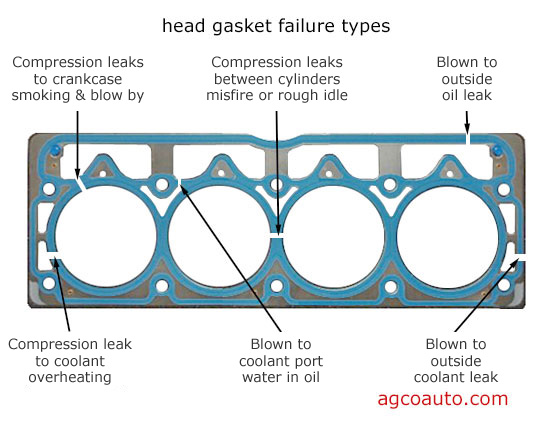
Delaying a radiator flush turns a $40 service into a $1,500+ repair. The damage is progressive and often irreversible.
Short-Term Effects
- Overheating in traffic: Coolant loses heat capacity, so engine runs hot even if fans work
- Cold cabin heat: Clogged heater core blocks warm fluid flow
- Leak acceleration: Corroded seals worsen existing drips
These issues reduce comfort and fuel efficiency before major failure hits.
Long-Term Damage
- Water pump failure: Lack of lubrication destroys bearings
- Radiator clogs: Sludge blocks tubes, reducing airflow and cooling
- Blown head gasket: Repeated overheating warps the cylinder head
- Cracked engine block: Severe overheating or freezing splits metal
Once these occur, replacement costs far exceed years of preventive flushing.
Frequently Asked Questions About Radiator Flushing
How often to flush radiator fluid in a new car?
For new cars with less than 10,000 miles, no flush is needed. Trust the factory fill and follow the owner’s manual schedule, typically between 50,000 and 100,000 miles for the first service.
Can I use water instead of coolant after flushing?
No. Plain water lacks corrosion inhibitors, freezes in cold weather, and boils too easily. Always refill with a proper 50/50 mix of antifreeze and distilled water after flushing.
What color should healthy coolant be?
Healthy coolant appears vibrant green, orange, gold, or pink depending on the type. If it looks brown, murky, or milky, the corrosion inhibitors have failed and a flush is needed immediately.
How much does a professional radiator flush cost?
Professional radiator flush services typically cost under $40 for labor, not including the new coolant. This small investment prevents thousands of dollars in potential engine repairs.
Is it safe to flush a radiator yourself?
Yes, as long as the engine is completely cool before you begin. Always use the correct coolant type, distilled water for rinsing, and dispose of old fluid as hazardous waste.
Do I need to flush the radiator if I only do short trips?
Yes. Short trips prevent the engine from reaching full operating temperature, which accelerates additive breakdown and moisture buildup. Consider flushing every 2 to 3 years if you primarily drive short distances.
Key Takeaways for Knowing How Often to Flush Radiator

Understanding how often to flush radiator fluid protects your engine from costly damage. Green coolant needs flushing every 2 years or 30,000 miles. Extended-life orange or gold coolant can last up to 5 years or 100,000 miles. Older vehicles benefit from more frequent service, while new cars should follow the manufacturer’s manual.
Watch for warning signs like sweet smells, brown coolant, cold cabin heat, or gurgling noises. These signals mean you should flush immediately, regardless of your schedule. A simple drain leaves contaminants behind, so choose a full flush for best results.
Your next step: Check your coolant color and level today. If you cannot remember your last flush or your fluid looks discolored, schedule a service within the next month. This small investment keeps your engine cool, your cabin warm, and your repair bills low for years to come.