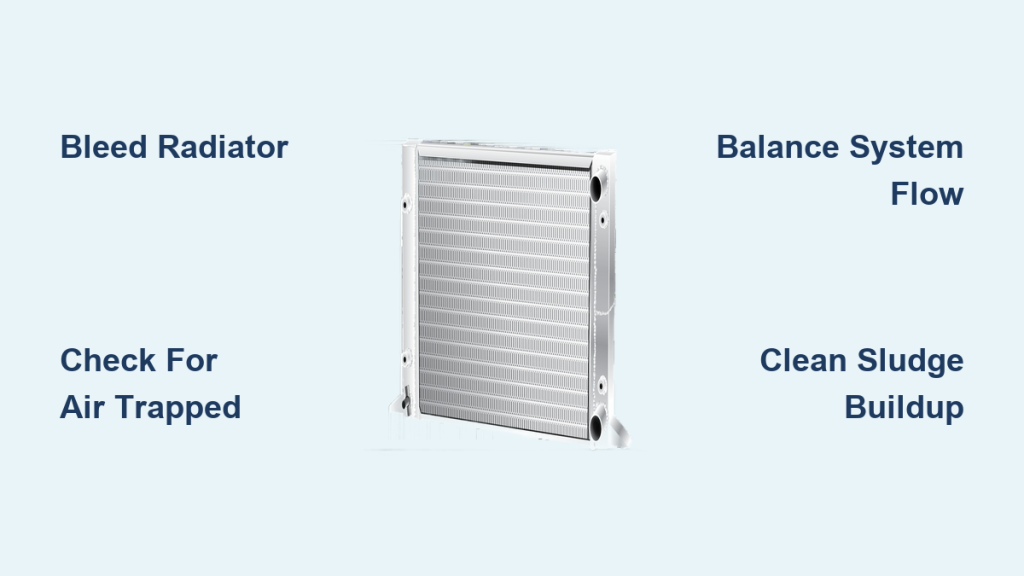
Radiators warm homes through a quiet, fan-free process that relies on basic physics rather than forced air. Unlike furnaces that blast heated air through ducts, radiators use metal surfaces to transfer warmth gradually and evenly throughout a room. Understanding how does radiator heat work reveals why these systems remain popular in everything from historic brownstones to modern apartments.
This guide breaks down the science behind radiator heating, explains the different system types, and shows you how to keep your radiators running efficiently. You will learn about heat transfer methods, valve controls, sizing requirements, and practical fixes for common issues. Whether you are installing new units or troubleshooting existing ones, this resource covers everything you need to know.
The Three Heat Transfer Methods Behind Radiator Heating

Radiators distribute warmth using three physical processes that work simultaneously. Each method contributes differently to the overall heating effect, which is why radiators feel distinct from other heating appliances.
Conduction: Heat Moving Through Metal Surfaces
Conduction serves as the first stage of heat transfer inside the radiator itself. When hot water or steam enters the unit, thermal energy passes from the fluid into the metal walls. Metals like steel, aluminum, and cast iron conduct heat efficiently, allowing the radiator body to warm up quickly. Thinner materials heat faster, while thicker cast iron takes longer to warm but holds heat for extended periods after the system shuts off.
Convection: The Natural Air Circulation Process
Once the metal surface becomes hot, it warms the air layer in direct contact with it. This triggers natural convection: warm air rises because it is less dense, while cooler air moves in to replace it at the bottom. This creates a continuous circulation pattern that gradually distributes warmth throughout the room. Most radiators include fins or panels that expand surface area, boosting convective output without requiring any fan or mechanical assistance.
Radiation: Direct Infrared Warmth for People and Objects
Despite the name, standard radiators rely primarily on convection. However, they also emit infrared radiation, which travels in straight lines and heats solid objects, walls, and people directly. Unlike convection that warms air, radiant heat provides immediate comfort when you stand near the unit. Some specialized electric panels maximize this effect for targeted heating in bathrooms or workspaces.
The Radiator Heating Cycle Step by Step
Every radiator system follows a closed-loop cycle that repeats as long as heat is needed. Each stage plays a critical role in maintaining consistent warmth throughout your home.
Heat Generation at the Boiler or Heating Element
Hydronic systems depend on a boiler to heat water or produce steam. Gas, oil, and electric boilers raise water temperatures to between 60 and 90 degrees Celsius. Electric radiators work differently, using internal elements that convert electricity directly into thermal energy. Steam systems, common in older buildings, boil water completely to create pressurized vapor that rises through pipes on its own.
Fluid Distribution Through the Pipe Network
In hot water systems, a circulation pump pushes heated fluid through insulated pipes to each radiator. Some older installations use gravity-fed circulation, where hot water naturally rises and cooled water returns downward due to density differences. Steam systems rely on pressure alone to move vapor upward, requiring no pump at all.
Heat Exchange Inside the Radiator Unit
As heated fluid enters the radiator, the metal body absorbs thermal energy through conduction. Panel radiators use internal fins to expand surface area and increase efficiency. The radiator temperature rises until it begins releasing heat into the room through convection and radiation. In steam units, you may notice slight creaking sounds as metal expands with heat, which is completely normal.
Return Flow: Cooled Fluid Travels Back
After releasing heat, the water cools and flows back to the boiler through a return pipe. In steam systems, condensed water drains back by gravity. The boiler reheats the returning fluid and restarts the cycle. Maintaining proper pressure and flow ensures every radiator receives adequate heat.
Valve Types and Temperature Control Systems
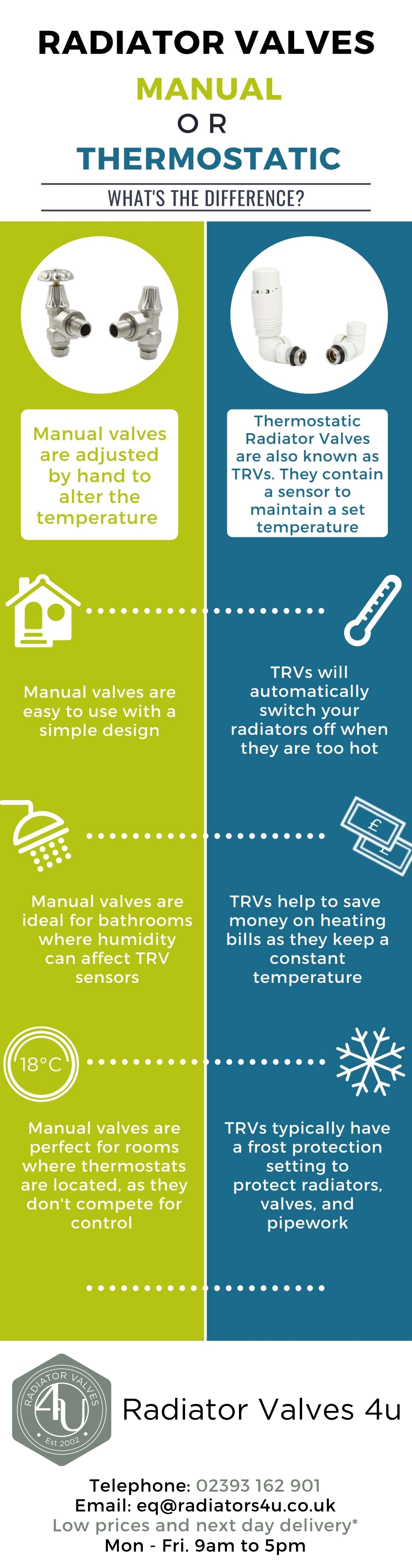
Modern radiators function as adjustable heating components rather than passive units. Valves and thermostats let you fine-tune comfort levels while reducing energy waste.
Manual Valves Versus Thermostatic Options
Manual valves operate as simple on/off controls with no automatic adjustment capability. Users must turn them fully open or closed, which often leads to overheating in unused rooms.
Thermostatic Radiator Valves (TRVs) include built-in temperature sensors that adjust water flow automatically. When the room reaches your set temperature, the valve reduces flow. If the room cools, the valve opens again. This automatic regulation prevents overheating and can cut energy use by up to 20 percent.
Smart and Programmable Valve Features
Programmable TRVs let you set daily heating schedules, such as warmer temperatures in the morning and cooler settings at night. Smart TRVs connect via WiFi or Bluetooth to smartphone apps, allowing remote control and integration with home automation systems like Google Home or Alexa. Lockshield valves, hidden beneath caps, balance the system by adjusting flow resistance across individual radiators.
Central Thermostats for Whole-House Management
While TRVs manage individual rooms, the central thermostat controls the entire heating system. It signals the boiler to activate or shut off based on average home temperature. Smart thermostats learn your habits, optimize heating schedules, and display real-time energy consumption data for maximum efficiency.
Radiator Types and Their Specific Functions
:max_bytes(150000):strip_icc()/hot-water-vs-steam-radiators-1821916_V3-718158766dc344c0a8a5976fa7002b65.png)
Different radiator designs suit different homes, climates, and installation requirements. The type you choose affects heating speed, efficiency, and aesthetics.
Steam Radiators: Traditional Systems in Older Buildings
Steam systems dominated early 20th-century construction and remain common in historic properties today.
Cast-iron freestanding units are heavy, durable, and slow to heat up, but they retain warmth for hours after the boiler stops. These vintage radiators often last over 100 years and are prized for their classic appearance.
Baseboard steam systems offer lower-profile installations along walls. They use the same steam principles but with smaller piping and reduced visual impact, making them ideal for narrow spaces or heritage renovations.
Ceramic steam radiators represent a modern upgrade. They emit heat efficiently while staying cooler to the touch, reducing burn risks and improving energy efficiency compared to traditional metal units.
Hot Water Radiators: The Modern Residential Standard
Most contemporary homes use hydronic hot water systems where a boiler heats water circulated by a pump.
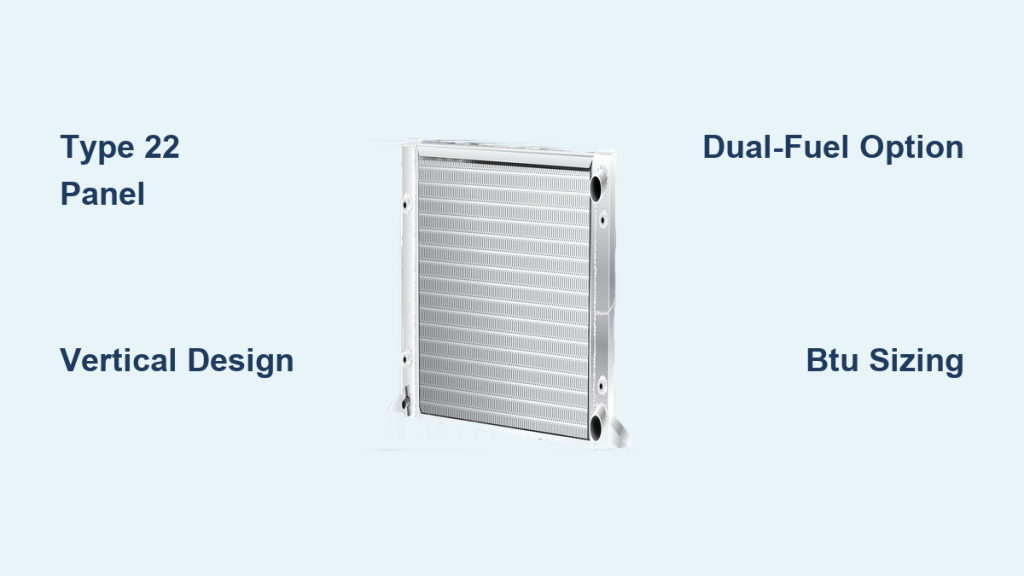
Panel radiators are the most common type in modern construction. These steel or aluminum units feature internal fins that boost heat output. Single or double panel configurations offer different heating capacities to match room requirements.
Cast iron hot water radiators appear in retrofits and heritage homes. They respond more slowly than steel but excel at retaining heat for extended periods.
Underfloor heating systems run water-filled pipes beneath the flooring surface. Heat rises evenly across the entire floor, creating ideal conditions for bathrooms and open-plan living areas.
Electric Radiators: Independent Heating Solutions
These units plug directly into mains electricity and operate without boilers or pipework. They work well for additions, off-grid homes, or supplemental heating needs.
Oil-filled radiators contain sealed thermal oil heated by an internal element. The oil circulates naturally within the unit, transferring heat to metal fins that warm the room through convection. These units stay warm long after switching off and operate silently.
Electric panel radiators feature slim, wall-mounted designs with rapid heat-up times. Most include built-in thermostats and timers, making them suitable for home offices or guest rooms.
Infrared radiators emit electromagnetic waves that heat objects and people directly rather than warming air. They provide silent, instant comfort and often feature decorative finishes like mirrors or artwork.
Electric storage heaters contain ceramic bricks that absorb heat during off-peak hours when electricity costs less. They release stored warmth throughout the day, though this older technology is being phased out in many regions.
Electric towel rails serve bathrooms by warming towels and the surrounding space. Single-element models maintain fixed temperatures, while thermostatic versions allow adjustable settings. Many now support WiFi control for added convenience.
Dual Fuel Radiators: Year-Round Flexibility
Dual fuel models, commonly used as heated towel rails, connect to both central heating and a separate electric element. You can use hot water during winter and switch to electric mode in summer without running the entire boiler. This setup also provides backup heating during power outages if the central system remains operational.
Proper Sizing and System Balancing

Choosing the correct radiator size and balancing water flow ensures even heating throughout your home while minimizing energy waste.
BTU Calculation for Correct Sizing
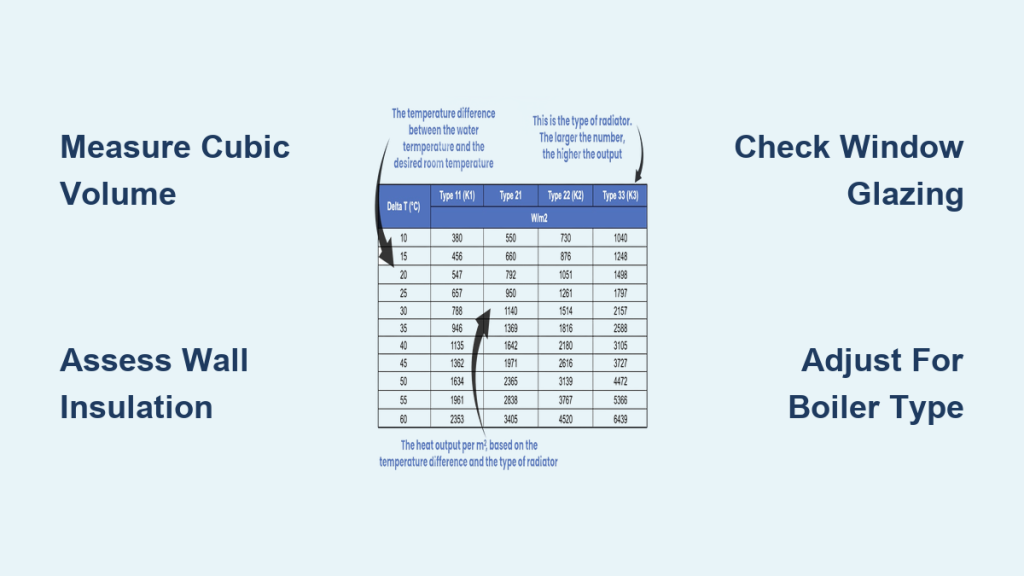
Heat output is measured in British Thermal Units (BTUs). To determine the right radiator size for any room:
- Measure the room dimensions including length, width, and height
- Assess insulation quality, window count, and exterior wall exposure
- Use an online BTU calculator to determine required output
- Match the radiator’s listed BTU rating to your calculated needs
An undersized unit fails to heat the room adequately, while an oversized unit cycles too frequently and wastes energy.
Balancing Radiators for Uniform Heat Distribution
In multi-radiator systems, water flows faster to units closest to the boiler, leaving distant radiators cooler. Balancing corrects this imbalance:
- Turn off the system and identify all radiators
- Open all valves fully
- Restart the boiler and allow the system to heat completely
- Measure inlet and outlet pipe temperatures with a thermometer
- Adjust lockshield valves until each radiator shows a 10 degree Celsius temperature drop
- Radiators with larger drops need increased flow; smaller drops require restriction
Proper balancing ensures every room reaches the target temperature efficiently.
Common Radiator Problems and Practical Solutions
Even well-maintained radiators occasionally develop issues. Most problems are straightforward to diagnose and fix without professional help.
Trapped Air Causing Cold Spots and Noise
When air accumulates inside a radiator, it blocks water flow and creates cold patches, typically at the top of the unit. You may also hear gurgling or banging sounds as air moves through the system.
The solution is bleeding the radiator. Use a bleed key to open the valve at the top corner, allowing air to escape until water flows steadily. Close the valve tightly once water appears. Perform this maintenance annually.
Sludge Buildup Creating Cold Patches
Older systems accumulate rust and debris that settles at the bottom of radiators, causing cold spots and reduced efficiency. Flushing the system with chemical cleaner removes existing buildup, while installing a magnetic filter prevents future accumulation.
Leaks Around Valves and Connections
Water pooling beneath a radiator or near valve connections indicates a leak. Turn off the system immediately, drain the affected radiator if necessary, and tighten connections. Replace faulty valves or contact a professional for pipe repairs.
Noisy Operation from Banging and Whistling
Unusual sounds typically result from trapped air, loose mounting brackets, or water moving too quickly through pipes. Bleeding the radiator, securing loose brackets, or rebalancing the system usually resolves these issues.
Efficiency Improvements and Safety Guidelines
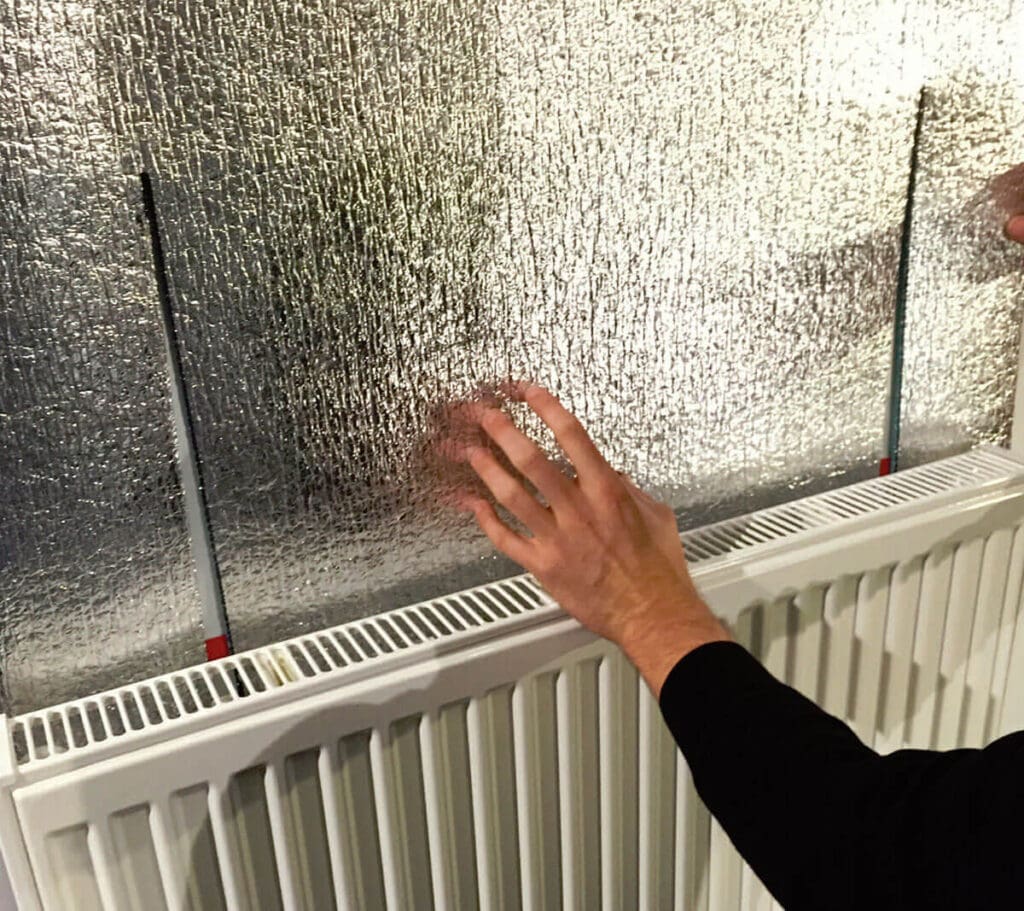
Simple modifications can boost radiator performance while ensuring safe operation throughout your home.
Reflective Insulation for Exterior Wall Installations
Radiators mounted on exterior walls lose heat backward into the wall structure. Installing reflective foil insulation with an aluminum facing between the radiator and wall redirects heat into the room. This inexpensive modification costs under 20 dollars and improves efficiency immediately.
Maintaining Proper Airflow Around Radiators
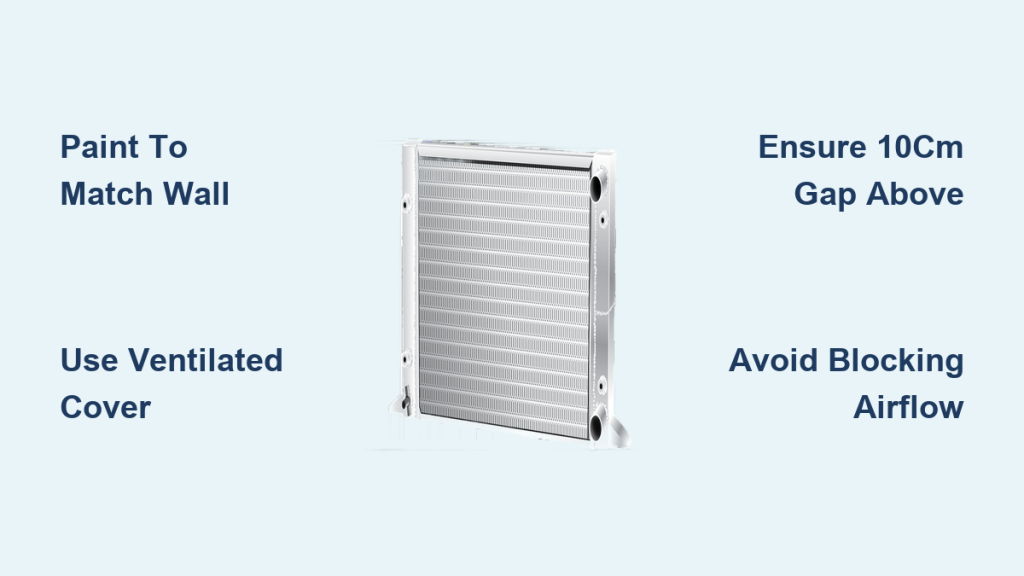
Furniture, curtains, and sofas placed in front of radiators block convection currents and reduce heating efficiency. Maintain at least 15 centimeters of clearance on all sides. Blocking airflow not only wastes energy but also creates fire hazards when fabrics overheat.
Surface Temperature Safety for Children and Pets
Traditional cast iron and steel radiators can exceed 70 degrees Celsius, posing burn risks. Install radiator covers or guards in homes with young children or pets. Modern oil-filled and ceramic units stay cooler to the touch and provide safer alternatives for high-traffic areas.
Built-In Safety Features in Electric Models
Modern electric radiators include safety cut-outs that shut off power if internal temperatures rise too high. Portable models feature tilt sensors that deactivate the unit if knocked over, making them significantly safer than open-element heaters.
Ideal Users and Applications for Radiator Heating
Radiators suit diverse homes, climates, and heating requirements. Understanding which scenarios benefit most helps you decide if radiator heating matches your needs.
Cold Climate Regions with Extended Winters
Areas with long, harsh winters benefit from hydronic radiator systems that provide steady, reliable warmth without drafts. The thermal mass of cast iron and water-based systems ensures comfort persists even during brief boiler shutdowns.
Historic Properties with Existing Pipework
Older homes often already contain steam or hot water piping. Restoring original cast iron radiators preserves architectural character while providing decades of additional service. Adding TRVs brings modern efficiency to heritage systems.
Supplemental Heating for Specific Rooms
Electric oil-filled or panel radiators work perfectly for converted attics, sunrooms, or guest bedrooms. Heating only occupied rooms reduces energy bills by avoiding whole-house boiler operation.
Off-Grid Homes Without Gas Access
Properties without gas mains can rely entirely on electric radiators. Pairing them with solar panels or smart electricity tariffs creates cost-effective heating solutions. Infrared and oil-filled models offer efficient, silent warmth.
Bathrooms and Moisture-Prone Areas
Electric towel rails and infrared panels deliver on-demand heat in bathrooms and kitchens. These units warm spaces quickly without waiting for central system activation, providing instant comfort when needed.
Frequently Asked Questions About How Does Radiator Heat Work
What are the main heat transfer methods radiators use?
Radiators use three heat transfer methods working together. Conduction moves heat from hot water or steam into the metal body. Convection circulates warm air throughout the room as heated air rises and cooler air replaces it. Radiation emits infrared energy that warms people and objects directly. Convection handles most of the heating work in standard radiators.
How long does it take for a radiator to heat up?
Heating time depends on the radiator type and material. Steel panel radiators warm up within 10 to 15 minutes. Cast iron units take 30 minutes or longer due to their greater thermal mass. Oil-filled electric radiators typically reach full temperature in 15 to 20 minutes. Once heated, cast iron retains warmth for hours after the system shuts off.
Can radiators work without a boiler?
Yes, electric radiators operate independently without any boiler or pipework. They plug directly into mains electricity and contain internal heating elements. Oil-filled, panel, and infrared models all function as standalone units. This makes them ideal for homes without central heating systems or for heating individual rooms efficiently.
Why is one radiator colder than others in my home?
Uneven heating usually indicates a balancing issue or trapped air. Radiators closest to the boiler receive hotter water faster, while distant units get cooler flow. Bleeding the cold radiator removes trapped air that blocks water circulation. If bleeding does not help, the system may need professional balancing to adjust flow rates across all units.
Are radiators more efficient than forced-air heating?
Radiators offer several efficiency advantages over forced-air systems. They operate silently without fans, do not circulate dust and allergens, and provide draft-free heating. Radiators lose less heat through ductwork since pipes are better insulated. However, they take longer to heat a cold room initially compared to forced-air systems that deliver immediate warmth.
How often should I bleed my radiators?
Bleed radiators at least once annually, ideally before the heating season begins in autumn. Systems with frequent air buildup may need bleeding every few months. Signs that bleeding is needed include cold spots at the top of radiators, gurgling sounds, or uneven heating across the unit. Regular bleeding maintains optimal performance and prevents corrosion.
Key Takeaways for Understanding How Does Radiator Heat Work
Radiator heating operates through three fundamental heat transfer methods: conduction warms the metal body, convection circulates heated air throughout the room, and radiation provides direct warmth to people and objects. These processes work together to create consistent, draft-free comfort without fans or noise.
The type of radiator you choose affects heating speed, efficiency, and installation requirements. Hydronic systems using hot water or steam suit whole-home heating, while electric models excel at supplemental or standalone applications. Proper sizing based on BTU calculations and system balancing ensures even heat distribution across all rooms.
For optimal performance, bleed radiators annually, maintain clear airflow around units, and consider reflective insulation for exterior wall installations. Smart valves and programmable thermostats reduce energy waste by preventing overheating in unused spaces. With proper maintenance and modern controls, radiator systems deliver reliable, efficient heating that often outlasts newer alternatives by decades.
Start by assessing your current system: check for cold spots, unusual noises, or uneven heating. Bleed any affected radiators and verify that valves function correctly. If problems persist, consult a heating professional for system balancing or component replacement to restore peak performance.