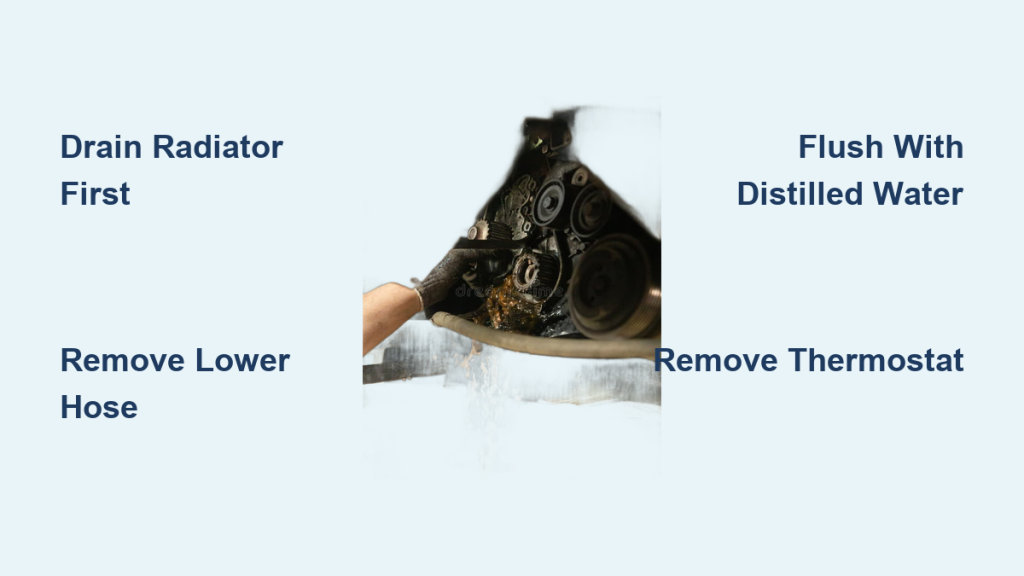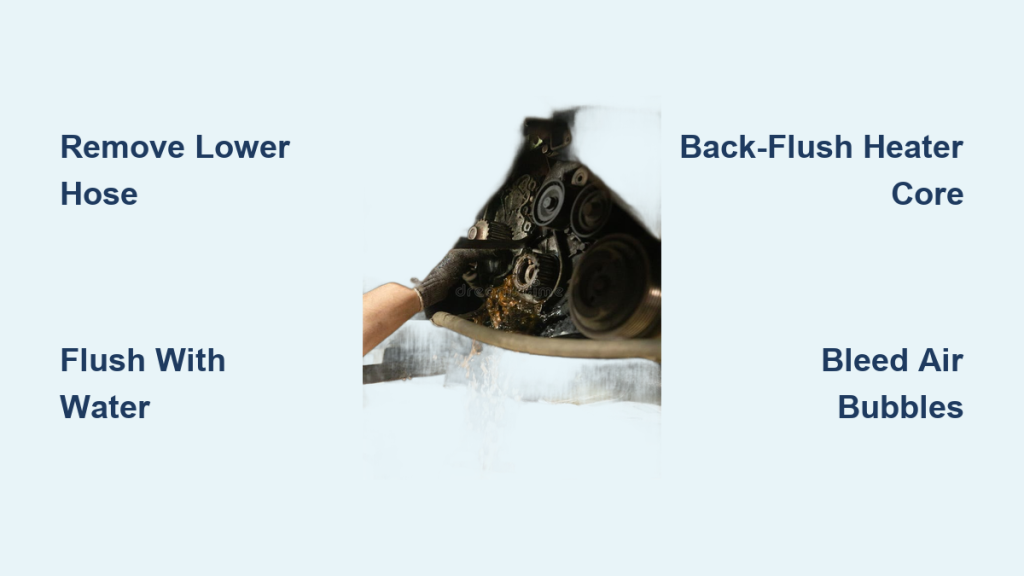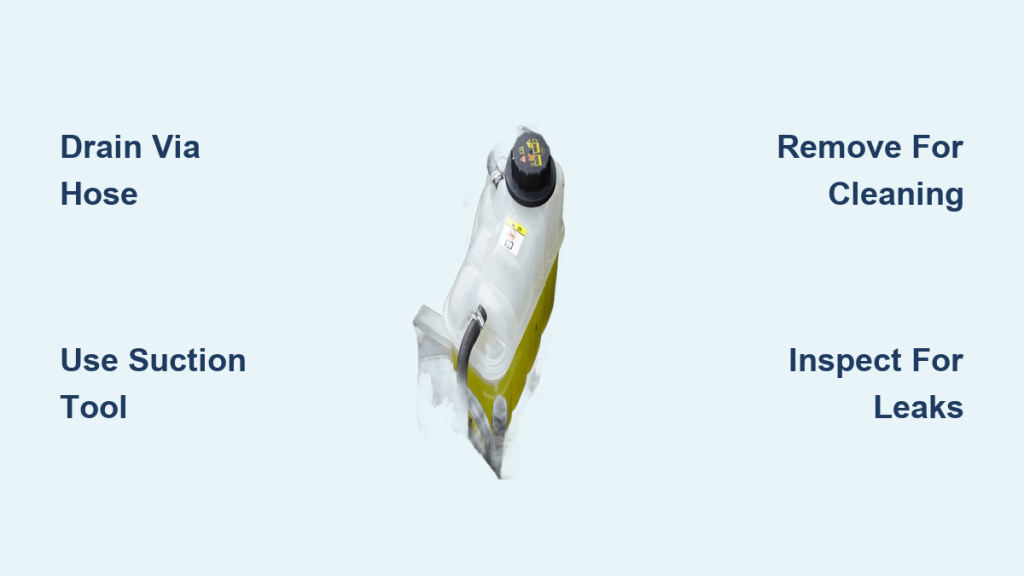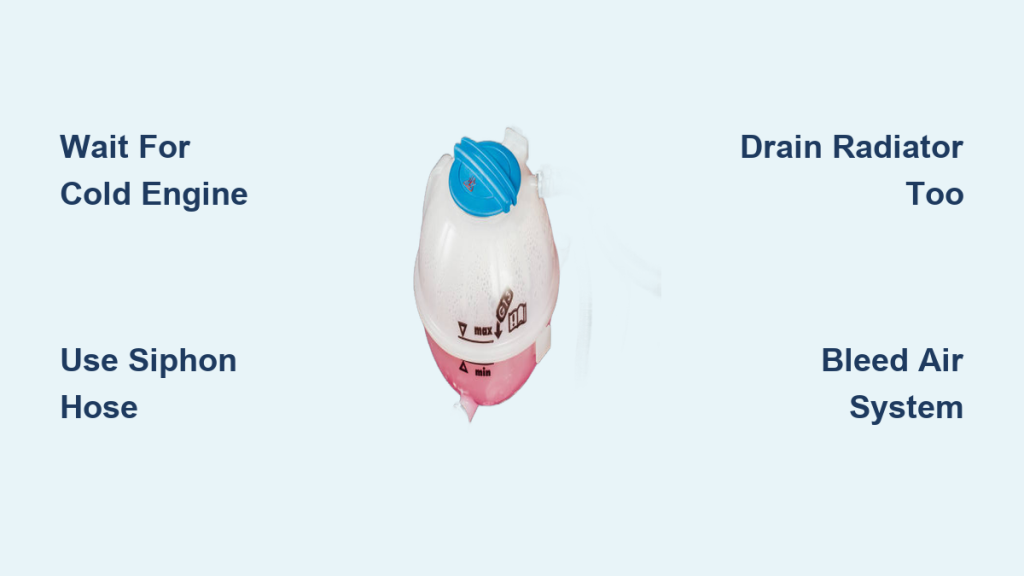

You’re cruising down the highway when the temperature gauge starts creeping into the red. You pull over, pop the hood, and sure enough, the coolant reservoir is nearly empty. You top it up and carry on, but the question lingers: how often does car coolant need topping up? The short answer is rarely, if ever. Unlike engine oil, coolant is not burned or consumed during normal operation. A healthy cooling system is sealed and should retain its fluid for years.
Coolant keeps your engine from overheating in summer and freezing in winter while also preventing corrosion in critical components. Yet many drivers misunderstand how the system works, often topping up unnecessarily or ignoring slow leaks until serious damage occurs. This guide cuts through the confusion with clear, actionable advice. You’ll learn when topping up is normal, how to do it safely, what warning signs to watch for, and when to seek professional help so you can protect your engine and avoid costly repairs.
How Often You Should Inspect Coolant Levels
Twice-Yearly Inspection Routine
Check your coolant level at least twice a year, once before summer and once before winter. Extreme temperatures stress the cooling system, so preparing in advance helps prevent breakdowns. Make this a seasonal habit, like switching tires or servicing your AC.
For older vehicles, high mileage engines, or cars used for towing, consider weekly checks. These vehicles are more prone to leaks and component wear. Also inspect coolant before long trips, after major services, or if you notice performance changes like overheating or poor heater output.
How to Check Coolant Level Safely
Always check coolant when the engine is completely cool and the car is parked on a level surface. A hot engine creates pressure in the system, and opening the cap can cause boiling coolant to spray out, leading to serious burns.
Locate the overflow reservoir, a translucent plastic tank with Min and Max markings. If the level is between these lines, your system is in good shape. If it is near or below Min, you may need to top up. Never ignore a low level, it is a sign of loss, not normal operation.
Normal vs. Abnormal Level Changes
Small changes in coolant level due to thermal expansion and contraction are expected. Coolant expands when hot and settles when cold, which can shift the level slightly in the reservoir.
A drop from full to halfway is not an emergency, but it should prompt closer monitoring. If the level continues to fall over weeks or months, investigate further. A consistent drop below Min within a few thousand miles means there is a leak or system fault.
When Topping Up Coolant Is Actually Needed
Normal vs. Abnormal Scenarios
Topping up coolant should be rare. Here is how to tell if what you are seeing is normal.
Ideal scenario: No top-up for three or more years. Your system is sealed and functioning properly.
Acceptable scenario: One-time top-up after a coolant flush. Air pockets may form during refilling and purge over time, creating a temporary low level.
Monitor closely: Minor drop over several months. Could be slow evaporation or a micro-leak.
Warning signs: Frequent top-ups monthly or weekly. This signals a leak, failed component, or internal engine problem.
Serious issue: Daily or every-few-days top-up. Likely causes include a blown head gasket, cracked radiator, or hose failure.
A driver of a ten-year-old sedan topped up coolant weekly. Diagnosis revealed a cracked radiator hose, a simple fix that prevented engine damage.
Signs You Should Not Just Top Up
If you are adding coolant regularly, do not treat this as routine maintenance. Frequent top-ups mask underlying problems that can lead to engine failure. Common red flags include puddles of green, orange, or blue fluid under the car, sweet syrup-like smell from the engine bay, white smoke from the exhaust, overheating despite adequate coolant levels, and milky residue on the oil dipstick.
These symptoms suggest external leaks or internal failures. Topping up will not fix them. Stop driving and get a professional diagnosis.
How to Top Up Coolant Safely
Step 1: Wait for the Engine to Cool
Never open the coolant system when hot. Pressurized, boiling coolant can cause severe scalding. Wait at least one to three hours after turning off the engine. If in doubt, touch the radiator hose. If it is warm, wait longer.
Work in a well-ventilated area and wear gloves and eye protection. Coolant, especially ethylene glycol, is toxic and attractive to pets due to its sweet taste. Keep children and animals away during the process.
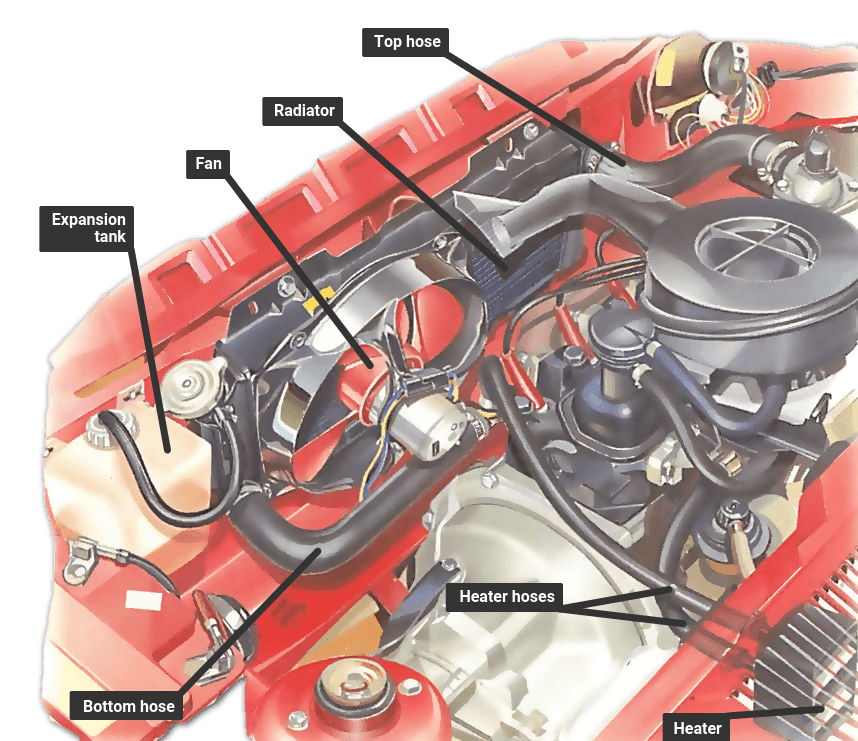
Step 2: Locate the Reservoir and Check Level
Most modern cars use a plastic overflow reservoir with Min and Max lines. Remove the cap slowly, using a thick cloth to shield your hand in case of residual pressure.
Inspect the fluid. Healthy coolant is bright green, red, orange, or blue, clear and free of particles. Degraded coolant is dark brown, rusty, or sludgy and needs flushing. Milky appearance indicates oil contamination, a possible blown head gasket.
Step 3: Use the Correct Coolant Type
Never guess the coolant type. Check your owner’s manual for the manufacturer is specification. Using the wrong type can cause gel formation, corrosion, clogged radiator passages, and voided warranty.
Colour is not a reliable indicator. Red and blue coolants may have different chemistries even within the same brand. Do not mix types or colours.
If unsure, use a universal coolant formulated to be compatible with most modern vehicles. A one-litre bottle of universal blue coolant costs around ten pounds and is widely available at garages.
Step 4: Dilution and Mixing Guidelines
Pre-mixed coolant at fifty-fifty ratio is ready to use and most common in retail bottles. Concentrate must be diluted with distilled water only. Standard mix is fifty percent antifreeze and fifty percent distilled water. Winter conditions call for up to sixty percent antifreeze for better freeze protection. Milder climates accept forty to fifty percent.
Avoid tap water. Minerals in tap water cause scaling and corrosion, reducing cooling efficiency and shortening component life.
Step 5: Add Coolant to the Reservoir
Pour coolant slowly into the overflow tank until it reaches the Max line. Do not overfill because coolant expands when hot and can overflow.
If topping up directly into the radiator on older models, fill to the base of the filler neck when cold.
Replace the cap and twist until it clicks to reseal the system. Wipe away spills immediately because they are toxic and can corrode paint.
Step 6: Recheck After Driving
Drive the car for one to two days, then recheck the level when cool. A slight drop is normal as air pockets purge. If the level drops significantly again, stop driving and get a pressure test. You likely have a leak.
Common Causes of Coolant Loss
External Leaks
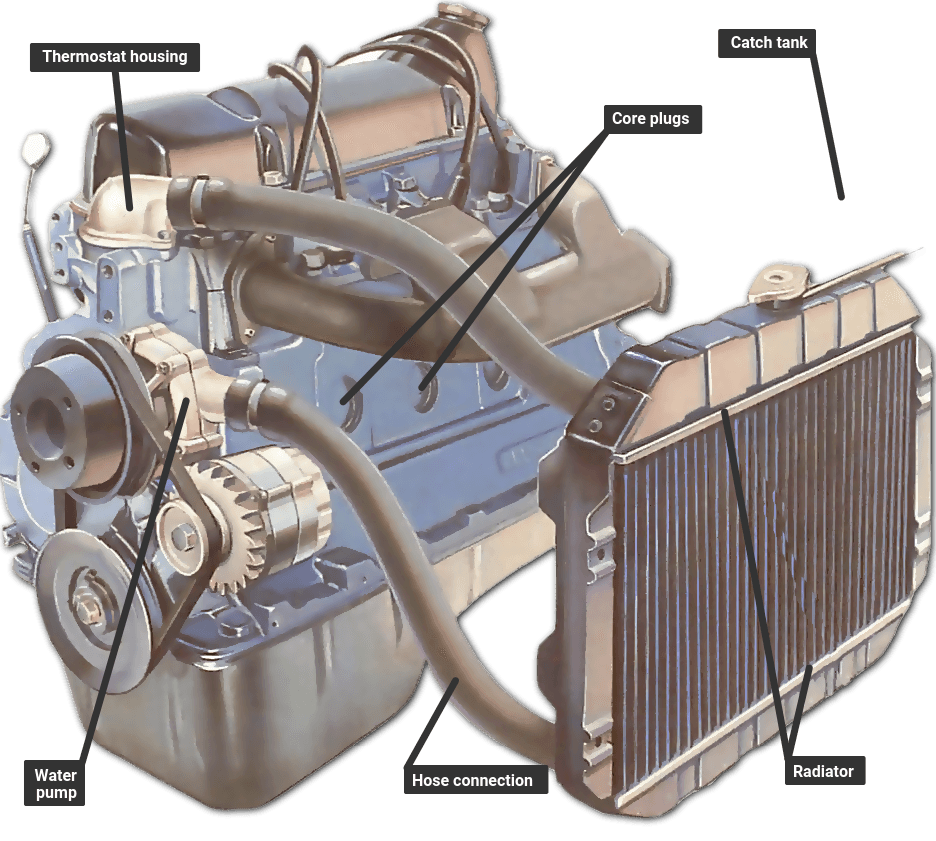
Most frequent coolant loss comes from external leaks. Radiator leaks occur from corrosion, stone damage, or failed seals. Cracked or swollen hoses appear especially at connections or near clamps. Water pump failure shows as a leaking weep hole or degraded gasket. Faulty reservoir or cap means cracked plastic or failed pressure seal. Heater core leak causes sweet smell and wet floor mats.
A pressure test at a garage can pinpoint these leaks quickly.
Internal Leaks
More serious and harder to detect are internal leaks. Blown head gasket allows coolant into combustion chambers or oil passages. Cracked engine block or cylinder head is often caused by prolonged overheating. Failed intake manifold gasket is common in aluminum engines.
Diagnosis tools include block test to detect combustion gases in coolant, compression test, and UV dye test with black light.
System Pressure and Evaporation Issues
A faulty radiator cap is a surprisingly common culprit. If it cannot hold pressure, coolant boils at a lower temperature and evaporates faster. Replace caps every three to five years as preventative maintenance.
Other issues include cooling fan failure causing overheating and boil-over, improper coolant mix with too much water reducing boiling point and increasing evaporation, and degraded coolant losing corrosion inhibitors leading to internal rust and sludge.
Emergency Response to Overheating
Immediate Actions When Temperature Spikes
If the temperature gauge spikes, pull over safely and turn off the engine. Turn on the heater because it helps pull heat from the engine. Open the hood to release heat. Wait thirty to sixty minutes before checking anything. Do not open the radiator cap while hot.
After cooling, check the reservoir. If empty, top up with correct coolant or distilled water as a temporary fix.
When to Stop Driving Completely
If the engine overheats repeatedly, do not continue driving. This risks warped cylinder head, cracked block, and complete engine failure.
Have the car towed to a mechanic. Continuing to drive can turn a one hundred pound repair into a fifteen hundred pound engine rebuild.
Coolant Flush Intervals and Replacement Schedule

Topping Up vs. Full Replacement
Topping up maintains level, but old coolant loses effectiveness. Corrosion inhibitors break down over time, increasing the risk of internal damage.
Full coolant replacement is required on a schedule. IAT green coolant needs replacement every two years or thirty thousand miles. OAT orange or red lasts five years or one hundred thousand miles. HOAT yellow or gold lasts five years or one hundred fifty thousand miles. NOAT blue or green is per manufacturer, often five years.
Always follow your owner’s manual. Some long-life coolants last up to one hundred fifty thousand miles.
Signs You Need a Flush
Coolant is rusty, brown, or sludgy. Corrosion appears in reservoir or radiator. Overheating occurs despite full levels. Heater performance is poor. You have just repaired a leak or replaced a component.
Using Water in Emergencies
Temporary Solutions Only
In an emergency, distilled water can prevent overheating. It is better than nothing but not a long-term solution.
Never use tap water. Minerals cause scaling and corrosion, especially in aluminum engines.
Risks of Water-Only Use
Water-only use has no freeze protection and can crack the engine block in cold weather. It has a lower boiling point increasing boil-over risk. There is no corrosion inhibitors to accelerate rust. No lubrication for water pump seals exists.
Replace water with proper coolant mix within twenty-four to forty-eight hours.
Professional Diagnosis Tools and Methods
Mechanics use advanced methods to find hidden problems. Pressure tester pressurizes the system to find external leaks. Block tester detects exhaust gases in coolant, confirming head gasket failure. Refractometer measures freeze point and concentration. UV dye test traces leaks under black light. Visual inspection checks hoses, radiator, water pump, and thermostat.
If you are topping up regularly, these tests are essential. They catch issues before engine damage occurs.
Frequently Asked Questions About Car Coolant Topping Up
How often should I check my coolant level?
Check coolant level at least twice per year, before summer and before winter. Check weekly for older vehicles, high mileage engines, or cars used for towing. Also check before long trips or after major services.
Is it normal to need to top up coolant every few months?
No. A healthy cooling system should retain coolant for years. If you are topping up every few months or weekly, this indicates a leak or internal problem that needs professional diagnosis.
What happens if I keep adding coolant without fixing the underlying problem?
Continuing to add coolant without addressing the root cause allows damage to accumulate. Internal leaks like a blown head gasket can lead to catastrophic engine failure. External leaks can leave you stranded. The repair cost escalates significantly the longer you wait.
Can I use water instead of coolant in an emergency?
Distilled water can be used temporarily as an emergency measure only. Never use tap water. Replace the water with proper coolant within twenty-four to forty-eight hours. Water offers no freeze protection, no corrosion inhibitors, and lowers the boiling point.
How do I know if my coolant needs replacing instead of just topping up?
Replace coolant if it appears rusty, brown, or sludgy. Replace if you notice corrosion in the reservoir or radiator. Replace if overheating occurs despite full levels. Replace if heater performance declines. Follow manufacturer intervals, typically every two to five years or thirty to one hundred fifty thousand miles.
Key Takeaways for Maintaining Your Car Coolant System
Coolant should not need frequent topping up. A sealed system retains fluid for years. Regular checks, correct fluid use, and timely flushes prevent engine damage. If you are adding coolant every few months, treat it as a warning, not routine maintenance.
Address leaks early. Use the right coolant type for your vehicle. Seek professional help when symptoms like overheating, sweet smells, or white exhaust smoke appear. Your engine is longevity depends on it.