You’re driving along when suddenly your temperature gauge creeps into the red, or worse, the coolant warning light flashes on your dashboard. Your mind races: is my engine overheating? Did I lose coolant? And just how full is coolant supposed to be? You’re not alone. Maintaining the correct coolant level is one of the simplest yet most critical steps in protecting your engine from overheating and long-term damage.
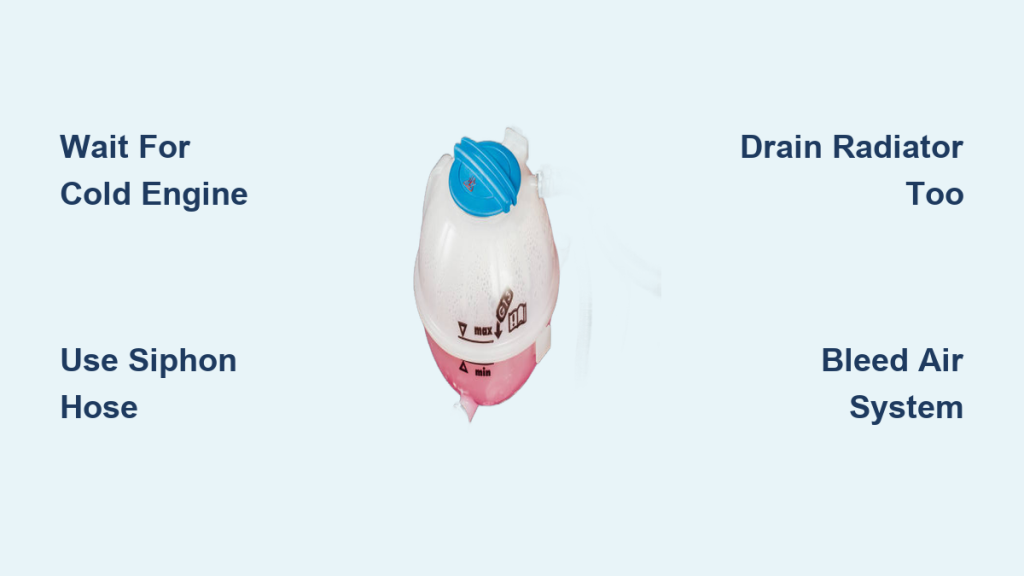
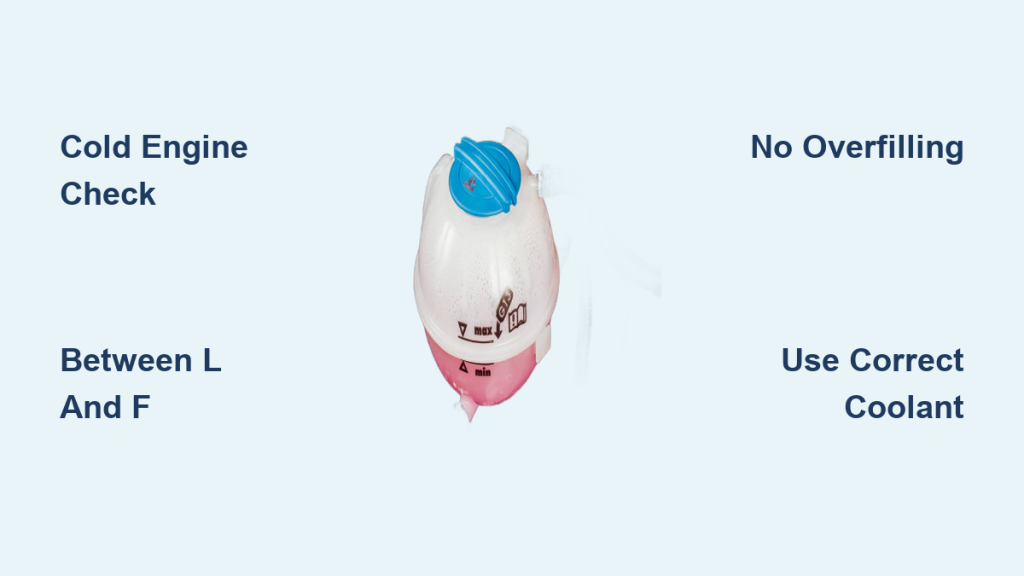
The coolant reservoir should be filled between the “L” (low) and “F” (full) marks when the engine is cold. This small translucent tank plays a big role in your vehicle’s cooling system, storing excess coolant and allowing it to circulate as temperatures rise and fall. If the level drops too low, your engine risks overheating, which can lead to warped components, blown gaskets, or even total engine failure.
Coolant Level: Cold vs. Hot Engine
Checking your coolant at the wrong time leads to inaccurate readings and potential burns. Understanding when and how to check is essential for proper maintenance.
Check Coolant Only When Cold
Always inspect coolant when the engine is completely cool. A running engine builds heat and pressure, making the coolant reservoir and radiator extremely hot. Opening the cap while hot can release scalding steam and liquid, leading to serious burns.
Wait at least 30 minutes after driving, or check first thing in the morning before starting the car. The “F” and “L” markings on the side of the reservoir are calibrated for cold engine conditions, so checking while hot gives inaccurate readings and increases danger.
Why Hot Readings Are Unreliable
When the engine heats up, coolant expands and flows into the overflow tank. This is normal behavior. If you check the reservoir while the engine is warm or recently turned off, you might see the level above the “F” mark and mistakenly believe it’s overfilled.
Conversely, after the engine cools, the system creates suction that pulls coolant back into the radiator. That’s why the correct time to assess and adjust the level is after the engine has cooled completely.
Locate the Coolant Reservoir
Finding the right container to check is the first step in maintaining proper coolant levels.
Find the Translucent Overflow Tank
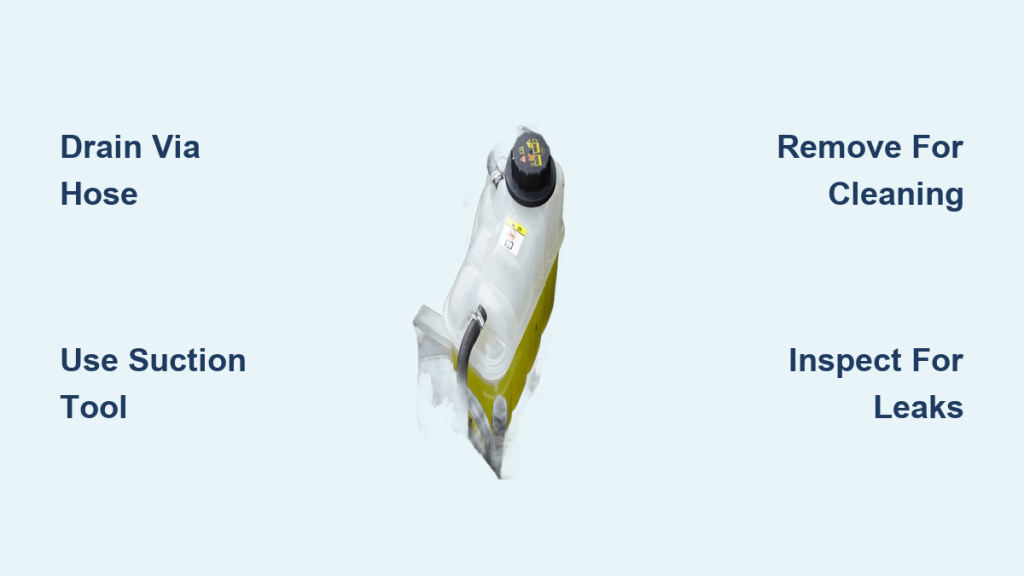
The coolant reservoir, often white or semi-transparent, is usually located near the radiator at the front of the engine bay. It’s labeled with “Coolant” or has a symbol of a thermometer inside wavy lines. If you’re unsure, consult your owner’s manual for the exact location.
This tank is not the radiator itself but part of the closed-loop system that manages coolant expansion and contraction. Never open the radiator cap unless absolutely necessary and only when cold. The reservoir is the safe, designed access point for checking and refilling.
Identify the L and F Marks
On the side of the reservoir, you’ll see two clear indicators. The “L” stands for Low, and “F” stands for Full. These lines show the acceptable range for coolant volume. When the engine is cold, the fluid should sit between these two marks, ideally close to or at “F.” If it’s near or below “L,” it’s time to add more.
Some vehicles have min/max labels instead of L/F, which serves the same purpose with different wording.
Correct Coolant Fill Level

Knowing the right amount to add prevents both low and overfilled conditions that can cause problems.
Ideal Level: Near Full, Not Overfilled
When topping off, bring the coolant level up to the “F” mark, but do not exceed it. Overfilling leaves no room for expansion when the engine heats up, which can cause the excess to spill out through the overflow tube, wasting coolant and potentially damaging belts or electrical components below.
Always pour slowly and recheck the level before closing the cap. Remember that coolant expands as it heats, so space at the top is essential for proper system function.
What If the Reservoir Is Empty?
An empty reservoir doesn’t always mean the radiator is dry, but it’s a red flag. Possible causes include slow evaporation over time, small leaks in hoses, radiator, or water pump, a recent overheating event, or a faulty radiator cap failing to pull coolant back from the reservoir.
If the reservoir is empty, inspect under the car for puddles, check hoses for dampness, and monitor the temperature gauge. Refill carefully to “F,” then watch for rapid drops in level, which signal a leak needing professional attention.
How to Add Coolant Safely
Proper addition of coolant protects your engine and prevents injuries.
Use the Right Coolant Type
Not all coolants are interchangeable. Your vehicle requires a specific type based on chemistry and color. Common types include IAT (Inorganic Additive Technology) in green for older vehicles, OAT (Organic Acid Technology) in orange or red for GM and newer models, and HOAT (Hybrid OAT) in yellow, blue, or turquoise used in many Fords and Chryslers.
Using the wrong type can lead to poor performance, sludge buildup, or internal corrosion. Always check your owner’s manual for the manufacturer-recommended coolant.
Step-by-Step Refill Process
Follow these steps to add coolant safely. First, ensure the engine is cold by waiting 30 or more minutes after driving. Second, wipe around the cap to prevent dirt from falling in. Third, open the reservoir cap slowly and listen for pressure release. Fourth, pour coolant gradually using a funnel to avoid spills. Fifth, fill to the “F” mark without overfilling. Sixth, secure the cap tightly to ensure proper system pressure. Seventh, start the engine and check by running for a few minutes, then recheck the level once cool.
Pro Tip: Mix coolant with distilled water in a 50/50 ratio unless using pre-mixed coolant. This balance prevents freezing in winter and boiling in summer.
Coolant Warning Signs to Watch For
Recognizing warning signs early prevents major engine damage.
Dashboard Warning Light Is On
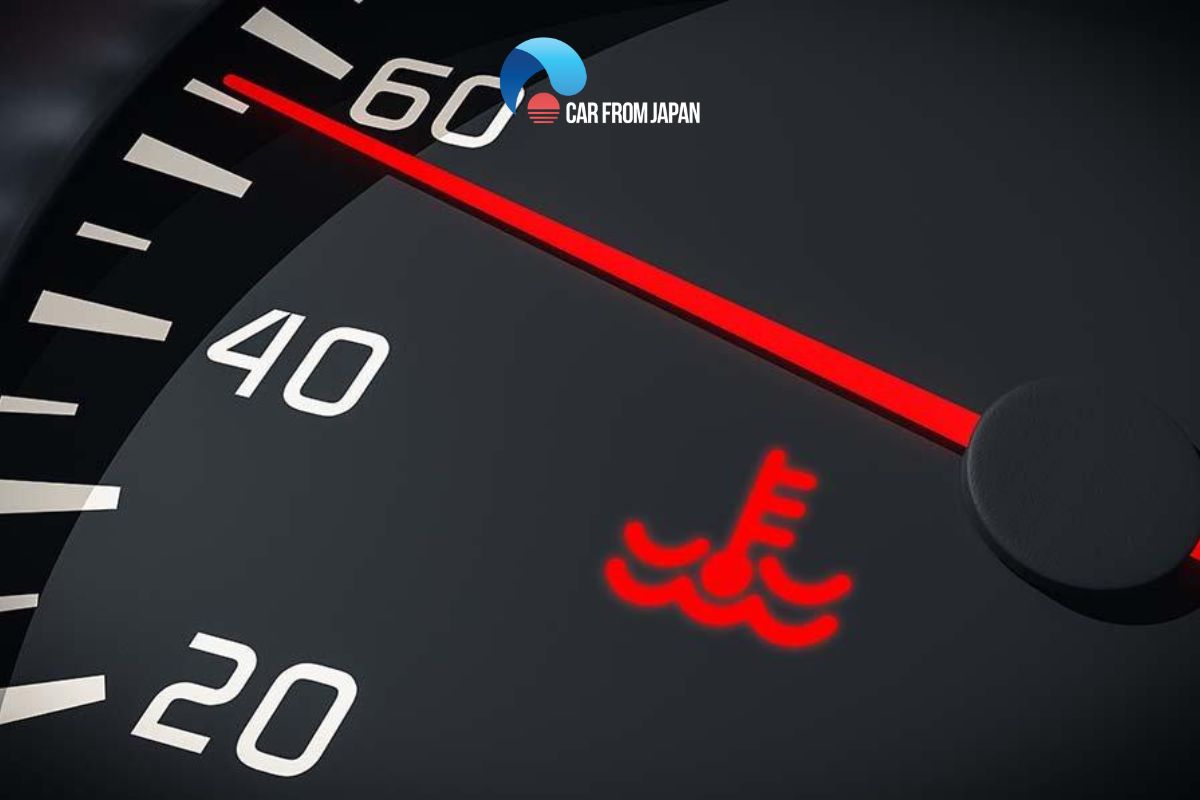
If the coolant temperature warning light illuminates, stop driving as soon as safely possible. Pull over, turn off the engine, and let it cool. Check the reservoir after 30 minutes. A low level may be the cause, but if it’s full, the issue could be a faulty thermostat, failing water pump, radiator blockage, or blown head gasket.
These problems require professional diagnosis to prevent further damage.
Frequent Top-Offs Needed?
Topping off coolant every few weeks or months is not normal. Small evaporation happens, but consistent loss indicates a leak or internal issue. Common leak points include radiator hoses, water pump seal, radiator core, heater core, and head gasket.
An internal leak might show white exhaust smoke or milky oil, indicating immediate repair is needed.
Common Coolant Mistakes to Avoid
Avoiding these errors protects your engine and your safety.
Topping Off a Hot Engine
Never add coolant to a hot engine. The sudden temperature change can crack the engine block or warp the cylinder head. Always wait until the engine is cool to prevent serious damage.
Ignoring Color or Sludge
Healthy coolant is bright and clear, whether green, orange, or yellow. If it looks brown, murky, or has sludge, it’s degraded and can no longer protect your engine. Flush and replace it per your vehicle’s maintenance schedule, usually every 30,000 to 60,000 miles.
Using Tap Water Instead of Distilled
Tap water contains minerals that can form deposits in the radiator and reduce cooling efficiency. Always use distilled water when mixing coolant to maintain proper system function.
Coolant Maintenance Schedule
Regular maintenance keeps your cooling system working properly.
How Often Should You Check?
Check your coolant level at least once a month, especially before long trips or seasonal changes. It takes less than two minutes and can prevent costly repairs down the road.
When to Flush and Replace
Most manufacturers recommend a coolant flush every 30,000 to 60,000 miles, but check your owner’s manual for your specific vehicle. Over time, coolant loses its anti-corrosion and anti-boil properties. Old coolant equals increased risk of overheating and rust buildup.
Signs it’s time for a flush include coolant appearing dirty or discolored, temperature gauge running hotter than normal, heater not working efficiently, or exceeding the service interval.
Troubleshooting Common Coolant Issues
Solving cooling problems quickly prevents engine damage.
Coolant Level Drops but No Visible Leak
If the reservoir keeps dropping but you see no puddles, consider an internal leak where coolant seeps into combustion chambers via a blown head gasket. Evaporation due to cap failure occurs when a weak radiator cap won’t maintain pressure, causing coolant to boil off. A cracked reservoir can leak slowly and be hard to spot.
Use a cooling system pressure test to diagnose hidden leaks accurately.
Coolant Overflows After Driving
Overflow after a drive usually means the reservoir was overfilled, the radiator cap is failing, or there’s air trapped in the system. If coolant consistently sprays out, have the cap and system inspected by a professional.
Final Tips for Long-Term Engine Health
Simple habits extend the life of your cooling system and engine.
Keep a Bottle On Hand
Store a small container of the correct coolant type in your trunk. A sudden low level during travel can be topped off temporarily until you reach a service center.
Seal and Store Properly
Leftover coolant should be sealed tightly and stored in a cool, dry place, away from children and pets. Ethylene glycol is highly toxic if ingested.
Know When to Seek Help
If you’ve refilled coolant and the level drops rapidly, the engine overheats, or you notice performance issues, seek professional help. Cooling system repairs often require specialized tools and diagnostics.
Frequently Asked Questions About Coolant Levels
How full should my coolant reservoir be?
The coolant reservoir should be filled between the “L” (low) and “F” (full) marks when the engine is cold. The ideal level is at or near the “F” mark.
Can I check coolant when the engine is hot?
No, you should only check coolant when the engine is completely cool. Checking when hot gives inaccurate readings and risks serious burns from hot coolant and pressure.
What happens if I overfill the coolant reservoir?
Overfilling the reservoir doesn’t leave room for coolant to expand when hot, causing overflow and potential damage to surrounding components. Always fill to the “F” mark only.
Why does my coolant level keep dropping?
Frequent drops indicate a leak somewhere in the system, such as in hoses, the radiator, water pump, or possibly a blown head gasket. Have the system inspected if you need to top off often.
How often should I check my coolant level?
Check your coolant level at least once a month and before long trips. Regular checks take under two minutes and can prevent expensive engine damage.
Key Takeaways for Maintaining Proper Coolant Levels
The most important thing to remember is that coolant should always be between the “L” and “F” marks on the reservoir when checking a cold engine, with “F” being your target level. Never check or add coolant to a hot engine, as this is dangerous and produces inaccurate readings. Using the correct coolant type for your vehicle and mixing with distilled water in a 50/50 ratio ensures proper protection against both freezing and boiling. Monthly checks and periodic flushing every 30,000 to 60,000 miles keep your cooling system working efficiently and your engine protected. Make these simple habits part of your regular maintenance routine, and your car will run cooler and last longer.