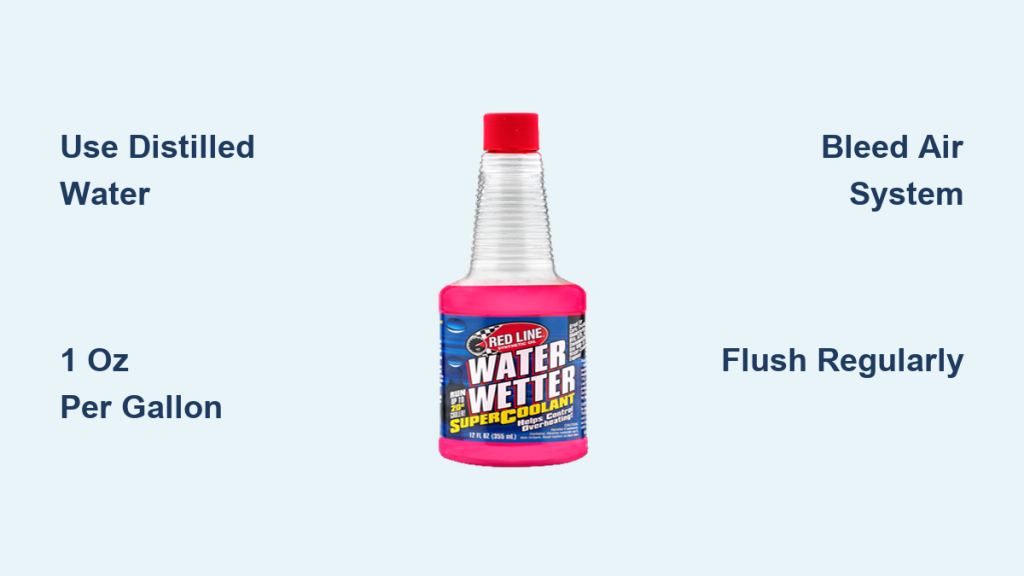
If your engine runs hot under load, you have likely heard of Water Wetter coolant, a popular additive designed to improve heat transfer in automotive cooling systems. Unlike traditional antifreeze, Water Wetter does not lower freezing points but instead enhances the ability of coolant or water to absorb and carry away engine heat. By reducing surface tension, it prevents insulating vapor bubbles from forming on hot metal surfaces, allowing for more efficient cooling.
But how do you actually use Water Wetter coolant? Is it worth adding to your daily driver? And what happens if you mix it with the wrong fluid? In this guide, you will learn the correct way to add Water Wetter, the best base fluids to pair it with, and exactly when and when not to use it.
Correct Water Wetter Mixing Ratio
The standard recommended dosage for Redline Water Wetter is 1 ounce per gallon of coolant or water in your system. This ratio ensures optimal surface tension reduction without over-concentrating the additive. For most passenger vehicles with a 12 to 16 gallon cooling system, this means using 12 to 16 oz, roughly one full 12 oz bottle for smaller systems or two bottles for larger setups.
The 1 Ounce Per Gallon Rule
The 1 oz per gallon mixing ratio is the foundation of effective Water Wetter use. This specific concentration allows the additive to work optimally without over-concentrating, which could lead to diminishing returns or potential residue buildup over time. Performance users often apply a full bottle even in smaller systems to maximize thermal efficiency, understanding that the cost is minimal compared to the potential cooling benefits.
Avoid under-dosing, as insufficient concentration will not deliver measurable cooling benefits. Likewise, excessive amounts offer no added advantage and may increase sludge risk over time. The key is precision: measure your system capacity accurately and dose accordingly.
When to Double the Dose
Some track-focused users apply two full bottles (24 oz) in high-heat scenarios, especially when running 100% distilled water. This practice is common in supercharged or turbocharged engines, desert driving or towing, and race cars with sustained RPM. While not required, doubling the dose can enhance wetting performance under extreme conditions.
Never exceed 2 oz per gallon without manufacturer guidance. Overuse does not improve cooling beyond a point and may contribute to long-term residue buildup. The risk of diminishing returns is real, so stick to the proven ratios unless you have specific guidance from experienced users in your exact application.
Step-by-Step Installation Guide

Proper installation is critical to getting the full benefit from Water Wetter coolant. Follow these steps carefully to ensure the additive circulates correctly and does not cause air locks or other cooling system issues.
Prepare a Cool Engine
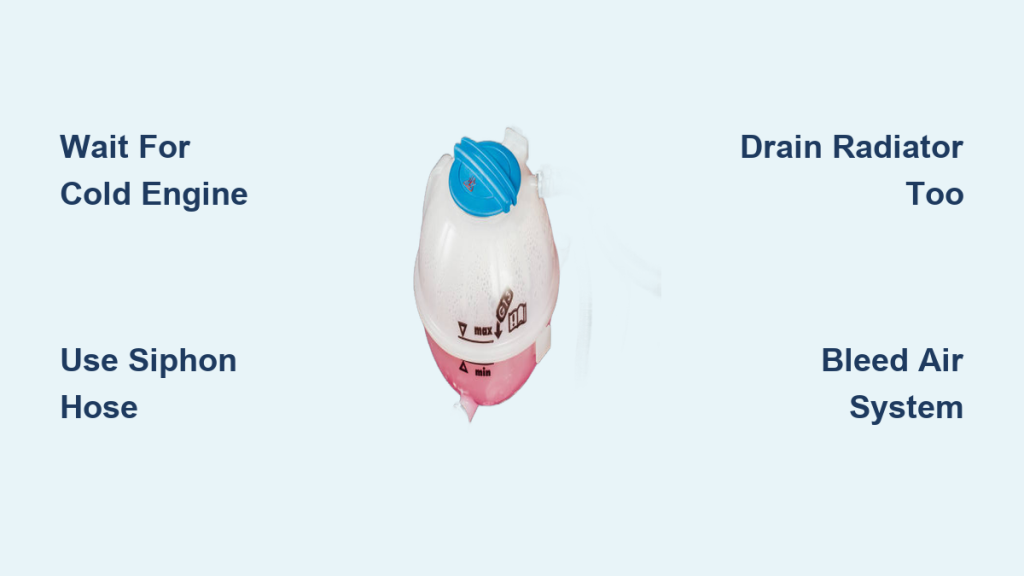
Always begin with a cold engine. A hot cooling system is under pressure, and removing the radiator cap or opening the reservoir can cause scalding coolant to spray out. Wait at least 2 to 3 hours after shutdown, or overnight if the vehicle was driven hard. Confirm the engine is cool by touching the hood or upper radiator hose.
This simple safety step prevents burns and ensures accurate fluid level readings. Never attempt to add anything to a cooling system while the engine is warm or running.
Drain Coolant for Proper Mixing
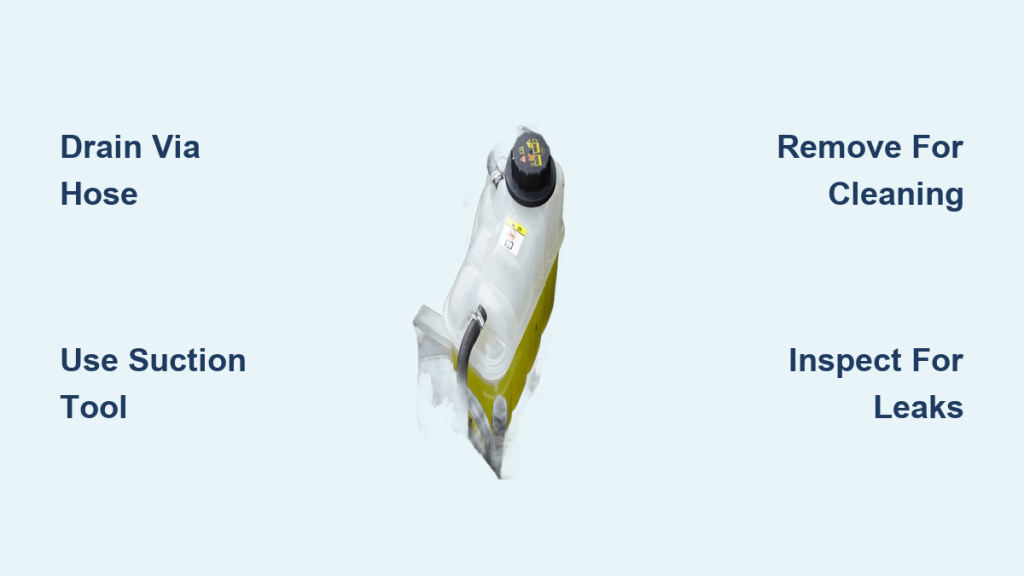
If your system is already full, you must remove 12 to 16 oz of existing fluid to make room for Water Wetter. Use a turkey baster or coolant siphon tool to extract fluid from the radiator or overflow tank. Siphon from the bottom of the radiator to remove any sediment, which helps prevent sludge when adding new additives.
No full flush is needed unless the coolant is old, discolored, or contaminated. However, a complete flush is strongly recommended before first-time use, especially in older vehicles with unknown coolant history.
Add Water Wetter Directly
Pour the measured amount of Water Wetter directly into the radiator filler neck or the coolant overflow/surge tank. Most modern vehicles lack a radiator cap, so the overflow tank is the standard entry point. The additive will circulate naturally once the engine runs.
Best practice involves mixing Water Wetter with distilled water or antifreeze before filling a drained system. This ensures even distribution from the start and prevents concentrated pockets of additive from forming.
Bleed Air From the System
Air pockets trapped in the cooling system reduce flow and cause overheating. To purge them, remove the radiator cap if accessible and start the engine. Let it idle with the heater on maximum heat and fan speed. Watch for coolant movement and bubbling, which indicates air escaping. Top off as the level drops.
Once the engine reaches operating temperature and coolant stabilizes, reinstall the cap. For systems without a radiator cap, run the engine with the overflow tank cap off for the first few minutes, then replace it. After several drive cycles, recheck coolant levels since some air may release slowly over time.
Best Base Fluids for Maximum Effect

The base fluid you choose dramatically affects how well Water Wetter works. Using the wrong type can undermine the entire purpose of adding the additive.
Use Distilled Water for Peak Performance
Water Wetter works best with 100% distilled water as the base fluid. Water has higher thermal conductivity than ethylene glycol (antifreeze), meaning it absorbs and transfers heat more efficiently. When combined with Water Wetter, surface tension drops significantly, vapor barrier formation is minimized, and heat transfer improves by up to 100%.
Users report 10 to 20°F lower temps under load when using distilled water plus Water Wetter. This combination is ideal for track cars, show rods, and high-performance street machines in warm climates. Never use distilled water in freezing environments since it offers zero freeze protection.
Avoid Tap and Hard Water
Tap water, drinking water, and hard water contain minerals (calcium, magnesium, iron) that promote scale buildup and corrosion. These deposits insulate engine surfaces and clog radiator tubes. Even with Water Wetter, mineral-laden water undermines performance and longevity.
Acceptable alternatives include reverse osmosis (RO) water, which is nearly as pure as distilled, and soft water, which has lower mineral content but is still not ideal. Stick to distilled or RO water for best results and system safety.
Mixing With Antifreeze: Limited Gains
Water Wetter is compatible with 50/50 antifreeze mixes, DEX-COOL, and long-life coolants, but effectiveness is greatly reduced. Antifreeze already contains wetting agents and corrosion inhibitors, so adding Water Wetter offers little extra benefit in most OEM systems.
User feedback consistently shows minimal or no noticeable change when using Water Wetter with conventional coolant. While Redline claims improved heat transfer even with antifreeze, real-world gains in daily drivers are minimal or negligible. Only use Water Wetter with antifreeze if you cannot run distilled water and want marginal insurance.
High-Performance Applications That Benefit Most
Water Wetter delivers the most value in specific high-heat scenarios where thermal management is critical. Understanding these applications helps you decide whether the additive is right for your situation.
Track and Racing Engines
On the track, engines face sustained high loads, leading to heat soak and coolant boil-over. Water Wetter helps by preventing micro-bubble formation on combustion chamber walls, improving heat transfer during prolonged throttle, and reducing coolant temp spikes. Many race teams run distilled water plus Water Wetter for maximum cooling, then drain the system after events to avoid corrosion.
Pair with an oil cooler and electric fan upgrade for full thermal control. The additive is one piece of a comprehensive cooling strategy, not a standalone solution.
Supercharged and Turbocharged Setups
Forced induction engines generate extreme heat. Users of supercharged Mustangs and Corvettes report 10 to 15°F lower coolant temps, delayed fan activation, and increased confidence in traffic or hot weather. A 1996 GT owner with a digital gauge saw approximately 10°F drop after adding Water Wetter to distilled water.
Hot Climate and Towing Use
In places like Arizona or Texas, engines run hotter even during normal driving. Water Wetter helps maintain stable temps during long commutes, stop-and-go traffic, and towing trailers or boats. One user reported making a 7-mile commute without fans kicking on at 205°F after adding the additive.
When Water Wetter Is Not Worth It
Water Wetter is not a universal solution. In many common scenarios, the benefits are minimal or nonexistent, making it a waste of money.
Modern Daily Drivers
Most new cars have highly efficient OEM cooling systems with electric fans with precise temp control, thermostats that open at exact thresholds, and optimized coolant flow and radiator design. In these vehicles, Water Wetter provides no measurable benefit, and temperature drops are often within the margin of error.
For daily drivers, marginal benefit is negligible, and risk of sludge makes it not worth the hassle. Save your money unless you are modifying the engine or live in extreme heat.
Cold Weather Environments
Water Wetter does not prevent freezing. If you live where temperatures drop below 32°F (0°C), you must use antifreeze. Running distilled water plus Water Wetter in winter risks coolant freeze and expansion, cracked engine blocks or radiators, and complete system failure.
If you need freeze protection, use 50/50 antifreeze, but know that Water Wetter benefits will be minimal in that scenario.
Long-Term Maintenance and Risks
Using Water Wetter responsibly means understanding the long-term implications and maintaining your system properly.
Prevent Sludge Formation
A known risk of long-term Water Wetter use is black sludge buildup, reported after 100,000+ miles. This appears to result from interaction with degraded coolant, contaminants in unflushed systems, and improper water quality. One user reported sludge after 12 years of continuous use without coolant changes.
Prevention tips include flushing the system every 30,000 to 50,000 miles, replacing Water Wetter with each coolant change, and never mixing with old or dirty coolant.
Avoid Magnesium Components
Water Wetter is not compatible with magnesium parts, which can corrode or degrade when exposed to the additive. Check your engine and radiator materials if you are unsure. Most modern components are aluminum, copper, or plastic, which are safe for use.
Test for Electrolysis and Corrosion
Electrolysis (galvanic corrosion) occurs when electrical current flows through coolant, eating away at metals. It is common in vehicles with poor grounding and can shorten the life of your water pump and radiator.
Check Cooling System Voltage
Test for electrolysis in 4 steps. Remove the radiator cap (engine cool). Start engine and warm to operating temp. Set multimeter to DC volts. Place one probe in coolant, the other on engine block (ground).
If reading exceeds 0.2 volts, your system has electrical potential and is at risk of corrosion damage.
Fix Grounding Issues
Install additional grounding straps: engine to chassis, transmission to frame, and battery negative to body. This redirects current away from coolant, stopping corrosion before it damages the water pump or radiator.
Final Best Practices Checklist
Use distilled or RO water as your base fluid. Follow the 1 oz per gallon ratio. Flush the system before first use. Add to the overflow tank on modern vehicles. Bleed air after installation. Change coolant every 30,000 to 50,000 miles. Monitor for sludge or discoloration.
Do not use tap or hard water. Do not run straight water in freezing climates. Do not combine with magnesium parts. Do not expect miracles in stock daily drivers. Do not ignore overheating or corrosion signs.
Frequently Asked Questions About Water Wetter Coolant
Does Water Wetter really work with antifreeze?
Water Wetter is compatible with antifreeze mixtures, but effectiveness is greatly reduced. Antifreeze already contains wetting agents and corrosion inhibitors, so the additional benefit is minimal. Most users report no noticeable difference when using it with 50/50 coolant.
How long does Water Wetter last in a cooling system?
Water Wetter does not expire but should be replaced whenever you change your coolant, typically every 30,000 to 50,000 miles. Long-term use without proper flushing can lead to sludge buildup.
Can I use Water Wetter in my daily driver?
For most modern daily drivers with stock cooling systems, Water Wetter provides negligible benefits. The temperature reductions are often within the margin of error, and the risk of long-term sludge may outweigh any minor gains.
Will Water Wetter prevent my engine from overheating?
Water Wetter improves heat transfer but is not a magic fix for overheating. If your engine overheats due to a faulty thermostat, clogged radiator, or other mechanical issue, you must address the root cause. The additive helps maximize cooling efficiency but cannot compensate for failed components.
Can I use Water Wetter in winter?
Water Wetter does not provide freeze protection. If temperatures drop below 32°F, you must use antifreeze. Running straight water plus Water Wetter in freezing conditions risks cracked engine blocks and complete system failure.
Key Takeaways for Using Water Wetter Coolant
Water Wetter coolant is not a magic fix, but when used correctly in the right application, it delivers real thermal benefits. For performance builds, hot rods, and track cars running distilled water, it is a proven tool for lowering engine temps and preventing heat-related failures. The key is using the correct 1 oz per gallon ratio and pairing it with distilled water for maximum effect.
For average commuters with stock cooling systems, skip Water Wetter and focus instead on proper coolant maintenance, a good thermostat, and clean radiators. The minimal gains do not justify the potential long-term risks in everyday vehicles. Use Water Wetter where it matters, under extreme heat and in high-performance applications, and you will see real results.