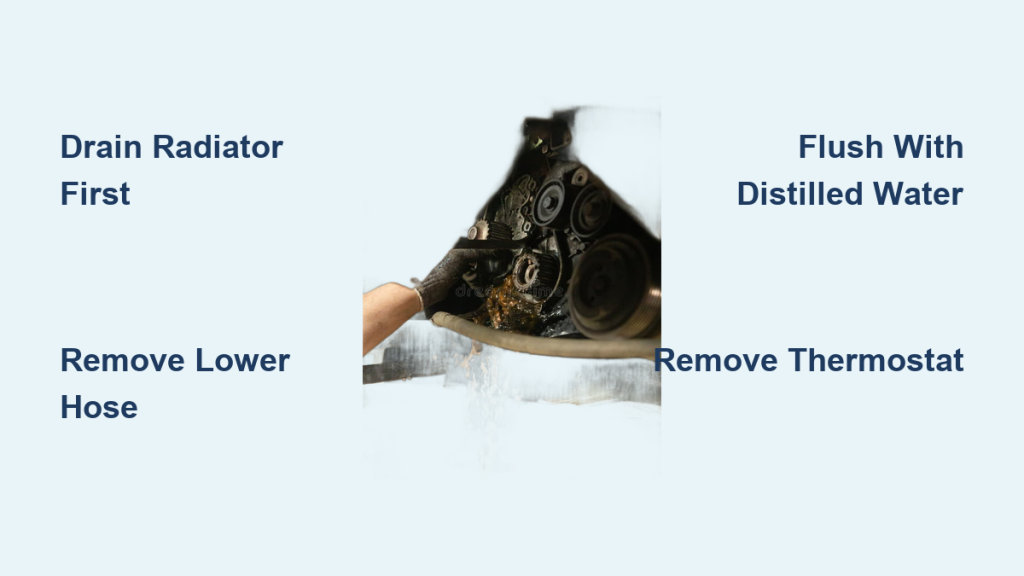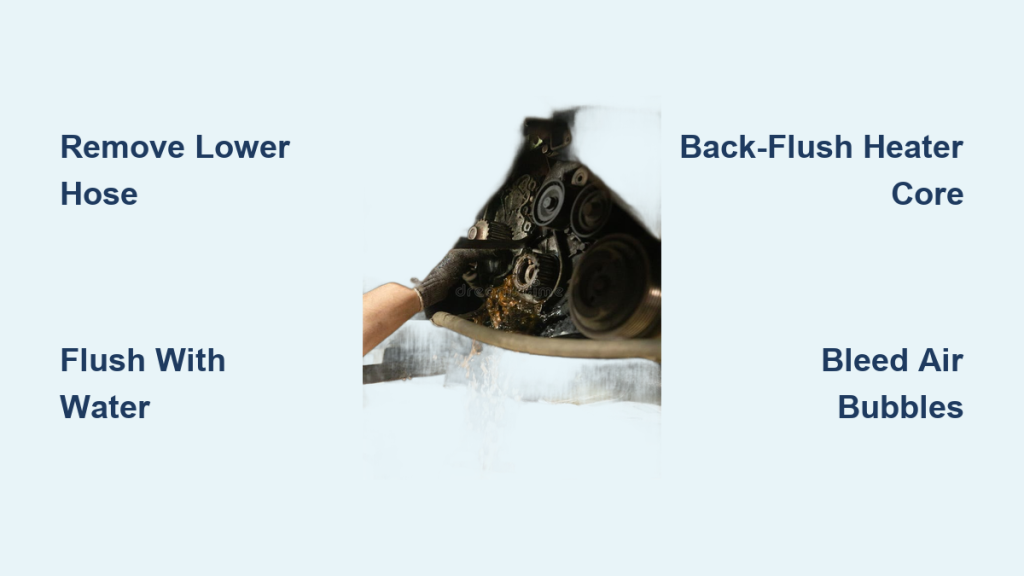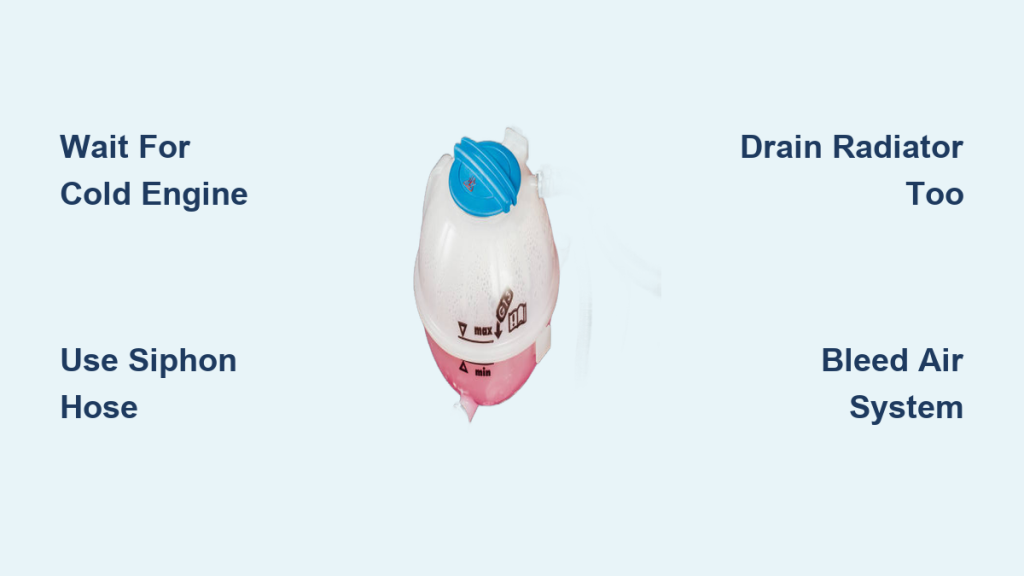

You’ve purchased a bottle of coolant concentrate, but using it incorrectly can lead to engine overheating, corrosion, or costly equipment damage. Unlike ready-to-use coolants, concentrate coolant must be diluted with water before use. This guide walks you through how to use concentrate coolant safely and effectively for automotive and industrial applications, including correct ratios, water quality requirements, mixing techniques, and verification methods.
Choose the Right Dilution Ratio

Getting the ratio right is the foundation of proper coolant use. Too much concentrate or too much water both cause problems that compromise system protection.
Automotive: Stick to 50/50
For most vehicles, a 50% coolant concentrate to 50% water mix provides optimal protection. This balance delivers freeze protection down to -34°C (-30°F), boil-over resistance up to 129°C (265°F) in pressurized systems, and balanced corrosion inhibition and heat transfer. Some manufacturers allow up to 60% concentrate in extreme cold below -30°C, but never exceed 70% as it reduces cooling performance.
Industrial: Match Concentration to Task
Metalworking coolant concentrations vary by operation. Light cutting or drilling requires 3–5% concentration, while heavy milling or grinding needs 8–10%. Always check the product data sheet for your specific fluid. A 5% mix means 1 part concentrate to 19 parts water.
Use Distilled or Deionized Water
The water you use matters as much as the coolant itself. Using the wrong water type can undermine all your mixing efforts.
Why Tap Water Is Risky
Tap water contains minerals like calcium, magnesium, and chloride that can form scale in radiator or machine lines, cause corrosion in aluminum, copper, and steel, and react with coolant additives to shorten fluid life. These minerals reduce heat transfer efficiency and create long-term problems.
Best Water Choices
For automotive applications, use distilled or deionized water. For industrial use, deionized or softened water works best, especially in hard water areas. Using clean water ensures longer fluid life and better system protection across both applications.
Mix Coolant in the Correct Order
The order you add ingredients matters, particularly for industrial metalworking fluids.
Automotive: Equal Parts, Any Order
For 50/50 automotive mixing, you can add coolant and water in either order as long as you use equal volumes and shake thoroughly. The chemistry tolerates either approach.
Industrial: Always Add Concentrate to Water
Follow the OIL rule: Oil In Last. This prevents poor emulsification, clumping or gel formation, and bacterial growth from incomplete mixing. Always fill your container with water first, then slowly add concentrate while stirring. Never pour water into a container of concentrated coolant.
Step-by-Step Mixing Guide
Having the right tools and following a clear process ensures consistent results every time you mix.
Prepare Your Tools
Gather these items before starting. You need a clean mixing container like a 5-gallon pail or marked jug, a funnel, a measuring device like a graduated pitcher or flow meter, gloves and safety goggles, and a refractometer for industrial use. Never use food or drink containers for mixing coolant due to poisoning risks.
Automotive Mixing Steps
Work through these steps in order. First, pour half the container volume with concentrate such as 0.5 gallons in a 1-gallon jug. Second, add an equal amount of distilled water. Third, seal and shake vigorously for 30 seconds. Fourth, label the container clearly with “50/50 Coolant – Do Not Drink.” Fifth, add to the radiator or reservoir when the engine is cool. Tip: shine a light behind the jug to see liquid levels clearly.
Industrial Mixing Methods
Small shops can mix manually. Fill a clean pail halfway with water, add measured concentrate slowly, mix with a drill-powered paddle for 1–2 minutes, top off with water to final volume, and verify concentration with a refractometer. Mid-size operations may use venturi mixers like the Zebra Machinist Mixer, which draws concentrate using water pressure and lets you set the ratio with a dial. High-volume shops benefit from dosing pumps like Dosatron, which deliver precise consistent mixes when installed with a strainer and pressure regulator.
Verify Concentration with a Refractometer
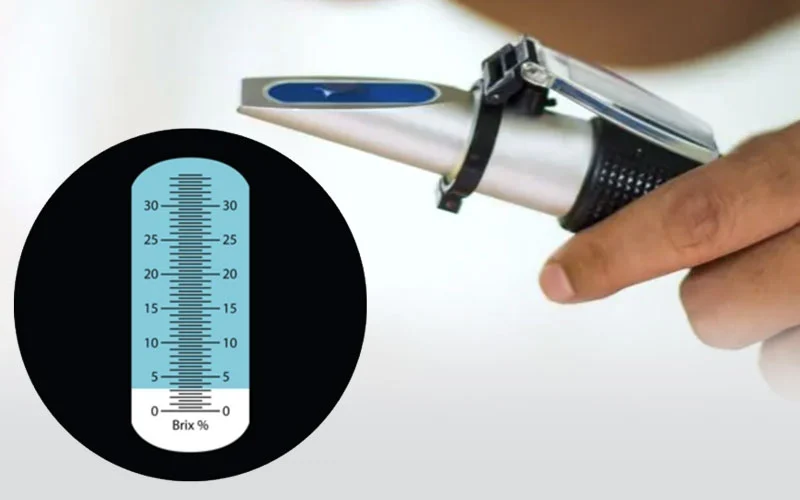
Testing your mix ensures you actually achieved the target concentration rather than guessing.
Why Guessing Isn’t Good Enough
Without testing, you cannot know if your mix is too weak or too strong. A refractometer gives accurate readings in seconds, eliminating guesswork and preventing costly mistakes.
How to Use a Refractometer
Place 2–3 drops of mixed coolant on the prism, close the cover, hold to light and look through the eyepiece, read where the light/dark line crosses the scale, then clean with distilled water after use. Calibrate daily with distilled water, which should read 0%.
Check Frequency
For automotive use, test once when mixing is optional. For industrial applications, test daily in active systems and after every top-off to maintain consistent performance.
Avoid Common Mixing Mistakes
Understanding what goes wrong helps you avoid these pitfalls.
Never Use Straight Concentrate
Adding undiluted coolant causes poor heat transfer leading to engine overheating, increased viscosity reducing flow, additive failure decreasing corrosion protection, and wasted money since you get fewer usable gallons. If you added straight concentrate, monitor engine temperature closely and drain and refill with 50/50 mix for safety.
Don’t Over-Dilute with Water
Too much water raises freeze risk, lowers boiling point, and weakens corrosion inhibitors leading to rust and scale buildup. A 70% water mix may freeze at -15°C, risking cracked engine blocks.
Avoid Under-Dilution (Too Much Concentrate)
Over-concentrated coolant foams excessively, forms sludge, damages seals and gaskets, and causes additive precipitation reducing protection. Always aim for the manufacturer-recommended range.
Top Off Coolant the Right Way
Topping off is not simply adding more fluid. The approach differs between automotive and industrial systems.
Automotive: Use Pre-Mixed Coolant
When topping off, use ready-to-use 50/50 coolant. Never add straight water or pure concentrate as this disrupts the system balance. Pre-mixed coolant keeps your ratio intact.
Industrial: Use a Dilute Top-Off Mix
As water evaporates, concentration increases. To compensate, replenish with a weaker mix such as 2% concentrate. This prevents over-concentration and maintains stable performance. For an 8% working fluid, top off with 2% mix.
Recognize a Properly Mixed Coolant
Visual and physical checks confirm successful mixing before you add coolant to your system.
Visual and Physical Signs
Properly mixed coolant appears bright and consistent in color (green, orange, red, or blue depending on type), clear or uniformly cloudy for emulsions with no separation, has a mild chemical smell (sour or rancid indicates bacterial growth), and has a smooth texture without oil slicks or floating particles. Cloudiness or layering means poor mixing or contamination.
Store Coolant Safely
Proper storage prevents accidents and maintains coolant quality.
Label Everything Clearly
Mark containers with “Danger – Antifreeze,” the mix ratio such as “50/50 – Pre-Diluted,” and the date of mixing. Use waterproof labels and child-proof caps.
Keep Out of Reach
Store coolant high off the floor away from children and pets. Ethylene glycol is sweet-tasting and deadly if ingested. Consider propylene glycol-based coolant in homes with pets for reduced toxicity.
Seal and Store Upright
Prevent evaporation and spills by keeping containers sealed and upright. Store in a cool, dry place away from direct sunlight.
Maintain Coolant Longevity
Regular maintenance extends fluid life and protects your equipment.
Automotive Maintenance Tips
Flush coolant every 3–5 years or per manufacturer schedule, check the level monthly, inspect for leaks, sludge, or discoloration, and never mix coolant types (OAT, HOAT, IAT) as they can form gel.
Industrial Maintenance Routine
Test concentration daily, check pH weekly (ideal range 8.5–9.5), skim tramp oil regularly, treat with biocide if odor or slime appears, and clean the sump during fluid changes.
Match Coolant to Your Application
Different applications have specific requirements for optimal performance.
Automotive Use Cases
Use 50/50 mix for standard vehicles, up to 60% concentrate for extreme cold (verify specs), 50/50 with performance additives for race engines, and phosphate-free coolant for classic cars pre-1970s to protect solder.
Industrial Use Cases
Use 5–8% for CNC machining, 8–10% for grinding to maximize cooling, non-staining low-foam coolant for aluminum work, and pair deionized water with hard-water-tolerant fluid in hard water areas.
Frequently Asked Questions About Using Concentrate Coolant
Can I use tap water to mix concentrate coolant?
Using tap water is not recommended. Tap water contains calcium, magnesium, and chloride minerals that cause scale deposits, corrosion, and reduced heat transfer. Distilled or deionized water provides the cleanest mix for both automotive and industrial applications.
What happens if I use concentrate coolant without diluting it?
Undiluted concentrate causes poor heat transfer leading to overheating, increased viscosity restricting flow, additive package failure reducing corrosion protection, and wasted money since you use more product than necessary. Always dilute according to manufacturer ratios.
How do I know if my coolant mix is too strong or too weak?
A refractometer provides accurate concentration readings. For automotive 50/50, the reading should show approximately 50% coolant. For industrial use, target the percentage specified in your product data sheet. Too strong shows high readings, too weak shows low readings.
Can I mix different brands of coolant concentrate?
Mixing different brands or types (OAT, HOAT, IAT) can cause gel formation and additive conflicts. Stick to one brand and type for best results. If switching is necessary, flush the system completely first.
How often should I test industrial coolant concentration?
Test industrial coolant concentration daily in active systems and after every top-off. Regular testing catches concentration shifts early and prevents the problems that come from incorrect mixing ratios.
Key Takeaways for Using Concentrate Coolant
Using concentrate coolant correctly protects your engine or machine, extends fluid life, and saves money. Always dilute concentrate with the correct ratio (50/50 for automotive, 3–10% for industrial), use distilled or deionized water, and follow the proper mixing order. For industrial applications, verify concentration with a refractometer before use and test daily during operation. Store all coolant safely away from children and pets, and maintain your system with regular flushes and testing. Whether you’re topping off a car radiator or servicing a CNC machine, precision mixing is the key to peak performance and long equipment life.