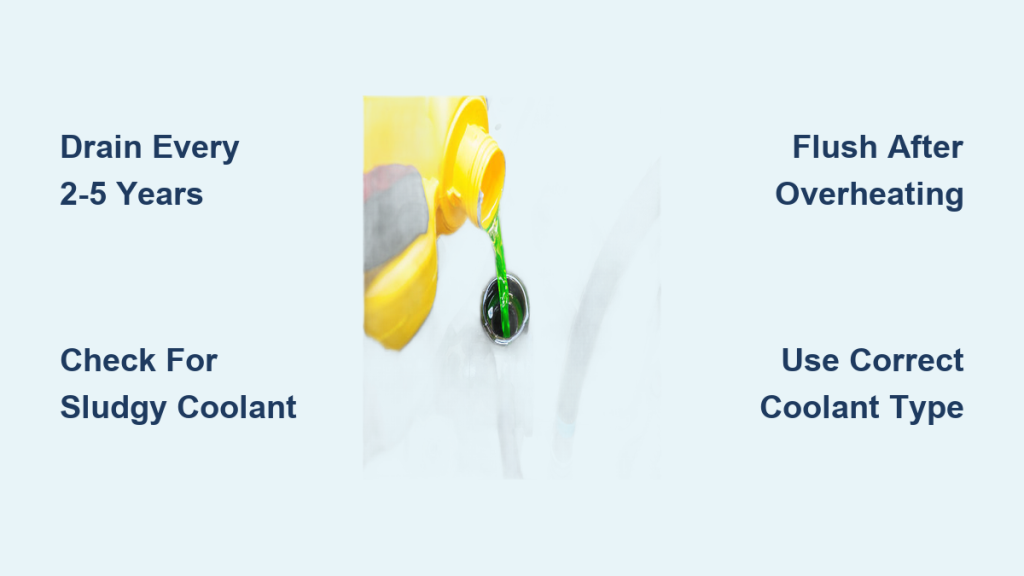
Engine coolant keeps your vehicle running smoothly, but over time it breaks down, leaving your engine vulnerable to overheating, corrosion, and costly damage. Knowing when to drain coolant is one of the most important yet often overlooked aspects of car maintenance. If you are seeing overheating issues, noticing discolored fluid, or simply unsure when the last flush was done, this guide will help you decide exactly when to act.
Most drivers wait until something goes wrong before thinking about coolant. But by then, sludge may have formed, the water pump could be failing, or internal corrosion might already be underway. The truth is that a simple coolant drain or flush every few years can prevent thousands in repairs. Whether you drive a daily commuter, a heavy-duty truck, or a late-model SUV, understanding the signs and service intervals for coolant changes is critical.
In this guide, you will learn how to spot trouble early, when to schedule a flush based on your vehicle and driving habits, and why a professional flush often beats a DIY top-off. Let us break down exactly when and why you should drain coolant.
Recommended Coolant Service Intervals
Standard Change Every 2 to 5 Years
For most vehicles using conventional or early extended-life coolants, drain coolant every 2 to 5 years or 30,000 to 50,000 miles. This range covers traditional green IAT coolants and many hybrid formulations. Even if the fluid looks fine, chemical additives that prevent rust and lubricate the water pump degrade over time. After five years, coolant can turn acidic, increasing the risk of internal damage.
Always check your owner’s manual because some models require service as early as 24,000 miles or 24 months, especially older vehicles or those in hot climates.
Extended-Life Coolant Up to 150K Miles
Many modern vehicles, particularly GM, Chevrolet, and GMC models, come filled with Dex-Cool coolant, recognizable by its orange or red color. This long-life formula can last up to 150,000 miles or 5 years under normal driving conditions.
However, normal means no frequent towing, minimal stop-and-go traffic, no prolonged idling, and moderate climate exposure. If your driving does not match this, shorten the interval to 60,000 to 100,000 miles to avoid premature heater core clogs or water pump failure.
Shorten Interval for Severe Driving
Harsh conditions accelerate coolant breakdown. If you regularly tow heavy loads, drive in extreme heat or cold, sit in stop-and-go traffic, idle for long periods, or operate in dusty or off-road environments, then drain coolant every 2 years or 30,000 miles regardless of manufacturer claims. These conditions cause rapid temperature swings and increased oxidation, depleting additives faster than expected.
Signs Coolant Needs Immediate Flushing

Engine Overheats Frequently
If your temperature gauge climbs into the red, especially in traffic or at idle, it is a red flag. Overheating often stems from poor heat transfer due to degraded coolant. Sludge buildup, air pockets, or a clogged radiator can block flow even if the coolant level appears normal.
Do not ignore brief spikes because repeated overheating stresses head gaskets and can warp cylinder heads. A full coolant flush removes contaminants and restores proper circulation.
Coolant Looks Brown or Sludgy
Healthy coolant is bright and clear, green, orange, pink, or red depending on type. If it is brown, murky, or full of floating particles, the additives have broken down and corrosion is underway.
Gel-like texture or oily film indicates mixing incompatible coolants or an internal engine oil leak such as head gasket failure. Either way, a complete flush is required after diagnosing the root cause.
Sweet Smell or Steam Under Hood
A syrup-like odor or visible steam from the engine bay usually means coolant is leaking onto hot components. This can happen due to a cracked hose, leaking radiator, failed water pump seal, or blown head gasket.
Even after repair, flush the system because old, acidic coolant accelerates corrosion at leak sites and contaminates fresh fluid.
Heater Blows Lukewarm Air
Your heater relies on hot coolant flowing through the heater core. If it only produces lukewarm or cold air despite a warmed-up engine, the core may be clogged with sludge.
A proper flush often clears the blockage and restores full heat without part replacement. This is common in high-mileage vehicles with neglected coolant.
Dashboard Warning Lights Activate
Do not ignore these alerts. The engine temperature warning light, low coolant level message, or Check Engine Light with P0128 or P0217 codes indicate a compromised cooling system. While low fluid might be the trigger, degraded coolant reduces system efficiency and can fool sensors. Flush and refill with correct mix after checking for leaks.
Need to Top Off Coolant Often
Adding coolant regularly means you have a leak. Common sources include radiator cracks, hose leaks, water pump weep hole seepage, and loose connections.
Even small leaks are dangerous because as coolant depletes, air enters the system, creating vapor locks. Plus, topping off with tap water or wrong coolant type introduces minerals and chemical incompatibility. Flush after repair to ensure system purity.
Coolant Drain vs. Full Flush: What You Need
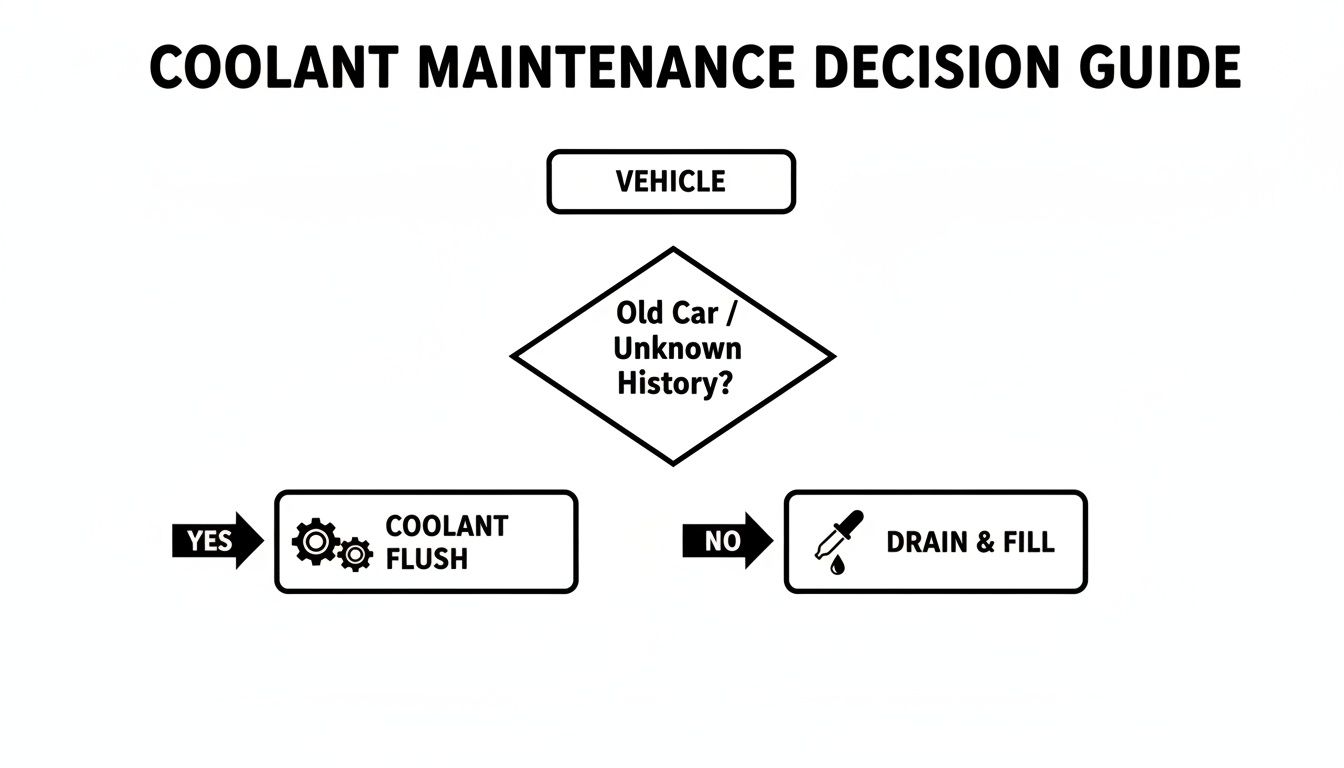
Basic Coolant Drain Has Limited Effectiveness
A coolant drain only removes fluid from the radiator or block drain plug, typically 50% of total system volume. The rest stays trapped in the engine, heater core, and hoses.
This method works for topping off after a repair, minor dilution correction, and emergency refills. But it will not remove sludge, rust, or dead additives. Residual old coolant mixes with fresh, reducing protection and lifespan.
Full Coolant Flush Provides Complete System Clean
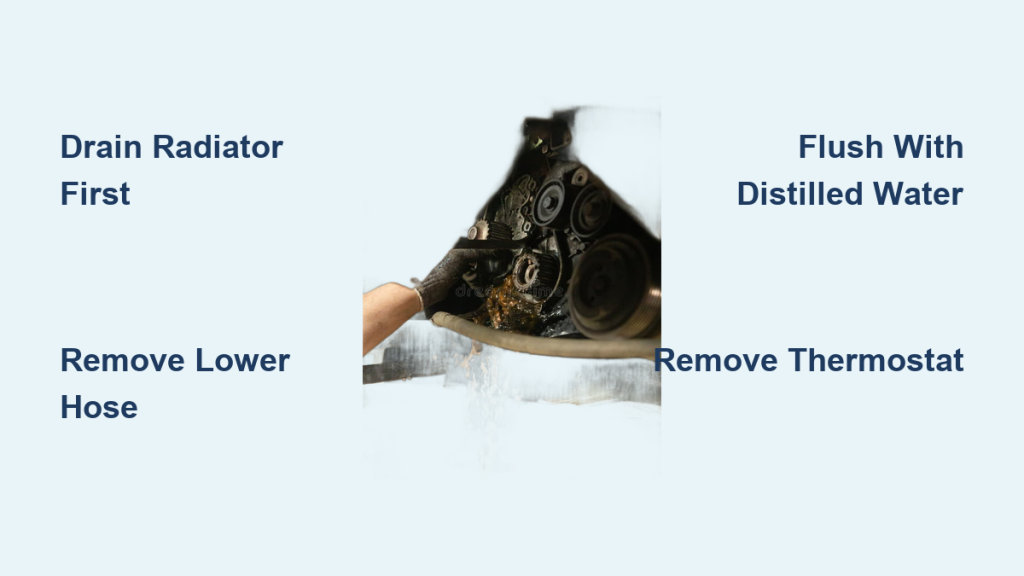
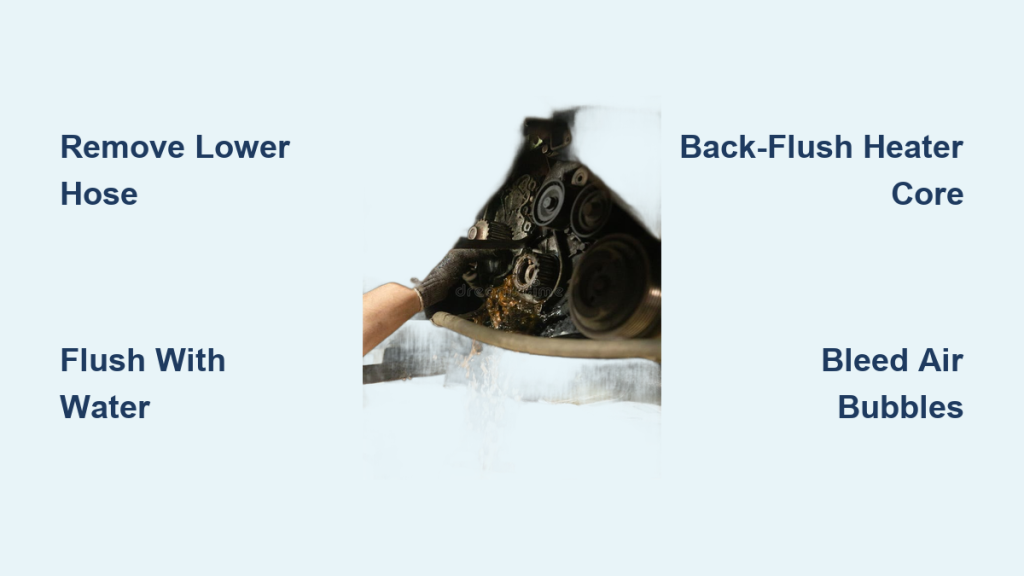
A professional coolant flush removes 90% to 100% of old fluid and cleans the entire system. The process includes draining old coolant from radiator and engine block, flushing with distilled water or cleaning solution, circulating fluid to dislodge debris, repeating until runoff water runs clear, refilling with correct coolant mix, and bleeding air from system.
This restores optimal heat transfer, corrosion resistance, and heater performance. It is essential for high-mileage vehicles or any sign of contamination.
How to Flush Coolant: Step-by-Step
1. Inspect System First
Before draining, check coolant level and color. Look for leaks at hoses, radiator, and water pump. Test radiator cap seal and pressure rating. Perform pressure test to find hidden leaks.
A pre-inspection prevents flushing a system with active leaks only to refill and lose coolant again.
2. Drain Old Coolant Completely
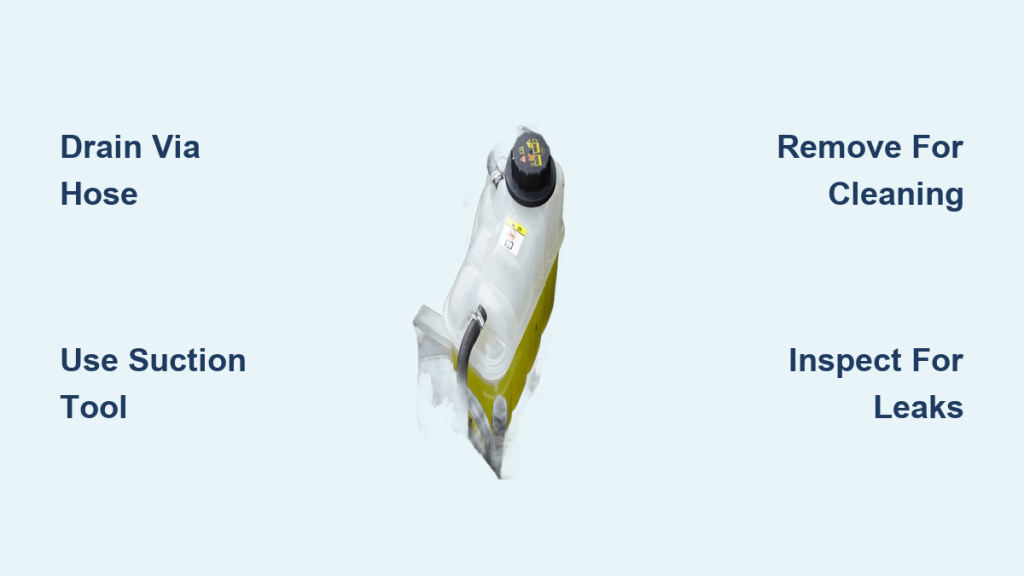
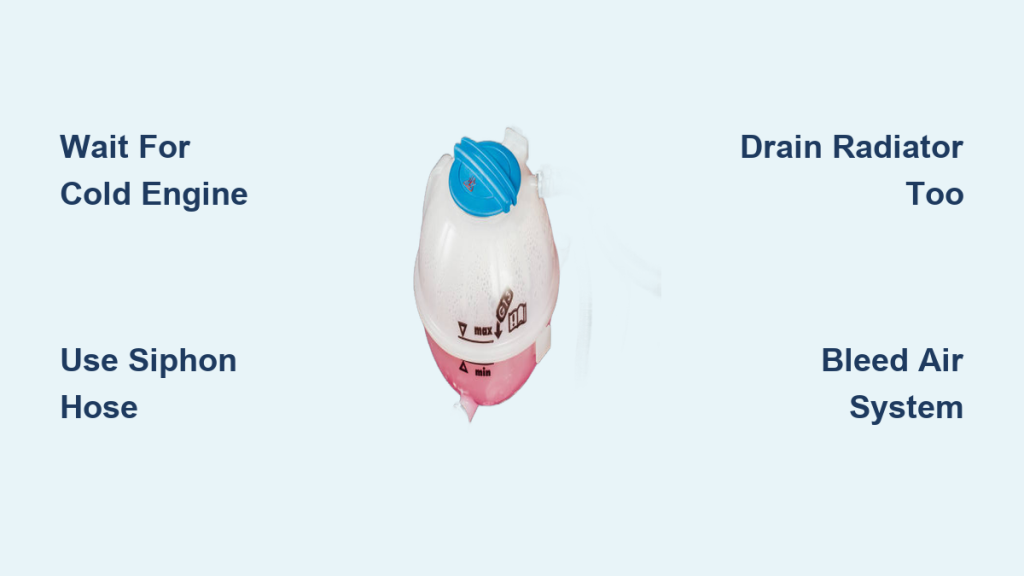
Let engine cool completely. Place drain pan under radiator and engine block. Open radiator drain plug and block plug if equipped. Remove radiator cap and coolant reservoir cap for faster flow. Capture all fluid in sealed container because coolant is toxic to pets and wildlife.
Never pour used coolant down drains or on the ground.
3. Flush with Distilled Water
Refill system with distilled water only. No tap water because minerals cause scaling. Start engine and run until thermostat opens, meaning top hose gets hot. Turn off, cool, and drain. Repeat 2 to 3 times until runoff water is clear.
For heavy sludge, use a cooling system cleaner compatible with your vehicle materials. Follow product instructions carefully.
4. Refill with Correct Coolant
Use manufacturer-specified type such as Dex-Cool, HOAT, or OAT. Mix 50/50 with distilled water unless using pre-mixed coolant. Fill reservoir and radiator while bleeding air by elevating front of vehicle, opening bleed valves if equipped, squeezing upper radiator hose, and running engine with cap off until bubbles stop.
5. Final Checks and Reset
Reinstall radiator cap. Run engine to operating temperature. Check heater output and temperature gauge. Inspect for leaks. Top off reservoir as needed after cooldown. Reset maintenance reminder if applicable.
DIY vs. Professional Coolant Service
DIY Drain Saves Money But Has Limited Results
A DIY coolant change costs $20 to $50 and works for routine maintenance on healthy systems. But it only replaces about half the fluid and rarely removes all air.
DIY works best for low-mileage vehicles, no signs of contamination, and simple cooling systems. Risks include incomplete air bleeding leading to overheating, using wrong coolant type causing gel formation, tap water use causing scale buildup, and missing hidden leaks.
Professional Flush Delivers Superior Clean and Safety
A pro flush costs $100 to $300 but delivers complete service including full fluid exchange, debris and sludge removal, pressure testing, proper air bleeding, leak detection, and correct disposal.
Professional service is worth it for high-mileage vehicles over 100,000 miles, discolored or sludgy coolant, prior overheating, and complex air-bleeding systems found in GM and European vehicles. Many modern vehicles require scan tools to activate bleed modes, something most DIYers cannot do.
Coolant Types and Mixing Warnings
Match the Right Coolant to Your Vehicle
Using the wrong type can destroy your cooling system. Common types include IAT (green) for older vehicles with 24,000 to 36,000 mile change intervals, OAT (Dex-Cool, orange or red) for GM and Chevrolet with up to 150,000 mile intervals, HOAT (yellow or turquoise) for Ford, Chrysler, and Euro vehicles with 50,000 to 100,000 mile intervals, and Si-OAT (pink or blue) for Honda, Toyota, and Acura with 100,000 plus mile intervals.
Never Mix Coolant Types
Combining different chemistries such as OAT plus IAT can cause chemical reactions that form gel or sludge. This clogs the radiator, heater core, and water pump, leading to overheating and failure.
Even universal coolants are risky because most manufacturers recommend only OEM-specified fluids.
Use Distilled Water Only
Tap water contains calcium, magnesium, and chlorine that promote scale buildup and corrosion. Always mix coolant with distilled or deionized water.
Pre-mixed coolants at 50/50 eliminate mixing errors and are ideal for DIY.
Best Practices for Long-Term Cooling Health
Check Coolant Monthly
Make it part of your routine. Park on level ground with engine cold. Remove reservoir cap never while hot. Check level between min and max marks. Observe color and clarity.
Dark or cloudy fluid means schedule a flush.
Replace Key Components During Service
While draining coolant, consider replacing radiator cap every 5 years because it loses pressure seal. Replace thermostat if stuck or inconsistent. Replace coolant reservoir cap if cracked. Replace hoses if soft, bulging, or cracked.
These small parts prevent big problems.
Dispose of Coolant Safely
Used coolant is toxic and environmentally hazardous. Store in labeled, sealed container. Take to auto parts store, recycling center, or hazardous waste facility. Clean spills immediately with absorbent material.
Ethylene glycol tastes sweet and is deadly to pets and wildlife even in small doses.
Vehicle-Specific Tips
GM and GMC Vehicles with Dex-Cool
Use only GM-approved Dex-Cool (OAT) unless manual says otherwise. Flush by 150,000 miles or 5 years even if fluid looks good. After service, follow GM bleed procedure: run engine with heater on high, fan speed low, tank cap off until flow stabilizes. Frequent heater issues post-flush mean air was not fully bled.
Trucks and SUVs: Bigger Systems, Higher Stakes
Full systems hold 1.5 to 2 plus gallons of coolant. More fluid means higher cost, but it is critical for towing reliability. Heavy-duty use demands annual inspection. Consider flushing every 3 to 4 years if towing regularly.
What Happens If You Skip Coolant Service
Neglecting coolant maintenance leads to catastrophic and expensive failures. Corrosion eats away at aluminum radiators, copper tubes, and steel fasteners. Sludge clogs narrow passages in radiator and heater core. Water pump fails due to loss of lubrication and bearing rust. Head gasket blows from repeated overheating. Engine seizes from extreme heat damage.
Repair costs often exceed $1,500 to $3,000, far more than a $150 flush.
Regular coolant service is one of the highest-return maintenance tasks you can perform. It protects your engine, improves efficiency, and ensures reliable performance in summer heat and winter cold.
Frequently Asked Questions About When to Drain Coolant
How do I know if my coolant needs to be drained?
Check the color and clarity of your coolant. If it looks brown, murky, or contains floating particles, it needs draining. Also consider the mileage and time since your last flush. Most vehicles require service every 30,000 to 50,000 miles or 2 to 5 years.
Can I just drain coolant myself instead of getting a flush?
You can perform a basic drain yourself, but it only removes about 50% of the old coolant. A full flush removes 90% to 100% and cleans out sludge and debris. DIY works for routine maintenance on healthy systems but is less effective for contaminated coolant or high-mileage vehicles.
What happens if I never flush my coolant?
Neglected coolant becomes acidic and causes corrosion throughout the cooling system. This leads to radiator clogging, heater core failure, water pump damage, and potentially catastrophic engine overheating. Repair costs from neglected coolant service often exceed $1,500.
Does Dex-Cool really last 150,000 miles?
Dex-Cool can last up to 150,000 miles or 5 years under normal driving conditions. However, severe use such as frequent towing, stop-and-go traffic, or extreme climates shortens this interval significantly. Always follow your specific vehicle manual recommendations.
Why does my car overheat after a coolant flush?
Overheating after a flush usually means air was not properly bled from the system. Air pockets block coolant flow and cause hot spots. Some vehicles require special procedures or scan tools to fully bleed air. If problem persists, check for leaks or thermostat issues.
Key Takeaways for Draining Coolant
Knowing when to drain coolant is not just about mileage or time. It is about condition, driving habits, and vehicle needs. Stick to your manual schedule, watch for warning signs like overheating or discolored fluid, and opt for a full flush when in doubt. A clean cooling system means a healthier engine and fewer roadside emergencies.
The most important points to remember are service your coolant every 2 to 5 years or 30,000 to 50,000 miles for standard types, or up to 150,000 miles for extended-life coolants under normal conditions. Watch for immediate warning signs including frequent overheating, brown or sludgy coolant, sweet smells, heater problems, and dashboard warning lights. Always choose a professional flush for high-mileage vehicles or any signs of contamination rather than a basic drain. Use only the correct coolant type for your vehicle and never mix different formulations.
Schedule your coolant service today if you have not done so in the past two years or 30,000 miles. Your engine will thank you with reliable performance and longer life.