You notice a puddle under your car—bright green, orange, or pink—and it smells slightly sweet. You pop the hood and see coolant residue near the front of the engine. But here is the confusing part: your engine is not overheating. The temperature gauge sits perfectly in the middle, just like always.
That does not mean everything is fine. A water pump leaking coolant but not causing overheating is a common yet deceptive issue. While the engine may seem to run normally, this is a ticking time bomb. Coolant loss, no matter how slow, can lead to sudden, catastrophic engine failure. The fact that it is not overheating now only means the system still has enough fluid to function temporarily. Once the level drops too low, overheating happens fast, often without warning.
This guide breaks down exactly why your water pump might be leaking coolant without overheating, how to diagnose the real source, and what steps to take before you are stranded with a blown head gasket or warped cylinder head.
Check the Weep Hole First
Many modern water pumps have a weep hole, a small drain port at the bottom of the pump housing. It is designed as an early warning system. When the internal seal fails, coolant escapes here before the bearing collapses.
What to look for includes a steady drip or spray from beneath the water pump, especially after driving. The location is near the timing belt or serpentine belt, often hidden behind a plastic cover. A key clue is that the leak worsens with engine RPM or when hot, as pressure forces more coolant out.
If you see wetness or crusty buildup around this area, the water pump seal is failing. Shine a flashlight upward from beneath the engine. The weep hole leak often tracks along the timing cover or lands on the exhaust manifold.
Pressure-Dependent Leaks Explained
Some leaks only appear when the cooling system is pressurized, usually at operating temperature. Coolant stays sealed when cold. As the engine heats up, pressure builds to 13-18 psi. A failed seal allows coolant to escape through the weep hole. When you depressurize the system by removing the radiator cap, the leak stops.
One user-reported case confirmed this behavior. Once the car was running and dripping heavily, the person took the radiator cap off and it stopped leaking. This strongly points to a failing water pump seal, not a loose hose or gasket.
Rule Out Other Common Causes
Faulty Radiator Cap
A bad cap will not keep pressure, causing coolant to boil off and escape through the overflow tube. Symptoms include coolant loss without visible puddles. The fix is simple: replace with an OEM-spec cap, checking the pressure rating, which is usually 13-18 psi. This is one of the cheapest and easiest diagnostics.
A weak cap can mimic a water pump leak by forcing coolant out under pressure, even if the pump is fine.
Loose or Cracked Hoses
Hoses connected to the water pump outlet, bypass tube, or thermostat housing can crack or loosen over time. Check the water pump inlet and outlet hoses, heater hoses near the firewall, and the bypass hose between engine and water pump.
Look for brittle, swollen, or cracked rubber. Check for coolant stains around clamps. Feel for a spongy feel when squeezed, which indicates degradation. Even a tiny seep from a hose can look like it is coming from the pump.
Internal Leaks: Hidden but Dangerous
Not all coolant loss shows up on the ground. Internal leaks are silent killers.
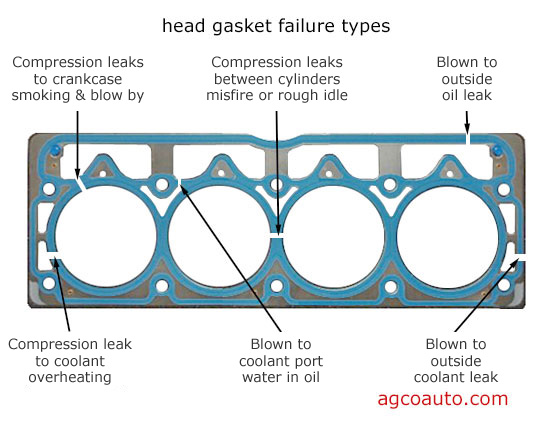
A blown head gasket allows coolant into combustion chambers or oil passages. Signs include milky residue under the oil cap or on the dipstick, white smoke from exhaust with a sweet smell, and spark plugs appearing unusually clean. A small leak may not cause overheating if coolant burns off gradually.
A failed intake manifold gasket is common in GM 3.1L/3.4L, Ford 4.0L, and some Chrysler V6 engines. Coolant passages in the manifold can erode or crack. The leak may drip into the valley or enter the combustion chamber.
One user traced slow coolant loss to a failing intake manifold gasket, not the water pump. Always verify before replacing parts.
Heater Core and Overflow Confusion
Do not mistake A/C condensation for a coolant leak. The A/C drain produces clear, odorless water, but only when AC is on. A heater core leak creates a sweet smell inside the cabin, damp floor mats, and foggy windows. Rear heater lines in SUVs and minivans can leak under the vehicle, mimicking a water pump drip.
Check the fluid color and smell. Coolant is colored and sweet-smelling. Water is clear with no odor.
Diagnose Like a Pro
Cold Engine Inspection Steps
Never open the radiator cap hot, as this risks scalding. Wait 2-3 hours after shutdown. Check coolant level in the radiator and reservoir. Top off the radiator to the neck when cold. If it is low despite a full reservoir, an air pocket or blockage exists.
Visual Leak Detection
Under the hood, shine a light on the front center of the engine. Look for crusty white or green residue on pulleys, belts, or timing cover. Check for wetness around the water pump shaft or housing. Look for coolant tracking down from the weep hole.
Under the vehicle, park on a clean, dry surface overnight. Check for colored puddles in the morning. Trace upward to find the source. Remove the timing belt cover or dust shield, as many water pump leaks hide behind plastic.
Pressure Test the System
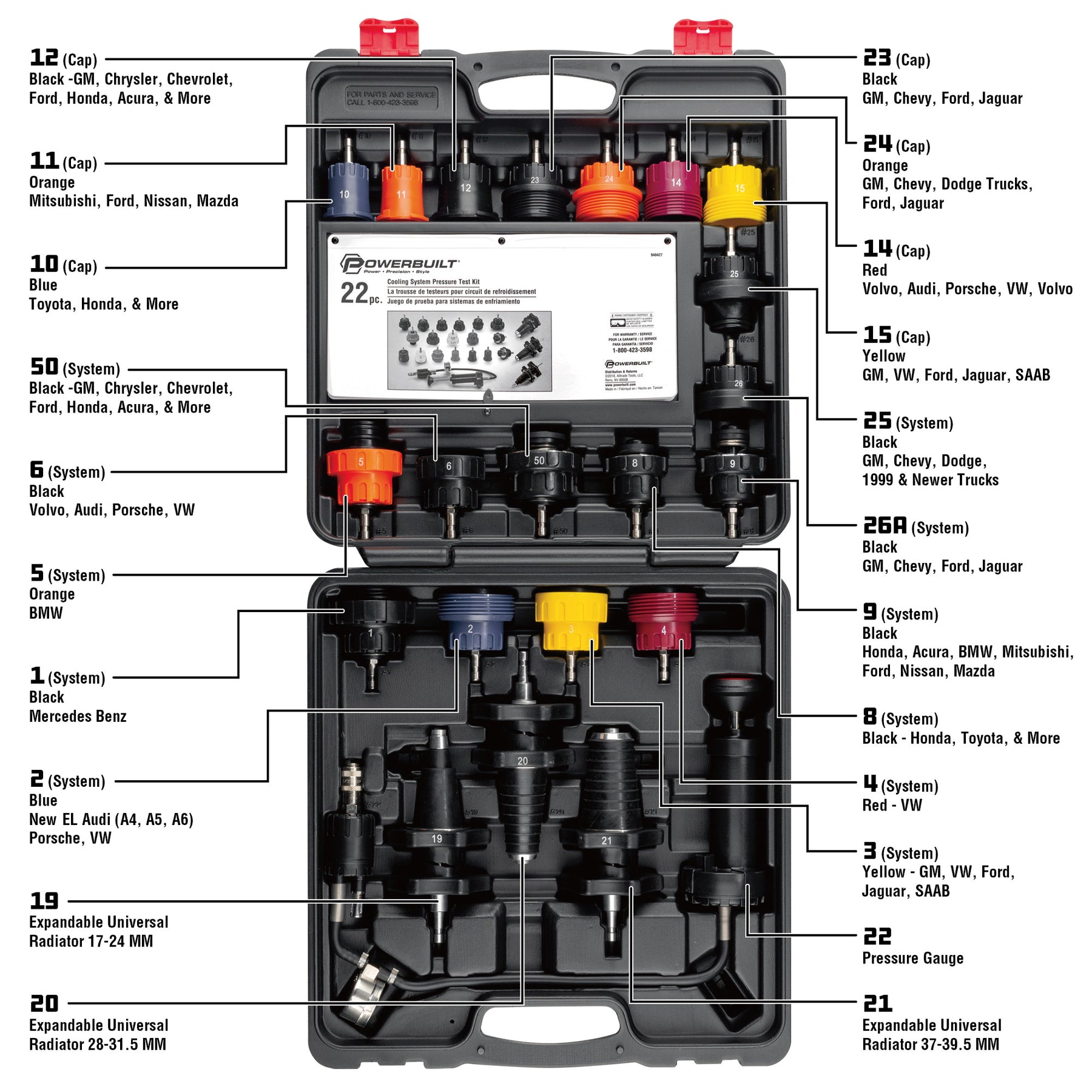
This is the gold standard for finding hidden or pressure-sensitive leaks. Use a hand-pump pressure tester that fits on the radiator neck. Pressurize to 15 psi or the cap rating. Watch the gauge for pressure drop. Inspect the weep hole, hoses, and radiator seams.
If pressure drops and you see coolant at the pump, the weep hole leak is confirmed. You can often replicate the pressure-dependent symptom: leak stops when depressurized.
UV Dye Test for Tiny Leaks
For elusive seepage, add UV fluorescent dye to the coolant reservoir. Run the engine until warm. Shine a black light under the hood and under the car. Leaks glow bright yellow-green. This is perfect for catching slow weep hole drips or hairline cracks.
Block Test for Head Gasket
If you suspect internal leakage, use a combustion leak tester, also called a block test. Draws air from the coolant reservoir through a chemical solution. A color change from blue to green indicates combustion gases in the coolant, meaning a blown head gasket. This test confirms internal failure even when no overheating occurs.
Why No Overheating? Here is the Truth

Thermal Buffer Keeps Engine Safe
Modern cooling systems have built-in safety margins. There is enough coolant to absorb heat even with minor loss. The temperature sensor often stays submerged until the level drops critically. Short trips do not generate sustained heat load.
But this buffer is temporary. Once coolant level falls below the thermostat or water pump inlet, circulation stops, air pockets form, and overheating occurs rapidly.
False Temperature Readings Are Deadly
When coolant level falls below the ECT sensor, the sensor reads air temperature, not engine metal temperature. The gauge shows normal while the engine overheats internally. Damage occurs silently, including piston scuffing, head warping, and gasket failure.
You can destroy your engine without the needle moving.
Immediate Actions You Must Take
Do These Now
Stop driving if you are losing coolant rapidly, such as more than a cup per drive. Check the oil for milky residue, which indicates internal mixing. Replace the radiator cap as a cheap, easy, rule-it-out step. Top off with a 50/50 coolant mix, never using plain water long-term. Pressure test the system or visit a mechanic if you are unsure.
Never Do These
Never ignore it because it is not overheating. Never use stop-leak products like K-Seal or Bar’s Leaks, as these can clog the heater core, thermostat, and radiator. Never keep driving with low coolant, as this risks instant overheating.
Stop-leak may mask symptoms but will not fix a failed water pump seal, and it could cause bigger problems.
Repair: What to Expect
Water Pump Replacement
This is labor-intensive and often requires timing belt removal. The best practice is to replace the thermostat, cap, and flush the coolant at the same time. Cost ranges from $300-$800, varying by model and higher for European or interference engines.
If your timing belt is due, do both at once to save hundreds in labor.
Gasket Replacements
Intake manifold gasket replacement costs $200-$600 and is common in older GM and Ford V6s. Head gasket replacement costs $1,000-$2,500, as it is labor-heavy and requires cylinder head removal. Always inspect surfaces and torque to spec, as improper install causes repeat failure.
Coolant Flush After Repair
Flushing removes old coolant, debris, and contaminants. It prevents corrosion and clogs. It ensures proper heat transfer. Use OEM-recommended coolant type, whether OAT, HOAT, or other.
Long-Term Risks of Waiting
Delaying repair turns a $300 fix into a $2,000 disaster.
Sudden overheating causes engine seizure while driving. A warped cylinder head requires machining or replacement. A blown head gasket allows coolant into the oil, with hydrolock risk. A cracked engine block often requires total engine replacement. Catalytic converter damage occurs when coolant burns in exhaust and clogs the converter. Transmission failure happens if the radiator cooler core leaks coolant into the transmission fluid.
One user avoided $2,000 in engine repairs by catching a weep hole leak early. Do not wait.
Final Thoughts on Water Pump Coolant Leaks
A leaking water pump with no overheating is like a smoke detector chirping at 2 a.m. It is annoying and easy to ignore. But just like that chirp could mean a fire is coming, this leak means engine damage is inevitable if not fixed.
You are not in the clear because the temperature gauge reads normal. You are on borrowed time.
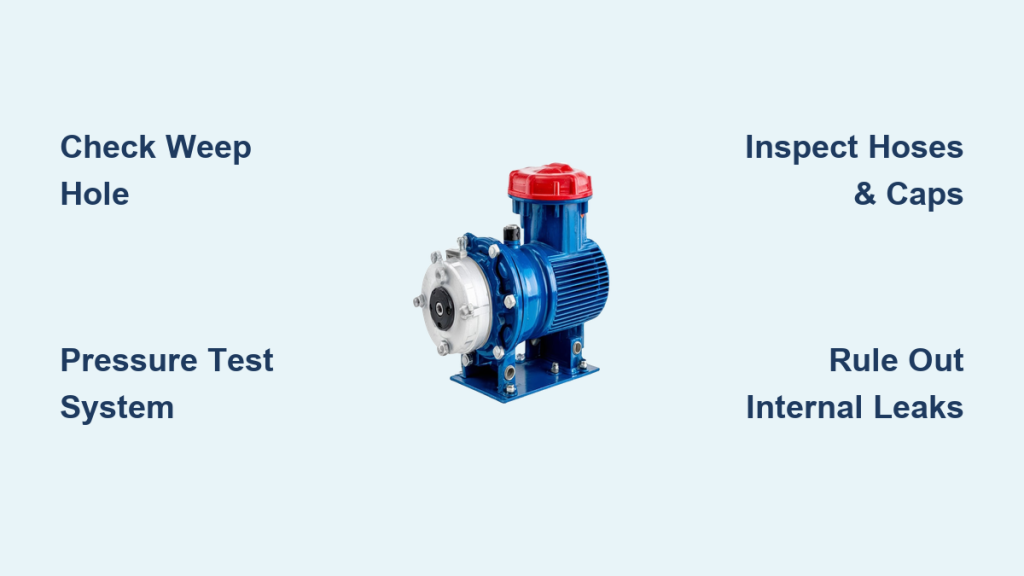
Act now. Inspect the weep hole. Pressure test the system. Rule out internal leaks. Replace the water pump and related components before it is too late. When in doubt, see a trusted mechanic. Cooling system diagnostics are not guesswork. They are prevention. And preventing a $2,000 engine repair starts with fixing a $300 water pump today.
Frequently Asked Questions About Water Pump Leaking Coolant But Not Overheating
Can a water pump leak coolant without causing overheating?
Yes. A water pump can leak significantly without failing mechanically. As long as the impeller spins and coolant remains in the system, circulation may continue, delaying overheating symptoms. The leak may be small enough that enough coolant remains to absorb and dissipate heat effectively.
How do I know if my water pump is leaking?
Look for coolant dripping or spraying near the front center of the engine, typically around the timing belt cover or drive belt area. Check for visible coolant on the drive belts, which can cause slippage or squealing. Inspect the weep hole at the bottom of the water pump housing for wetness or crusty residue.
Why does my coolant leak stop when I remove the radiator cap?
This indicates a pressure-dependent leak. When the system is pressurized, coolant escapes through a compromised seal. When you depressurize by removing the cap, the force driving the leak is eliminated. This behavior strongly points to a failing water pump seal.
Is it safe to drive with a leaking water pump that is not overheating?
No. While the engine may seem fine temporarily, coolant loss will eventually catch up. The temperature gauge may show normal even as internal damage occurs. Once coolant drops below a critical level, sudden overheating and catastrophic engine failure can happen without warning.
What else could cause coolant loss besides the water pump?
Other causes include a faulty radiator cap, cracked or loose hoses, a blown head gasket, a failed intake manifold gasket, a leaking heater core, or an overfilled cooling system. Systematic diagnostics are needed to identify the exact source.
Should I use stop-leak products to fix a water pump leak?
No. Stop-leak products are not a permanent fix and can cause bigger problems. They may clog the heater core, thermostat, or radiator, leading to overheating or cooling system failure. The proper fix is replacing the water pump and any related failed components.